Harvard's Legal Victory in Antisemitism Case: Implications and Insights
Harvard University successfully dismissed a federal lawsuit alleging it ignored antisemitism on campus, shedding light on the broader implications for civil rights enforcement in education.

In a significant legal decision, Harvard University has successfully dismissed a federal lawsuit that accused it of ignoring antisemitism and discrimination against Jewish and Israeli students. This ruling, issued by US District Judge Richard Stearns, not only marks a win for Harvard amidst increasing scrutiny over its campus climate but also highlights the challenges faced by federal authorities in enforcing civil rights legislation in academic settings. The lawsuit stemmed from a series of incidents following the October 2023 attack by Hamas on Israel, which the Justice Department claimed demonstrated a pattern of discrimination at the university.
Judge Stearns's ruling emphasizes that the government failed to present a compelling case that Harvard had violated Title VI of the Civil Rights Act, which prohibits discrimination based on race, color, or national origin. The judge noted that while the incidents cited were concerning, they were too few and isolated to support claims of systemic non-compliance with the law. This dismissal is particularly noteworthy given the context of rising tensions and allegations of antisemitism on college campuses, bringing the spotlight onto how institutions respond to such claims.
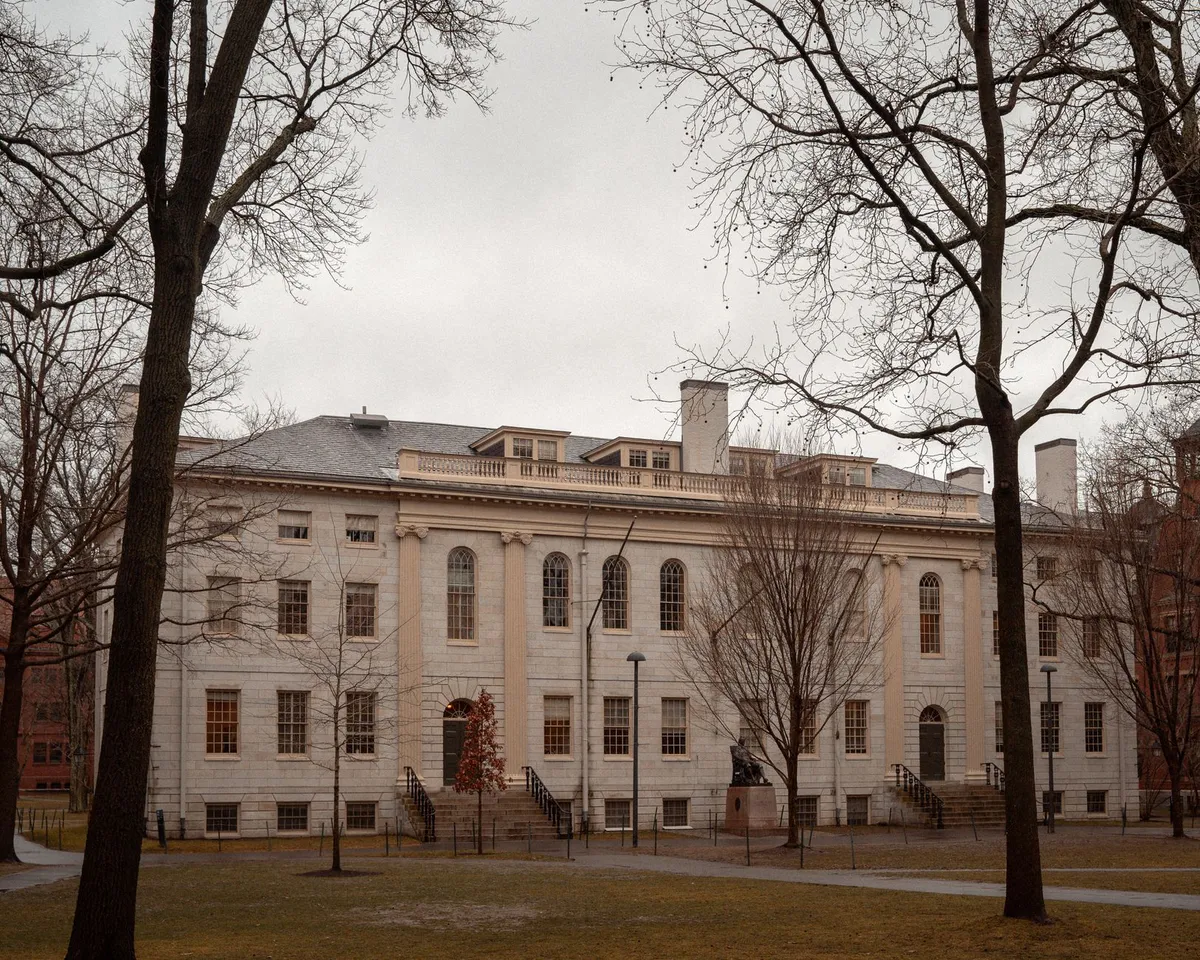
Background of the Lawsuit
The lawsuit originated during a tumultuous period marked by heightened geopolitical tensions following the Hamas attacks. The Justice Department's allegations were not isolated to Harvard; they reflected a broader initiative by the Trump administration to address what it deemed an increase in antisemitic incidents on campuses nationwide. Following the attacks, many universities faced criticism for their handling of free speech and the expression of political opinions, leading to a national conversation about the balance between free expression and the protection of minority groups.
Harvard, known for its diverse student body and rigorous academic standards, found itself at the center of this debate. The university's administration has claimed to be committed to fostering an inclusive environment while also respecting freedom of speech, a position that has drawn both support and criticism from various stakeholders.

The Court's Ruling: Key Findings
In his four-page opinion, Judge Stearns articulated several key findings that led to the dismissal of the case:
- Insufficient Evidence: The government presented only three incidents from the 2023-24 academic year as evidence of systemic antisemitism, which the judge deemed insufficient to imply ongoing violations of Title VI.
- Isolation of Incidents: The incidents cited were characterized as too isolated and episodic to suggest a pattern of neglect or failure on Harvard's part to protect its Jewish and Israeli students.
- Intent of Title VI: Judge Stearns emphasized that the intent of Title VI was not to penalize institutions for isolated incidents but rather to encourage compliance with civil rights standards.
This ruling reflects a judicial perspective that may influence future cases concerning civil rights violations in educational settings, particularly regarding how courts interpret evidence and the intent behind existing laws.

Broader Implications for Civil Rights Enforcement
The dismissal of this case carries significant implications for civil rights enforcement in higher education. The Trump administration has been vocal about its commitment to combating antisemitism, which has included various investigations into universities across the country. Harvard's victory in this lawsuit may embolden other institutions facing similar claims, especially those that have resisted settling with the federal government.
Moreover, this case underscores the complexities involved in proving systemic discrimination. The legal standard for establishing a violation of Title VI requires a clear demonstration of ongoing, institutionalized failures, which can be challenging to substantiate in cases where incidents are sporadic or context-dependent.
Harvard's Position and Future Challenges
Despite this legal victory, Harvard is not out of the woods. The university continues to face scrutiny from federal agencies, and the Trump administration's appeal regarding funding cuts could pose further challenges. The administration has been particularly aggressive in its approach to Harvard, seeking to reshape the landscape of higher education governance and admissions processes.
Harvard spokespersons have remained relatively quiet following the ruling, but the university is likely to continue advocating for its practices while preparing for potential appeals and further legal battles. The outcome of these challenges could set important precedents for how universities across the nation handle similar accusations of discrimination.

Key Takeaways
- Harvard University successfully dismissed a federal lawsuit regarding antisemitism on campus.
- The ruling emphasizes the need for substantial evidence to prove systemic discrimination under Title VI.
- This decision may influence future civil rights enforcement actions in educational institutions.
- Harvard continues to face scrutiny from the federal government, particularly regarding funding and governance.
- The case reflects a broader national debate on antisemitism and free speech in academic settings.
Frequently Asked Questions
What is Title VI of the Civil Rights Act?
Title VI of the Civil Rights Act is a federal law that prohibits discrimination on the basis of race, color, and national origin in programs and activities receiving federal financial assistance. This law is essential for ensuring that educational institutions provide equal opportunities for all students, and violations can lead to the loss of federal funding.
How does the dismissal of this lawsuit affect other universities?
The dismissal of the lawsuit against Harvard may set a precedent for how other universities handle similar allegations of discrimination. It indicates that courts may require a higher standard of evidence to prove systemic violations of civil rights laws, which could discourage federal agencies from pursuing similar cases without substantial supporting evidence.
What are the implications of the Trump administration's actions against Harvard?
The Trump administration's actions reflect a broader strategy to reshape higher education governance and accountability, particularly concerning issues of discrimination and free speech. Ongoing investigations and legal challenges could compel universities to adjust their policies and practices in response to federal pressure, influencing the academic landscape for years to come.
What should universities do in light of this ruling?
Universities should take this ruling as a cue to review their policies and ensure they are compliant with civil rights laws while also fostering an environment that encourages open dialogue and free speech. Institutions may need to implement more robust reporting and response mechanisms to address allegations of discrimination effectively and uphold their commitment to diversity and inclusion.
Comments
Popular in Guides
- Texas Hill Country Floods: Lessons Learned and Warning Systems Tested
- El Niño: The Strongest Weather Phenomenon in Decades
- Meta's Controversial AI 'Nudify' Ads: A Deep Dive into the Scandal
- July 2026: The Hottest Month in U.S. History and Its Implications
- Record-Breaking Heat: The Impact of July 2026 on Climate and Insurance