TikTok Settles Children’s Privacy Case for $400 Million: What It Means for Users
TikTok has reached a significant $400 million settlement over children's privacy violations. This decision comes after allegations of improper data collection from young users, raising questions about online safety and parental controls.
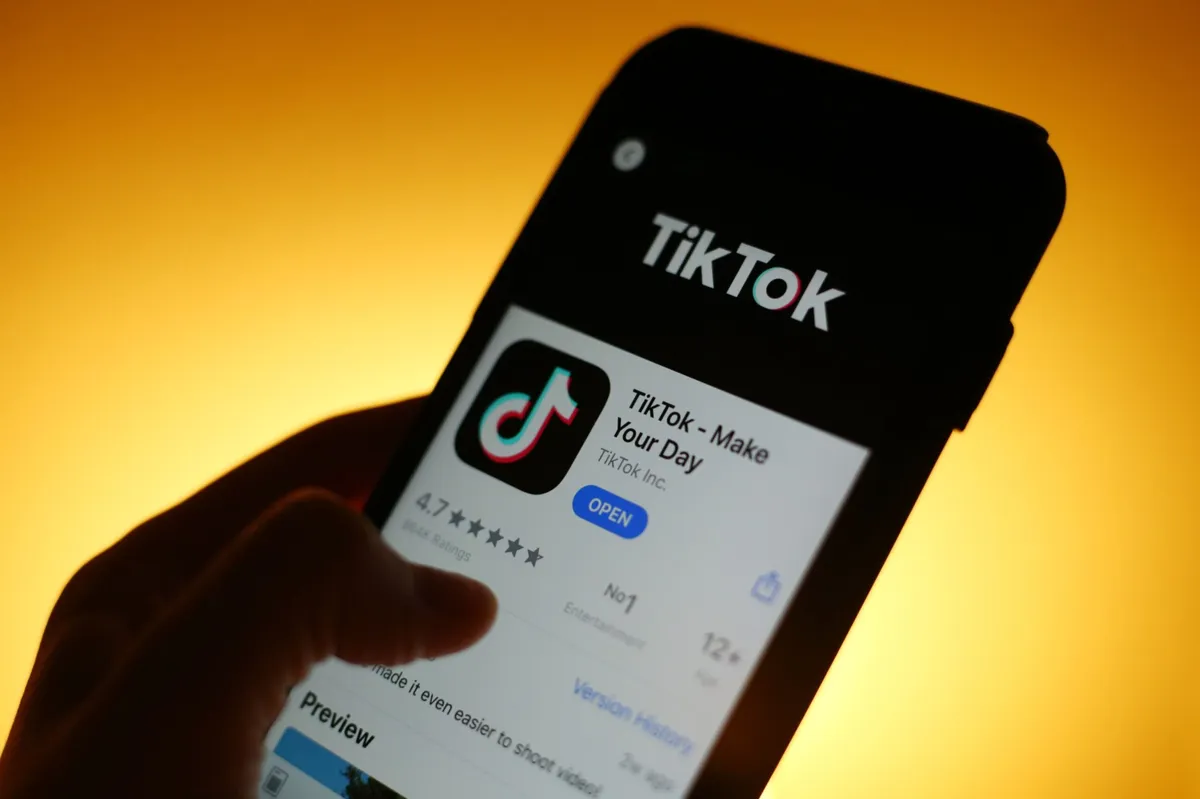
In a landmark move, TikTok, along with its parent company ByteDance, has agreed to a staggering $400 million settlement in a case concerning violations of children’s online privacy laws. The settlement, announced by the U.S. Justice Department on August 24, 2026, comes after the agency accused the popular short-video app of illegally collecting personal information from users under the age of 13 without obtaining parental consent. This case highlights the ongoing concerns surrounding digital privacy, particularly for the most vulnerable users—children.
The allegations stem from a 2024 lawsuit in which the Justice Department asserted that TikTok was aware of its significant underage user base yet failed to implement adequate measures to protect their data. This settlement is not just a financial repercussion for the company but also a critical step towards reinforcing the standards for online privacy protections for children.
Understanding the Legal Landscape
The legal framework surrounding children's online privacy is primarily governed by the Children’s Online Privacy Protection Act (COPPA), enacted in 1998. COPPA mandates that online services directed at children must obtain verifiable parental consent before collecting personal information from children under 13. The TikTok case underscores the vital importance of adhering to these regulations, which are designed to protect young users from potential exploitation.
The Justice Department’s Associate Attorney General, Stanley Woodward, emphasized that the government's priority is to ensure children are safeguarded online. He stated that companies must meet their legal obligations to protect the personal information of minors. The $400 million settlement serves as a stark reminder that non-compliance with these regulations can lead to substantial financial consequences.

The Financial Implications of the Settlement
As part of the settlement agreement, TikTok will pay $300 million immediately, followed by an additional $100 million contingent upon the vacating of a prior consent decree from the Federal Trade Commission (FTC) concerning TikTok's predecessor, Musical.ly. This earlier decree was a result of similar accusations regarding the mishandling of users' personal data, where TikTok had previously paid a fine of $5.7 million. The escalation to a $400 million settlement indicates the seriousness of the current allegations and the growing scrutiny on tech companies regarding data privacy.
For TikTok, this settlement represents not only a significant financial burden but also a pivotal point in its operational strategy. The company has faced increased pressure to demonstrate its commitment to user privacy and compliance with U.S. regulations. In light of this, TikTok has implemented numerous changes, including stricter age verification processes and enhanced privacy measures aimed at protecting young users.
Changes in TikTok's Operations and User Safety Measures
In response to these legal challenges, TikTok has made substantial changes to its operational framework. The company has introduced several key measures aimed at strengthening user safety, particularly for minors:
- Mandatory Age Verification: Users must now enter their date of birth to access the platform, a move designed to prevent underage users from misrepresenting their age.
- Enhanced Moderation Systems: TikTok has developed sophisticated age-moderation systems that utilize artificial intelligence to identify and restrict access for children under 13.
- Dedicated Underage Moderation Personnel: The company has trained hundreds of staff members specifically in underage moderation, significantly ramping up efforts to delete accounts of ineligible users.
These measures reflect TikTok's recognition of the legal and ethical responsibilities it holds in safeguarding the information of its younger audience. However, the efficacy of these systems will ultimately depend on their implementation and the ongoing commitment of the platform to prioritize user safety.

The Broader Context of Online Privacy Regulations
The TikTok settlement is part of a broader trend where regulatory bodies are tightening the reins on technology companies in response to growing concerns about online privacy and data security. As digital platforms become increasingly integrated into daily life, the potential for misuse of personal data continues to rise.
In addition to COPPA, many states have begun to introduce their own privacy regulations, leading to a patchwork of laws that companies must navigate. For instance, California's Consumer Privacy Act (CCPA) gives consumers greater control over their personal information, including the right to know what data is being collected and the ability to opt out of its sale.
The implications for companies like TikTok are significant; they must not only comply with federal laws like COPPA but also adapt to the evolving landscape of state-level regulations. This complexity necessitates a robust compliance framework and ongoing adjustments to operational practices.

What This Means for Parents and Young Users
The agreement has notable implications for parents, guardians, and young users. For families who utilize TikTok, this settlement serves as a critical reminder of the importance of understanding the privacy policies of social media platforms. Parents must remain vigilant about the online interactions of their children and be proactive in discussing safe internet practices.
Here are some steps parents can take to ensure their children’s safety while using platforms like TikTok:
- Educate Children: Teach children about the importance of privacy and the potential risks of sharing personal information online.
- Utilize Privacy Settings: Familiarize yourself with the privacy settings offered by TikTok and other apps, adjusting them to limit information sharing.
- Monitor Usage: Regularly check your child’s activity on social media platforms to ensure they are engaging safely.
Ultimately, while the settlement indicates progress in protecting children’s online privacy, it also emphasizes the need for ongoing vigilance from parents and guardians.
Key Takeaways
- TikTok's $400 million settlement highlights serious concerns about children's online privacy.
- Compliance with COPPA is crucial for companies targeting children under 13.
- Parents should actively monitor their children's online activity and educate them about privacy.
- The evolving landscape of digital privacy regulations necessitates robust compliance from tech companies.
- Ongoing reforms at TikTok aim to enhance user safety and prevent underage access.
Frequently Asked Questions
What prompted the lawsuit against TikTok?
The lawsuit against TikTok was initiated by the U.S. Justice Department in 2024, alleging that the company failed to protect the privacy of children using the app. Specifically, TikTok was accused of collecting personal information from users under 13 without obtaining the required parental consent, violating COPPA regulations.
How will the settlement funds be used?
The $400 million settlement will primarily serve as a form of restitution for the violations alleged in the lawsuit. While the specific allocation of these funds has not been detailed, such settlements often contribute to consumer protection initiatives and enforcement actions aimed at improving compliance with privacy regulations.
What steps has TikTok taken to enhance user safety since the lawsuit?
In the wake of the lawsuit, TikTok has implemented several measures to enhance user safety, including mandatory age verification, advanced age-moderation systems, and increased staffing for underage moderation. These efforts aim to ensure that children under 13 cannot access the platform and that their personal information is adequately protected.
What should parents do to protect their children online?
Parents should educate their children about the importance of online privacy and the risks associated with sharing personal information. Additionally, they should familiarize themselves with privacy settings on social media platforms, monitor their child’s online activity, and engage in discussions about safe internet practices to foster a safer online environment.
Comments
Teen Drops High-Profile Lawsuit Against Social Media Giants
A 15-year-old girl's lawsuit against Meta, Google, and Snap aimed at holding them accountable for social media addiction has been dropped, raising questions about accountability in social media practices.

Related articles
Popular in Guides
- Texas Hill Country Floods: Lessons Learned and Warning Systems Tested
- El Niño: The Strongest Weather Phenomenon in Decades
- Meta's Controversial AI 'Nudify' Ads: A Deep Dive into the Scandal
- July 2026: The Hottest Month in U.S. History and Its Implications
- Record-Breaking Heat: The Impact of July 2026 on Climate and Insurance