Amazon's New Email Format Raises Phishing Concerns: What You Need to Know
Amazon's recent changes to its order confirmation emails have left customers confused and raised concerns about increased phishing risks. Learn how this affects your online shopping safety.
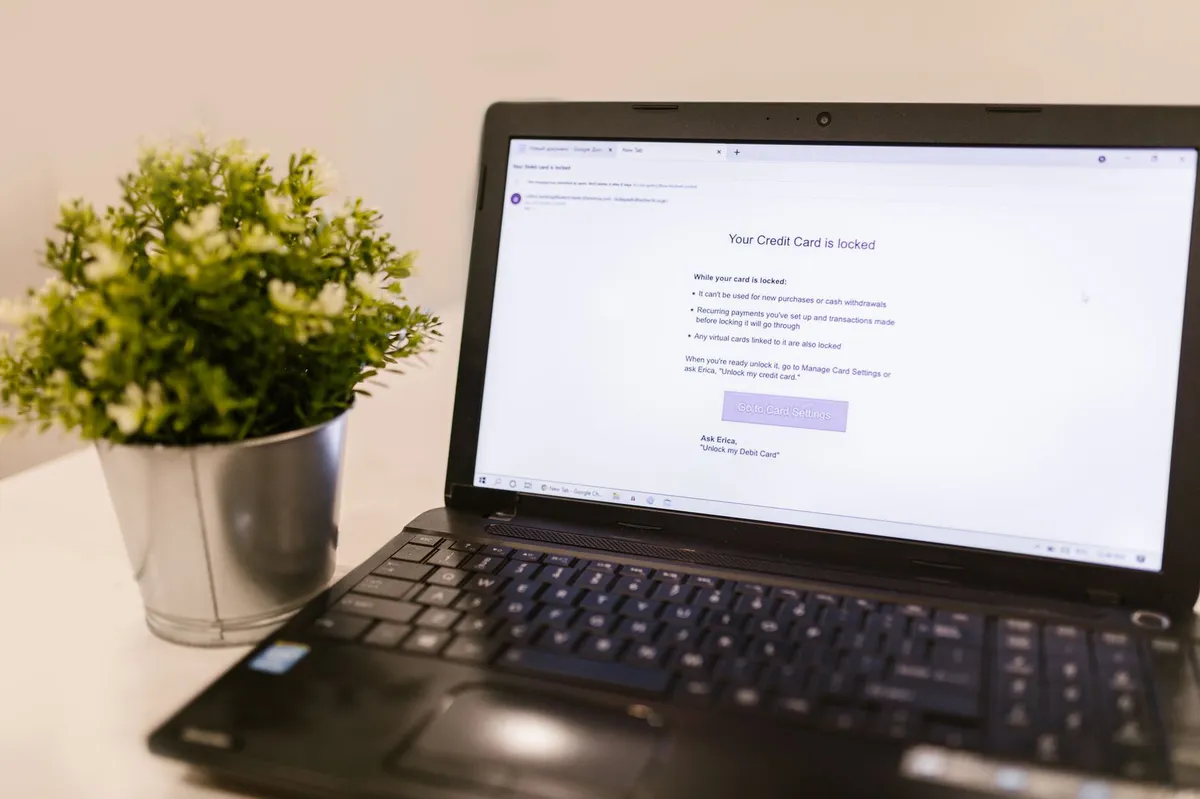
In an age where online shopping dominates consumer behavior, security is a paramount concern. Amazon, one of the largest e-commerce platforms globally, has recently altered its order confirmation emails, leading to confusion among customers and raising alarms about increased phishing risks. The new format, which replaces specific product information with vague descriptions such as "Household item" and "Essentials item," has left many wondering whether their purchases are secure or if they are falling prey to sophisticated scams.
Dan Landau, a marketing executive who recently ordered a portable photo printer, expressed his concern upon receiving an email that inaccurately described his order as "luggage." This lack of clarity has not only frustrated customers but also caught the attention of cybersecurity experts who warn that these changes could inadvertently facilitate phishing attacks. As phishing scams continue to evolve, understanding the implications of Amazon's email changes is essential for consumers aiming to protect their personal and financial information.
Understanding the New Email Format
Amazon's decision to simplify its order confirmation emails was purportedly made to enhance customer privacy and reduce the amount of information shared outside its platform. However, many customers have found this approach counterproductive. The emails now lack the specificity that enables consumers to quickly identify what they have purchased, potentially leading to greater anxiety over the authenticity of the correspondence.
Arun Vishwanath, founder of the Cyber Hygiene Academy, emphasizes that the new email format compromises user security by asking customers to sacrifice clarity for privacy. This could lead to an increase in impersonation scams, as the vague descriptions may prompt users to click on links without proper verification. With phishing scams often appearing similar to legitimate emails, the risk of falling victim to a scam is heightened.
Phishing Attacks: The Growing Threat
Phishing attacks are a form of cybercrime in which attackers impersonate legitimate entities to deceive individuals into providing sensitive information such as login credentials or financial details. According to the Federal Trade Commission (FTC), Americans lost a staggering $3.5 billion to imposter scams last year, with Amazon being the second most impersonated company, following closely behind Best Buy/Geek Squad.
The mechanics of phishing attacks are often straightforward: scammers send emails that mimic legitimate communications, hoping recipients will click on malicious links or provide personal information. Vishwanath warns that Amazon's new confirmation emails could facilitate this by creating an environment where users may overlook critical verification steps, thereby increasing their vulnerability.
What Consumers Should Do
To navigate the potential risks posed by Amazon's new email format, consumers should adopt a proactive approach to online security. Here are several best practices to enhance your protection against phishing attacks:
- Verify Email Authenticity: Always check the sender's email address. Phishing emails often come from addresses that look similar but have slight variations.
- Avoid Clicking Links: Instead of clicking on links in emails, navigate directly to the Amazon website or app to check your order status.
- Use Two-Factor Authentication: Enable two-factor authentication (2FA) on your Amazon account. This adds an extra layer of security by requiring a second form of verification.
- Stay Informed: Keep up to date with the latest phishing techniques and scams. Awareness is your best defense.

The Role of Technology in Phishing Prevention
As phishing scams become increasingly sophisticated, technological advancements are being leveraged to combat these threats. Companies like Knowbe4 offer training programs aimed at educating users about recognizing phishing attempts. They emphasize the importance of cautious behavior when interacting with emails, especially those that appear to be from reputable sources.
Moreover, artificial intelligence (AI) is playing a pivotal role in identifying and mitigating phishing threats. Security companies like Abnormal AI are investing in AI-driven solutions that can analyze patterns of behavior to detect fraudulent activities before they escalate. While conclusive data regarding the impact of Amazon's email changes on phishing incidents is still emerging, experts agree that the new format could potentially lower consumer vigilance.

Amazon's Response and Future Implications
Despite concerns raised by cybersecurity experts and consumers, Amazon has defended its decision to alter the email format. The company claims that its emails are designed to be easily identifiable, featuring the familiar Amazon logo, and encourages customers to use their app or website for verification. However, critics argue that the vagueness of the information provided could inadvertently make it easier for scammers to exploit unsuspecting customers.
Looking ahead, consumers must remain vigilant as scammers adapt to changes in corporate communication strategies. With the rapid evolution of digital shopping, it is crucial for both companies and consumers to work together to establish safer online environments. This includes not only implementing robust security measures but also fostering a culture of awareness and education around potential threats.
Key Takeaways
- Amazon's new order confirmation emails have raised concerns about increased phishing risks.
- The vague language used in the emails may confuse consumers and make them more susceptible to scams.
- Consumers should verify email authenticity, avoid clicking links, and enable two-factor authentication for added security.
- Technological advancements, such as AI, are being utilized to combat phishing threats and educate users.
- Ongoing awareness and education are essential for maintaining online security in an evolving digital landscape.
Frequently Asked Questions
What is phishing and how does it work?
Phishing is a cybercrime where attackers impersonate legitimate organizations to trick individuals into revealing sensitive information, such as passwords and credit card numbers. This is typically done through emails that appear authentic, containing links to fake websites designed to capture user data. Scammers may use urgency or fear tactics to prompt quick action without proper scrutiny.
How can I identify a phishing email?
Common signs of phishing emails include misspellings, generic greetings, and suspicious links. Always check the sender's email address for discrepancies. Legitimate organizations rarely ask for sensitive information via email. If in doubt, contact the organization directly through official channels to verify any requests.
What should I do if I suspect I've fallen victim to a phishing scam?
If you suspect you've been targeted by a phishing scam, immediately change your passwords for affected accounts and enable two-factor authentication. Monitor your financial accounts for unauthorized transactions and report any suspicious activity to your bank. Additionally, report the phishing attempt to the company being impersonated and to local authorities if necessary.
Are there any tools available to help prevent phishing attacks?
Yes, there are various tools and software designed to help prevent phishing attacks. Many email providers offer built-in spam filters that can identify suspicious emails. Additionally, security software companies provide comprehensive solutions that include phishing protection, web filtering, and user education resources to help individuals recognize and avoid potential threats.
Comments
Record Ocean Temperatures: The Impact of Super El Niño and Climate Change
Scientists have reported the highest ocean temperatures ever recorded, driven by a potent Super El Niño and ongoing climate change. This unprecedented rise in sea-surface temperatures poses significant risks to marine ecosystems and coastal communities.

Related articles
Popular in Guides
- Texas Hill Country Floods: Lessons Learned and Warning Systems Tested
- El Niño: The Strongest Weather Phenomenon in Decades
- Meta's Controversial AI 'Nudify' Ads: A Deep Dive into the Scandal
- July 2026: The Hottest Month in U.S. History and Its Implications
- Record-Breaking Heat: The Impact of July 2026 on Climate and Insurance