Facing the Inevitable: The Rising Threat of Climate Catastrophes
The world is increasingly vulnerable to catastrophic climate events, driven by human-induced climate change. With extreme weather becoming the norm, understanding the urgency of climate action has never been more critical.
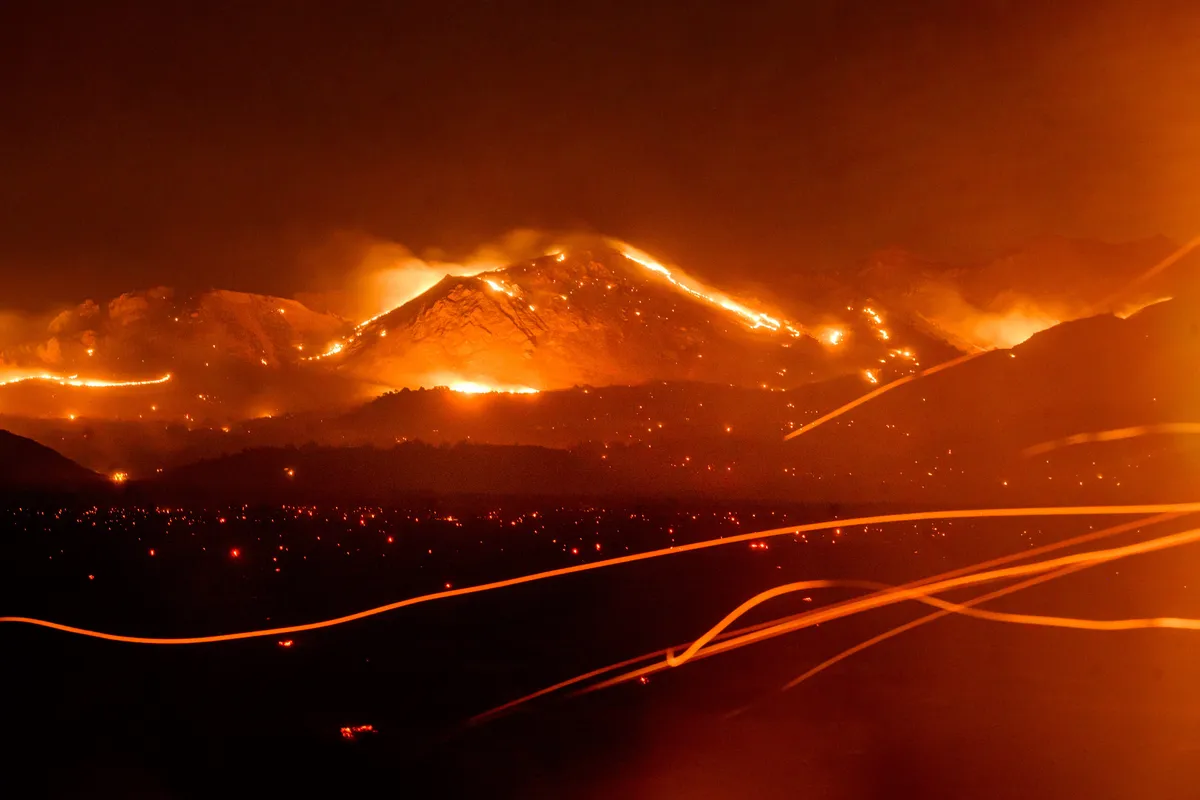
As global temperatures continue to rise and extreme weather events become more frequent and severe, the specter of climate catastrophe looms large over humanity. Imagining a future ravaged by climate change brings to mind dystopian narratives like Kim Stanley Robinson's novel, "The Ministry for the Future," where a devastating heat wave in India results in the heart-wrenching loss of 20 million lives. This fictional scenario, once relegated to the realm of speculative fiction, is increasingly recognized as a plausible outcome if the current trajectory of climate change is not altered. With scientists warning of an 'extreme of extremes', the message is clear: more intense weather events are not just possible—they are inevitable.
The implications of these extreme weather events are profound, affecting every aspect of life from agriculture to infrastructure, health to economics. As nations grapple with the reality of climate change, understanding the mechanisms behind these changes and their potential impacts is crucial for citizens and policymakers alike.
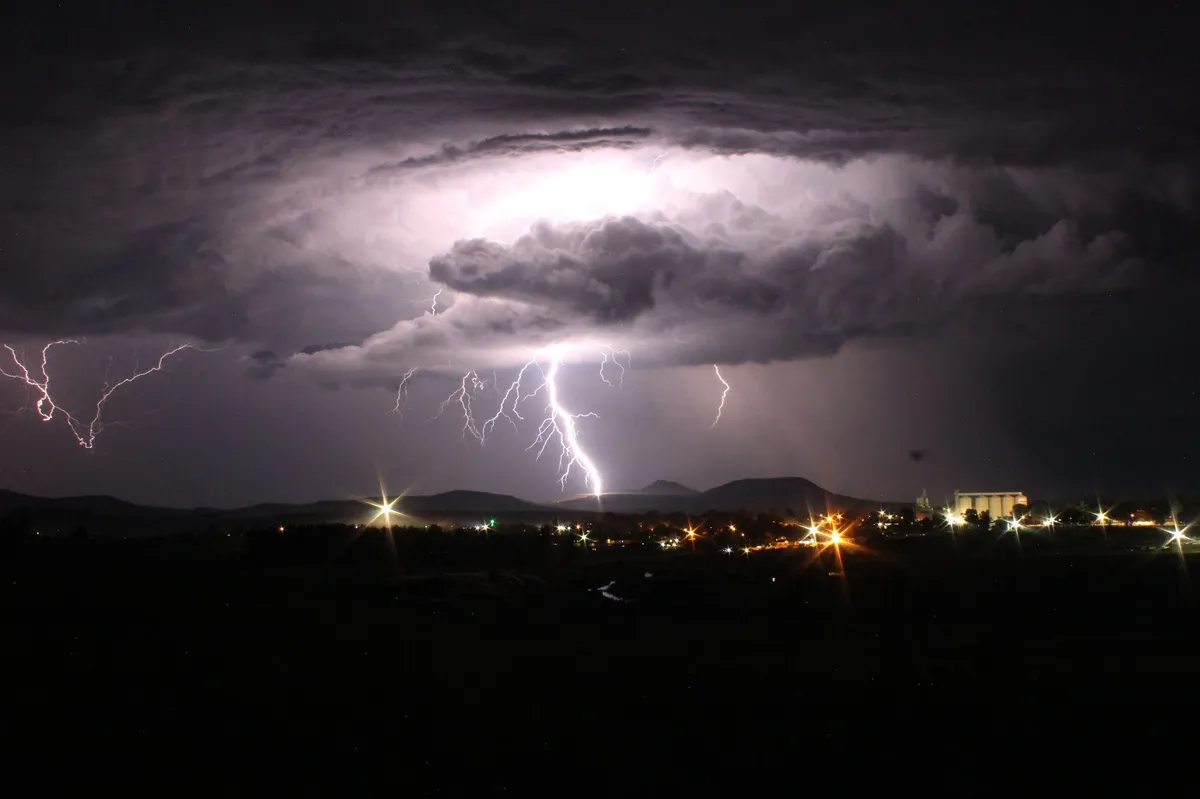
The Science of Climate Change: A Brief Overview
Climate change is primarily driven by the accumulation of greenhouse gases (GHGs) in the atmosphere, which trap heat and lead to global warming. The historical context of this phenomenon stretches back over 150 years, beginning with the pioneering work of Eunice Newton Foote in the 1850s, who demonstrated that carbon dioxide traps heat in the atmosphere. Today, we find ourselves in a dangerous situation where the global average temperature has increased by 1.44 degrees Celsius (2.59 degrees Fahrenheit) since the early 1800s.
This seemingly small increase in temperature has far-reaching consequences. It leads to the intensification of extreme weather patterns, including:
- Heatwaves: More frequent and severe, impacting health and agriculture.
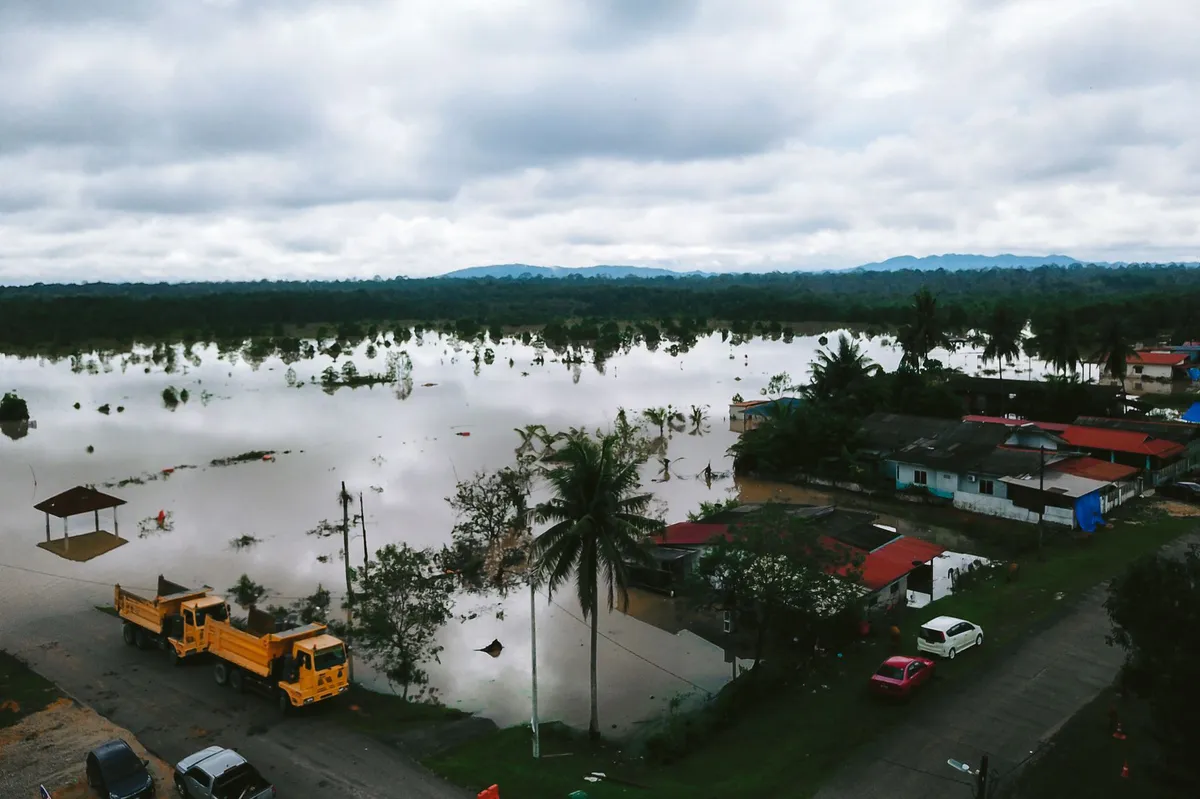
- Floods: Increased rainfall and rising sea levels contribute to devastating floods.
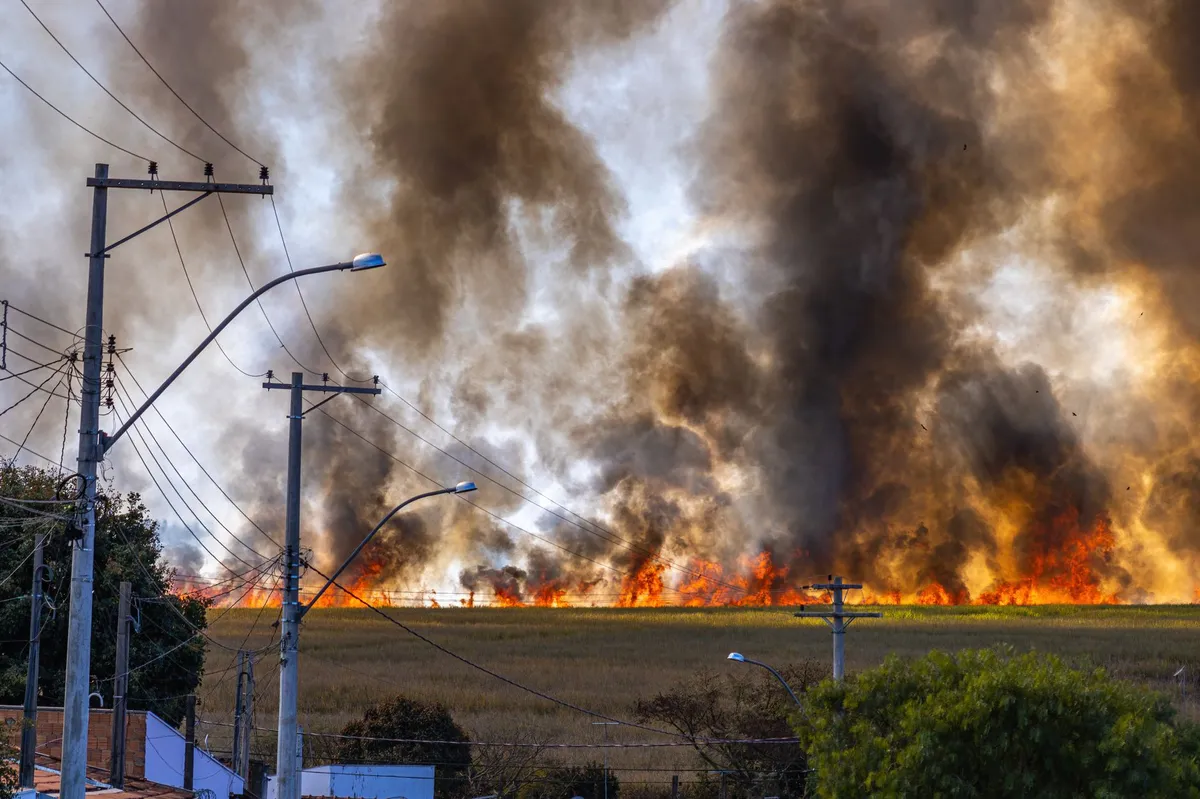
- Wildfires: Prolonged droughts create conditions ripe for wildfires, as seen in Australia.
- Storms: Intense hurricanes and typhoons wreak havoc on coastal regions.

Recent Extreme Events: A Harbinger of the Future
Recent examples of extreme weather events provide a foreboding glimpse into the future. Australia's "Black Summer" of 2019-2020 saw wildfires scorch 19 million hectares (over 46 million acres), while Pakistan's 2022 flooding submerged a third of the country. The United States has also felt the brunt of climate change with hurricanes like Milton and Helene causing widespread destruction.
These events are not isolated incidents but rather signals of a larger shift in our climate system. Sarah Perkins-Kirkpatrick, a climate scientist, emphasizes that even significant reductions in greenhouse gas emissions may not halt extreme weather events due to the long-lasting effects of carbon dioxide in the atmosphere. The analogy of the frog in boiling water aptly describes our gradual desensitization to these increasingly severe events.
Psychological Barriers to Action
Despite the mounting evidence, many individuals and governments exhibit a reluctance to confront the realities of climate change. This psychological barrier often stems from the discomfort associated with discussing potentially catastrophic outcomes. Rather than taking decisive action to mitigate the effects of climate change, there is a tendency to ignore the issue altogether.
Experts like Sonia Seneviratne highlight the importance of acknowledging the risks associated with climate change, comparing it to the increased risk of lung cancer among smokers. Just as doctors warn patients about the dangers of smoking, climate scientists continuously relay the risks associated with rising temperatures and greenhouse gas emissions.
Moreover, the media often perpetuates this cycle of denial through sensationalist portrayals of climate disasters that either depict a bleak, hopeless future or suggest that technology will save us at the last minute. These portrayals can lead to complacency rather than action, as seen in films like "The Day After Tomorrow" and "Don't Look Up," which offer exaggerated narratives that distract from the pressing need for real-world solutions.
Preparedness: Learning from Past Disasters
While the threat of climate change is daunting, there are lessons to be learned from how societies prepare for other natural disasters, such as earthquakes. Lucy Jones, a seismologist, has worked extensively with California cities to develop preparedness initiatives that could serve as models for addressing climate risks. Her efforts underscore the importance of proactive measures, public awareness, and community engagement in disaster preparedness.
When individuals and communities recognize the reality of climate risks and understand that solutions exist, they are more likely to take action. Jones argues that addressing climate denial is essential for fostering a climate-conscious society. Public education campaigns focusing on the tangible impacts of climate change can help bridge the gap between awareness and action.
Key Takeaways
- Climate change is real and increasingly severe, with extreme weather events becoming more frequent.
- Psychological barriers hinder action; denial and complacency must be addressed.
- Lessons from other disaster preparedness can inform responses to climate risks.
- Public awareness and education are vital to fostering a proactive approach to climate action.
Frequently Asked Questions
What are the primary causes of climate change?
The primary causes of climate change are human activities that increase the concentration of greenhouse gases in the atmosphere. This includes the burning of fossil fuels (coal, oil, and natural gas) for energy, deforestation, and industrial processes. These activities release carbon dioxide, methane, and other gases that trap heat, leading to global warming.
How do extreme weather events relate to climate change?
Extreme weather events, such as hurricanes, floods, and wildfires, are becoming more frequent and intense due to climate change. As the planet warms, it alters weather patterns and increases the likelihood of severe events. For instance, warmer temperatures can lead to increased evaporation and heavier rainfall, resulting in flooding.
What can individuals do to combat climate change?
Individuals can take several actions to combat climate change, including reducing energy consumption, using public transportation, supporting renewable energy initiatives, and advocating for policy changes that address climate risks. Additionally, individuals can educate themselves and others about climate issues to foster a collective response to this global challenge.
What are some effective strategies for climate disaster preparedness?
Effective strategies for climate disaster preparedness include developing emergency response plans, investing in resilient infrastructure, and fostering community engagement through education and training programs. Governments and organizations can work together to create initiatives that raise awareness about climate risks and promote proactive measures to mitigate their impacts.
Comments
Popular in Guides
- El Niño: The Strongest Weather Phenomenon in Decades
- Texas Hill Country Floods: Lessons Learned and Warning Systems Tested
- Meta's Controversial AI 'Nudify' Ads: A Deep Dive into the Scandal
- July 2026: The Hottest Month in U.S. History and Its Implications
- Record-Breaking Heat: The Impact of July 2026 on Climate and Insurance