Florida's Bold Move: Banning Surveillance Cameras on State Roads
In a significant shift towards privacy concerns, Florida has banned license plate readers and surveillance cameras on state roads. This decision raises questions about public safety and the balance between security and civil liberties.
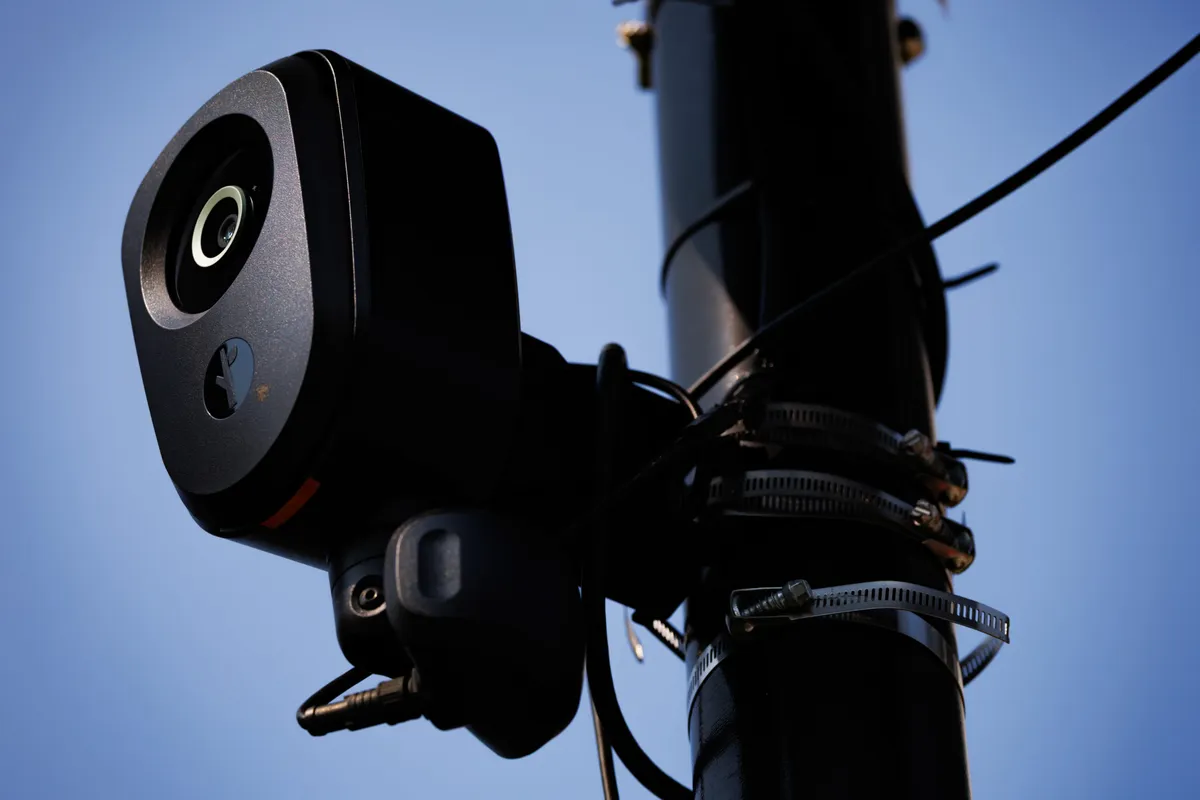
In a landmark decision reflecting growing concerns over privacy, Florida has taken the bold step of banning local police from installing license plate readers and surveillance cameras on state roads. This move comes in the wake of an exponential increase in the use of such devices, which critics argue leads to intrusive surveillance and data privacy violations. The Florida Department of Transportation (FDOT) issued a memo mandating the immediate removal of existing systems, giving agencies just 30 days to comply. This decision is poised to reshape the landscape of law enforcement technology in the state and trigger a broader debate across the nation about the balance between security and civil liberties.
Governor Ron DeSantis has voiced strong opposition to what he describes as an encroaching “digital prison,” urging legislative action to limit the reach of surveillance technologies like those produced by Flock Safety, a notable player in the industry. As the conversation around digital surveillance heats up, Florida is not alone; many states and municipalities are grappling with how to regulate these technologies amidst rising concerns over misuse and civil rights infringements.
The Rise of Surveillance Technology
License plate readers (LPRs) and surveillance cameras have proliferated across urban landscapes in the U.S. in recent years, touted by law enforcement as essential tools for crime prevention and investigation. These devices are capable of automatically capturing and reading license plate numbers, enabling police to track vehicles over long distances and across jurisdictions. Proponents argue that LPRs can significantly aid in locating stolen vehicles, apprehending fugitives, and enhancing overall public safety.
However, as their presence has increased, so too have concerns about privacy and the potential for abuse. Reports of misuse, data breaches, and the risk of creating a surveillance state have prompted many to question whether the benefits outweigh the risks. In Florida, this debate has come to a head with the recent ban.

Public Safety vs. Privacy: The Florida Debate
The FDOT's decision to revoke permits for LPRs on state roads has sparked a heated debate among officials, law enforcement, and the public. Miami Beach Mayor Steven Meiner criticized the decision, arguing that LPRs have been instrumental in tracking down fleeing suspects and reducing crime. He stated, "This is a hit to public safety," emphasizing the role these technologies play in effective law enforcement.
Similarly, Miami-Dade County Sheriff Rosie Cordero-Stutz defended the use of LPRs, highlighting their effectiveness in apprehending serious criminals and locating missing persons. She argued that public safety and constitutional rights can coexist, suggesting that proper oversight and regulations could mitigate privacy concerns without sacrificing security.
Community Perspectives
The divide in opinion reflects broader societal tensions regarding surveillance. Many community members express concerns about being constantly monitored, fearing a loss of anonymity and civil liberties. Others, however, prioritize safety and support the use of technology to aid law enforcement. As this debate unfolds, it raises critical questions about how communities define safety and privacy in the digital age.
Political Ramifications and National Trends
The implications of Florida's ban extend beyond state lines. It has become a focal point in the political landscape, influencing campaigns and discussions around public safety, technology regulation, and civil liberties. Republican gubernatorial candidate Byron Donalds has publicly supported the ban, aligning himself with DeSantis's stance against surveillance technologies. In contrast, his Democratic opponent, David Jolly, is calling for legislative action to create a framework for regulating LPRs, stressing the need for a balanced approach.
This push for regulation is not unique to Florida. Across the country, various states and municipalities are reevaluating their use of surveillance technology. In Arizona, for instance, the Democratic attorney general has announced a review of Flock's cameras, while Texas Governor Greg Abbott has restricted state agencies from funding similar technologies. These actions signify a growing trend among lawmakers to reexamine the impact of surveillance on civil liberties and public safety.

The Future of Surveillance Technology
As technology continues to advance, the future of surveillance devices like LPRs remains uncertain. Companies like Flock Safety have attempted to address concerns by implementing stricter data-sharing policies and limits on data storage. They claim their systems have been pivotal in over a million police cases in 2025 alone. Flock’s CEO, Garrett Langley, insists that their technology is not designed to infringe on privacy but to enhance public safety.
The challenge moving forward will be finding a balance that satisfies both law enforcement needs and the public's right to privacy. This could involve the establishment of clear guidelines and oversight mechanisms that ensure accountability and transparency in how surveillance data is collected, stored, and used.
Key Takeaways
- Florida's Ban: The state has banned license plate readers and surveillance cameras on state roads, citing privacy concerns.
- Public Safety vs. Privacy: The decision has sparked debate on the balance between effective law enforcement and civil liberties.
- Political Landscape: The ban is influencing political campaigns and discussions around technology regulation across the U.S.
- Future Outlook: The future of surveillance technology remains uncertain as states reconsider their regulations and oversight.
Frequently Asked Questions
What are license plate readers and how do they work?
License plate readers (LPRs) are specialized cameras that automatically capture and read license plate numbers as vehicles pass by. They utilize optical character recognition technology to convert images of license plates into text data, which can then be stored and analyzed by law enforcement agencies for various purposes, including tracking stolen vehicles and criminal investigations.
Why did Florida decide to ban these technologies now?
The decision to ban license plate readers in Florida comes amid rising concerns about privacy and the potential misuse of surveillance technology. With reports of misuse and a growing sentiment that such devices contribute to a surveillance state, the Florida Department of Transportation deemed it necessary to take immediate action to protect the rights and privacy of its citizens.
How might this affect law enforcement and crime rates in Florida?
The ban on LPRs could lead to challenges for law enforcement in tracking down suspects and solving crimes, particularly in cases involving stolen vehicles or serious crimes. However, it may also drive police agencies to seek alternative methods or technologies that balance surveillance needs with privacy concerns. The overall impact on crime rates will depend on how effectively law enforcement adapts to these changes.
What role do citizens play in shaping surveillance policies?
Citizens have a crucial role in shaping surveillance policies by voicing their opinions, advocating for privacy rights, and engaging with local and state representatives. Public sentiment can influence legislative action, leading to the establishment of laws and regulations that govern the use of surveillance technology, ensuring that the balance between safety and privacy is maintained.
Comments
Understanding FOBO: The Growing Fear of Professional Obsolescence
As the workplace rapidly evolves, a growing number of workers are grappling with the fear of becoming obsolete. This phenomenon, termed FOBO, highlights the urgent need for upskilling and employer investment in training.

Related articles

Popular in Guides
- Texas Hill Country Floods: Lessons Learned and Warning Systems Tested
- El Niño: The Strongest Weather Phenomenon in Decades
- Meta's Controversial AI 'Nudify' Ads: A Deep Dive into the Scandal
- July 2026: The Hottest Month in U.S. History and Its Implications
- Record-Breaking Heat: The Impact of July 2026 on Climate and Insurance