EPA Proposal Could Limit Public Engagement on Data Center Permits
A recent proposal from the EPA may reduce public oversight of data center projects, raising concerns among communities about environmental impacts and transparency. Critics argue this move could lead to unchecked industrial growth without adequate public input.
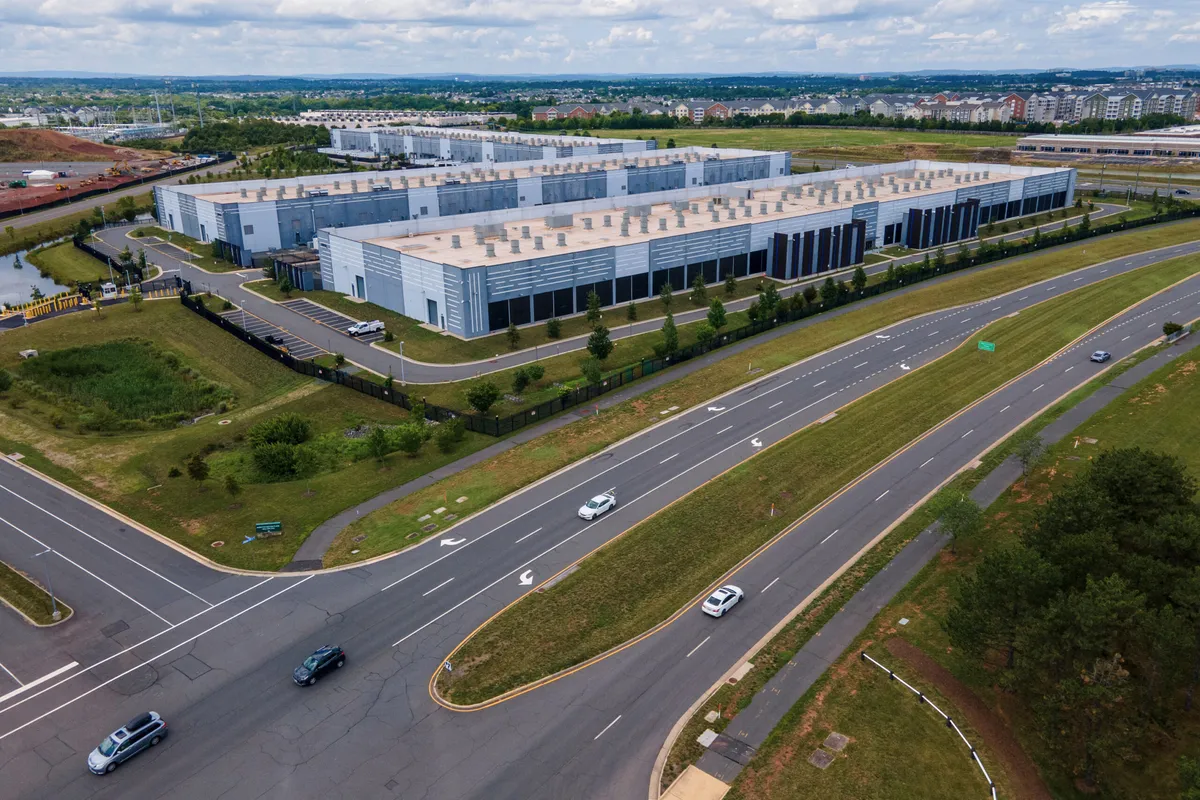
The landscape of environmental regulation in the United States is shifting, and a recent proposal from the Environmental Protection Agency (EPA) has ignited a firestorm of debate. The plan, which aims to eliminate the requirement for states to notify the public before issuing air pollution permits for data centers and other industrial facilities, raises significant concerns about transparency and community engagement. As tech giants build an increasing number of massive server warehouses—critical for fueling the burgeoning fields of artificial intelligence (AI) and cloud computing—community voices may be stifled, leading to potential environmental consequences.
The EPA's proposal has been met with fierce criticism from environmental advocates, community leaders, and concerned citizens alike. Many argue that the absence of federal mandates for public comment could create an uneven playing field where communities in different states may remain unaware of impending data center developments that could drastically affect their environment and quality of life.
Understanding the Proposal: A Shift in Regulatory Authority
Under the current regulatory framework, states are required to notify the public and seek comments before issuing permits for facilities that emit air pollutants. This federal requirement acts as a crucial safeguard, ensuring that local residents have a say in projects that may affect their health and environment. However, the new EPA proposal would allow states to determine their own processes for public notification, effectively removing the federal mandate.
While states can still choose to provide opportunities for public input, the lack of a federal requirement means that states with minimal or no existing public comment procedures could expedite permits for data centers, power plants, and other pollution sources without any local oversight. This change is particularly concerning for communities that rely on federal standards to ensure their voices are heard.

Potential Impacts on Communities
The ramifications of this proposal extend beyond regulatory red tape. As data centers proliferate, often in regions already burdened by industrial pollution, the potential for adverse environmental impacts increases. Concerns about air and water quality, noise pollution, and the overall ecological footprint of these facilities are amplified in communities already facing environmental justice challenges.
Critics, including former EPA officials and environmental advocates, warn that the proposal undermines the agency’s long-standing commitment to transparency. Mike Koerber, a former deputy director of the EPA’s air quality office, stated that eliminating the requirement for public notice could leave many communities in the dark about new emissions sources in their backyards. This lack of awareness can prevent residents from voicing their concerns or participating in the decision-making process.
The Broader Context: Data Centers and Environmental Concerns
Data centers are not just technological hubs; they are also significant sources of air pollution. According to environmental studies, these facilities often emit nitrogen oxides, carbon monoxide, and other harmful pollutants. With the increasing reliance on AI and cloud computing, the demand for data centers is surging, raising questions about their environmental footprint.
In recent polls, approximately 40% of U.S. adults express serious concerns about the environmental impacts of AI. Many believe that, over the next decade, artificial intelligence will do more harm than good to the environment and the economy. As communities face the prospect of new data centers, concerns extend beyond air quality to include excessive water use and noise pollution, which can disrupt local ecosystems and quality of life.

Community Voices and Advocacy Efforts
Organizations like the Southern Environmental Law Center and the Center for Biological Diversity are rallying against the EPA’s proposed changes, emphasizing the need for public participation in environmental decision-making. They argue that without federal oversight, many states will prioritize economic development over environmental protection, potentially sacrificing community health for the sake of industrial growth.
Keri Powell, a senior attorney for the Southern Environmental Law Center, emphasized that “communities deserve a chance to weigh in before potentially harmful projects are approved.” This sentiment resonates with many residents who feel that their health and environment should not be compromised without their input.
Political Ramifications: A Divisive Issue
The proposal has also elicited responses from various political factions. While President Donald Trump has positioned himself as a proponent of data centers, arguing that they are essential for the U.S. to maintain its competitive edge in AI against nations like China, many politicians from both parties are expressing concerns about the environmental ramifications of such facilities.
Trump’s administration has framed the EPA proposal as a means to cut “unnecessary and burdensome red tape,” with the aim of empowering states to take the lead in regulatory processes. However, critics contend that this approach could exacerbate existing disparities in environmental protections across the country, particularly in regions where states are less stringent about public engagement.

Future Implications: What’s Next for Public Engagement?
The EPA is expected to finalize the rule in the coming year, and the implications for local communities could be profound. As it stands, many states, especially in the South and Midwest, have minimal requirements for public notification regarding industrial projects. The potential for unchecked development raises significant questions about environmental justice, community health, and the role of public input in regulatory processes.
As the debate continues, it is crucial for residents to stay informed and engaged. Advocacy groups are mobilizing to ensure that community voices are heard and that local concerns are considered in the decision-making process. Residents are encouraged to participate in local meetings, engage with elected officials, and advocate for transparency in environmental regulation.
Key Takeaways
- The EPA's proposal could eliminate mandatory public notifications for air pollution permits, potentially reducing community input on data centers.
- Data centers are significant sources of air pollutants, raising concerns about their environmental impact on local communities.
- Advocacy groups are mobilizing to oppose the proposal, emphasizing the need for public engagement in environmental decisions.
- Political support for data centers is mixed, with some leaders advocating for economic growth while others raise environmental concerns.
- Residents are encouraged to stay informed and participate in local discussions about proposed industrial developments.
Frequently Asked Questions
What is the EPA's proposal about?
The EPA's recent proposal aims to eliminate the federal requirement for states to notify the public and seek comments before issuing air pollution permits for data centers and other industrial facilities. This change would allow states to set their own public engagement processes, potentially leading to less transparency and oversight in environmental decision-making.
How might this proposal affect local communities?
If finalized, the proposal could result in communities being unaware of new data centers and their associated emissions. Without mandatory public comment periods, residents may lose the opportunity to voice their concerns about projects that could negatively impact their health and environment, leading to a lack of community involvement in important regulatory processes.
What are the environmental concerns associated with data centers?
Data centers are known to emit various air pollutants, including nitrogen oxides and carbon monoxide, which can contribute to poor air quality and health issues for nearby residents. Additionally, concerns have been raised about their excessive water usage and noise pollution, which can disrupt local ecosystems and affect the quality of life for those living nearby.
How can residents stay engaged in this issue?
To stay informed and engaged, residents should participate in local meetings, connect with advocacy groups, and communicate with elected officials about their concerns regarding proposed data centers. Being proactive in local environmental discussions can help ensure that community voices are heard and considered in regulatory decisions that impact their health and environment.
Comments
Popular in Guides
- Texas Hill Country Floods: Lessons Learned and Warning Systems Tested
- El Niño: The Strongest Weather Phenomenon in Decades
- Meta's Controversial AI 'Nudify' Ads: A Deep Dive into the Scandal
- July 2026: The Hottest Month in U.S. History and Its Implications
- Record-Breaking Heat: The Impact of July 2026 on Climate and Insurance