The Stalled Survey on PFAS in Wastewater: Implications for Public Health and Regulation
A critical EPA survey on PFAS in wastewater, vital for identifying harmful industrial discharges, faces delays, raising concerns about public health and regulatory oversight.
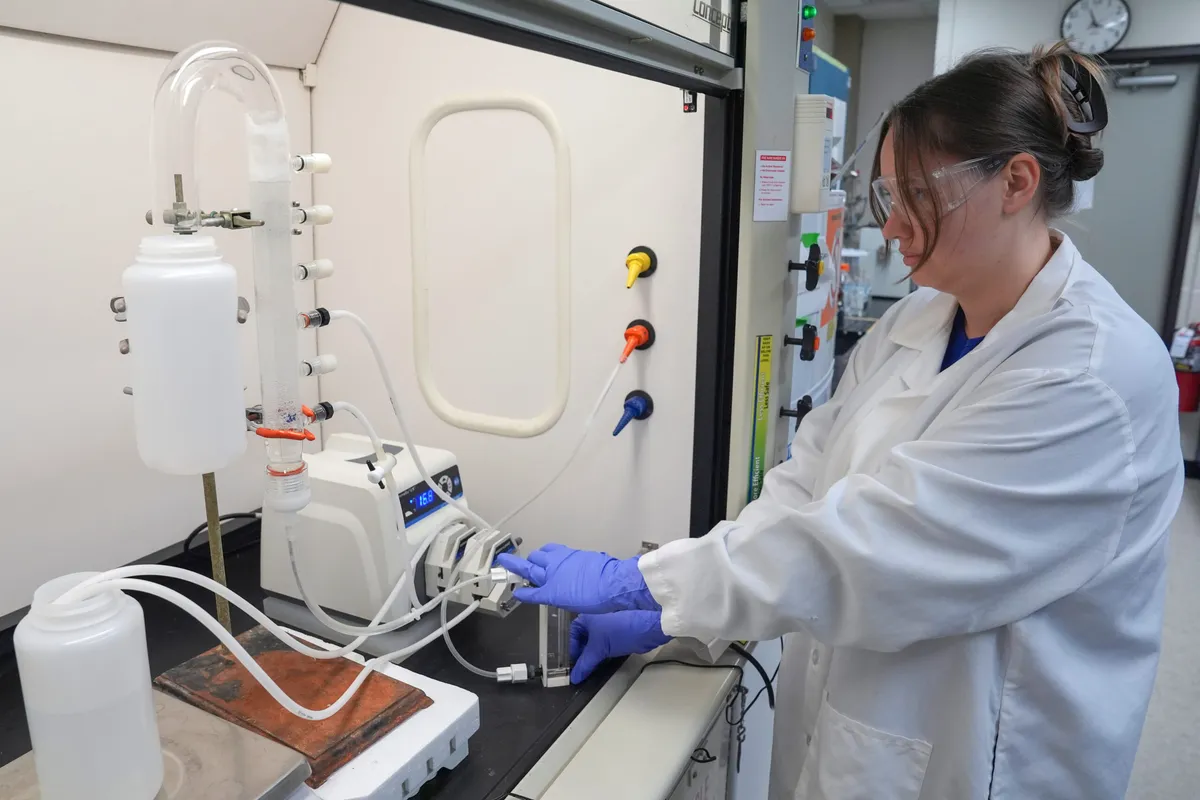
The issue of per- and polyfluoroalkyl substances (PFAS), often referred to as 'forever chemicals' due to their persistence in the environment and human body, has garnered significant attention from health experts, environmental activists, and regulatory bodies alike. These synthetic compounds, found in various products ranging from non-stick cookware to waterproof clothing, have been linked to severe health risks, including cancers and developmental issues in children. However, a recent revelation that the Trump administration stalled a critical Environmental Protection Agency (EPA) survey aimed at assessing PFAS contamination in wastewater presents a troubling barrier to effectively addressing this public health crisis.
The proposed survey, which would be the first of its kind to evaluate PFAS levels across wastewater treatment plants nationwide, has been pending approval from the White House Office of Management and Budget (OMB) since October 2024. This delay, lasting nearly two years, is unusually lengthy for such approvals, which typically take about 60 days. According to former EPA officials involved in the survey's development, this stalling hampers efforts to identify the primary industrial sources responsible for PFAS discharges, thereby hindering the formulation of necessary regulations to limit these toxic substances.
The Importance of PFAS Monitoring and Regulation
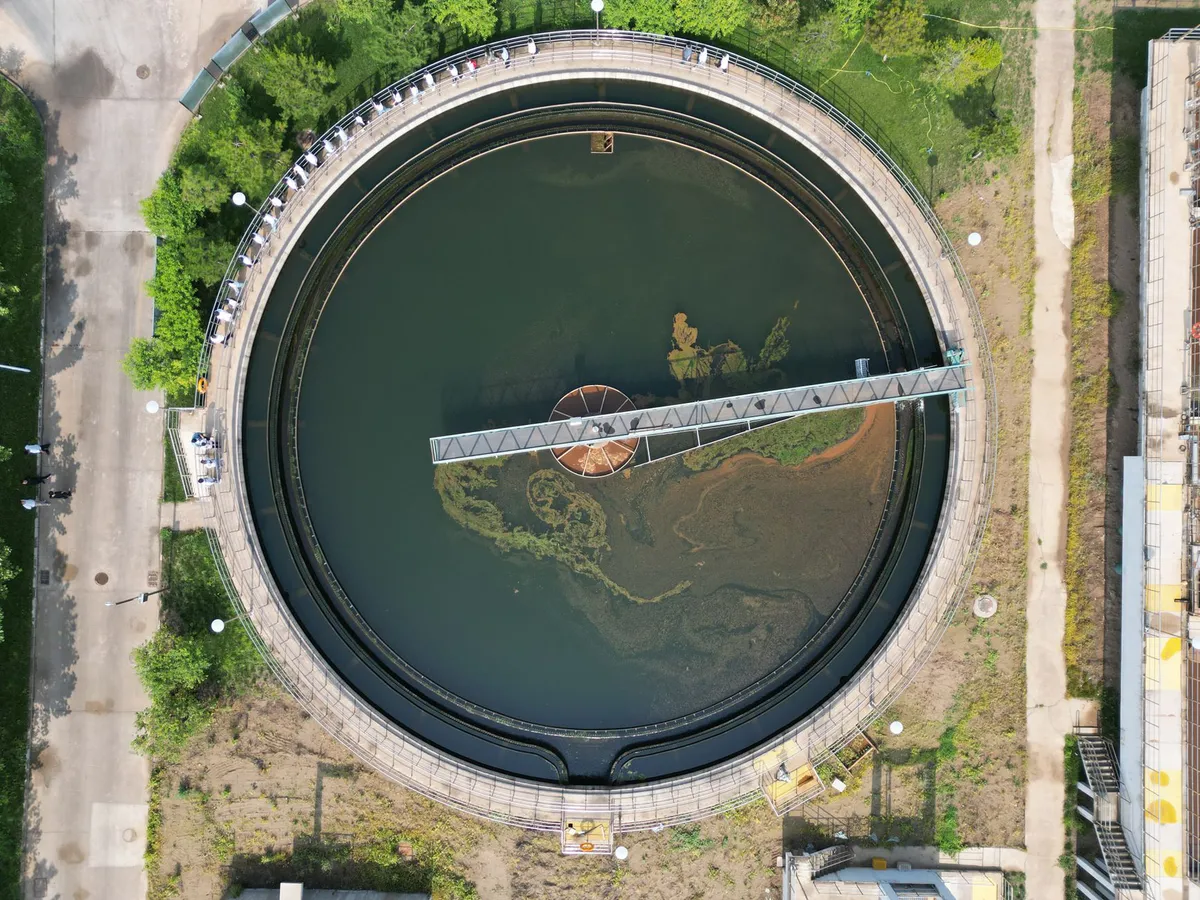
PFAS contamination poses a significant challenge for public health officials and environmental regulators. The persistence of these chemicals in the environment means they do not break down easily, leading to cumulative exposure risks for communities. Wastewater treatment plants, which often lack the technology to adequately filter out PFAS, release these harmful substances back into rivers and soils, exacerbating environmental contamination.
Health Risks Associated with PFAS
Research has increasingly linked PFAS to a range of health issues, prompting urgent calls for better regulation and monitoring. Some of the identified risks include:
- Increased Cancer Risk: Studies indicate that exposure to PFAS can elevate the risk of certain cancers, notably kidney and testicular cancers.
- Developmental Effects: Children exposed to PFAS may face developmental delays and increased susceptibility to illnesses.
- Immunotoxicity: PFAS exposure has been associated with reduced vaccine efficacy, raising concerns about public health amidst pandemics.
The need for comprehensive data on PFAS levels in wastewater is critical to understanding the full scope of contamination and developing targeted regulations. Without this data, regulatory agencies may struggle to impose effective limits on PFAS discharges from industrial sources.

Political and Regulatory Context
The political landscape surrounding PFAS regulation has been fraught with contention, particularly between differing administrations. While the Trump administration initially committed to combating PFAS contamination, it subsequently reversed several key regulatory efforts initiated during the Biden era. These included delaying significant drinking water limits and terminating a Biden-era initiative aimed at reducing PFAS in wastewater from certain chemical manufacturers.
The Role of the OMB
The OMB’s role in approving the EPA's proposed survey is critical. As the body responsible for overseeing government regulations, its inaction raises concerns about the prioritization of public health over industrial interests. Critics, including former OMB staffers, have pointed out that the unusual delay warrants scrutiny. The lack of clarity surrounding the approval process indicates a potential reluctance to disrupt the chemical industry, which may be contributing to the stalling of essential public health initiatives.

The State-Level Response and Industry Concerns
Amidst the federal delays, some states have proactively addressed PFAS contamination. Michigan, for instance, has implemented strict limits on PFAS discharges from wastewater treatment plants and actively monitors industrial waste. These state-level initiatives have proven effective in reducing PFAS levels in treated water and biosolids, demonstrating a model that could be replicated nationwide.
Industry Pushback
However, not all stakeholders agree on the necessity of the EPA’s proposed survey. Some industry representatives argue that sufficient data has already been collected regarding PFAS discharges, suggesting that the resources required for a nationwide survey could be better allocated towards enforcing existing regulations. Cynthia Finley, director of regulatory affairs at the National Association of Clean Water Agencies, emphasized the wealth of information currently available, advocating for a focus on utilizing existing data rather than initiating a costly new survey.
Public Advocacy and Future Directions
Public advocacy groups, including those aligned with the “Make America Healthy Again” movement, have voiced strong support for the proposed EPA survey. Activists argue that without comprehensive data on PFAS contamination sources, effective regulatory measures cannot be developed, leaving communities vulnerable to hazardous exposures. Kelly Ryerson, a noted activist, highlighted the urgency of obtaining this data to address the chronic disease epidemic exacerbated by toxic exposures.
The Path Forward
As the struggle to approve the PFAS survey continues, stakeholders from various sectors must collaborate to prioritize public health. This includes enhancing transparency in regulatory processes, ensuring that scientific data informs policy decisions, and committing to robust monitoring of PFAS levels in wastewater. Only through concerted efforts can we hope to mitigate the risks posed by these harmful chemicals and protect the health of current and future generations.

Key Takeaways
- The EPA’s proposed survey on PFAS in wastewater is critically delayed, affecting public health initiatives.
- PFAS exposure is linked to severe health risks, including cancer and developmental issues in children.
- State-level initiatives have successfully reduced PFAS discharges, highlighting the need for effective federal regulations.
- Stakeholder collaboration is essential for addressing PFAS contamination and protecting public health.
Frequently Asked Questions
What are PFAS, and why are they a concern?
Per- and polyfluoroalkyl substances (PFAS) are a group of human-made chemicals that are resistant to water, grease, and stains. They have been widely used in various consumer products, leading to environmental contamination. Concerns about PFAS arise from their persistence in the environment, potential to bioaccumulate in the human body, and their association with serious health risks, including cancers and developmental harm.
How does wastewater treatment contribute to PFAS pollution?
Wastewater treatment plants are often not equipped to adequately filter out PFAS. As a result, treated wastewater may still contain these chemicals, which are then released back into the environment, contaminating rivers, lakes, and soils. This poses a risk to both ecosystems and human health, especially for communities relying on these water sources.
What actions can individuals take to reduce PFAS exposure?
Individuals can minimize PFAS exposure by avoiding products known to contain these chemicals, such as certain non-stick cookware, stain-resistant fabrics, and some water-repellent outdoor gear. Additionally, staying informed about local water quality reports and advocating for stricter regulations on industrial discharges can help mitigate risks associated with PFAS.
What is the future of PFAS regulation in the U.S.?
The future of PFAS regulation in the U.S. remains uncertain due to political and industry pressures. However, ongoing advocacy efforts, state-level initiatives, and potential new federal regulations could pave the way for more stringent controls on PFAS discharges. Public awareness and engagement will be critical in pushing for necessary changes to protect health and the environment.
Comments
Popular in Guides
- Texas Hill Country Floods: Lessons Learned and Warning Systems Tested
- El Niño: The Strongest Weather Phenomenon in Decades
- Meta's Controversial AI 'Nudify' Ads: A Deep Dive into the Scandal
- July 2026: The Hottest Month in U.S. History and Its Implications
- Record-Breaking Heat: The Impact of July 2026 on Climate and Insurance