El Niño's Record-Breaking Strength: Implications for Global Weather Patterns
The ongoing El Niño phenomenon is poised to reach unprecedented levels, significantly impacting global weather and economies. Understanding its effects is crucial for businesses and consumers alike.
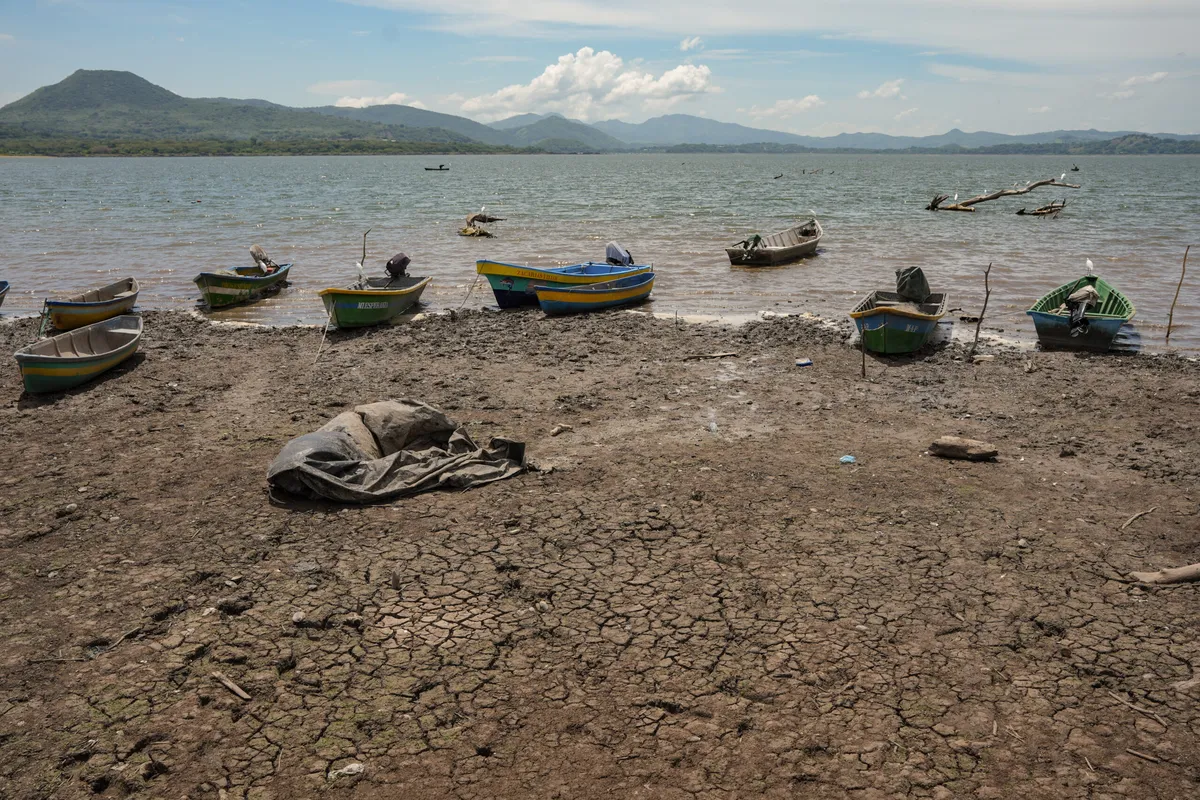
The world is on the brink of experiencing one of the most powerful El Niño events recorded in history, a climate phenomenon that has already begun to reshape weather patterns across the globe. According to the U.S. Climate Prediction Center, there is now a 75% chance that this El Niño will surpass records dating back to 1950, potentially leading to widespread disruptions in weather-related activities. As we move through the end of 2026, the implications of this climatic event are poised to intensify, bringing with it a slew of natural disasters, economic challenges, and critical adjustments in agricultural practices.
El Niño, which typically occurs every two to seven years, is characterized by the warming of sea surface temperatures in the central and eastern Pacific Ocean. This year, the phenomenon emerged in June and has since gained momentum, already raising sea temperatures by 1.8°C (3.24°F) above normal levels. Forecasts suggest that these temperatures could exceed the 2.5°C mark, setting a new record and amplifying the potential for disruptive weather patterns.
Understanding El Niño: How It Works
To comprehend the severity of the current El Niño event, it is essential to understand its mechanics. El Niño affects global atmospheric circulation, leading to alterations in weather patterns across continents. The strength of El Niño is primarily determined by the sea-surface temperatures in the equatorial Pacific, with warmer waters leading to stronger atmospheric changes.
Key Characteristics of El Niño
- Temperature Increases: Current measurements show sea-surface temperatures significantly above normal, with predictions of record highs.
- Global Weather Disruptions: El Niño is known to cause heavy rainfall in some regions while triggering droughts in others.
- Impact on Hurricane Activity: It typically suppresses Atlantic hurricane activity while increasing storms in the Pacific.
The Economic and Environmental Impact
The economic ramifications of a powerful El Niño can be profound, particularly in agricultural-dependent economies. Already, there have been reports of severe drought conditions in Central America, which have disrupted shipping traffic through the Panama Canal—one of the world's most crucial maritime trade routes. This disruption not only threatens local economies but also contributes to rising inflation rates worldwide, a situation already exacerbated by geopolitical tensions, such as the ongoing war in Iran.
Specific Economic Consequences
1. **Agricultural Disruptions:** Droughts can lead to crop failures, particularly for staple crops like corn and beans, raising prices and threatening food security.
2. **Inflationary Pressures:** As supply chains are strained, the prices of goods—including essential commodities like palm oil—are expected to rise.
3. **Insurance Implications:** Businesses and homes in affected regions may face increased insurance premiums as insurers adjust rates to account for heightened risk.

Weather Patterns to Expect This Winter
As we brace for the winter months, forecasts indicate that El Niño will generate a range of weather extremes. For instance, California is expected to suffer from increased flooding due to heavy rainfall, while parts of Australia may experience ongoing drought conditions. In regions like India and southern Asia, heatwaves could become more severe, impacting public health and agriculture.
Potential Natural Disasters
1. **Flooding in California:** Historical data suggests that the last significant El Niño led to severe flooding, which could recur this winter.
2. **Drought in Australia:** The continent is already experiencing dry spells; an intensified El Niño could exacerbate these conditions.
3. **Heatwaves in Asia:** Increased temperatures may lead to health crises, particularly among vulnerable populations.

Preparing for El Niño: What You Can Do
Given the significant implications of this climatic event, it is imperative for individuals, businesses, and governments to prepare accordingly. Here are steps to consider:
- Stay Informed: Monitor updates from the National Weather Service and local meteorological agencies.
- Evaluate Insurance Coverage: Review home and business insurance policies to ensure adequate protection against extreme weather events.
- Emergency Preparedness: Create an emergency plan that includes supplies, evacuation routes, and communication strategies.
Key Takeaways
- El Niño 2026 is likely to become one of the strongest ever recorded, with a 75% chance of surpassing previous records.
- Significant weather disruptions are expected globally, including flooding, drought, and heatwaves.
- The economic impacts may lead to increased inflation and supply chain disruptions, particularly in agriculture.
- Preparation is key: individuals and businesses should review insurance policies and create emergency plans.

Frequently Asked Questions
What is El Niño and why is it important?
El Niño is a periodic climate phenomenon characterized by the warming of sea surface temperatures in the central and eastern Pacific Ocean. It is important because it significantly alters global weather patterns, leading to extreme weather events such as hurricanes, droughts, and floods. Understanding El Niño is crucial for agriculture, disaster preparedness, and economic planning.
How does El Niño affect hurricane activity?
El Niño typically suppresses hurricane formation in the Atlantic Ocean due to increased wind shear, which disrupts storm development. Conversely, it can enhance tropical storm activity in the Pacific, leading to a higher frequency of storms in that region. This dual effect can lead to varying levels of risk for coastal communities depending on their location.
What steps can individuals take to prepare for El Niño?
Individuals should stay informed about weather forecasts and potential impacts, ensure their insurance policies cover extreme weather events, and prepare emergency plans that include essential supplies, communication strategies, and evacuation routes. Preparing ahead can mitigate risks and safeguard lives and property.
How can businesses mitigate the risks associated with El Niño?
Businesses should conduct risk assessments to understand how El Niño might impact their operations. This includes reviewing supply chains for vulnerabilities, ensuring adequate insurance coverage, and developing contingency plans to address potential disruptions. By planning ahead, businesses can reduce their exposure to the economic impacts of extreme weather.
Comments
Popular in Guides
- Texas Hill Country Floods: Lessons Learned and Warning Systems Tested
- El Niño: The Strongest Weather Phenomenon in Decades
- Meta's Controversial AI 'Nudify' Ads: A Deep Dive into the Scandal
- July 2026: The Hottest Month in U.S. History and Its Implications
- Record-Breaking Heat: The Impact of July 2026 on Climate and Insurance