The Lasting Impact of 9/11 on American Surveillance Practices
Two decades after 9/11, the U.S. surveillance landscape has fundamentally transformed, intertwining advanced technology with everyday policing, raising critical questions about privacy and civil liberties.
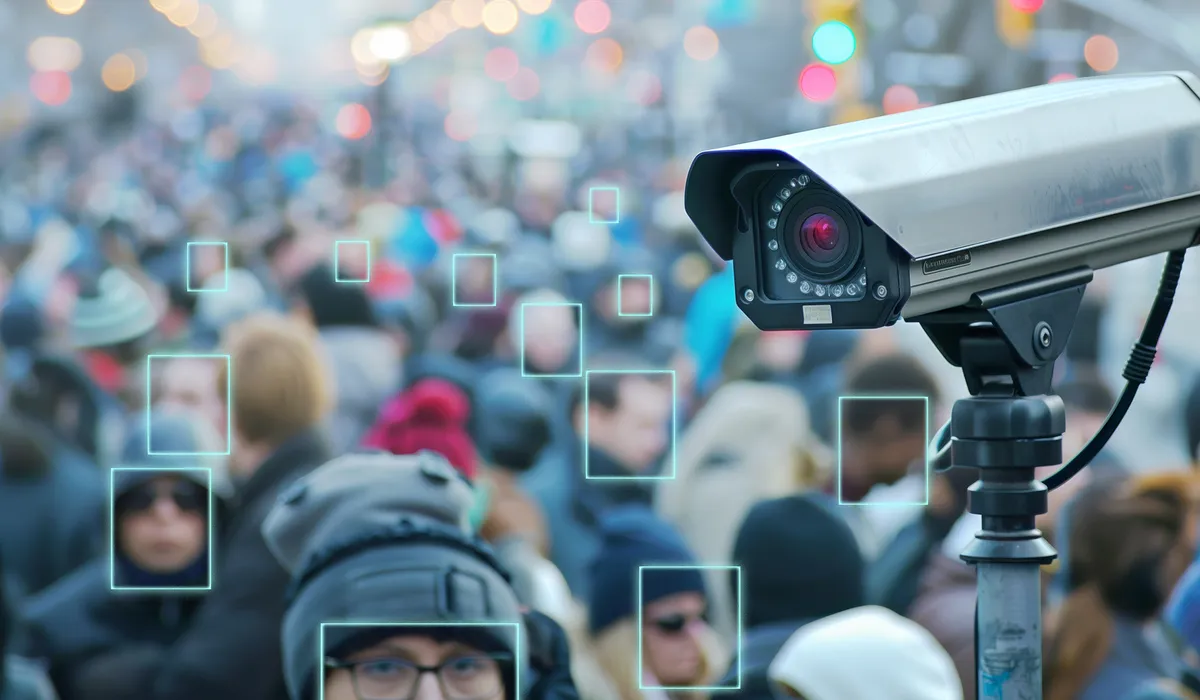
The terrorist attacks of September 11, 2001, not only reshaped America's approach to national security but also ushered in a profound transformation in how the government surveils its citizens. Twenty-five years later, the extensive surveillance infrastructure established in the wake of those attacks has grown into a complex digital ecosystem, one that collects and analyzes data on a scale previously unimaginable. This evolution raises critical questions about privacy, civil liberties, and the very fabric of American society.
In the immediate aftermath of 9/11, the U.S. government faced a stark realization: vital intelligence that could have thwarted the attacks was siloed within various agencies, leading to a crippling lack of coordination. To address this, a sweeping overhaul of intelligence-sharing mechanisms was initiated, fundamentally altering the relationship between federal, state, and local law enforcement agencies. While the expansion of surveillance tools has been framed as a necessary response to terrorism, it has sparked a contentious debate about privacy rights and the government’s role in monitoring its citizens.
The Birth of a New Surveillance Framework
In response to the vulnerabilities exposed by 9/11, the U.S. government launched a concerted effort to break down the barriers between intelligence agencies. The establishment of Joint Terrorism Task Forces (JTTFs) integrated the efforts of federal, state, and local law enforcement, fostering a culture of collaboration that persists today. Additionally, fusion centers—intelligence hubs designed to facilitate information sharing—were established across the country, with at least one in every state. These centers became critical in analyzing data and identifying potential threats.
From Intelligence to Everyday Policing
Originally intended to prevent future terrorist attacks, the functions of these fusion centers have expanded significantly. They now support investigations into lower-level crimes and assist local police departments in their everyday operations. The proliferation of real-time crime centers, which aggregate information from various surveillance technologies, further integrates intelligence into routine law enforcement practices. This shift has led to a major transformation in investigative methodologies, with digital records offering insights into individuals' movements, communications, and behaviors.
The Digital Revolution and Its Implications
As surveillance infrastructure expanded, so too did the digital landscape in which Americans operate. The advent of smartphones, social media, and an increasingly online lifestyle has generated vast amounts of data that agencies can access. Much of this information is collected by private companies for commercial purposes, but it often finds its way into the hands of law enforcement through purchases or when companies comply with requests from authorities.
The Data Economy and Its Challenges
The intersection of surveillance and the data economy presents significant challenges for privacy and civil liberties. Many Americans remain unaware of how their personal information is collected, stored, and potentially used against them. The lack of transparency from both law enforcement and tech companies creates an environment where individuals unknowingly surrender their privacy. This is further complicated by the normalization of surveillance technologies, which, once viewed as intrusive, have become embedded in daily life.
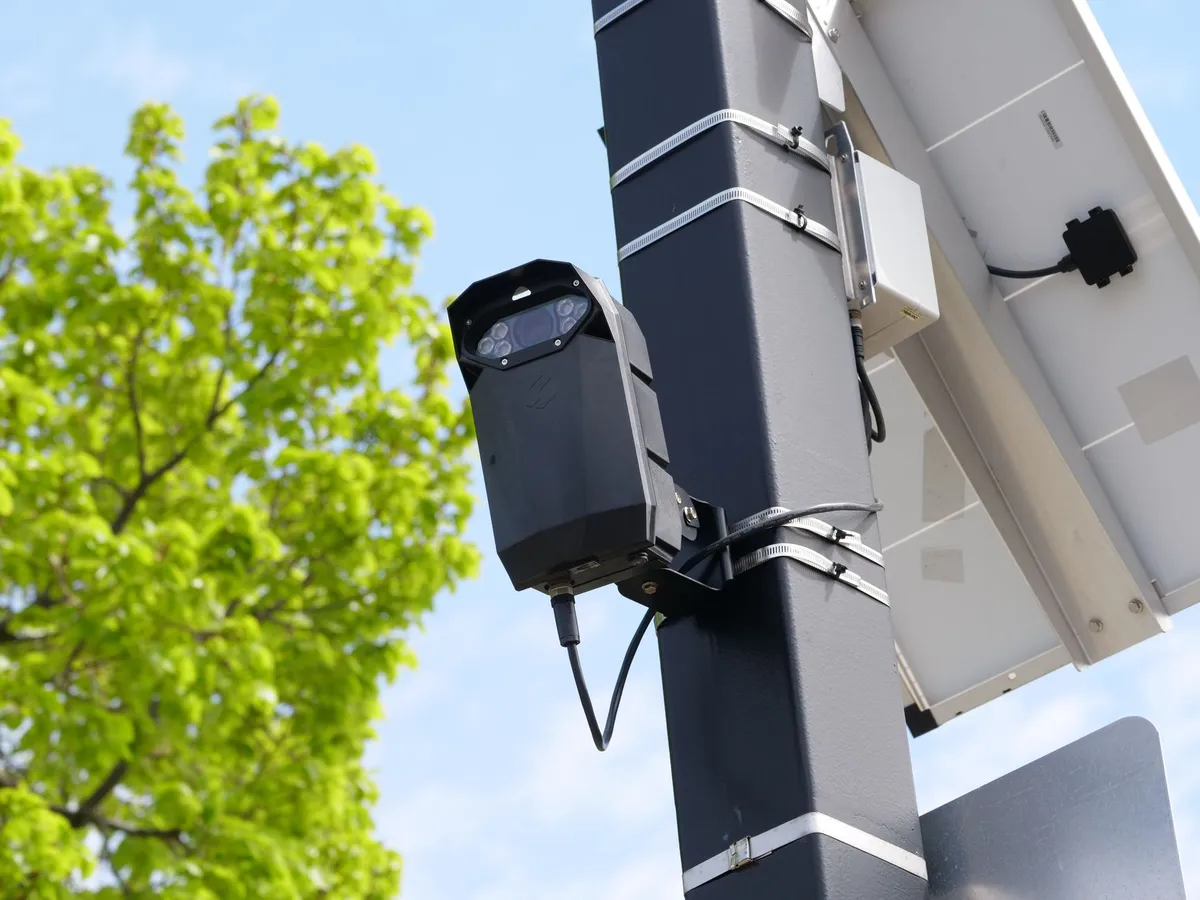
- Automated License Plate Readers: Track vehicle movements in real-time.
- Facial Recognition Technology: Identify individuals in public spaces.
- Social Media Surveillance: Monitor online activities for potential threats.
- Data Merging: Combine various data points to profile individuals.

Impacts on Vulnerable Communities
The expansion of surveillance practices has not affected all Americans equally. Communities, particularly American Muslims and immigrant populations, have faced increased scrutiny and monitoring, often in the name of national security. This heightened focus has fostered an environment of fear and mistrust, where individuals from these communities feel targeted and marginalized.
The Role of Civil Liberties Advocates
In the wake of these developments, civil liberties organizations have emerged as crucial defenders of individual rights. Advocates warn that the post-9/11 landscape represents a “perfect storm” of enhanced governmental powers and technological advancement, leading to potential abuses of surveillance authority. As legislation like the USA PATRIOT Act expanded the government's ability to gather information, concerns about the erosion of privacy and civil liberties became more pronounced. The long-term implications of these changes continue to be debated, as the balance between security and freedom remains a contentious issue.
Key Takeaways
- Surveillance Infrastructure: Post-9/11, the U.S. established a robust surveillance framework integrating federal, state, and local agencies.
- Technological Advancements: The rise of digital technology has made it easier for law enforcement to gather and analyze vast amounts of data.
- Privacy Concerns: The expansion of surveillance tools raises significant questions about individual privacy and civil liberties.
- Impact on Communities: Certain communities, particularly American Muslims, face heightened scrutiny and potential discrimination as a result of increased surveillance.
Frequently Asked Questions
What surveillance technologies are commonly used by law enforcement today?
Law enforcement agencies utilize a variety of surveillance technologies, including automated license plate readers, facial recognition systems, and social media monitoring tools. These technologies enable police to track individuals' movements, identify suspects in crowds, and gather intelligence on potential threats.
How has the USA PATRIOT Act influenced surveillance practices?
The USA PATRIOT Act, enacted shortly after 9/11, significantly expanded the federal government's surveillance capabilities. It allowed for enhanced monitoring of communications and information gathering in the name of national security. Although some provisions have been curtailed or allowed to expire, the act laid the foundation for many surveillance practices still in use today.
What are the implications of surveillance on civil liberties?
The expansion of surveillance capabilities has raised serious concerns about the erosion of civil liberties, particularly regarding privacy rights. Increased surveillance can lead to the targeting of specific communities, fostering an environment of fear and mistrust, especially among those perceived as different or potentially threatening.
What can individuals do to protect their privacy?
Individuals can take steps to protect their privacy, such as using encryption tools for communication, being cautious about sharing personal information on social media, and advocating for stronger privacy protections through civic engagement. Awareness of how data is collected and used is crucial in navigating today's surveillance-laden environment.
Comments
Portuguese Group Takes Legal Action Against Social Media Giants for Addictive Designs
D3, a Portuguese digital rights group, has initiated lawsuits against major social media platforms including Meta, TikTok, and YouTube, alleging that their designs foster addiction among users. This action highlights growing concerns over the psychological impact of social media use in Portugal and beyond.

Related articles

Popular in Guides
- Texas Hill Country Floods: Lessons Learned and Warning Systems Tested
- El Niño: The Strongest Weather Phenomenon in Decades
- Meta's Controversial AI 'Nudify' Ads: A Deep Dive into the Scandal
- July 2026: The Hottest Month in U.S. History and Its Implications
- Record-Breaking Heat: The Impact of July 2026 on Climate and Insurance