Reflecting on 9/11: 25 Years of Memory and Meaning
As we mark the 25th anniversary of the September 11 attacks, we reflect on the day that changed America forever, the lives lost, and the ongoing impact on society.
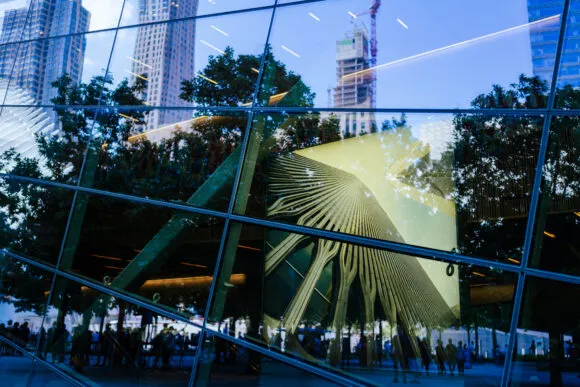
On September 11, 2001, the world stood still as tragic events unfolded in real-time. At 8:46 a.m., the first plane, American Airlines Flight 11, struck the North Tower of the World Trade Center, followed by United Airlines Flight 175 crashing into the South Tower just 17 minutes later. The horror escalated with the Pentagon attack by American Airlines Flight 77 and the thwarted effort of United Airlines Flight 93, which crashed in Shanksville, Pennsylvania. By the end of that fateful day, nearly 3,000 lives were lost, marking one of the darkest chapters in American history. As we approach the 25th anniversary of these attacks, it is essential to reflect on the deeper implications of that day—what we remember, who we honor, and how we carry these memories forward.
September 11th has become more than just a date on the calendar; it is a day of remembrance, reflection, and, most importantly, a moment to honor the lives affected by the tragedy. In the years since, various commemorative events have sprung up to ensure that the stories of those lost are not forgotten, especially among the younger generations who did not experience the day firsthand. As we gather this year, we must consider the legacies left behind by those who perished, the ongoing health effects suffered by first responders, and the societal changes that emerged in the aftermath.
Commemorative Events Across the Nation
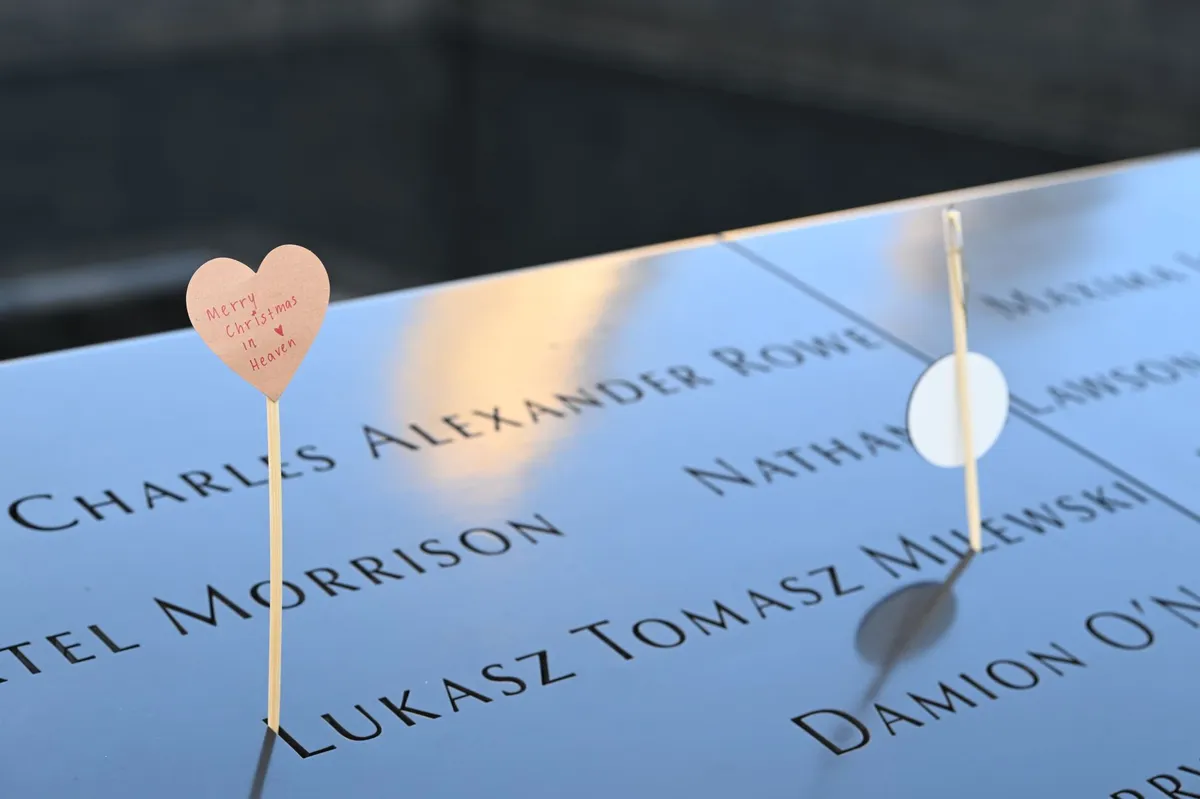
This year’s commemoration will see a variety of events taking place in New York City and around the United States. The primary ceremony will begin at 8:30 a.m. at the World Trade Center Memorial Plaza, reserved mostly for families of the victims. The poignant ritual will include the reading of names of those who lost their lives, moments of silence, and other tributes to honor their memory.
In addition to the main ceremony, there will be several other meaningful events throughout the day:
- A dawn-to-dusk remembrance at the FDNY Ten House, where firefighters bravely responded on that day.
- A wreath-laying ceremony at the FDNY Fire Museum at 11:30 a.m.
- A concert featuring the New York Philharmonic at 3:30 p.m. at the Perelman Performing Arts Center.
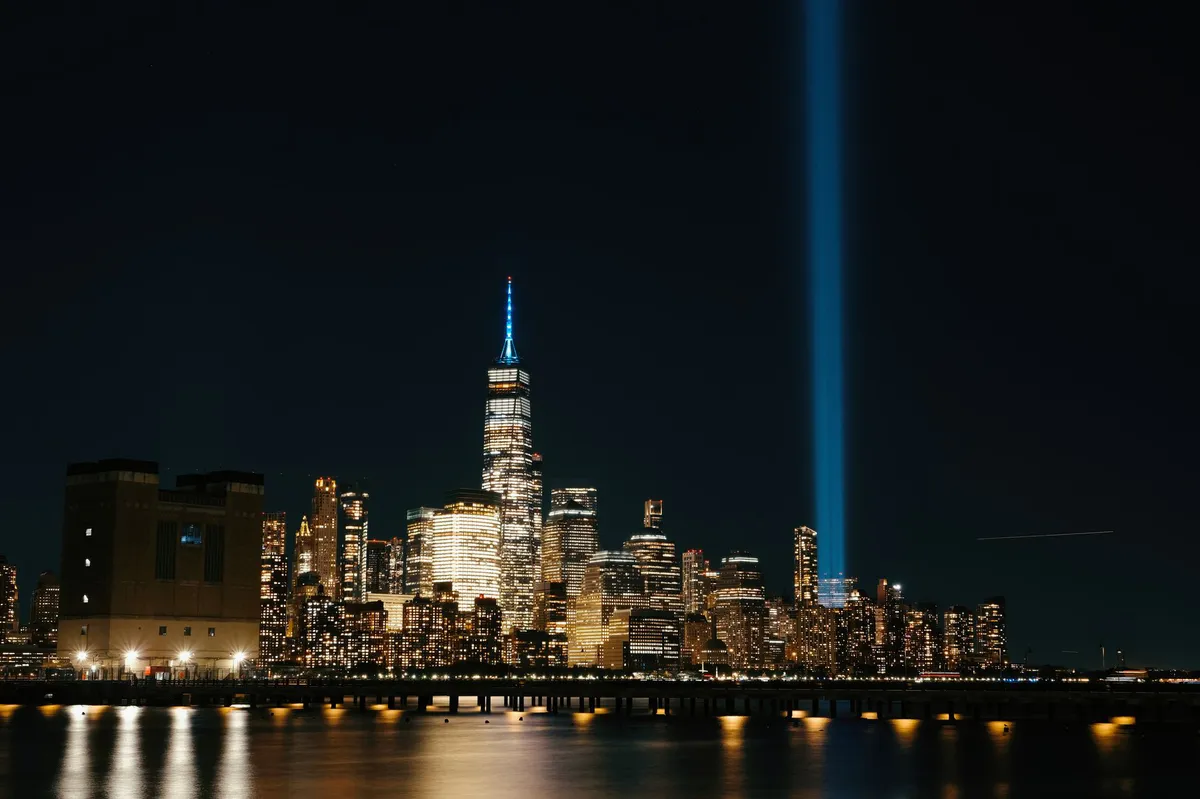
- A Tribute in Light display illuminating Lower Manhattan at dusk, visible across the nation.
- Health exhibits at NYU Langone Health Hospital showcasing the ongoing health consequences faced by 9/11 responders and survivors.
These events aim to resonate with the estimated 100 million younger Americans who were not alive during the attacks, encouraging them to engage with the stories and lessons of resilience, unity, and kindness that emerged from that day.
The Human and Economic Toll of 9/11
The human toll of September 11 is staggering. A total of 2,753 individuals died at the World Trade Center site, including passengers and crew on the planes, office workers, and first responders. Among these were 343 firefighters from the Fire Department of New York, 23 police officers from the NYPD, and 37 Port Authority police officers who heroically rushed to evacuate the buildings. The Pentagon attack claimed 189 lives, and the crash in Shanksville resulted in the loss of all 40 passengers aboard.
Beyond the immediate casualties, the long-term health effects of exposure to toxic dust and debris have taken a devastating toll on first responders and those who lived or worked nearby. According to the World Trade Center Health Program, thousands have succumbed to illnesses linked to their exposure during rescue and recovery operations, with estimates of over 5,900 deaths attributed to cancer and other health conditions triggered by the events of that day.
Moreover, the economic repercussions of 9/11 were felt nationwide, with the insurance industry facing unprecedented payouts estimated at around $19.6 billion at the time—equivalent to approximately $59 billion today. This event marked the costliest man-made disaster in history, leading insurers to exclude terrorism from commercial policies, thus profoundly altering the landscape of risk management and insurance coverage in America.
The War on Terror: A Lasting Legacy
In the wake of 9/11, the United States initiated a military campaign in Afghanistan aimed at dismantling al-Qaeda and ousting the Taliban regime that harbored its leader, Osama bin Laden. This decision led to the longest war in U.S. history, lasting two decades and resulting in the deaths of over 2,300 U.S. service members and nearly 4,000 contractors.
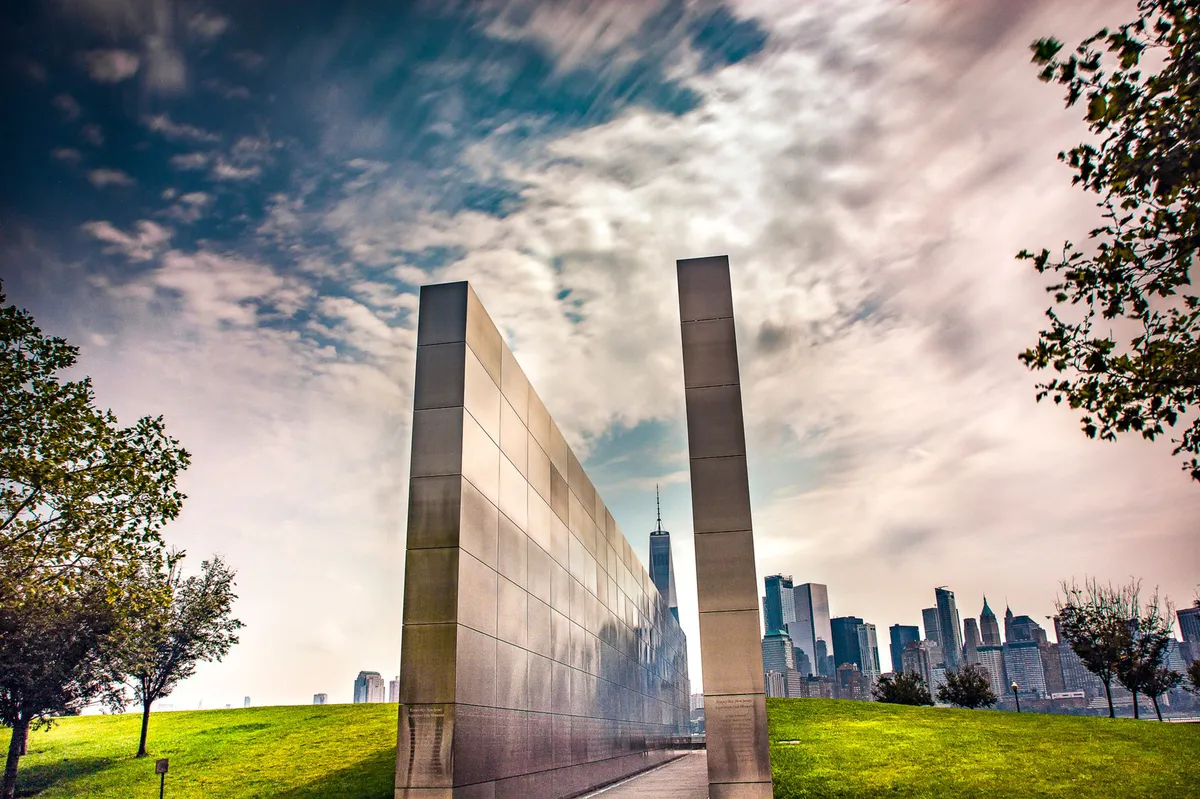
As we reflect on the 25 years since that tragic day, it is crucial to acknowledge the ongoing implications of the war on terror. Commemorative monuments and memorials honor the sacrifices made by both military personnel and first responders. For instance, the National Infantry Museum in Georgia features panels honoring nearly 7,000 service members who died since 9/11, while the Liberty Park monument in New York City pays tribute to U.S. Special Forces that served in Afghanistan.
Additionally, local memorials across the nation honor those who served and were lost in the conflicts that ensued. The ongoing struggle to balance national security and civil liberties remains a pertinent discussion in American society, reflecting the complexities of the aftermath of 9/11.
Honoring the Lives Lost: Personal Tributes
Among those who perished on September 11 were many notable individuals from various backgrounds, including a significant number of insurance professionals. Companies like Marsh McLennan and Aon suffered extensive losses, with 295 employees and 63 contractors from Marsh and 176 from Aon among the dead. Each year, these firms hold memorial services to honor their fallen colleagues.
Marsh has created a poignant memorial at their headquarters, featuring etched names and personal reflections from colleagues, while Aon maintains a dedicated Book of Remembrance. These tributes serve as a testament to the enduring impact that the events of that day have had on individuals and organizations alike.
Stories shared by survivors and those who lost loved ones highlight the profound grief and resilience that emerged from the ashes of tragedy. From heartfelt memories to reflections on acts of kindness witnessed that day, these narratives emphasize the human spirit's capacity to endure and overcome adversity.
Key Takeaways
- Commemorative events on the 25th anniversary of 9/11 will honor the lives lost and the ongoing impact of the tragedy.
- The attacks claimed nearly 3,000 lives and left lasting health effects on first responders and survivors.
- The economic impact of 9/11 led to major changes in insurance policies, including the exclusion of terrorism coverage.
- The U.S. response to the attacks shaped foreign policy and military operations, leading to the longest war in U.S. history.
- Personal tributes and memorials continue to honor the memory of those lost and reflect on the resilience of the human spirit.
Frequently Asked Questions
What were the immediate effects of 9/11 on U.S. policy and security?
In the wake of the September 11 attacks, the U.S. government implemented significant changes in national security policy. This included the establishment of the Department of Homeland Security, the introduction of the USA PATRIOT Act, which expanded government surveillance capabilities, and a complete overhaul of airport security protocols. These changes aimed to prevent future attacks and enhance national security, but they also sparked debates over civil liberties and privacy rights.
How did the insurance industry change after 9/11?
Before the attacks, many insurance policies included coverage for terrorism. However, after 9/11, insurers began to exclude terrorism risk from commercial policies due to the unprecedented financial impact of the attacks. This led to the creation of the Terrorism Risk Insurance Act (TRIA) in 2002, which established a federal backstop for insurance claims related to terrorism, allowing the insurance market to stabilize and providing businesses with the security needed to recover from the economic fallout.
How can individuals honor the memory of those lost on 9/11?
Individuals can honor the memory of those lost on 9/11 by participating in local commemorative events, volunteering for community service projects, or contributing to organizations that support 9/11 survivors and first responders. Sharing stories and reflections about that day can also be a powerful way to keep the memory alive, encouraging conversations about resilience, kindness, and the importance of community in the face of adversity.
What ongoing health issues are related to 9/11 exposure?
Many first responders and survivors have experienced long-term health issues due to exposure to toxic dust and debris at Ground Zero. These conditions include respiratory illnesses, cancers, and mental health issues, such as PTSD. The World Trade Center Health Program continues to provide medical treatment and support for those affected, ensuring that the legacy of 9/11 includes ongoing care for those who served on that day and in the months that followed.
Comments
Popular in Guides
- Texas Hill Country Floods: Lessons Learned and Warning Systems Tested
- El Niño: The Strongest Weather Phenomenon in Decades
- Meta's Controversial AI 'Nudify' Ads: A Deep Dive into the Scandal
- July 2026: The Hottest Month in U.S. History and Its Implications
- Record-Breaking Heat: The Impact of July 2026 on Climate and Insurance