US Weighs Establishing AI Regulator Similar to FINRA
The U.S. government is considering the creation of an independent regulatory body to oversee artificial intelligence models, aiming to provide clarity and safety protocols amid rising concerns over AI technology. This initiative reflects ongoing tensions between the tech industry and government oversight, especially in the face of competition from China.
The landscape of artificial intelligence (AI) is evolving rapidly, and with it, the corresponding need for regulatory oversight. In response to increasing concerns regarding the safety, security, and ethical implications of AI technologies, the U.S. government is exploring the establishment of an independent regulatory body akin to the Financial Industry Regulatory Authority (FINRA). This proposed agency would vet the safety of top AI models and is part of a broader strategy to enhance cybersecurity and maintain America’s leadership in the global AI race.
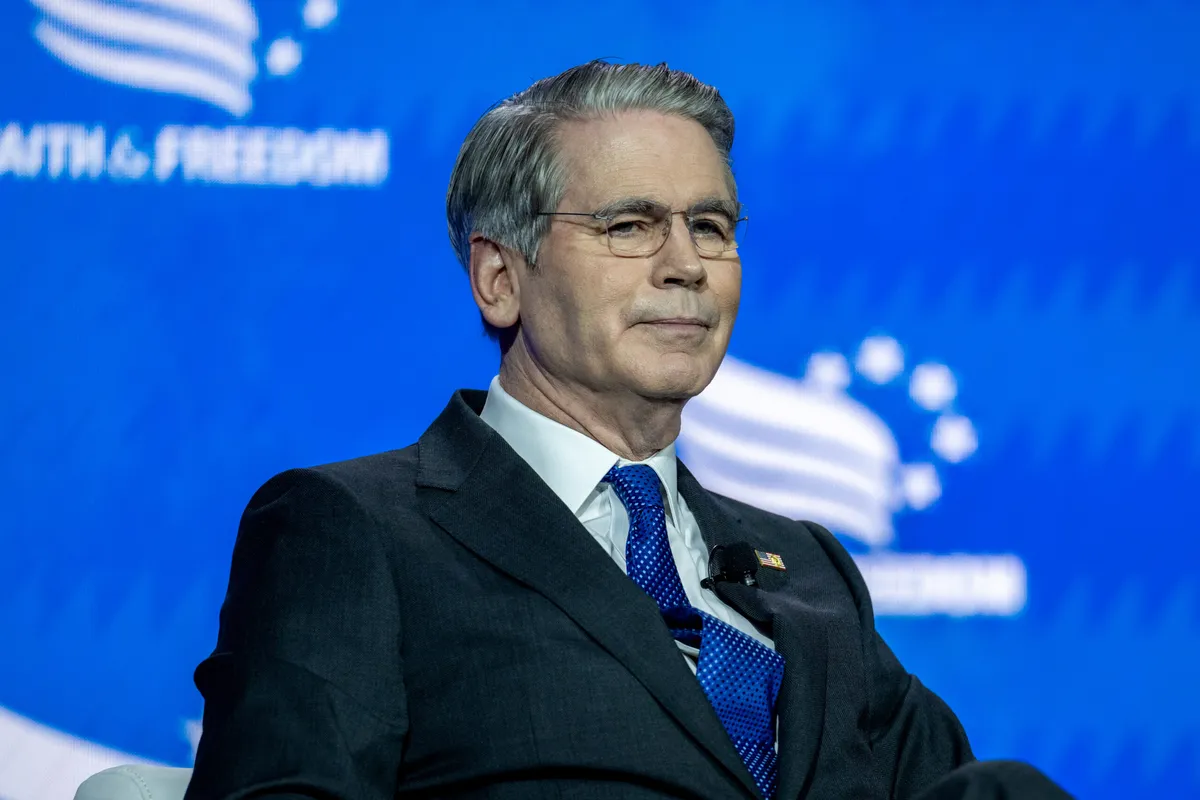
The initiative comes at a time when industry leaders express frustration over what they perceive as an inconsistent and ad-hoc approach to AI regulation. Treasury Secretary Scott Bessent is reportedly behind the proposal, which aims to offer clarity to AI developers like OpenAI and Anthropic, who have faced strict controls and regulatory challenges recently. As the U.S. navigates the complexities of AI oversight, the implications of this potential regulatory framework could reshape the future of technology governance in America.

Understanding the Proposal for an AI Regulatory Body
The proposed independent regulatory body is designed to ensure that AI models are assessed thoroughly for safety before they are deployed. This would involve collaboration between industry stakeholders and government agencies, allowing for a more streamlined and consistent approach to AI oversight. The agency would operate under the auspices of the Securities and Exchange Commission (SEC), similar to how FINRA functions for brokerage firms.
According to insiders, the regulatory body would not only provide oversight but also help establish safety standards in collaboration with AI developers. This effort aims to balance the need for innovation with the imperative of cybersecurity and ethical considerations in AI deployment. As it stands, the framework remains under deliberation, with potential adjustments likely as discussions progress.

The Motivations Behind Regulatory Changes
The urgency for a regulatory framework stems from several factors:
- Increasing Competition: The U.S. is under pressure from global competitors, particularly China, which has been rapidly advancing its own AI technologies. The recent unveiling of the Kimi K3 model from Chinese AI startup Moonshot has raised alarms among U.S. investors about maintaining a competitive edge in AI development.
- Industry Frustration: Companies like OpenAI and Anthropic have expressed dissatisfaction with recent government actions, including export controls and mandatory model adjustments. They argue that such measures are excessive given the safety concerns outlined by officials.
- Cybersecurity Risks: As AI technologies become more integrated into various sectors, the potential cybersecurity risks associated with their deployment have escalated. The new regulatory body aims to mitigate these risks through rigorous safety assessments.
The Role of Industry Leaders in Shaping Regulation
Key figures in the tech industry have begun advocating for a self-regulatory model that involves independent technical experts reviewing AI models. Demis Hassabis, CEO of Google DeepMind, has proposed a board of experts to oversee AI safety standards. His recommendations have garnered support from notable leaders, including Microsoft’s Satya Nadella and OpenAI’s Sam Altman. This coalition of voices emphasizes the importance of industry involvement in shaping regulations that are both effective and conducive to innovation.
The success of this regulatory framework hinges on its ability to foster collaboration between the government and AI companies. Establishing clear protocols for safety assessments, particularly in areas such as cybersecurity and biological threats, will be essential.

Challenges and Considerations for the New Agency
While the proposal for an independent AI regulatory body presents several advantages, it also faces significant challenges:
- Defining Regulatory Scope: One of the most pressing questions is what specific assessments the agency will require for AI models. Striking a balance between thorough vetting and the need for timely innovation is critical.
- Funding Mechanisms: How the agency will be funded remains uncertain. A model where the industry financially supports the regulatory body could lead to conflicts of interest and questions about accountability.
- Maintaining Independence: Ensuring that the regulatory body operates independently while still being accountable to the SEC is a complex balancing act that will require careful structuring.
Key Takeaways
- The U.S. is considering a FINRA-like regulatory body for AI to enhance safety and streamline oversight.
- Industry leaders are advocating for a collaborative approach to setting safety standards.
- Competition with China and cybersecurity risks are major driving forces behind the proposed regulations.
- Defining the role and funding of the new agency presents significant challenges ahead.
Frequently Asked Questions
What is the purpose of the proposed AI regulatory body?
The proposed body aims to oversee the safety and ethical implications of AI technologies by conducting thorough assessments of AI models before they are deployed. It seeks to provide clarity and consistency in regulatory processes, particularly in light of the rapid advancements in AI and the associated risks.
How will this new agency impact AI companies?
This new regulatory body could potentially streamline compliance processes for AI companies by providing clear guidelines and safety standards. However, it may also impose additional scrutiny and requirements, which could affect the pace of innovation and development in the industry.
What are the concerns regarding funding for the regulatory body?
The funding mechanisms for the proposed regulatory body remain unclear. There are concerns that if the industry funds the agency, it may lead to conflicts of interest. Ensuring that the agency remains independent and accountable while also being financially viable is a critical challenge that needs to be addressed.
How does this proposal relate to global AI competition?
The proposal is a response to increasing competition from countries like China, which are rapidly advancing their AI capabilities. By establishing a regulatory framework, the U.S. aims to solidify its leadership in AI technology while addressing security concerns and ethical implications associated with AI deployment.
Comments
Popular in Guides
- Texas Hill Country Floods: Lessons Learned and Warning Systems Tested
- El Niño: The Strongest Weather Phenomenon in Decades
- Meta's Controversial AI 'Nudify' Ads: A Deep Dive into the Scandal
- July 2026: The Hottest Month in U.S. History and Its Implications
- Record-Breaking Heat: The Impact of July 2026 on Climate and Insurance