Major Hack Targeting Cold Bitcoin Wallets Raises Security Concerns
A significant security breach in Coldcard Bitcoin wallets has led to the theft of millions, highlighting vulnerabilities in cryptocurrency storage. This incident serves as a crucial reminder of the risks associated with self-custody of digital assets.

In a troubling turn of events for cryptocurrency enthusiasts, a vulnerability in Coldcard wallets—regarded as one of the most secure methods for storing Bitcoin—has been exploited by hackers, resulting in the theft of over $110 million in digital assets. The attack, which began late last week, has exposed the fragility of self-custody solutions that many investors rely on for the protection of their holdings. As the dust settles, users are left grappling with a harsh reality: even the most secure systems can harbor significant vulnerabilities.
The breach, confirmed by Coinkite Inc., the company behind Coldcard devices, has raised alarms across the cryptocurrency community, prompting users to question their faith in security measures designed to protect their investments. With more than 5,000 wallets compromised and 1,755 Bitcoin siphoned off, the incident has ignited discussions about the safety of cold storage solutions and the broader implications for cryptocurrency security.
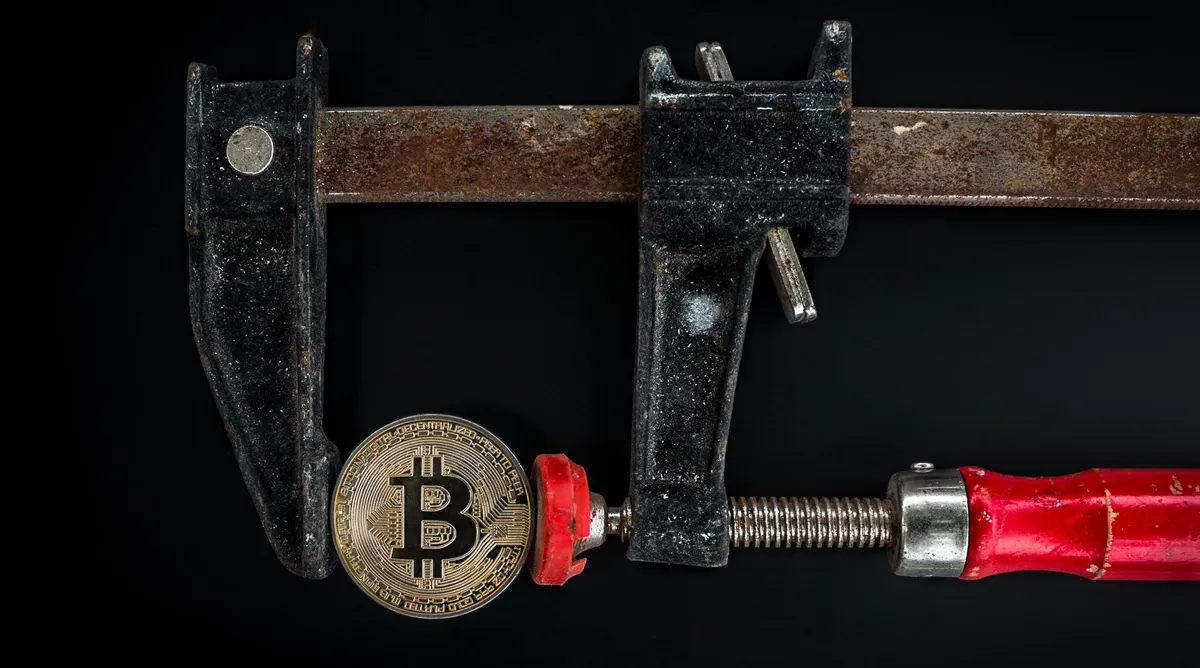
Understanding Cold Storage and Its Vulnerabilities
Cold storage refers to methods of keeping cryptocurrency offline, thereby reducing the risk of cyber attacks that plague online wallets. Devices like Coldcard are designed to generate and store Bitcoin private keys securely, ensuring that users can access their funds without exposing them to the internet. However, the recent breach indicates that even these methods are not immune to sophisticated attacks.
How the Breach Occurred
The attack was facilitated by a software flaw in how Coldcard's random-number generator functioned. This generator is crucial for creating unique seed phrases—strings of words that serve as gateways to access cryptocurrency wallets. Unfortunately, Coldcard's implementation relied on deterministic values, such as device serial numbers, which led to predictable seed phrases. Attackers were able to exploit this flaw, systematically recalculating private keys and draining user wallets of their Bitcoin.
The Fallout for Users
The impact of the breach has been devastating for many users. Jonathan Goodman, a victim of the hack, recounted his experience of discovering that his wallets had been drained within minutes. Despite keeping his Coldcard device in a safety deposit box and never connecting it to the internet, he lost $1.6 million. Goodman’s story underscores a critical issue facing cryptocurrency users: the reliance on technology that can fail.

The Broader Implications for Cryptocurrency Security
This incident raises significant questions about the safety of self-custody in the cryptocurrency space. According to a report by TRM Labs, while cryptocurrency theft has decreased in 2026 compared to the previous year, the number of incidents has risen sharply. The first half of 2026 saw losses amounting to $972 million, with infrastructure and key compromises accounting for a staggering 76% of the losses. This trend highlights that while the technology behind cryptocurrencies has advanced, the vulnerabilities remain.
Self-Custody: Risks vs. Rewards
Self-custody, or managing one's own cryptocurrency assets rather than relying on third-party custodians, is often touted as a method to enhance security and control. However, as the Coldcard attack illustrates, it also shifts the risk to the user. This shift can be especially daunting for individuals who may not fully understand the technical aspects of the security measures they are implementing.
- Security Measures: Users need to employ best practices, such as using hardware wallets from reputable manufacturers and regularly updating firmware.
- Understanding Risks: Investors must recognize that self-custody does not eliminate risks but rather transforms them, requiring a deeper understanding of the technology.
- Backup Strategies: It's essential to have secure backup strategies for seed phrases and private keys to mitigate potential losses.
The Response from Coinkite and the Community
In the wake of the hack, Coinkite has taken steps to address the vulnerabilities in its Coldcard devices. The company has released fixed firmware for affected models, urging users to update their devices immediately to safeguard their assets. However, the damage has been done, and trust in the brand may take time to rebuild.
The cryptocurrency community has been vocal in its response, with influencers and industry leaders weighing in on the implications of the hack. Many are calling for enhanced security protocols and better education for users to help them navigate the complexities of cryptocurrency storage.
Key Takeaways
- Over $110 million in Bitcoin has been stolen from Coldcard wallets due to a software vulnerability.
- The breach highlights significant risks associated with self-custody of cryptocurrency assets.
- Users must remain vigilant and implement best security practices to protect their investments.
- Coinkite has released firmware updates to address the vulnerabilities in affected devices.

Frequently Asked Questions
What is a Coldcard wallet and how does it work?
A Coldcard wallet is a type of hardware wallet designed for securely storing Bitcoin offline. By keeping private keys disconnected from the internet, Coldcard aims to protect users from online threats. Users generate and manage their Bitcoin addresses and seed phrases directly on the device, which is intended to enhance security.
How can users protect themselves from similar hacks in the future?
To mitigate risks, users should employ strong security practices such as regularly updating their wallet firmware, using reputable hardware wallets, and maintaining secure backups of their seed phrases and private keys. Additionally, users should stay informed about potential vulnerabilities in the devices they use.
What should I do if I think my Coldcard wallet has been compromised?
If you suspect that your Coldcard wallet has been compromised, you should immediately check your wallet balance and transaction history. If you notice unauthorized transactions, it’s crucial to transfer any remaining funds to a new wallet with a secure seed phrase generated by a trusted device. Additionally, report the incident to Coinkite and consider consulting with cybersecurity experts.
Is cryptocurrency still a safe investment?
While cryptocurrency investments carry inherent risks, they can still be safe if proper precautions are taken. Understanding the technology, implementing security best practices, and staying updated on market trends can help investors protect their assets and make informed decisions. However, it’s essential to recognize that, like any investment, there are no guarantees of safety.
Comments
Popular in Guides
- El Niño: The Strongest Weather Phenomenon in Decades
- Texas Hill Country Floods: Lessons Learned and Warning Systems Tested
- Meta's Controversial AI 'Nudify' Ads: A Deep Dive into the Scandal
- July 2026: The Hottest Month in U.S. History and Its Implications
- Record-Breaking Heat: The Impact of July 2026 on Climate and Insurance