Historic El Niño on the Horizon: What It Means for the US and Beyond
The US Climate Prediction Center has announced a 69% chance of a historic El Niño event that could surpass previous records, affecting weather patterns across the globe. This article explores the implications of such an occurrence for various regions and sectors.
The weather is a fickle friend, and as we approach the latter half of 2026, the US Climate Prediction Center is sounding the alarm on an increasingly likely phenomenon that could reshape global weather patterns: a potentially historic El Niño. With a 69% chance of reaching unprecedented strength, this El Niño event is expected to surpass the intensity of any recorded since 1950, bringing with it significant implications for everything from agriculture to insurance and natural disaster preparedness.
El Niño, which refers to the periodic warming of sea surface temperatures in the central and eastern tropical Pacific Ocean, has profound effects on global climate. Its influence can lead to drastic changes in weather patterns, causing droughts in some areas while promoting heavy rainfall in others. The Climate Prediction Center's forecast indicates that we might be on the cusp of an El Niño that could rival the famous 1997-1998 event, which was one of the strongest on record and had worldwide repercussions. As we delve deeper into this forecast, we’ll explore the potential impacts of this looming El Niño, who will be most affected, and what steps individuals and businesses can take to prepare.

Understanding El Niño: What to Expect
The current El Niño was officially declared in June 2026, and by July, it had already strengthened to concerning levels, with surface temperatures in parts of the Pacific reaching up to 2°C (3.6°F) above normal. Forecasts suggest that the El Niño will continue to intensify, driven by the unusually warm waters located deep within the equatorial Pacific. During the October to December 2026 season, there is an anticipated 90% chance that this El Niño will manifest as a very strong event.
The Mechanics of El Niño
El Niño occurs when warm water accumulates in the central and eastern Pacific, disrupting normal weather patterns. This shift can affect the jet stream, resulting in varied weather conditions worldwide. For instance:
- Western North America: Typically experiences wetter winters, which can lead to increased flooding risks.
- Southern Europe: Often sees milder temperatures and increased rainfall.
- India and Australia: Frequently face drought conditions during El Niño years.
- Central America and the Caribbean: May experience significant dry spells, impacting agriculture and water supplies.
Regional Impacts: Who Will Feel the Effects?
The implications of a strong El Niño are vast and multifaceted, affecting diverse regions in different ways. The anticipated weather shifts will likely disrupt agricultural practices, alter water supply dynamics, and even influence insurance markets across the globe.
North America
In the United States, the western regions can expect above-average precipitation, which could lead to flooding, landslides, and associated property damage. This increase in severe weather may have a cascading effect on the insurance industry, as claims for water damage and flood-related incidents rise. Homeowners in flood-prone areas should ensure their policies cover such occurrences, as standard homeowners insurance typically excludes flood damage.
Australia and India
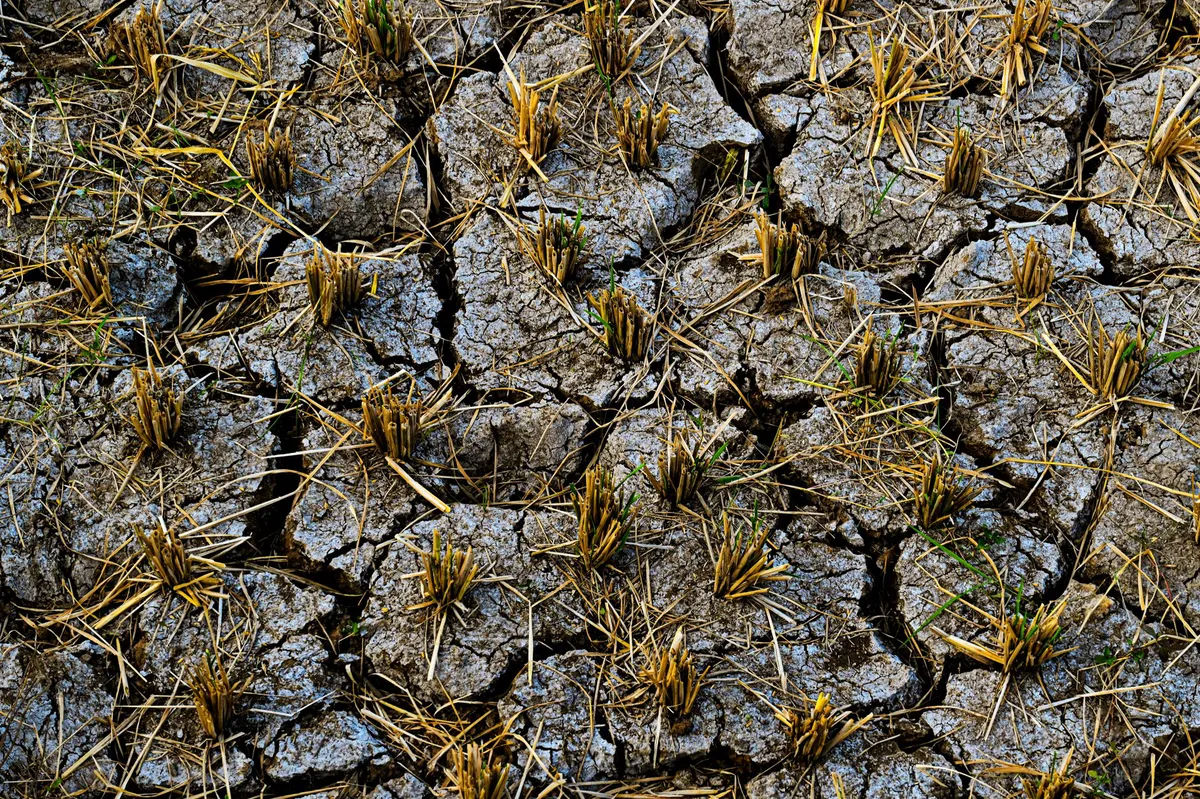
Conversely, countries like Australia and India may grapple with drought conditions, affecting crops and water supply. Farmers may need to consider adjusting their crop choices or investing in irrigation systems to mitigate the impacts of reduced rainfall. In these regions, agricultural insurance can be a vital tool to safeguard against potential losses due to weather-related challenges.
Insurance Considerations in Light of El Niño
As the forecast for a strong El Niño solidifies, individuals and businesses must reassess their insurance needs. The likelihood of extreme weather events necessitates a proactive approach to coverage. Here are some key considerations:
- Review Your Policy: Check for flood and earthquake coverage, especially if you live in areas vulnerable to these risks.
- Assess Risk Levels: Understand how your location and industry may be impacted by El Niño-related weather patterns.
- Consider Additional Coverage: Explore options for business interruption insurance, especially for industries vulnerable to weather disruptions.
Claims Preparedness
In the event of significant weather-related damage, familiarity with the claims process is essential. Document your property and possessions, and understand your insurance policy’s coverage limits and exclusions. This preparedness is crucial for a smoother claims experience should disaster strike.
Global Climate Context and Future Trends
The forecasted El Niño is not just a random weather event; it is a reflection of broader climate patterns influenced by global warming. The warming oceans, which exacerbate the intensity of El Niño, are a concerning indicator of climate change's impact. As global temperatures continue to rise, the frequency and severity of El Niño events may also increase, prompting further challenges for climate resilience and adaptation across the globe.
Long-Term Implications
Societal adaptations to these changing climate patterns are critical. Governments and organizations must invest in infrastructure improvements, build more resilient systems, and create comprehensive disaster response plans. Individuals must also take steps to prepare for the potential impacts of extreme weather events, whether that means securing adequate insurance coverage or making personal lifestyle changes to adapt to shifting conditions.
Key Takeaways
- A historic El Niño is predicted with a 69% chance of exceeding past records.
- Expect significant weather changes, with flooding in some areas and droughts in others.
- Individuals and businesses should review insurance policies to ensure adequate coverage for potential weather-related damages.
- The implications of El Niño extend beyond immediate weather impacts, touching on climate change and long-term societal resilience.
Frequently Asked Questions
What is El Niño and how does it form?
El Niño is a climate phenomenon characterized by the warming of sea surface temperatures in the central and eastern tropical Pacific Ocean. This warming disrupts normal weather patterns globally, leading to diverse weather impacts such as increased rainfall in some areas and drought in others. The phenomenon typically develops every 2 to 7 years and can last for several months to over a year.
How can I prepare for the impacts of El Niño?
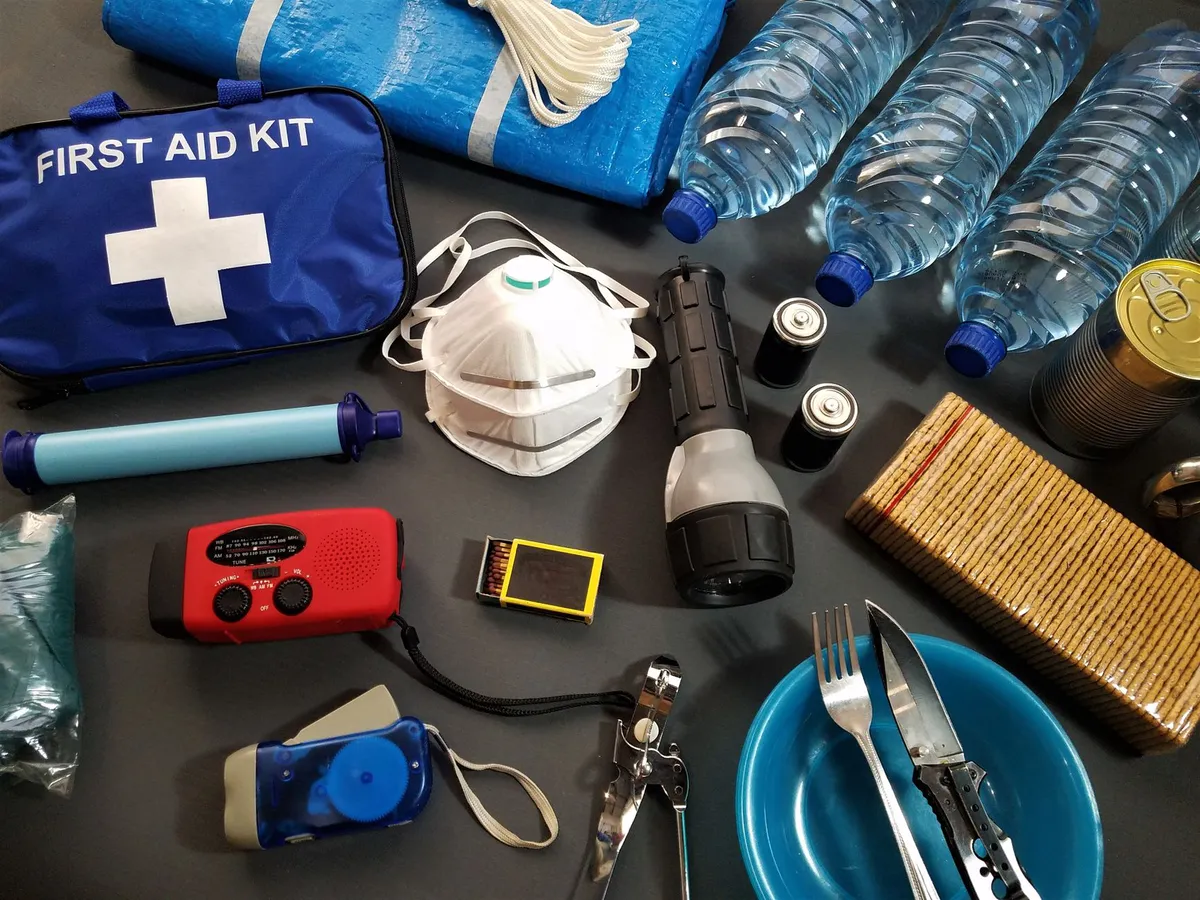
Preparation for El Niño impacts involves several practical steps. Homeowners should review their insurance policies to ensure they include coverage for flood and storm damage. It may also be wise to prepare emergency kits, have an evacuation plan in place, and stay informed about local weather forecasts. Businesses should assess their vulnerability to weather disruptions and consider business interruption insurance to mitigate potential losses.
Will El Niño affect global food supplies?
Yes, El Niño can significantly impact global food supplies by altering weather patterns critical to agriculture. Regions that typically experience drought may see reduced crop yields, while areas prone to flooding may suffer crop damage. As a result, food prices may rise, and food security could be threatened in affected regions. It’s crucial for farmers and agricultural businesses to monitor weather forecasts and adapt their practices accordingly.
Is climate change influencing the frequency of El Niño events?
There is ongoing research into the relationship between climate change and El Niño events. While El Niño occurrences are natural phenomena, climate change may exacerbate their intensity and frequency. As global temperatures rise, the conditions that lead to strong El Niño events could become more prevalent, making it essential to consider climate change in future weather predictions and disaster preparedness strategies.
Comments
Popular in Guides
- Texas Hill Country Floods: Lessons Learned and Warning Systems Tested
- El Niño: The Strongest Weather Phenomenon in Decades
- Meta's Controversial AI 'Nudify' Ads: A Deep Dive into the Scandal
- July 2026: The Hottest Month in U.S. History and Its Implications
- Record-Breaking Heat: The Impact of July 2026 on Climate and Insurance