El Niño: Preparing for a Historic Weather Event in 2026
As the U.S. Climate Prediction Center forecasts a 69% chance of a historic El Niño, experts urge communities to prepare for its widespread impacts on weather patterns, agriculture, and energy.
The U.S. Climate Prediction Center has raised alarms about an impending weather phenomenon that could redefine climatic conditions across the globe. With a 69% chance of a historic El Niño event unfolding during the October to December 2026 season, weather experts are bracing for significant impacts that could resonate across agriculture, energy sectors, and everyday life. This forecast marks a notable escalation in expectations, suggesting that we may soon experience the most potent El Niño in over seven decades, an event that could have profound implications for millions.
El Niño, a climate pattern characterized by the warming of ocean surface temperatures in the central and eastern Pacific, has a history of altering weather conditions worldwide. The implications are broad, affecting precipitation patterns, storm frequencies, and temperature extremes. As we approach the fall and winter of 2026-27, the Climate Prediction Center notes a greater than 90% likelihood of a very strong El Niño, which could lead to widespread droughts, floods, and temperature fluctuations.
Understanding El Niño: What It Is and Its Impact
El Niño is part of a larger climatic cycle known as the El Niño-Southern Oscillation (ENSO), which includes three phases: El Niño, La Niña, and neutral. This cycle influences weather patterns globally. El Niño events typically lead to warmer and wetter conditions in some regions, while causing droughts in others. The impacts can be so severe that they can disrupt not only local economies but also global supply chains.
The Mechanism Behind El Niño
This weather phenomenon occurs when warm water accumulates in the central and eastern tropical Pacific Ocean, leading to significant atmospheric changes. During an El Niño, the trade winds weaken, allowing warm water to spread eastward. This results in altered precipitation patterns and temperatures across various regions:
- Western North America: Increased rainfall and warmer temperatures.
- Southern Europe: Warmer winters with more precipitation.
- India and Australia: Drier conditions leading to potential droughts.
- The Caribbean and Central America: Drier than normal conditions through October.

Current Predictions and Historical Context
The current forecast indicates that temperatures in the Pacific Ocean have already reached 2°C (3.6°F) above normal in certain areas, reminiscent of the extreme conditions observed during the 1997 El Niño, which had significant global ramifications. The Climate Prediction Center has confirmed that the event is likely to strengthen through the end of the year, driven by unusually warm waters located deeper in the equatorial Pacific.
Historical data from past El Niño events reveals a pattern of disruption. For instance, the 1982-1983 and 1997-1998 El Niños resulted in massive flooding, crop failures, and global economic impacts. Understanding these patterns is crucial for preparing for potential outcomes in the upcoming months.
The Impacts on Agriculture and Energy Sectors
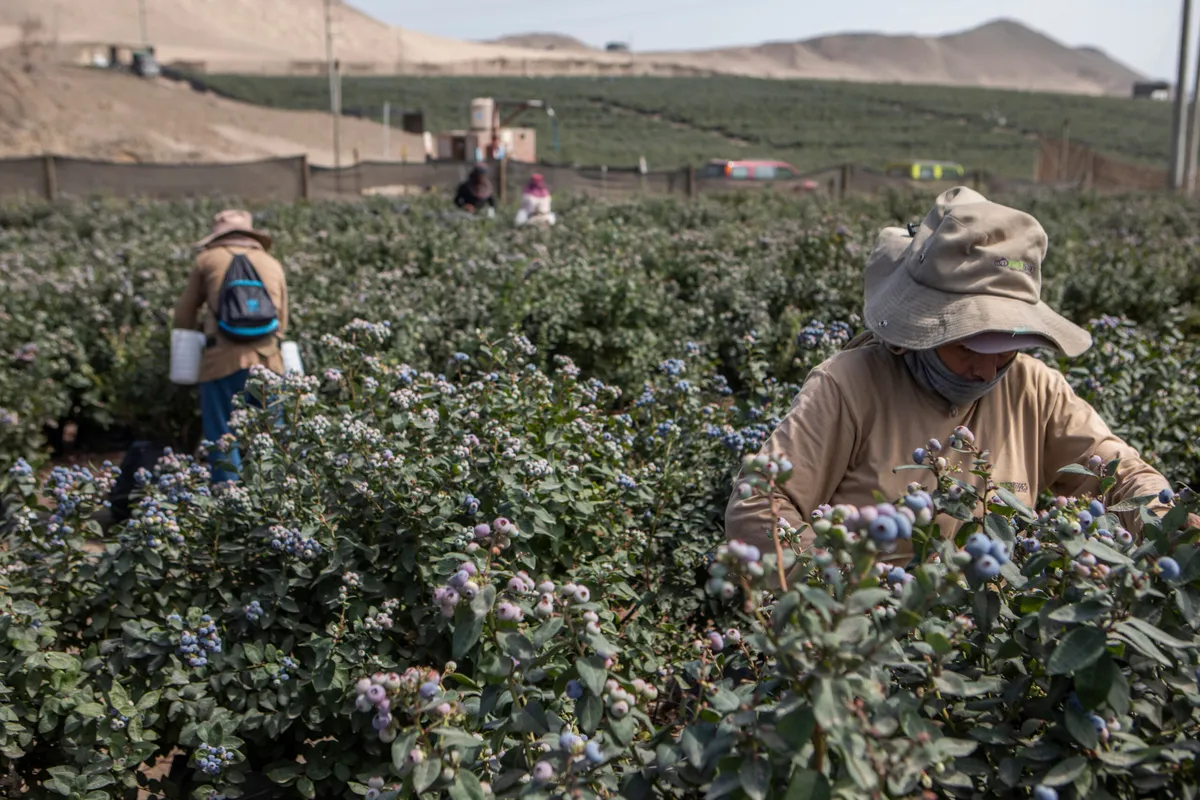
Farmers and energy producers are particularly vulnerable to the fluctuations caused by El Niño. As weather patterns shift, crop yields can be drastically affected. For example, regions that typically rely on consistent rainfall may face drought conditions, while others may experience excessive rainfall leading to flooding.
Agricultural Concerns
Farmers in the U.S. and around the world should prepare for potential changes in planting and harvesting schedules due to anticipated weather shifts:
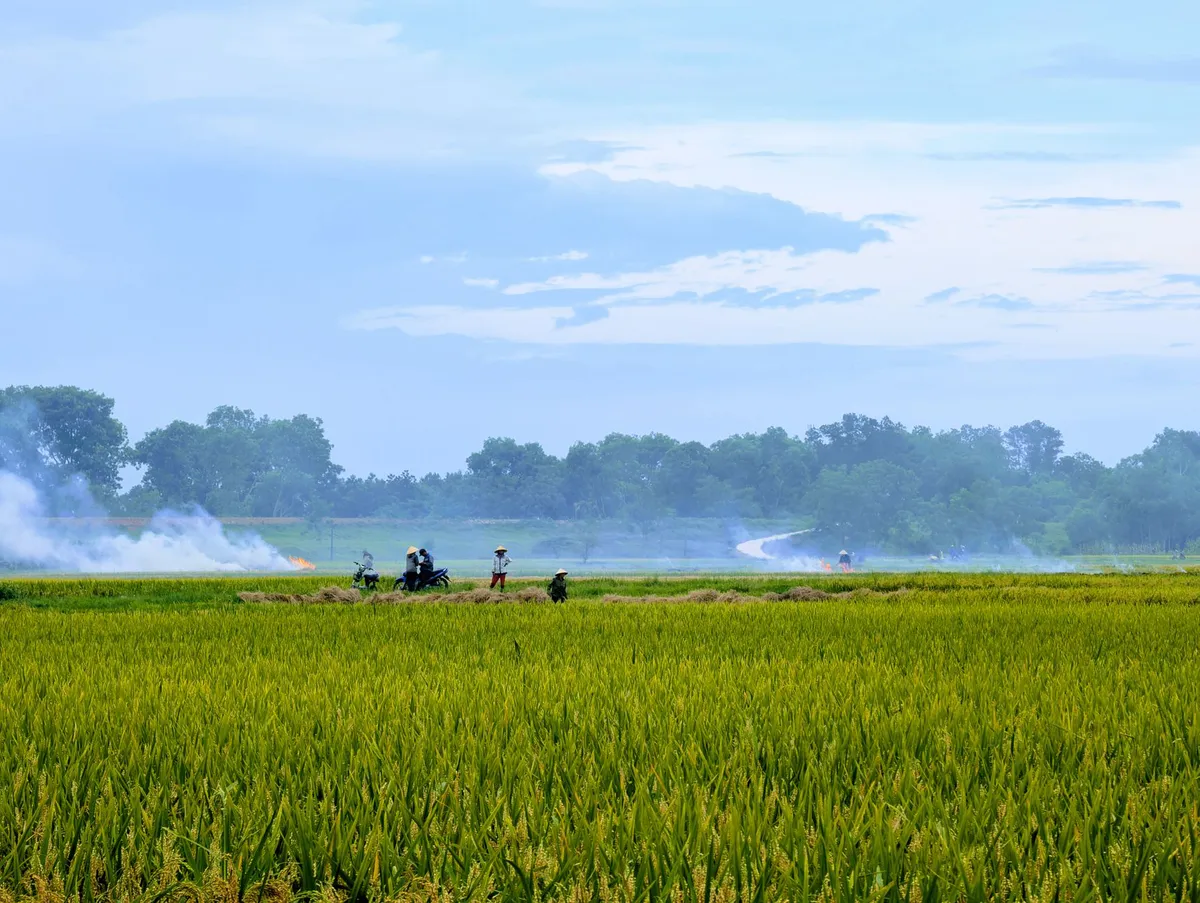
- **Drought in Australia and India**: Expect lower yields in staple crops like wheat and rice.
- **Flooding in the U.S. Midwest**: Increased rainfall could damage crops like corn and soybeans.
Energy Sector Vulnerabilities
Energy production could also face challenges. As temperatures rise, demand for cooling will increase, straining electrical grids. Furthermore, regions reliant on hydroelectric power could see reduced water flow due to drought conditions, impacting energy generation.
Community Preparedness Strategies
Given the high probability of a historic El Niño, communities should take proactive measures to mitigate potential impacts. Here are some strategies for individuals, businesses, and local governments:
- Risk Assessment: Evaluate the vulnerabilities of local infrastructure, especially in flood-prone areas.
- Emergency Plans: Develop and communicate emergency response plans for floods and droughts.
- Insurance Review: Review home and business insurance policies to ensure adequate coverage for extreme weather events.
- Public Awareness Campaigns: Educate the community about expected weather changes and preparedness options.

Key Takeaways
- El Niño is forecasted to be one of the strongest events in 76 years.
- A 69% chance exists for significant impacts from October to December 2026.
- Agriculture, energy, and local communities should prepare for potential disruptions.
- Understanding historical data can inform better preparedness strategies.
Frequently Asked Questions
What is the El Niño phenomenon?
El Niño is a climate pattern characterized by the warming of ocean surface temperatures in the central and eastern Pacific Ocean. It can lead to dramatic changes in weather around the world, affecting rainfall, temperature, and storm patterns. Understanding El Niño is essential for anticipating its effects on agriculture, water resources, and disaster preparedness.
How can individuals prepare for El Niño's impacts?
Individuals can prepare by reviewing their home insurance policies to ensure they are adequately covered for flood or drought damage. Additionally, staying informed about local weather forecasts and emergency preparedness plans can help mitigate risks. Communities should encourage public awareness campaigns to educate residents on the expected impacts and necessary precautions.
How long will El Niño last?
The current forecast suggests a 100% chance that El Niño will continue through March 2027, with a 97% chance it will last through April. This extended duration means that the effects could be felt for several months, making preparedness crucial for both individuals and communities.
Comments
Understanding Contract Formation in Insurance: Lessons from Farmers v. Wood
The recent Farmers Insurance v. Wood case underscores the importance of contract formation in insurance settlements. This article delves into the implications of the ruling and offers practical guidance for claims professionals.

Related articles

Popular in Guides
- Texas Hill Country Floods: Lessons Learned and Warning Systems Tested
- El Niño: The Strongest Weather Phenomenon in Decades
- Meta's Controversial AI 'Nudify' Ads: A Deep Dive into the Scandal
- July 2026: The Hottest Month in U.S. History and Its Implications
- Record-Breaking Heat: The Impact of July 2026 on Climate and Insurance