Midwest Derecho: A $35 Billion Storm Event Reshaping Insurance Landscape
The recent derecho that swept through the Midwest has pushed U.S. storm losses to an alarming $35 billion in 2026, illuminating the growing challenges faced by insurers. As severe weather events become more frequent, understanding their implications on homeowners and the insurance market is crucial.
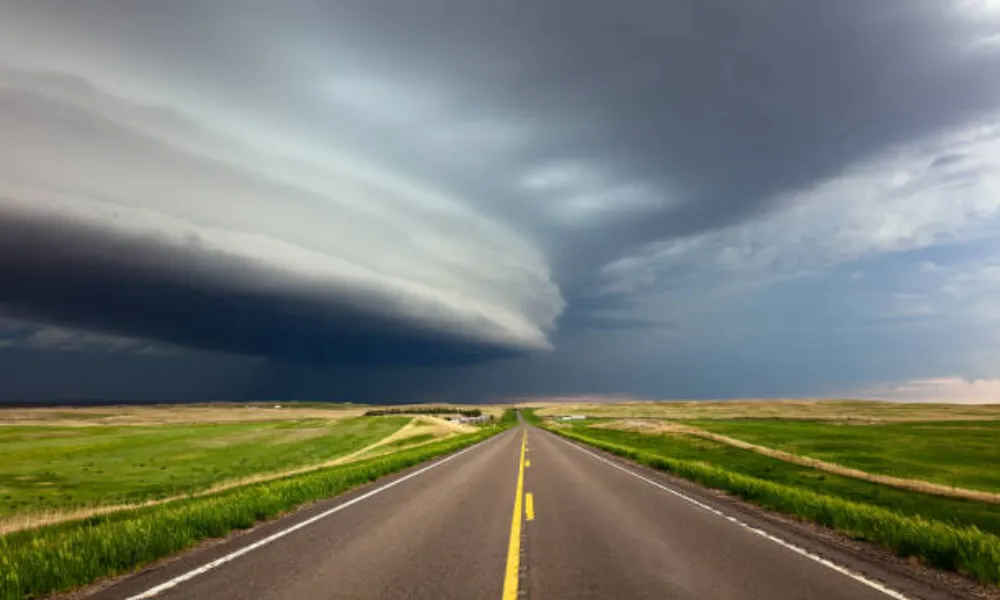
In mid-August 2026, a powerful derecho and a series of severe storms wreaked havoc across the Midwest, from Iowa to Kentucky, leaving a trail of destruction and pushing U.S. storm losses to a staggering $35 billion. This costly event marks a significant moment in a year already filled with severe convective storms, reflecting a troubling trend in weather volatility that is reshaping the insurance landscape in America. As the frequency and intensity of such events increase, both insurers and homeowners must adapt to a new reality characterized by escalating risks and financial implications.
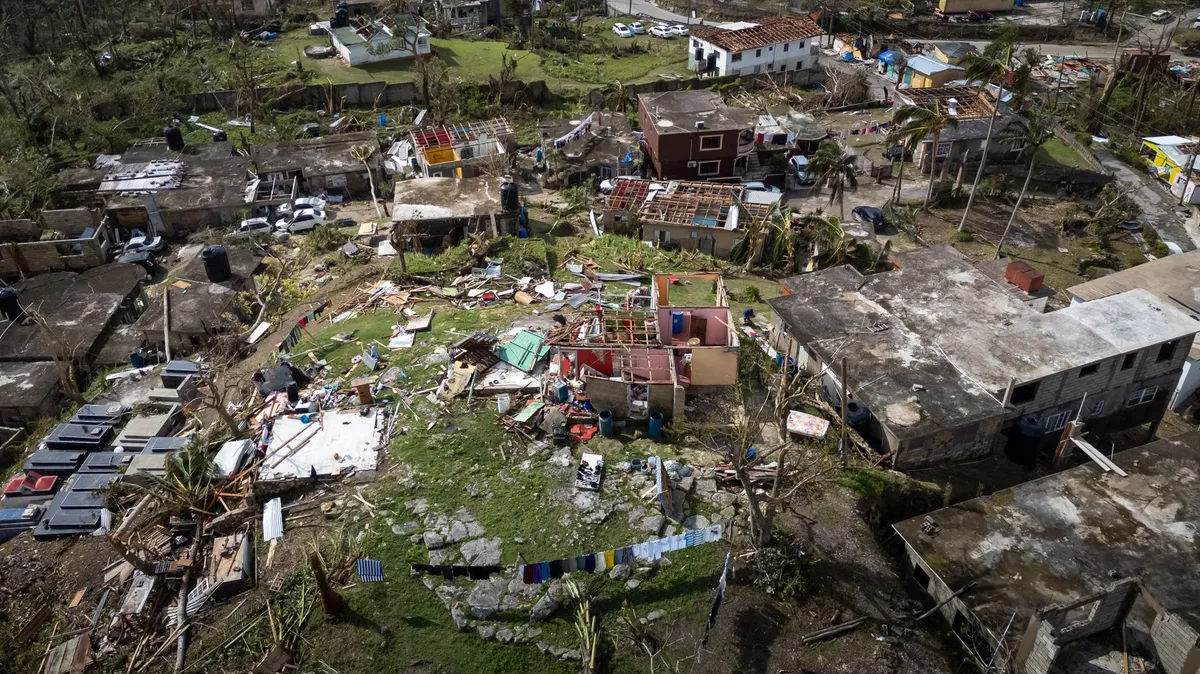
The derecho, which struck on August 11, produced wind gusts reaching nearly 90 mph, particularly impacting the Chicago area and parts of Indiana. The storms not only caused extensive wind damage but also spawned multiple tornadoes, with one EF-2 tornado reported to have maximum winds of 115 mph. The sheer scale of destruction led to over a million power outages, torn roofs, and submerged vehicles, prompting states of emergency in several affected regions. This event serves as a stark reminder of the potential consequences of severe weather on communities and the insurance industry.
Understanding the Derecho's Impact on Insurance Losses
The derecho's damage was not just a localized event; it has broad implications for the insurance market, particularly for homeowners in affected states like Illinois. According to estimates from industry leaders Aon and Gallagher Re, the financial toll from this storm could fall in the single-digit billions, contributing to an already impressive tally of severe storm losses for the year.
Historical Context and Current Trends
Gallagher Re highlighted that this event is at least the sixth severe convective storm outbreak in the U.S. this year that resulted in over a billion dollars in losses. The trend of multiple high-cost storm events has been consistent, with 2023 recording 11 such outbreaks, compared to 10 in 2024 and 7 in 2025. This pattern underscores a growing problem as the frequency of severe weather events continues to challenge the insurance industry.
- 2026 storm losses exceed $35 billion due to multiple severe convective storm events.
- Illinois has been particularly hard hit with over 200 confirmed tornadoes this year, setting a new record.
- A concentration of homeowners insurance in Illinois means that a few carriers will handle a large portion of claims, potentially affecting the speed of claims processing.
Market Concentration and Its Implications
The concentration of homeowners insurance providers in Illinois exacerbates the implications of such storm events. State Farm Group dominates the homeowners insurance market in Illinois, holding over 33% of the market share. This contrasts sharply with national averages, where State Farm's share is about 18.69%. The concentration means that a significant portion of claims from the derecho will be funneled through a small number of carriers, which could lead to bottlenecks in claims processing and settlement.
This market structure highlights the potential vulnerabilities that homeowners face in the event of large-scale disasters. If a single carrier becomes overwhelmed with claims, it can lead to delays and frustration for policyholders seeking timely assistance. Furthermore, the concentration could also impact premium rates and overall market stability in the long run, as carriers reassess their risk exposure in light of increasing storm activity.

Rising Costs and the Role of Wildfires
The derecho isn't the only natural disaster impacting insurance losses this year. Wildfires have also contributed significantly to the overall toll, with preliminary estimates suggesting that wildfires in Washington's second-largest metro area could lead to losses nearing a billion dollars. This compounding effect of various natural disasters illustrates a concerning trend for insurers and homeowners alike.
The occurrence of multiple billion-dollar events within a single year raises questions about the long-term sustainability of insurance models. Insurers may need to reassess their pricing structures and underwriting practices to account for this new reality, which could result in higher premiums for homeowners and businesses in storm-prone areas.
Looking Ahead: Risk Management and Preparedness
As severe weather becomes a more routine threat, both insurers and homeowners must adopt proactive strategies to manage risks. For homeowners, understanding their coverage options and ensuring they have adequate protection against severe weather events is paramount. This includes reviewing policy details, understanding deductibles, and exploring additional coverage options such as flood insurance, which may not be included in standard homeowners policies.
For the Insurance Industry
Insurers should focus on improving their risk assessment models and claims processing capabilities. With the trend of increasing storm activity, they must be prepared for a higher volume of claims and invest in technologies that streamline the claims process. Additionally, engaging in community risk reduction initiatives, such as supporting local storm preparedness programs, can help mitigate the impact of future disasters.
Key Takeaways
- The Midwest derecho has pushed U.S. storm losses in 2026 past $35 billion.
- Illinois has set a record for tornadoes this year, amplifying insurance risks.
- The concentration of homeowners insurance providers in Illinois may delay claims processing.
- Wildfires are compounding the financial toll on insurers, with losses projected to approach $1 billion.
- Homeowners should review their insurance policies to ensure adequate coverage for severe weather events.
Frequently Asked Questions
What is a derecho and how does it differ from other storms?
A derecho is a widespread, long-lived windstorm associated with a band of rapidly moving showers or thunderstorms. Unlike tornadoes, which are localized and can be very destructive in a small area, derechos can produce straight-line winds over a much larger area, causing extensive damage over hundreds of miles. The recent Midwest derecho exemplifies this with winds exceeding 90 mph across several states.
How can I prepare my home for severe weather events like derechos?
Preparing your home for severe weather involves several proactive steps. Ensure that your home is structurally sound and that your roof, windows, and doors can withstand high winds. Consider investing in storm shutters and ensuring that your landscaping does not include weak trees that could fall during storms. Additionally, having a disaster kit and an emergency plan in place can help you respond effectively when severe weather strikes.
What should I do if my home is damaged in a storm?
If your home suffers damage during a storm, the first step is to ensure your safety and the safety of your family. Once safe, document the damage with photographs and contact your insurance provider as soon as possible to start the claims process. Be prepared to provide details about the damage and any temporary repairs you may need to make to prevent further loss.
Will insurance premiums increase after such storm events?
While it is difficult to predict exact changes, insurers often reassess their pricing structures following significant storm events. The increase in claims and losses can lead to higher premiums for homeowners, particularly in storm-prone areas. It is advisable for homeowners to regularly review their insurance policies and shop around for competitive rates, especially after major weather events.
Comments
Bridging the Coverage Gap: Understanding Policyholder Shortfalls
A recent survey reveals that many home and auto policyholders feel their insurance coverage falls short. Discover the implications of these findings and what steps can be taken to ensure adequate protection.

Related articles



Popular in Home Insurance
- 2026 Sees Below-Average Severe Convective Storm Losses: What It Means for Insurance
- El Niño and Wildfires: Preparing for a Fire-Prone Future
- Young Affluent Collectors: The Underinsurance Dilemma in Luxury Investments
- Wisconsin Property Owner Sues City and Insurers Over Contamination Cleanup Costs
- Rising Catastrophe Risks: How Europe’s Insurers Are Adapting to Climate Change