El Niño and Wildfires: Preparing for a Fire-Prone Future
As El Niño looms, the risk of wildfires escalates across the U.S. This article explores the implications of climate change, insurance challenges, and how communities can protect themselves.
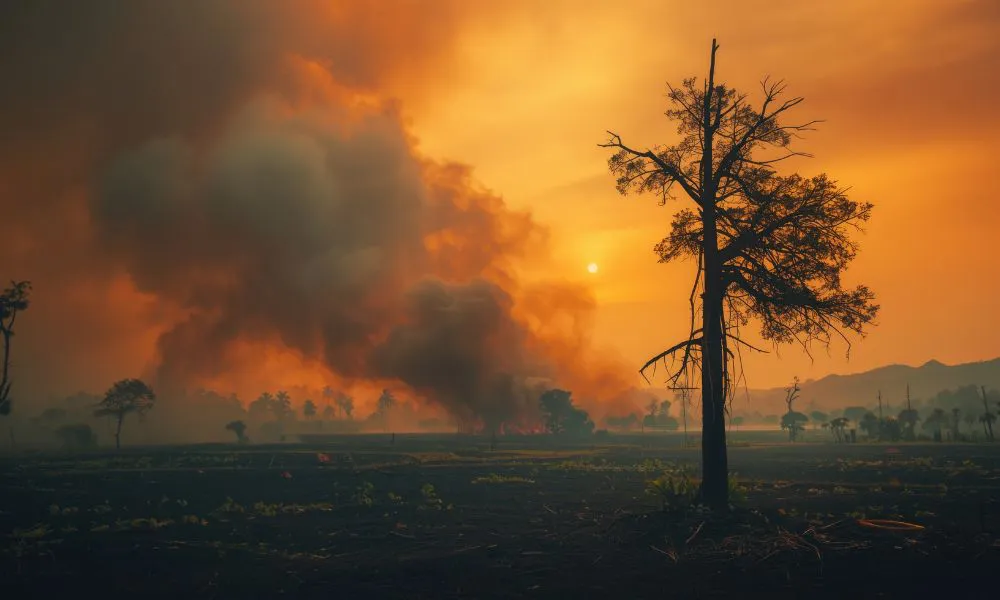
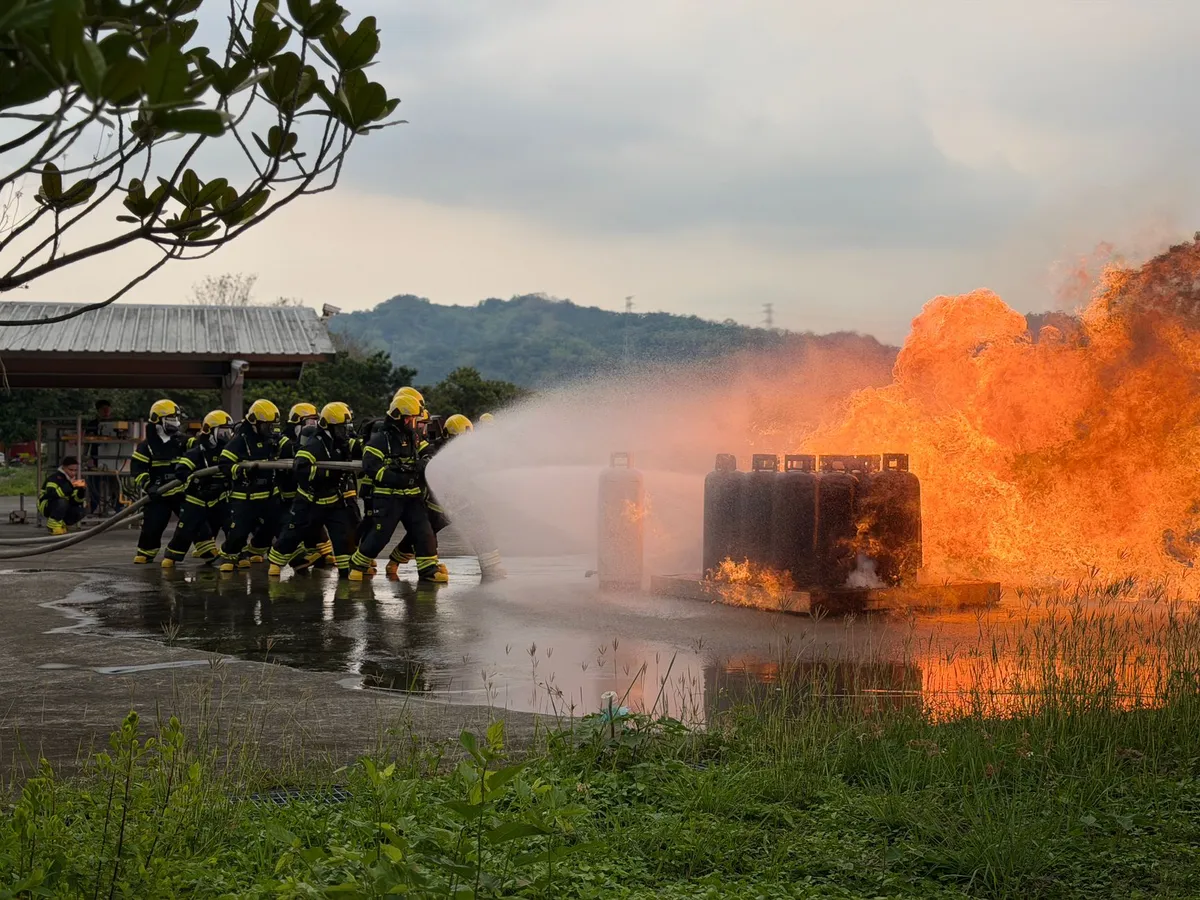
As summer approaches, a looming threat is on the minds of many across the United States: wildfires. The phenomenon of El Niño, known for altering weather patterns, is predicted to intensify the risks associated with these catastrophic events. With the potential for more frequent and severe wildfires, understanding the implications for homeowners, insurers, and communities is crucial.
In 2025, global natural catastrophe losses soared to an inflation-adjusted $232 billion, with weather-related disasters accounting for a staggering 92% of those losses. Insurers covered approximately $114 billion of these claims, underscoring the significant financial impact of climate-related events. Among these disasters, wildfires have become increasingly prevalent, particularly in areas like California, where January 2025 alone saw insured losses of $41 billion due to wildfires, with $28 billion stemming from homeowners' claims.
The Role of Climate Change
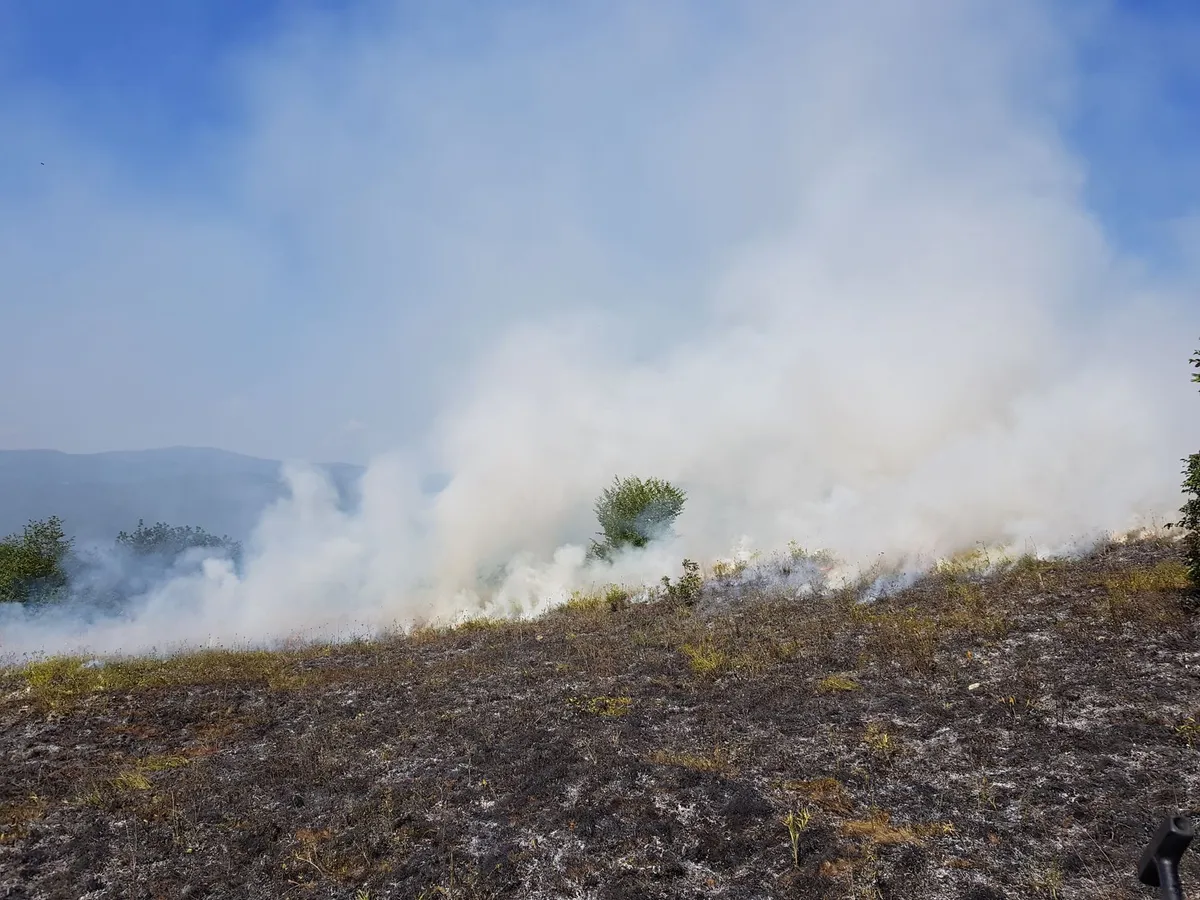
Climate change is a pervasive topic of discussion among insurance professionals and meteorologists alike. Bryan Wood, Property Catastrophe Risk Lead & Meteorologist at Munich Re Specialty, emphasizes the profound shifts in weather patterns over the past decade. As temperatures rise and rainfall becomes more erratic, traditional understandings of wildfire seasons have been rendered obsolete. No longer confined to the summer months, wildfire risks now extend throughout the year. Wood notes that firefighters have observed significant changes in nighttime temperatures, which are now 10 to 20 degrees warmer than they were a decade ago, eliminating the cooler evenings that once provided relief during firefighting efforts.
Year-Round Wildfire Seasons
With climate change extending the wildfire season, areas that were previously considered safe are now facing increased risks. In recent months, wildfires have ignited in unexpected regions such as the Southeastern U.S., where the spring of 2026 has already seen nearly 1.9 million acres burn across more than 25,500 incidents—far exceeding the 10-year average. Florida has been particularly hard hit, with nearly 120,000 acres scorched by fires exacerbated by intense drought conditions.
El Niño: A Double-Edged Sword
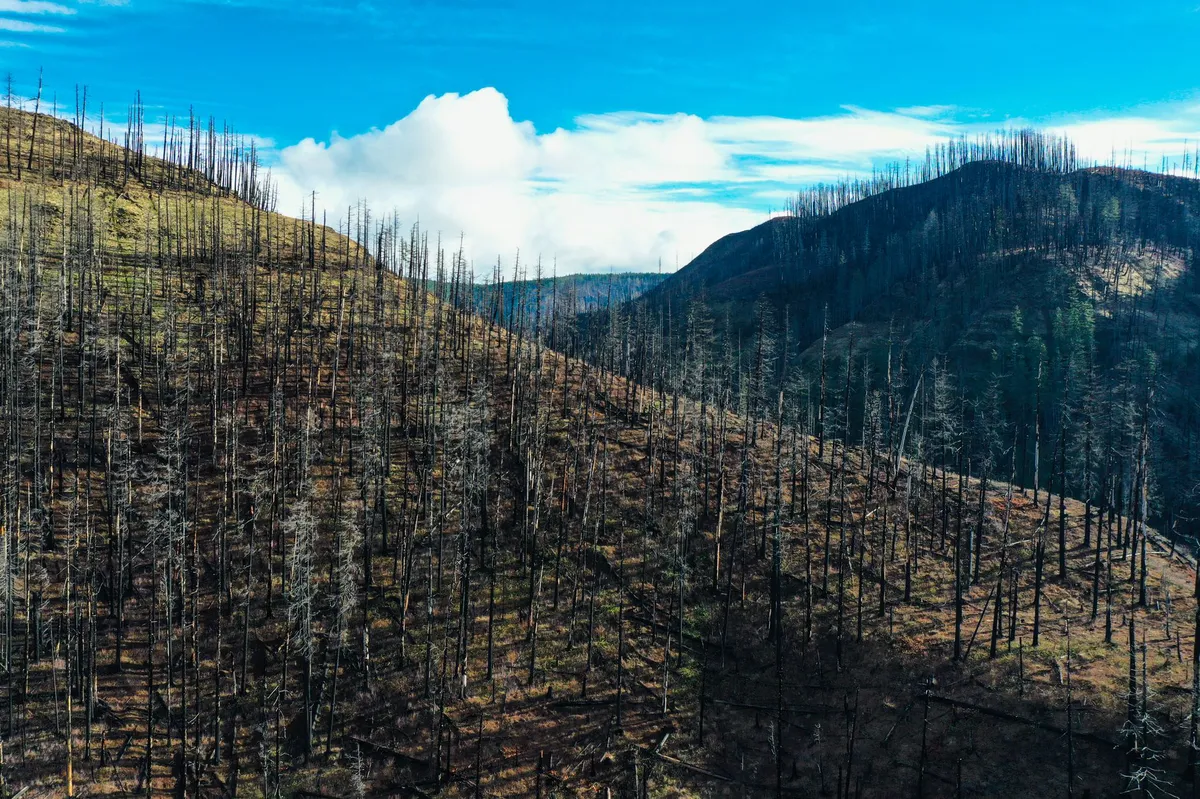
As weather patterns shift, the impending El Niño presents both challenges and unpredictability for wildfire management. Typically characterized by increased rainfall in the U.S. Southeast and Florida, El Niño can also lead to drier conditions in other regions. Wood highlights the paradox of El Niño's impact: while it may alleviate drought in some areas, it can simultaneously create conditions ripe for wildfires in others. For instance, the aftermath of Hurricane Helene left behind dead trees in Georgia and the Carolinas, turning these areas into potential tinderboxes.
The Domino Effect of Wildfires
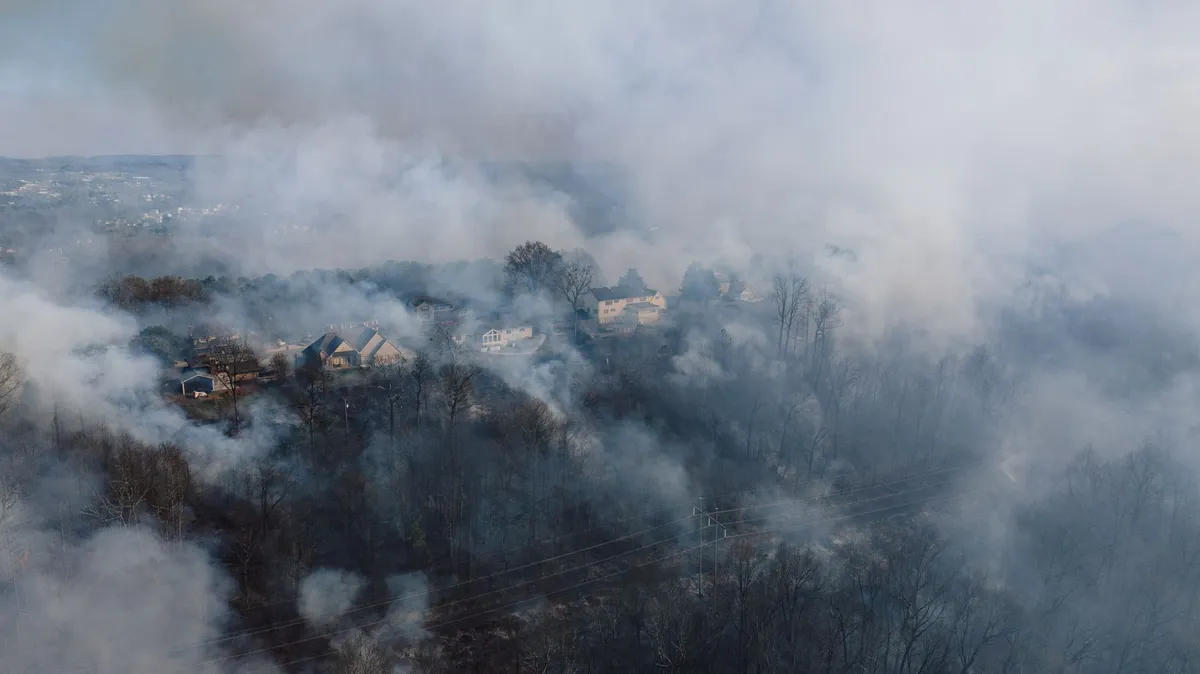
The nature of wildfires poses unique challenges to communities. Wood explains that wildfires transitioning from vegetation to buildings significantly increase the danger. Once flames begin to consume structures, they create a conflagration that leads to more intense heat and dense smoke, making containment increasingly difficult. The interconnectedness of homes in suburban areas means that a single weak link—such as a flammable material—can endanger an entire neighborhood.
- Wildfire season is no longer seasonal: Climate change has led to year-round wildfire risks.
- Community risks: The transition from wildfires to building fires creates a domino effect.
- El Niño's dual impact: Increased rainfall in some areas can lead to drought in others.
Insurance Challenges and Opportunities
The implications of these wildfire patterns have significant consequences for insurance companies and homeowners. As losses mount, insurers are being compelled to reevaluate their strategies for underwriting, claims processes, and risk management. Wood notes that the insurance landscape is evolving, with a strong emphasis on community-driven solutions to mitigate wildfire risks.
Community-Driven Approaches
One of the key takeaways from recent wildfire events is the necessity for a proactive community approach to risk management. Homeowners are encouraged to think beyond their individual properties and consider the collective resilience of their neighborhoods. Initiatives such as the Insurance Institute for Business and Home Safety's development of homes built to wildfire-resistant standards demonstrate the potential for community-focused solutions. By addressing vegetation management and building practices at the neighborhood level, the likelihood of widespread damage during a wildfire can be significantly reduced.
Innovative Solutions and Future Outlook
As the risks associated with wildfires continue to escalate, innovation in insurance coverage is becoming increasingly important. Wood anticipates that insurers will explore new coverage options, including mitigation credits that reward neighborhoods for collective efforts in risk management. By offering discounted premiums or reduced deductibles for communities that invest in wildfire prevention measures, insurers can promote a culture of preparedness and resilience.
Looking Ahead
The future of wildfire management and insurance is contingent upon collaboration among insurers, local governments, and communities. As Wood emphasizes, the most effective solutions will arise from a collective understanding of wildfire risks and a commitment to proactive measures. Whether through community landscaping initiatives or improved building materials, meaningful change will require the involvement of all stakeholders.
Key Takeaways
- Wildfire risks are extending beyond traditional seasonal timelines due to climate change.
- Community involvement is essential for effective wildfire risk management.
- Innovative insurance solutions, such as mitigation credits, may help incentivize proactive measures.
- El Niño poses both challenges and opportunities for wildfire management across the U.S.
- Insurance professionals are adapting to new realities in wildfire risk assessment and coverage.
Frequently Asked Questions
How can communities better prepare for wildfires?
Communities can enhance their wildfire preparedness through coordinated efforts in vegetation management, building regulations, and emergency response planning. Establishing clear communication channels among residents and local authorities can facilitate quick responses to emerging threats. Additionally, neighborhood programs focused on fire-resilient landscaping and construction practices can significantly reduce vulnerability.
What should homeowners consider when assessing wildfire risk?
Homeowners should evaluate their properties' proximity to wildland areas and the types of materials used in their homes. Flammable materials, such as wooden decks or untreated siding, can increase risk. Implementing fire-resistant landscaping, maintaining defensible space, and using non-combustible materials for construction can help mitigate risks.
What role do insurers play in wildfire risk management?
Insurers are increasingly recognizing the importance of community risk management in addressing wildfire threats. They can provide incentives for homeowners and communities to adopt fire-resistant measures, offer educational resources, and develop coverage options that reflect the changing risk landscape. By collaborating with local governments and fire departments, insurers can contribute to more effective wildfire mitigation strategies.
How does El Niño influence wildfire activity?
El Niño affects weather patterns across the United States, leading to increased rainfall in some regions while causing drier conditions in others. These fluctuations can create environments conducive to both drought and wildfires, complicating the landscape for fire management. Understanding El Niño's cyclical nature is essential for preparing for potential wildfire risks associated with its occurrence.
Comments
Navigating the Challenges of Office-to-Housing Conversions in NYC
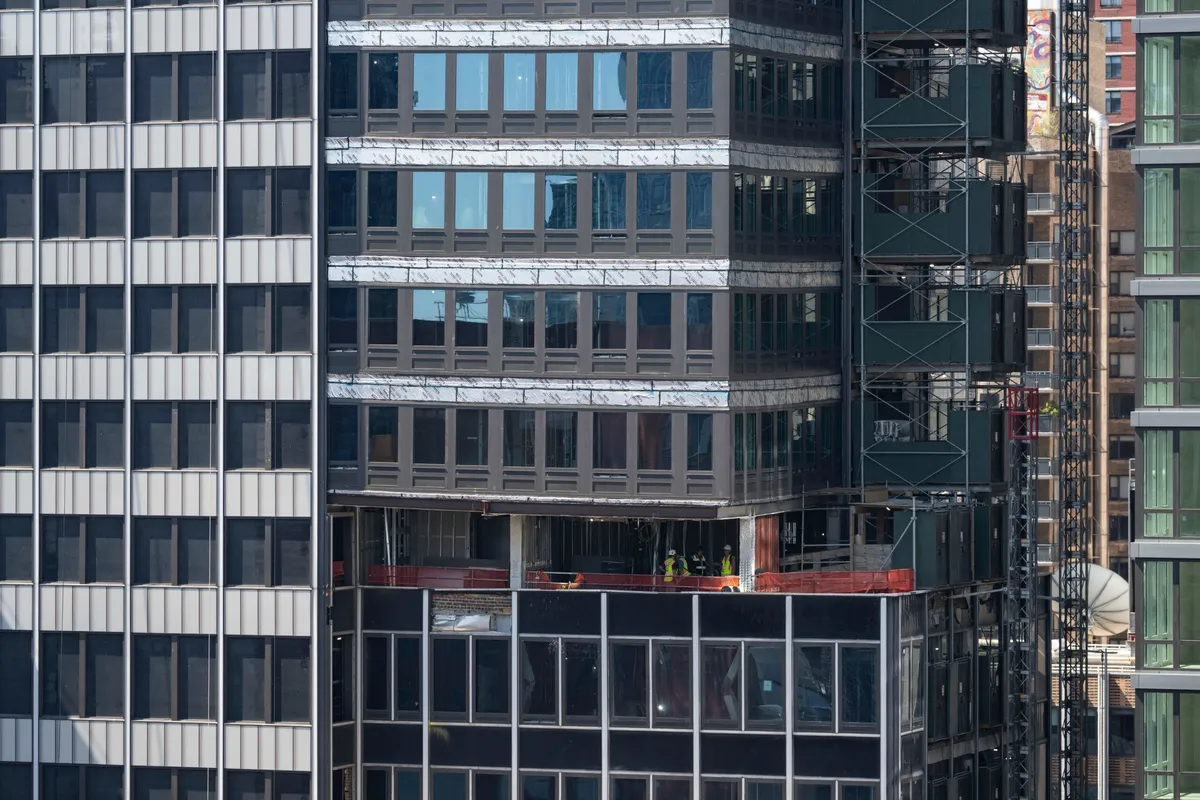
The recent structural failure in Manhattan underscores the complexities of transforming office spaces into residential units, a growing trend to address housing shortages in the wake of the COVID-19 pandemic.
Related articles

Popular in Home Insurance
- 2026 Sees Below-Average Severe Convective Storm Losses: What It Means for Insurance
- Young Affluent Collectors: The Underinsurance Dilemma in Luxury Investments
- Wisconsin Property Owner Sues City and Insurers Over Contamination Cleanup Costs
- Rising Catastrophe Risks: How Europe’s Insurers Are Adapting to Climate Change
- Tornado Alley Expands: New Risk Factors for Insurance in the U.S.