Rising Catastrophe Risks: How Europe’s Insurers Are Adapting to Climate Change
As Europe faces unprecedented wildfire risks amid rising temperatures, insurers are re-evaluating their strategies and premiums. With climate-related losses expected to double, the industry is adapting to a new reality.
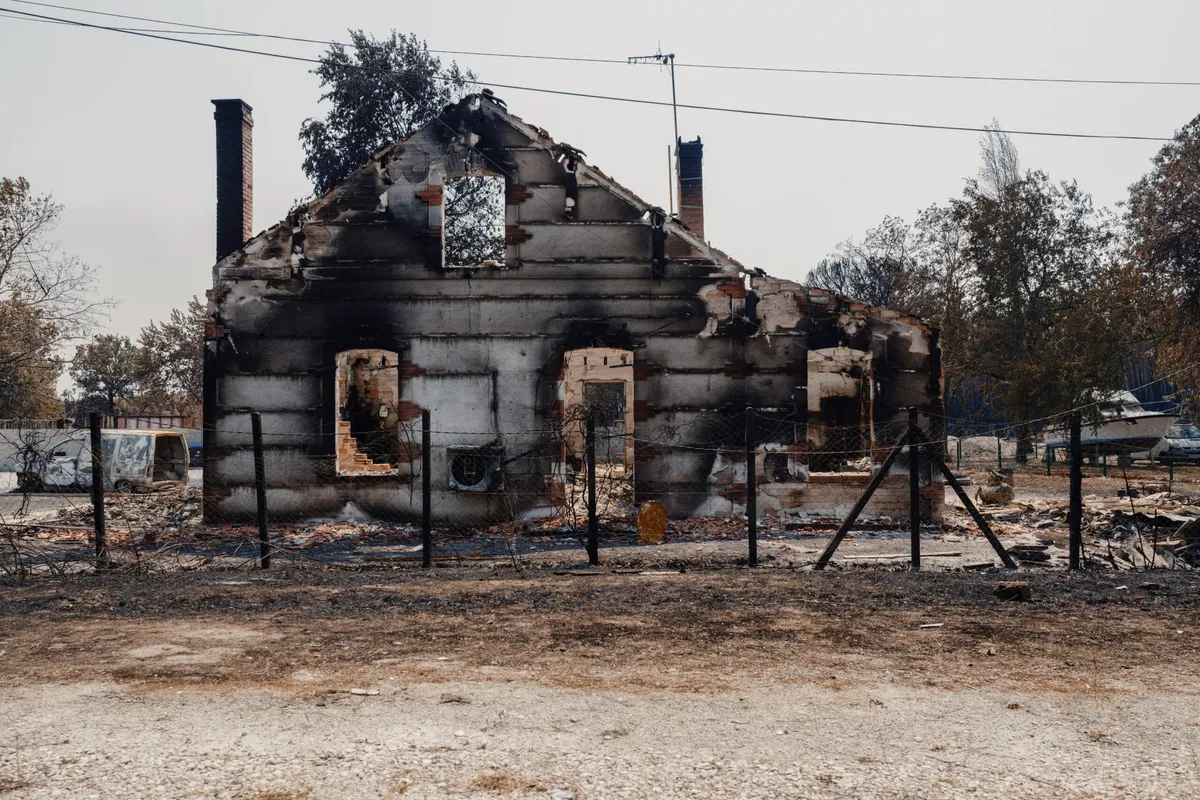
The summer of 2026 marks a pivotal moment for the insurance industry in Europe as wildfires rage across the continent, exacerbated by the fastest rise in temperatures recorded. Insurers, reinsurers, and brokers are not merely reacting to these alarming incidents; they are engaged in a thorough reassessment of risk—one that acknowledges the permanence of climate change and its financial implications. With predictions of escalating premiums and unprecedented losses tied to natural disasters, the industry's landscape is shifting dramatically.
As the climate crisis unfolds, the insurance sector is taking proactive steps to understand how these changes will redefine their risk assessments and client relations. Will Bruce, the global head of climate risk consulting for Aon Plc, emphasizes that the industry is "actively evaluating" the implications of rising temperatures on catastrophe risk. This evaluation isn't just a response to current events; it reflects a recognition of a long-term trend that demands a comprehensive reevaluation of risk models and resource allocation.
Understanding the Shift in Catastrophe Risk
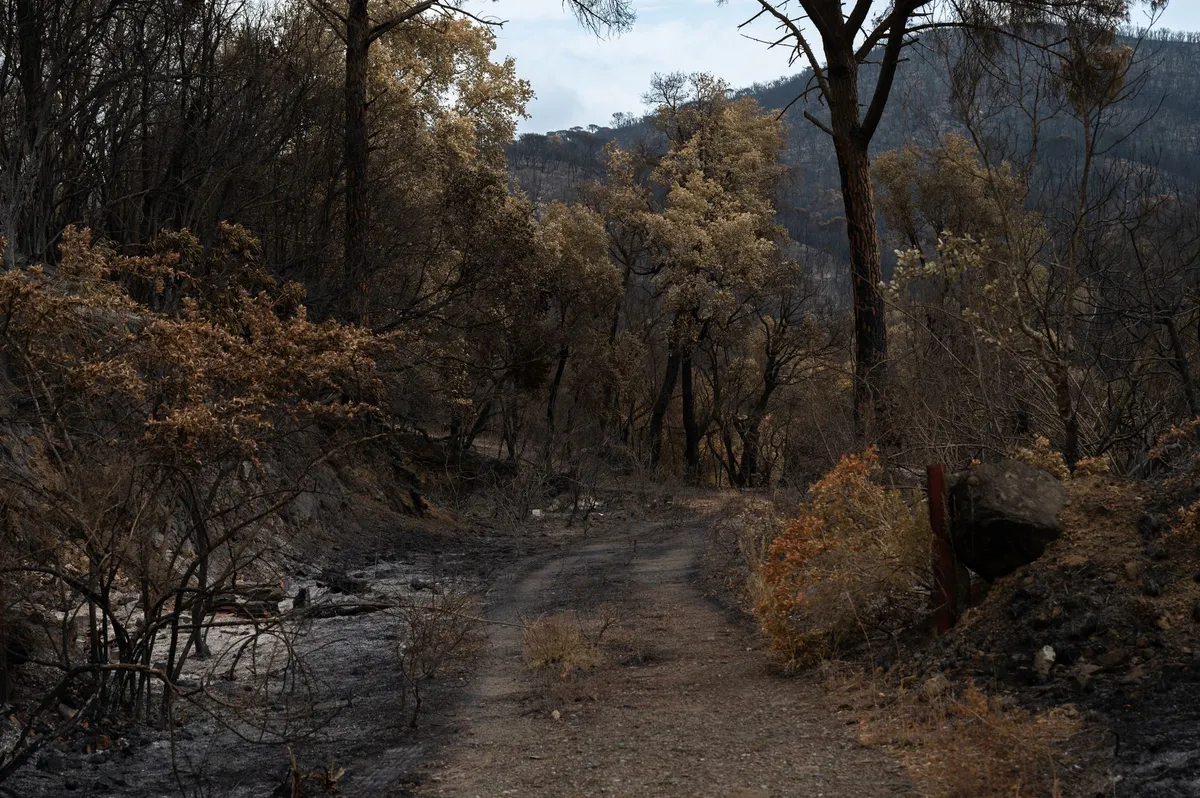
The implications of climate change on insurance extend far beyond the immediate financial impacts of wildfires. According to Munich Re, the combination of El Niño effects and global warming has created a "dangerous mix" that is expected to drive up losses in the latter half of 2026. Regions across Europe, once considered safe from wildfire threats, are now experiencing heightened risk levels. For instance, forecasts indicate that parts of Scandinavia will face "very high" fire dangers, a stark contrast to historical norms.
Wildfire Damage and Economic Implications
The financial fallout from wildfires can be staggering. For example, Spain's wildfire season in 2025 resulted in approximately €5 billion in economic losses, of which only €1 billion was insured. This discrepancy highlights a significant gap in coverage and underscores the need for insurers to reassess their risk calculations. Tyson Vickery, managing director at Marsh, points out that the financial repercussions of wildfires extend beyond property damage, as factors like business interruption due to evacuation orders can lead to significant economic losses even when physical structures remain intact.

Innovative Solutions and Risk Management Strategies
In response to the evolving risk landscape, insurers are exploring innovative solutions to better manage and mitigate wildfire risks. Allianz, Europe's largest primary insurer, has implemented advanced AI-driven satellite technology for wildfire detection, which has already generated hundreds of alerts this season. This proactive approach not only aids in immediate response but also enhances customer communication during crises. However, these technological solutions come with limitations, and the industry is still grappling with the fundamental shifts in risk exposure.
Reassessing Risk Models
Historical data has proven insufficient for predicting future losses in this changing climate. As Bruce from Aon suggests, the insurance industry must increasingly rely on forward-looking scenario analyses to create more accurate risk models. This necessity is echoed by Stephanie Duraffourd of Assurland, who notes that no region is immune to climate-related hazards anymore. Consequently, risk assessments are undergoing significant adjustments, leading to potential premium increases across various regions.

Financial Implications and the Role of Catastrophe Bonds
The financial strategies employed by insurers are evolving in tandem with the risks they face. Catastrophe bonds (cat bonds) have emerged as a crucial tool for transferring unmanageable risks to the capital markets. These bonds allow insurers to offload financial burdens in the event of a catastrophe, while investors may reap rewards if no such event occurs. The market for cat bonds saw a significant rise last year, with over $5 billion issued globally, reflecting a growing acknowledgment of wildfire risks among investors.
The Need for Comprehensive Coverage
Despite innovative strategies, the current state of wildfire insurance coverage remains inadequate in several European countries. For instance, in Spain and France, wildfire risk is not included in state-backed natural disaster compensation frameworks. This gap raises critical questions about the future of insurance coverage for climate-related events. Manuel Arrive from Fitch Ratings highlights the urgency for European insurers to consider extending public-private partnerships to encompass wildfire risks and other climate-related perils.
Preparing for the Future: A Call to Action
As Europe grapples with the financial realities of increasing climate-related losses—expected to double every eight to nine years—the emphasis must shift from merely redistributing losses post-catastrophe to proactive measures aimed at risk reduction. Matthias Trüstedt from Allianz underscores the urgency of focusing on prevention rather than recovery, arguing that the industry must prioritize protection against potential losses in the first place.
This proactive stance not only helps mitigate financial impacts but also plays a crucial role in attracting investment into insurance products designed to withstand climate change effects. By fostering resilience and recovery through innovative financial instruments and comprehensive risk coverage, the insurance industry can better navigate the tumultuous landscape ahead.

Key Takeaways
- Climate Change Impact: Europe is experiencing unprecedented wildfire risks due to rising temperatures.
- Insurance Strategies: Insurers are reevaluating risk models and premium structures to adapt to new realities.
- Innovative Technologies: Advanced detection systems are being employed to manage wildfire risks more effectively.
- Financial Tools: Catastrophe bonds are becoming essential for transferring risks to capital markets, reflecting growing investor interest.
- Focus on Prevention: The insurance industry must emphasize risk reduction strategies to prepare for an uncertain future.
Frequently Asked Questions
What are the main factors driving the increase in wildfire risks in Europe?
The primary factors contributing to the increased wildfire risks in Europe include rising global temperatures due to climate change, changing weather patterns, and the influence of phenomena like El Niño. These elements create a volatile environment where wildfires can ignite and spread more easily, affecting regions previously considered safe.
How are insurance premiums expected to change due to climate risks?
As insurers reassess the landscape of catastrophe risks, it is anticipated that premiums will rise significantly across various regions. This increase will reflect the heightened risk of natural disasters, particularly wildfires, and the need for insurers to cover potential losses more effectively. Consumers should prepare for adjustments in their insurance costs as the industry adapts to these challenges.
What role do catastrophe bonds play in managing wildfire risks?
Catastrophe bonds serve as a financial tool for insurers to transfer the risk of catastrophic events, such as wildfires, to the capital markets. By issuing these bonds, insurers can offload potential losses to investors willing to take on the risk, thereby stabilizing their financial position. This mechanism has gained traction as investors recognize the increasing threat of climate-related disasters.
What steps can consumers take to protect themselves from wildfire risks?
Consumers can take several proactive measures to protect themselves from wildfire risks. This includes maintaining defensible space around their properties, investing in fire-resistant building materials, and staying informed about local fire regulations and warning systems. Additionally, reviewing insurance policies to ensure adequate coverage for wildfire risks is crucial in today’s changing climate.
Comments
Popular in Home Insurance
- 2026 Sees Below-Average Severe Convective Storm Losses: What It Means for Insurance
- El Niño and Wildfires: Preparing for a Fire-Prone Future
- Young Affluent Collectors: The Underinsurance Dilemma in Luxury Investments
- Wisconsin Property Owner Sues City and Insurers Over Contamination Cleanup Costs
- Tornado Alley Expands: New Risk Factors for Insurance in the U.S.