2026 Sees Below-Average Severe Convective Storm Losses: What It Means for Insurance
Karen Clark & Company projects below-average insured losses from severe convective storms in 2026, highlighting regional shifts and implications for homeowners insurance.
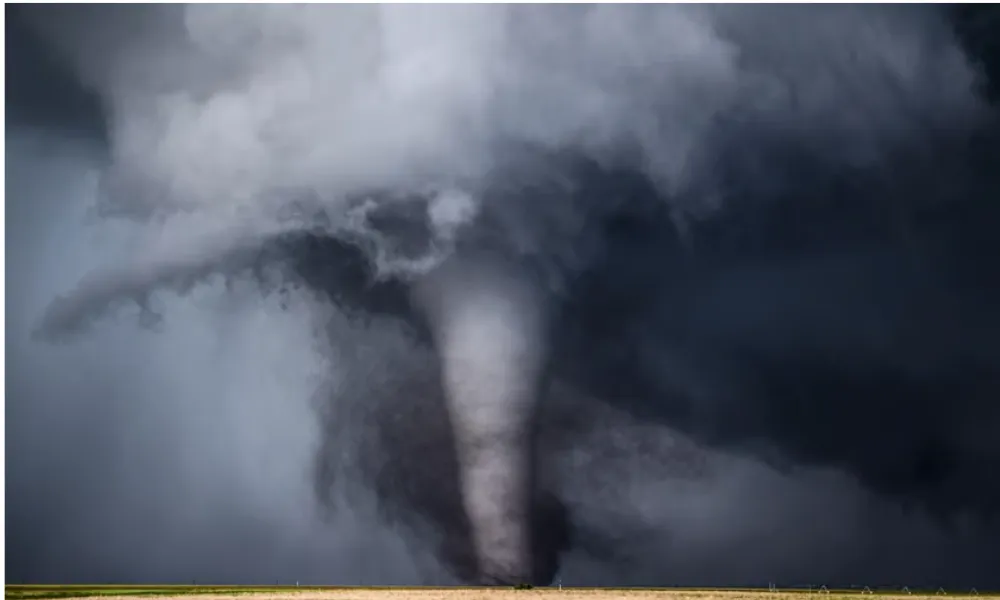
The landscape of severe convective storm (SCS) losses in the United States is undergoing a notable transformation as we step into 2026. According to the catastrophe risk modeling firm Karen Clark & Company (KCC), early indicators suggest that insured losses from severe storms will be below average this year. This projection is not just a statistic; it carries significant implications for homeowners, insurers, and the broader insurance landscape as we navigate a shifting climate and evolving risk management strategies.
KCC's analysis reveals that the first half of 2026 has shown a marked decrease in storm activity, with losses recorded through June accounting for over 75% of total annual SCS losses in previous years. This trend highlights the predictive power of early-year data, indicating that the lull in severe convective storms may continue through the remainder of the year. Despite several multi-billion-dollar storm events earlier this year, particularly during the high-activity spring months, the overall losses have remained significantly lower than expected. The reasons behind this downturn are complex, involving both meteorological factors and broader industry dynamics.
Understanding Severe Convective Storms
Severe convective storms are a type of thunderstorm characterized by strong winds, hail, and tornadoes. These storms pose a considerable risk to life and property, particularly in regions like the Southeast and Texas, where such events are historically common. The financial repercussions of these storms can be staggering, with insured losses often reaching billions of dollars annually.
To appreciate the current projections, it's essential to understand how severe weather impacts the insurance industry. When storms strike, they can lead to extensive property damage, triggering a wave of insurance claims. Insurers then face the challenging task of balancing the need for adequate premium pricing against the financial realities of claim payouts. The interconnectedness of storm activity, policy pricing, and underwriting standards creates a complex web that affects millions of homeowners across the nation.
2026's Shift in Severe Storm Activity
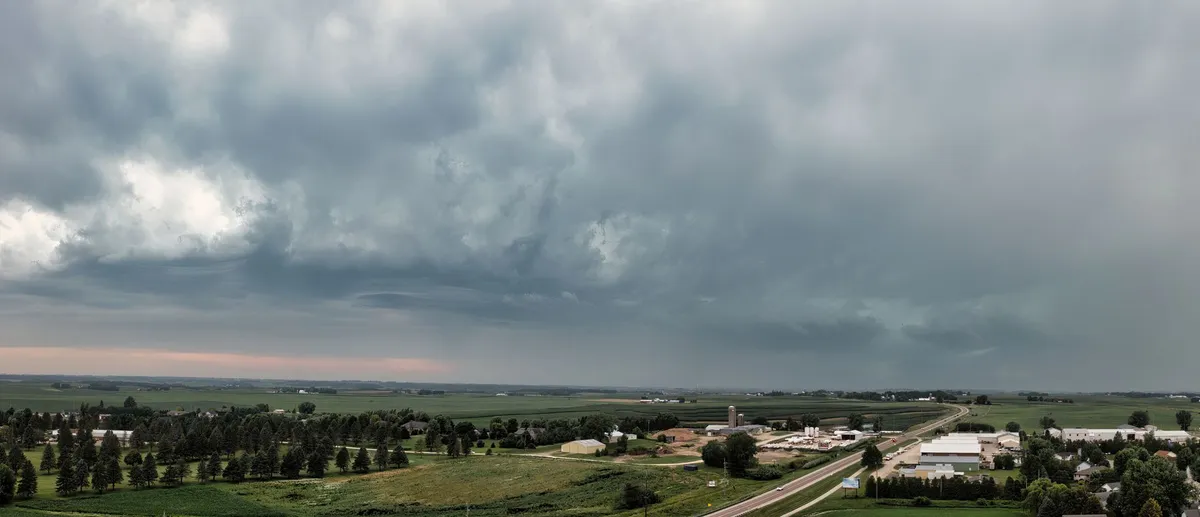
KCC's forecast points to a geographic shift in storm-related losses for 2026. While the Southeast and Texas typically experience heavy losses during severe storm seasons, this year, the Upper Midwest is expected to bear a larger share of the burden. The first half of 2026 has seen record tornado activity in states like Illinois and Indiana, with spring storms producing notable hail and tornado damage. This regional shift is a critical development, as it underscores the changing patterns of severe weather and the need for insurers to adapt their risk assessments accordingly.
Factors Influencing Storm Activity
The diminished storm activity in the Southeast during May, which is usually a peak month for severe weather, can be attributed to a persistent high-pressure system that inhibited the southerly storm tracks typically driven by the jet stream. This high-pressure pattern brought warm, dry air, effectively suppressing convective storm development. Consequently, the Southeast experienced prolonged drought conditions and an uptick in wildfire activity, further complicating the region's risk profile.
Insurance Implications: Rates and Coverage
While KCC's projections reflect an overall decrease in storm losses, the implications for homeowners insurance are more nuanced. Despite the lower-than-expected losses, the reality is that severe convective storms have continued to exert upward pressure on homeowners insurance pricing. Insurify predicts a national average increase of approximately 4% in home insurance premiums for 2026, marking the fifth consecutive year of rate hikes.
This trend is particularly pronounced in hail-prone states such as Minnesota, Colorado, Iowa, Nebraska, and Oklahoma, where some regions have seen rate increases exceeding 20% over the past year. With over 43.5 million properties across the U.S. facing moderate or greater hail risk, the financial exposure to severe convective storms remains a pressing concern for insurers and policyholders alike.

Rising Deductibles and Policy Adjustments
In response to the ongoing threat posed by severe storms, many insurers are raising wind and hail deductibles or shifting risk into the excess and surplus lines market. This move reflects a broader strategy to manage exposure while ensuring that coverage remains available for high-risk properties. Standalone wind coverage and deductible buyback options have become more common as traditional carriers reassess their risk appetite.
The Reinsurance Market Landscape
The implications of a quieter SCS year also extend into the reinsurance and insurance-linked securities (ILS) markets. Aon has noted that lower-than-average SCS losses decrease the volume of losses cedants pass on to reinsurers. This trend occurs even as ongoing midsized events continue to generate volatility for property writers.
At the same time, the reinsurance market is experiencing a substantial buildup of capital, estimated at approximately $790 billion globally as of the first quarter of 2026. This influx has intensified competition during the spring and summer renewal seasons, creating a complex environment for insurers as they navigate pricing and coverage options.

Utilizing Advanced Data Models
For insurers and ILS investors, KCC's SCS model offers advanced analytics to track storm activity in real time. Utilizing AI-informed physical modeling and extensive atmospheric data, this model allows for daily accumulation of losses by event, facilitating ongoing risk assessment. This capability enables insurers to mark their portfolios to market more effectively, enhancing their ability to manage exposure amid a rapidly changing risk environment.
Key Takeaways
- Below-Average Losses: Insured losses from severe convective storms in 2026 are projected to be below average, influenced by early-year storm activity.
- Regional Shifts: The Upper Midwest is expected to see increased storm losses, while the Southeast and Texas may experience below-normal activity.
- Insurance Premiums Rise: Home insurance premiums continue to increase, with an estimated 4% rise expected in 2026.
- Deductible Adjustments: Insurers are raising deductibles and shifting risks into surplus lines to manage exposure.
- Reinsurance Competition: A significant buildup of reinsurance capital is intensifying competition, impacting pricing strategies.
Frequently Asked Questions
What are severe convective storms, and how do they impact insurance?
Severe convective storms are characterized by strong winds, hail, and tornadoes, posing significant risks to life and property. These storms can lead to high insured losses, prompting insurers to adjust premiums and coverage options. The financial repercussions of these storms can affect millions of homeowners, making understanding their patterns crucial for effective risk management.
How do changing storm patterns affect insurance rates?
As storm patterns shift geographically, insurers must reassess their risk exposure, which can lead to adjustments in premium pricing. In regions experiencing increased storm activity, rates may rise to reflect the heightened risk, even if overall losses are below average. This dynamic creates a complex pricing environment for homeowners insurance.
What are the implications of higher deductibles for homeowners?
Higher deductibles mean that homeowners must pay more out of pocket before their insurance coverage kicks in. This change can impact affordability for many homeowners, especially in areas prone to severe storms. As insurers adjust their coverage strategies, it's essential for homeowners to understand their policies and consider the financial implications of increased deductibles.
How is the reinsurance market responding to these developments?
The reinsurance market is experiencing increased competition due to a significant buildup of capital. Lower-than-average severe storm losses reduce the volume of losses passed on to reinsurers, which can impact pricing and coverage availability. Insurers must navigate this evolving landscape while assessing their risk exposure and pricing strategies.
Comments
Understanding Wildfire Risk: The Shift from Territory Models to Verified Mitigation
As homeowners face nonrenewals of their property insurance due to wildfire risks, understanding the limitations of traditional pricing models is crucial. This article explores how verified mitigation efforts can reshape insurance outcomes for homeowners and brokers alike.

Related articles


Popular in Home Insurance
- El Niño and Wildfires: Preparing for a Fire-Prone Future
- Young Affluent Collectors: The Underinsurance Dilemma in Luxury Investments
- Wisconsin Property Owner Sues City and Insurers Over Contamination Cleanup Costs
- Rising Catastrophe Risks: How Europe’s Insurers Are Adapting to Climate Change
- Tornado Alley Expands: New Risk Factors for Insurance in the U.S.