California Homeowners Face Rising Insurance Costs Amid Wildfire Debate
California homeowners are grappling with significant insurance rate hikes as the FAIR Plan increases rates by 29.1% and debates over wildfire liability unfold. These challenges highlight the evolving landscape of homeowners insurance in a state prone to wildfires.
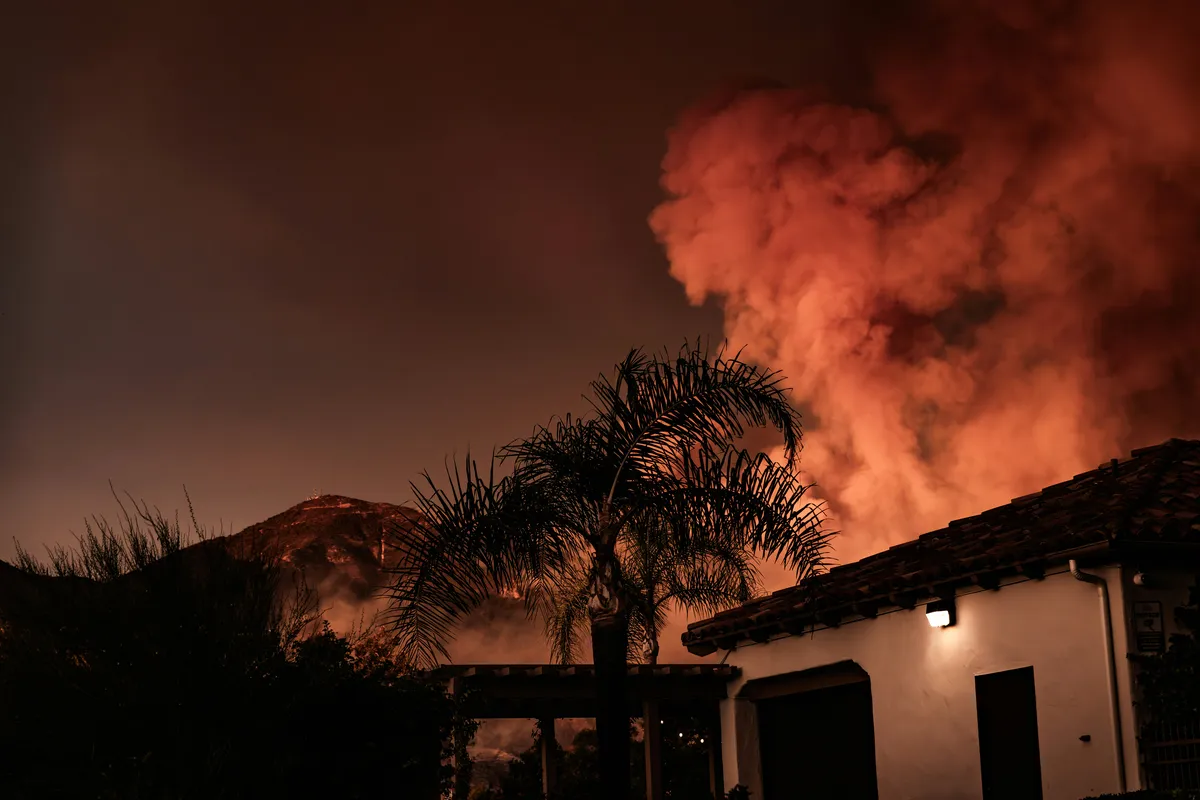
The landscape of homeowners insurance in California is undergoing a profound transformation, largely driven by the state’s increasing wildfire risks and complex legislative frameworks. As homeowners grapple with significant rate hikes, the recent 29.1% increase in the California FAIR Plan—effective October 15—serves as a stark reminder of the financial pressures they face. This increase, although lower than the initially proposed 35.8%, reflects a broader trend of escalating insurance costs that is further exacerbated by ongoing discussions about wildfire liability and the roles of utilities and insurers.
As homeowners seek to understand these changes, it’s essential to delve into how these rate hikes impact not only their wallets but also the overall insurance market. The FAIR Plan, designed to provide coverage for properties that are deemed too high-risk to insure through traditional means, has seen a surge in enrollment—up 43%—between September 2024 and December 2025. This spike can be attributed in large part to the devastating Los Angeles wildfires in January 2025, which left many homeowners scrambling for coverage as traditional insurers, including major players like State Farm and Allstate, remain closed to new business.
The Weight of Rising Rates
Understanding the implications of the FAIR Plan’s rate increase is crucial for California homeowners. The FAIR Plan was originally established to ensure that homeowners in high-risk areas still had access to insurance. However, as more homeowners enroll—total exposure reached a staggering $750 billion by March 2025, a 242% increase since September 2022—it is becoming increasingly strained under the financial burden of wildfire-related claims.
Compounding Factors Affecting Rates
Several factors contribute to the rising costs of homeowners insurance in California:
- Wildfire Risk: The frequency and severity of wildfires have increased dramatically, leading to more claims.
- Insurer Responses: Insurers like State Farm have implemented emergency rate increases, with State Farm alone raising rates by 17% as of May 2025.
- Market Restrictions: Major insurance carriers have halted new policies in high-risk areas, limiting consumer choice.
- Legislative Changes: The ongoing debates about wildfire liability and the implications of shifting costs could further impact premiums.
Understanding Legislative Context
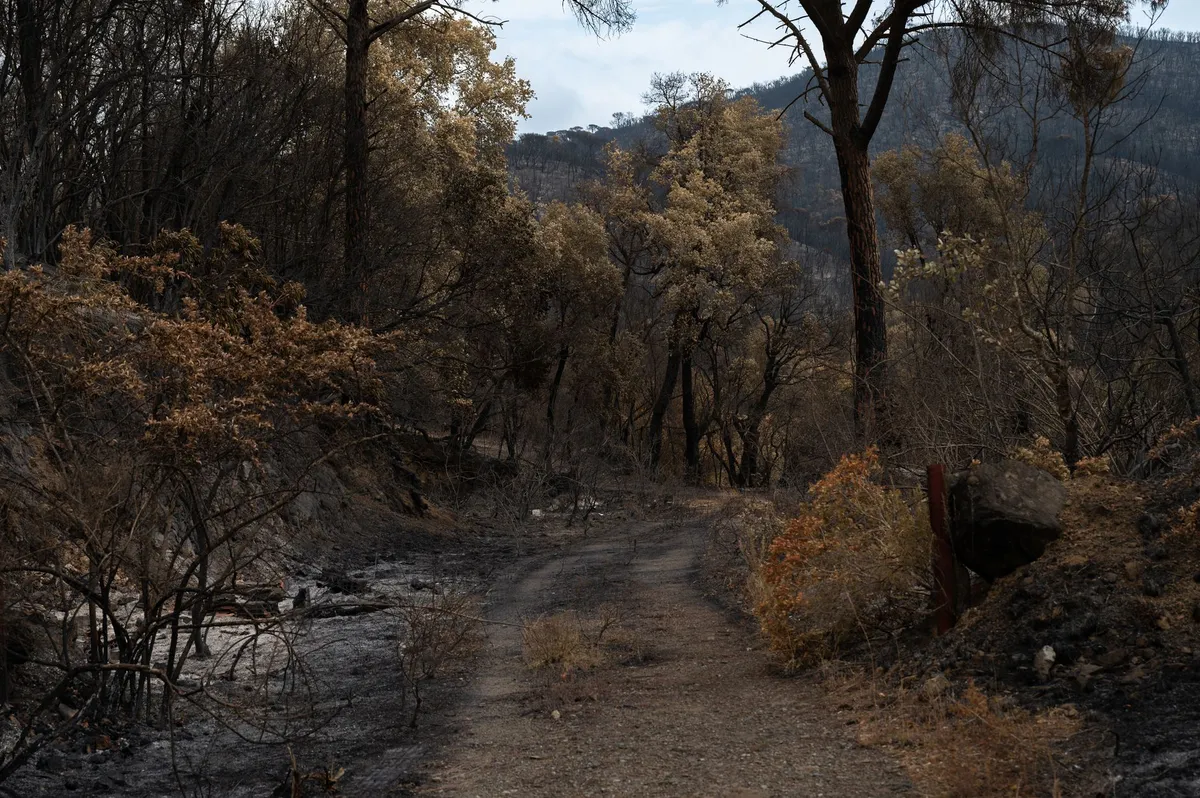
At the heart of the current insurance crisis in California lies the debate over who is financially responsible for wildfire damages. The state's inverse condemnation doctrine holds utilities liable for wildfire damage caused by their equipment, even if negligence is not proven. This has resulted in utilities bearing the brunt of financial responsibility, which many argue could lead to the depletion of California’s $40 billion Wildfire Fund.
Recently signed Senate Bill 254 requires a comprehensive study of wildfire liability options, sparking discussions about potential reforms. Critics argue that any changes to the current framework must consider the repercussions on insurers and policyholders alike. For instance, eliminating the right of subrogation—where insurers can recover costs from utilities—could shift financial burdens directly onto homeowners. The American Property Casualty Insurance Association (APCIA) warns that this could increase statewide homeowners’ premiums by as much as 10% to 20%.
Market Dynamics and Consumer Implications
The current insurance landscape in California is not just a matter of rising costs; it reflects a much broader struggle between various stakeholders. The California insurance market has seen a significant contraction, with major players like State Farm and Allstate halting new business in high-risk areas. This leaves consumers with fewer options and potentially higher premiums. However, some insurers, such as Mercury, Farmers, and AAA/CSAA, are still writing new policies, albeit often at elevated rates.
Who is Most Affected?
The implications of these rate increases and market dynamics extend far beyond the financial realm:
- **Homeowners in High-Risk Areas:** With approximately 41% of residences in high-risk ZIP codes now covered by the FAIR Plan, these homeowners are particularly vulnerable to rate hikes and policy restrictions.
- **New Buyers:** Prospective homeowners may find it increasingly difficult to secure affordable coverage as the market contracts.
- **Utilities and Insurers:** These entities are engaged in a complex tug-of-war over liability, which could have long-term consequences for their financial health and operational strategies.

What Homeowners Can Do
In light of these challenges, homeowners need to be proactive in managing their insurance needs. Here are several steps to consider:
- Review Your Policy: Homeowners should regularly examine their insurance policies to understand coverage limits and exclusions, especially regarding wildfire-related losses.
- Shop Around: With some insurers still offering new policies, it’s crucial to compare rates and coverage options to find the best fit.
- Stay Informed: Keeping abreast of legislative changes and market trends can help homeowners anticipate future rate adjustments and adjust their strategies accordingly.

Key Takeaways
- California's FAIR Plan is increasing rates by 29.1%, reflecting rising wildfire risks.
- Enrollment in the FAIR Plan has surged 43% due to recent wildfires.
- Legislative changes regarding wildfire liability could significantly influence future premiums.
- Homeowners must actively manage their insurance policies to mitigate rising costs.
Frequently Asked Questions
Why is the FAIR Plan increasing rates?
The FAIR Plan is increasing rates due to the rising frequency and severity of wildfires in California, which have led to higher claims costs. The initial proposed increase of 35.8% was revised down to 29.1%, but the surge in claims and the financial strain on the plan necessitated this hike to maintain its viability in the market.
What does the inverse condemnation doctrine mean for utilities?
The inverse condemnation doctrine holds utilities liable for damages caused by their equipment, regardless of negligence. This legal principle has significant implications for how wildfire damages are allocated, potentially leading to substantial financial burdens on utilities, especially as wildfires become more prevalent in California.
How can homeowners prepare for potential future rate increases?
Homeowners can prepare for potential rate increases by reviewing their insurance policies to ensure adequate coverage, shopping around for competitive rates, and staying informed about market trends and legislative changes. These proactive measures can help mitigate the impact of rising costs on their financial stability.
What are the implications of Senate Bill 254?
Senate Bill 254 requires a study of wildfire liability options, which could lead to significant changes in how liability is assigned between utilities, insurers, and policyholders. The outcomes of this study may result in reforms that can affect homeowners’ premiums, coverage options, and the overall stability of the insurance market in California.
Comments
Alabama Court Ruling Unveils Trade Secrets in Insurance Claims Process
An Alabama Supreme Court ruling requires State Farm to disclose certain trade secrets in claims lawsuits, signaling a shift in insurance transparency. This landmark decision has implications for policyholders and insurers across the nation.
Related articles
Popular in Home Insurance
- 2026 Sees Below-Average Severe Convective Storm Losses: What It Means for Insurance
- El Niño and Wildfires: Preparing for a Fire-Prone Future
- Young Affluent Collectors: The Underinsurance Dilemma in Luxury Investments
- Wisconsin Property Owner Sues City and Insurers Over Contamination Cleanup Costs
- Rising Catastrophe Risks: How Europe’s Insurers Are Adapting to Climate Change