CSU Predicts 'Well Below Normal' Hurricane Season Amid El Niño Impact
Colorado State University has significantly downgraded its hurricane forecast for 2026, predicting a season marked by fewer storms due to a strengthening El Niño. This article explores what this means for residents, insurers, and the broader climate landscape.
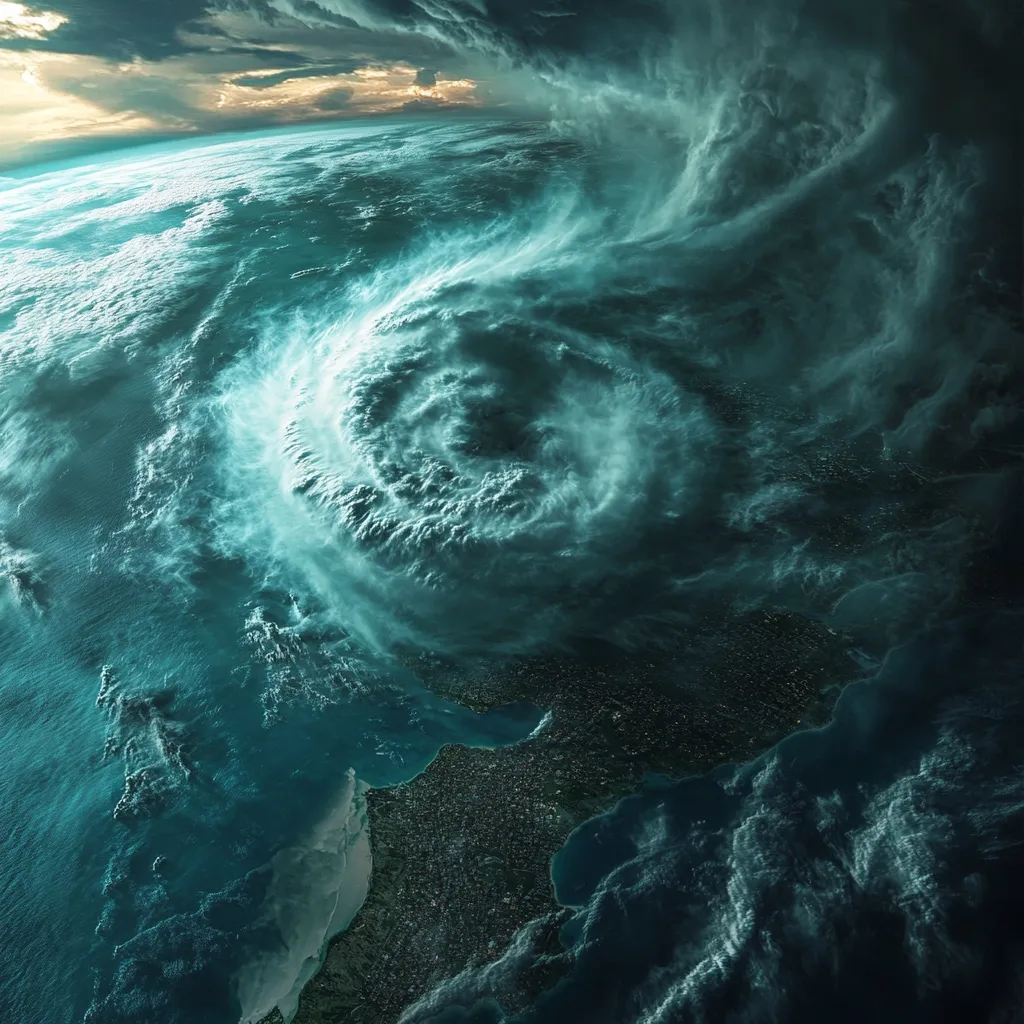
As we enter the heart of the Atlantic hurricane season, forecasters at Colorado State University (CSU) have released an updated prediction that sends a ripple of relief across coastal communities and insurance markets alike. The forecast, which reduces the expected number of storms and hurricanes to levels not seen in several years, is attributed largely to the strengthening El Niño phenomenon. This climatic pattern is known for its ability to disrupt the conditions necessary for hurricane formation, leading to a forecast that is 'well below normal.'
On July 8, CSU revised its earlier April predictions, now estimating that the 2026 hurricane season will likely see only nine named storms, four hurricanes, and just one major hurricane. In contrast, an average hurricane season typically generates around 14 named storms, seven hurricanes, and three major hurricanes. The first storm of the season, Tropical Storm Arthur, formed in June, marking the start of what could be an unusually calm summer for coastal residents.
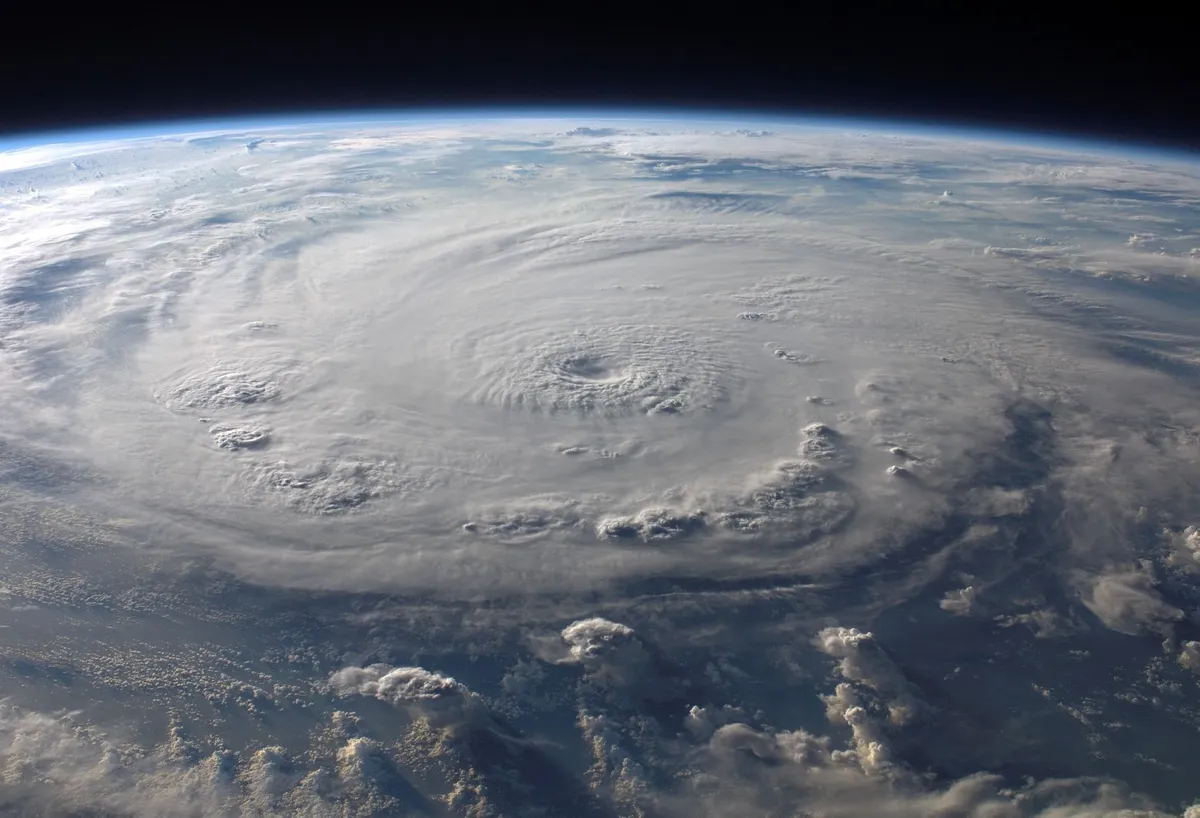
Understanding El Niño and Its Impact on Hurricane Formation
The El Niño Southern Oscillation (ENSO) is a complex weather pattern that occurs in the Pacific Ocean and has widespread effects on global weather patterns. A strong El Niño leads to warmer ocean temperatures, which can create vertical wind shear—an atmospheric phenomenon that disrupts the formation of hurricanes. CSU's research suggests that this year, the influence of El Niño will be significant enough to dominate tropical circulation during the peak hurricane months of August and September.
The Current Forecast
CSU's most recent forecast indicates:
- 9 named storms
- 4 hurricanes
- 1 major hurricane
By comparison, the original forecast estimated 13 named storms, six hurricanes, and two major hurricanes. Should the latest predictions hold true, the 2026 hurricane season would be the quietest since 2015, a year that also saw only four hurricanes and two major hurricanes. Notably, the 2013 season was exceptionally calm, producing no major hurricanes and just two hurricanes in total.

Implications for Coastal Communities and Insurance Markets
The implications of a less active hurricane season extend beyond meteorological interest; they have real financial ramifications for homeowners and business owners along the coast. For many, the potential for fewer hurricanes translates to lower insurance premiums. Insurance companies often adjust rates based on the perceived risk of severe weather events. Therefore, a season with fewer storms may lead to reduced costs for policyholders.
However, it is essential for residents to keep in mind that even during a below-normal season, the risk of a storm making landfall remains. CSU currently estimates a 17% chance of a major hurricane hitting the U.S. coastline this year, compared to a historical average of 43% from 1880 to 2020. This emphasizes the importance of maintaining adequate insurance coverage, even in years with less expected storm activity.
Insurance Considerations
For homeowners and businesses, understanding insurance policies is crucial. Some key aspects to consider include:
- Deductibles: Higher deductibles can lead to lower premiums, but they may also mean more out-of-pocket expenses in the event of a claim.
- Coverage Types: Ensure that your policy includes coverage for wind damage, as some standard homeowners' policies may not.
- Claims Process: Familiarize yourself with the claims process and what documentation is needed to expedite any claims you might have to file.

Historical Context: Comparing Past Seasons
To better understand the significance of CSU's latest forecast, it is helpful to look at historical hurricane seasons. The 2015 hurricane season serves as a relevant benchmark, with only four hurricanes recorded and two classified as major hurricanes. In contrast, the active 2020 season, which saw a record 30 named storms, illustrates the unpredictability of hurricane forecasting.
The 2026 season's forecast, if realized, would break a trend of increasing storm activity that has characterized recent years. Experts note that while climate change is altering weather patterns, leading to more frequent and intense storms, the current El Niño may provide a temporary reprieve for coastal areas.
What Residents Should Do
In light of this forecast, residents in hurricane-prone areas should take proactive measures to safeguard their properties:
- Review Insurance Policies: Check your coverage limits and ensure you have adequate protection against wind and water damage.
- Prepare Emergency Kits: Even if a major hurricane is less likely, being prepared is key. Stock up on necessities such as food, water, and medical supplies.
- Stay Informed: Monitor local news and weather updates, particularly during peak hurricane months.
Key Takeaways
- CSU forecasts a 'well below normal' hurricane season for 2026 due to El Niño.
- Predicted storms include 9 named storms, 4 hurricanes, and 1 major hurricane.
- Residents should review insurance coverage and maintain emergency preparedness.
- The chance of a major hurricane making landfall is significantly lower than historical averages.
- Understanding the claims process and insurance jargon is essential for homeowners.

Frequently Asked Questions
What is El Niño and how does it affect hurricanes?
El Niño is a climate pattern characterized by warmer-than-average sea surface temperatures in the central and eastern Pacific Ocean. This phenomenon can disrupt typical weather patterns, including those that lead to hurricane formation. During strong El Niño years, increased vertical wind shear can inhibit storm development, resulting in fewer hurricanes. This year's forecast indicates a strong El Niño effect, which is expected to dominate the Atlantic hurricane season.
How can I prepare my home for hurricane season?
Preparing your home for hurricane season involves several steps. First, review your insurance policy to ensure you have adequate coverage for wind and flood damage. Second, secure your property by installing storm shutters or impact-resistant windows. Third, create an emergency plan that includes evacuation routes and a communication strategy for your family. Lastly, have an emergency kit ready with essentials like food, water, medications, and important documents.
Should I expect lower insurance premiums this year?
While a below-normal hurricane season could lead to lower insurance premiums, it is not guaranteed. Insurance companies take various factors into account when determining rates, including overall risk assessments and individual claims history. Homeowners should reach out to their insurance agents to discuss potential adjustments to premiums and ensure they are receiving the best possible rates based on the latest forecasts.
What are the historical trends for hurricane activity?
Historical hurricane activity has shown significant variation over the years. For instance, the 2020 hurricane season was one of the most active on record, with 30 named storms. In contrast, the 2015 and 2013 seasons were relatively quiet, with few hurricanes and no major hurricanes in 2013. These trends highlight the unpredictability of hurricane seasons and the importance of preparedness regardless of forecasts.
Comments
Why High-Net-Worth Individuals Hesitate to Secure Cyber Insurance
Despite growing concerns over cyber threats, many high-net-worth individuals remain hesitant to purchase cyber insurance. This article explores the reasons behind this paradox and the implications for affluent clients.

Related articles

Popular in Home Insurance
- 2026 Sees Below-Average Severe Convective Storm Losses: What It Means for Insurance
- El Niño and Wildfires: Preparing for a Fire-Prone Future
- Young Affluent Collectors: The Underinsurance Dilemma in Luxury Investments
- Wisconsin Property Owner Sues City and Insurers Over Contamination Cleanup Costs
- Rising Catastrophe Risks: How Europe’s Insurers Are Adapting to Climate Change