Los Angeles County Takes State Farm to Court Over Wildfire Claims
Los Angeles County has filed a lawsuit against State Farm, alleging that the insurer delayed and denied claims from victims of the devastating January 2025 wildfires. This case highlights critical issues regarding insurance practices following natural disasters.
In a significant legal move that underscores the ongoing struggles of wildfire victims, Los Angeles County has sued State Farm, California's largest home insurer, alleging a range of unethical practices related to claims processing for those affected by the catastrophic wildfires of January 2025. This lawsuit, filed on September 1, 2026, paints a troubling picture of how some insurance companies may operate in the aftermath of natural disasters, raising alarm bells for policyholders across the state and the nation.
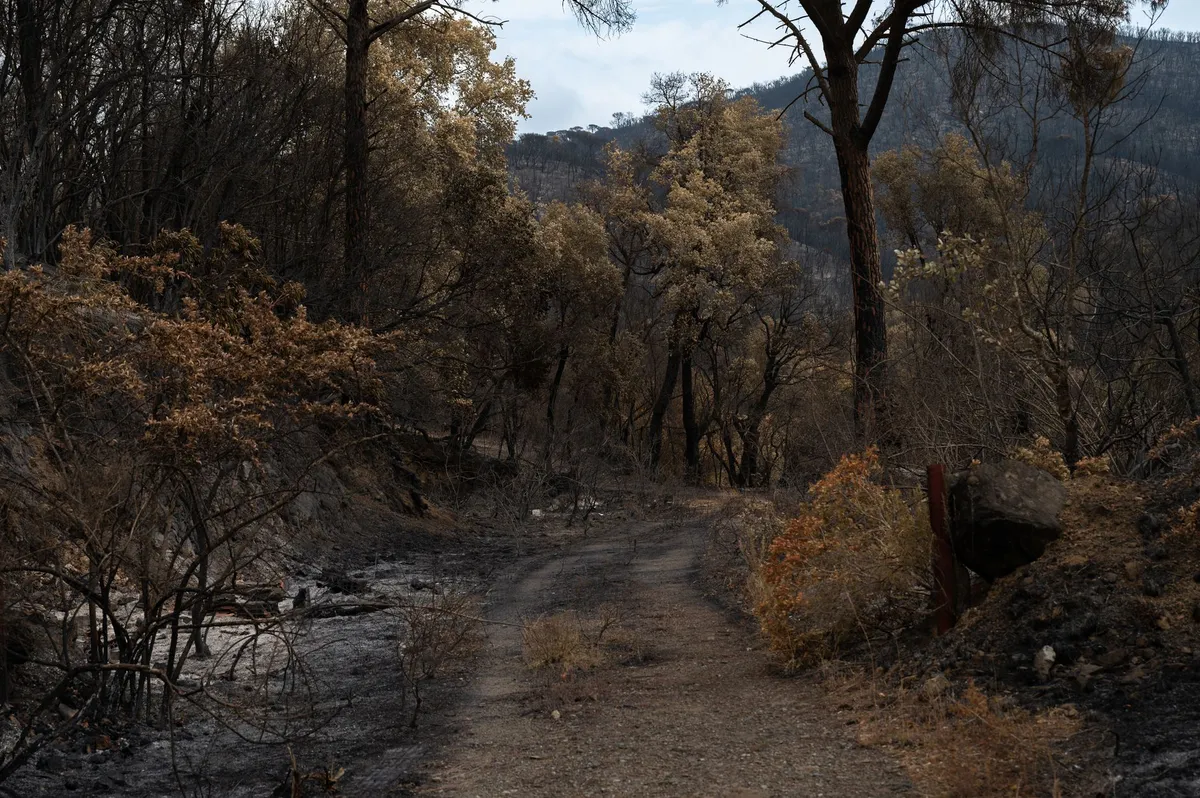
The January wildfires, which included the devastating Eaton and Palisades fires, were among the most destructive in California's history, resulting in 31 fatalities, the destruction of over 16,000 structures, and an estimated $40 billion in insured losses. In response to these tragedies, the county's investigation launched in November revealed claims of systematic issues within State Farm’s claims processing, which the county alleges included delays, denials, and underpayments that violated contractual obligations to policyholders.
Understanding the Allegations Against State Farm
The lawsuit claims that State Farm not only failed to adequately address the needs of wildfire victims but also actively obstructed the investigation into its claims practices. According to Supervisor Lindsey Horvath, who represents the affected areas, the county attempted to resolve these issues amicably with the insurer before resorting to legal action. "We tried this the nice way," said Horvath. "State Farm must live up to its commitment to be a 'good neighbor' and do right by its customers who have lost so much."
The specifics of the allegations include:
- **Delays** in processing claims that left victims without timely financial support.
- **Denials** of legitimate claims based on insufficient documentation or arbitrary standards.
- **Underpayments** that did not fully cover the damages incurred by policyholders, leaving many to bear the financial burden.
In the face of these accusations, State Farm has publicly disagreed with the county's characterization of its claims response. In a statement, spokesperson Bob Devereux emphasized the company’s commitment to providing support and fair evaluation in the claims process.

The Financial Impact of the Wildfires
The fallout from the January wildfires has been staggering, with State Farm reportedly paying out over $6.2 billion in claims, which includes $1 billion specifically for smoke-related damages. Despite this significant payout, the county’s lawsuit suggests that many claims remain unresolved or inadequately handled. State Farm has closed approximately 78% of the claims it received, but the remaining claims represent a critical concern for those still awaiting compensation.
In addition to the lawsuit, State Farm has faced increased scrutiny from regulatory authorities. Following the wildfires, the insurer was approved for its first emergency rate increase in California, averaging 17% across its homeowners' insurance policies. This increase came as the company reported a substantial rise in net assets, totaling $170 billion—an increase of $24.8 billion from the previous year. This financial backdrop raises questions about the motives and practices of insurance companies in the wake of natural disasters.

What This Means for Policyholders
The legal battle between Los Angeles County and State Farm has broader implications for homeowners and policyholders across the state. As natural disasters become more frequent and severe due to climate change, understanding the intricacies of insurance policies and claims processes becomes increasingly vital.
Key considerations for policyholders include:
- **Read Your Policy**: Homeowners should familiarize themselves with the terms of their insurance policies, including what is covered, the claims process, and any exclusions that may apply.
- **Document Everything**: In the event of a claim, maintaining thorough documentation of damages and communications with the insurance company is essential for a successful claims process.
- **Seek Assistance**: If you experience delays or denials from your insurer, consider reaching out to a consumer advocacy group or a legal professional specializing in insurance claims.
Understanding these aspects can empower homeowners to navigate the often-complicated world of insurance claims more effectively.
Legal Context and Potential Outcomes
The lawsuit filed against State Farm does not specify a total amount sought for compensation, but legal experts predict that the financial repercussions could be substantial. Scott Kuhn, assistant county counsel, indicated that the damages could reach into the millions, depending on the number of affected policyholders and the extent of underpayments or delays demonstrated in the claims process.
In addition to financial restitution, the outcome of this case could set a precedent for how insurance claims are handled in the aftermath of natural disasters. If the court finds in favor of Los Angeles County, it may lead to stricter regulations and oversight of insurance companies, particularly regarding their practices in disaster recovery scenarios.

Key Takeaways
- Los Angeles County has sued State Farm over alleged delays and denials of claims from wildfire victims.
- The lawsuit highlights the challenges faced by homeowners in navigating insurance claims after disasters.
- Policyholders should understand their insurance policies and maintain thorough documentation.
- The outcome of this lawsuit could have significant implications for insurance regulations in California.
Frequently Asked Questions
What should I do if my insurance claim is delayed?
If your insurance claim is delayed, first reach out to your insurance agent or company to inquire about the status. Document all communications and requests made. If the delay persists, consider filing a complaint with your state’s insurance department or seeking legal advice, especially if you believe the delay is unjustified.
How can I ensure my insurance claim is handled fairly?
To ensure your claim is handled fairly, familiarize yourself with your policy details, including coverage limits and exclusions. Maintain detailed records of your damages, communications with adjusters, and any estimates from contractors for repairs. If necessary, engage a public adjuster who can represent your interests in negotiating with the insurance company.
What are the broader implications of this lawsuit for other insurers?
This lawsuit could prompt increased scrutiny of insurance companies' practices, especially in states prone to natural disasters. If the court finds in favor of Los Angeles County, it may lead to changes in how insurers handle claims, potentially resulting in more transparent processes and better protections for policyholders in the future.
Comments
Examining the Fallout of Hurricane Ida: A Case of Legal Malfeasance
The aftermath of Hurricane Ida saw a troubling rise in insurance fraud, as a former attorney faces charges related to a scheme targeting vulnerable homeowners. This article delves into the details of the case, its implications for the insurance industry, and how policyholders can protect themselves.
Related articles
Popular in Home Insurance
- 2026 Sees Below-Average Severe Convective Storm Losses: What It Means for Insurance
- El Niño and Wildfires: Preparing for a Fire-Prone Future
- Young Affluent Collectors: The Underinsurance Dilemma in Luxury Investments
- Wisconsin Property Owner Sues City and Insurers Over Contamination Cleanup Costs
- Rising Catastrophe Risks: How Europe’s Insurers Are Adapting to Climate Change