California Sets New Standards for Wildfire Smoke Damage Testing and Claims
California has enacted groundbreaking legislation to establish uniform standards for testing and remediation of homes damaged by wildfire smoke. This legislation aims to streamline insurance claims and ensure public safety amidst increasing wildfire threats.
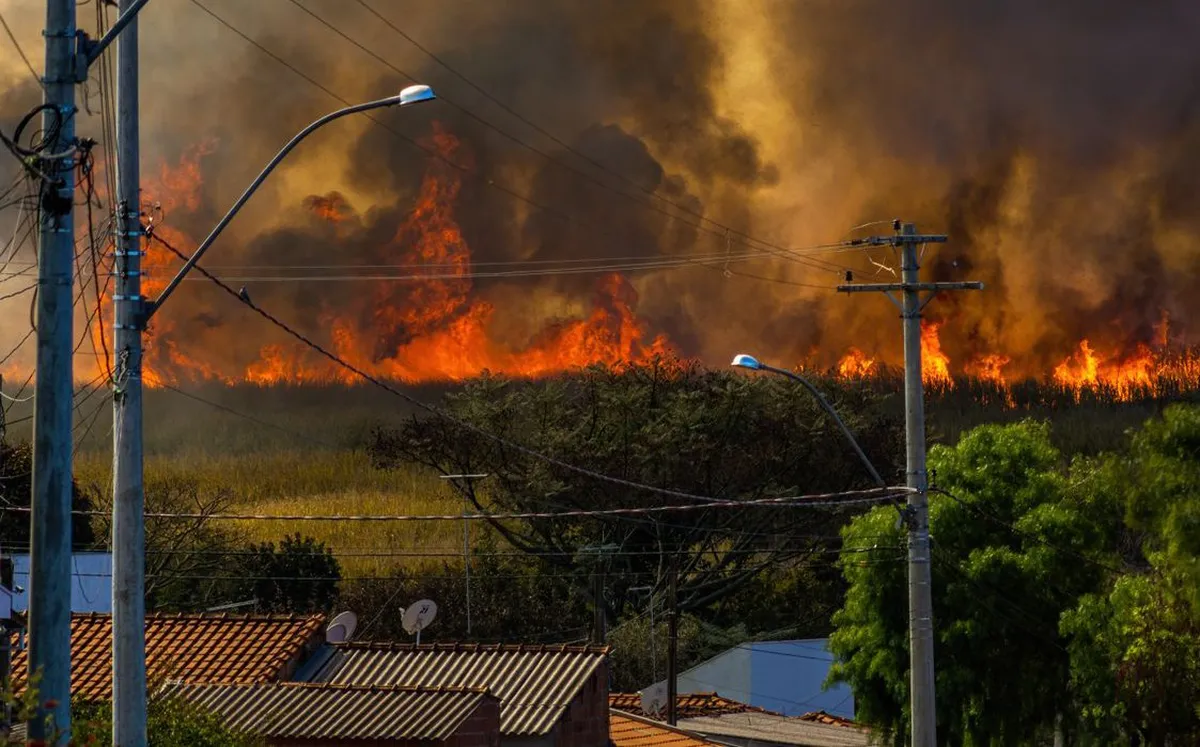
In a landmark move, California has become the first state to introduce mandatory regulations governing the testing and remediation of homes affected by wildfire smoke. With the passage of Assembly Bills 1642 and 1795, lawmakers aim to create a cohesive framework that addresses the growing concerns of homeowners and insurers alike. As wildfires become more frequent and intense, the need for clear and uniform standards has never been more pressing. This legislation not only aims to streamline the claims process but also serves to protect public health from the dangerous contaminants that wildfire smoke can leave behind.
The impetus for these new regulations stems from the chaotic aftermath of the Eaton and Palisades fires in January 2025, where thousands of homeowners faced significant hurdles in navigating the insurance claims process. Disparate testing methodologies and varying conclusions about property safety led to confusion and frustration for policyholders, many of whom remained in temporary housing long after the fires were contained. With the passage of these bills, California is taking significant steps toward creating a more transparent and effective insurance landscape for wildfire smoke damage.
Understanding the New Legislation
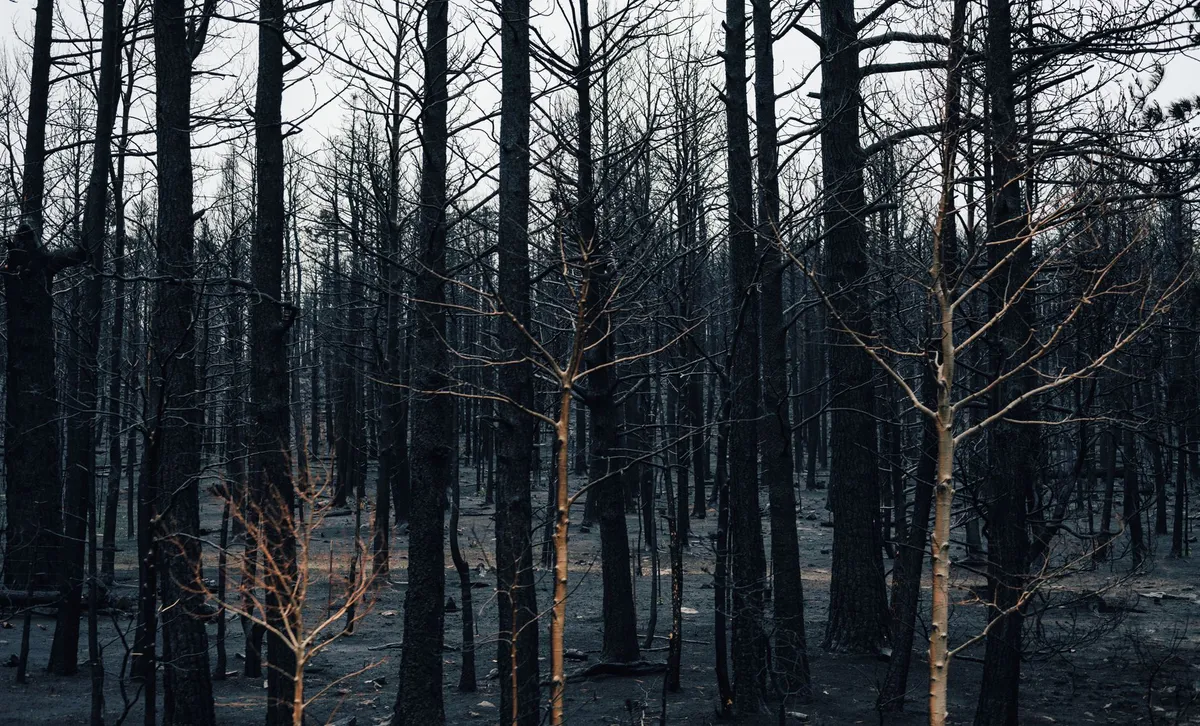
AB 1642 and AB 1795 work in tandem to set forth comprehensive guidelines for the assessment and remediation of wildfire smoke damage. Under AB 1642, the Department of Toxic Substances Control (DTSC) is tasked with developing health-based regulations by July 1, 2027. These regulations will focus on contaminants such as lead and asbestos that may linger in homes after exposure to wildfire smoke.
Key Features of AB 1642
- Health-Based Regulations: The DTSC will establish science-backed standards for testing and remediation.
- Contaminant Focus: The regulations will specifically address hazardous materials like lead and asbestos.
- Implementation Timeline: Regulations must be in place by mid-2027, setting a clear deadline for action.
Impact on Insurance Claims Processing
AB 1795, known as the Smoke Damage Recovery Act, is designed to ensure that insurers adhere to the new standards set forth by AB 1642 when processing claims. The legislation introduces specific timeframes and requirements for how insurers must handle smoke damage claims, fundamentally altering the landscape for policyholders.
Claims Processing Under AB 1795
One of the most significant changes is that insurers must inspect reported smoke damage claims within 30 days of notification. This requirement aims to expedite the claims process, reducing delays that have historically plagued homeowners in the aftermath of wildfires.
Additionally, insurers are prohibited from cutting off additional living expenses until a property has been independently declared safe for habitation. This measure is particularly important for homeowners who have been displaced, as it ensures they have the financial support they need while waiting for their homes to be cleared.
Raising Standards for Assessment and Remediation Professionals
As part of the new legislative framework, there will also be training and certification requirements for professionals involved in smoke assessments and remediation work. This will help to ensure that contractors and inspectors possess the necessary expertise to evaluate and remediate smoke damage effectively.
Defining 'Pre-Loss Condition'
Another critical aspect of the legislation is the establishment of a clearer definition of what constitutes a home’s 'pre-loss condition.' Previously a negotiable concept, it now becomes a defined and testable standard. This change will help brokers and homeowners understand what it means for a home to be considered safe for reoccupation, eliminating ambiguity in the claims process.
Broader Implications for the Insurance Industry
The introduction of these regulations has far-reaching implications for the insurance industry and homeowners alike. As Karen Collins, vice president of property and environmental at the American Property Casualty Insurance Association (APCIA), noted, the legislation moves toward clearer guidance on smoke damage claims. It emphasizes the importance of science-backed standards and valid methodologies to protect consumers while helping maintain affordable insurance coverage.
Industry Response and Future Outlook
The legislative framework builds upon previous guidelines developed by industry organizations such as the American Industrial Hygiene Association (AIHA) and the Institute of Inspection, Cleaning and Restoration Certification (IICRC). Both organizations have published revised technical guides that highlight best practices for wildfire impact assessments and restoration. With the statutory force of these guidelines now in effect, other states facing similar wildfire threats may look to California as a model for their own regulatory frameworks.
Key Takeaways
- California's new laws create mandatory standards for wildfire smoke damage testing and remediation.
- Insurers must inspect smoke damage claims within 30 days of notification.
- Homeowners cannot have their additional living expenses cut until their property is independently declared safe.
- Professional training and certification for smoke assessment and remediation are now required.
- The definition of 'pre-loss condition' is now standardized, reducing ambiguity in claims.
Frequently Asked Questions
What do the new laws mean for homeowners affected by wildfire smoke?
The new regulations provide homeowners with a clearer framework for understanding how their smoke damage claims will be processed. With mandatory inspection timelines and defined standards for remediation, homeowners can expect a more streamlined and transparent claims experience. This legislation aims to reduce the stress and uncertainty that many have faced in the aftermath of wildfires.
How will these changes affect insurance premiums?
While the immediate impact on premiums is still uncertain, the establishment of clear standards may lead to more accurate risk assessments by insurers. By reducing ambiguity and providing a consistent claims process, the hope is that insurance companies will be better equipped to price their policies appropriately. This could lead to greater stability in the market, potentially benefiting policyholders in the long run.
Are other states likely to adopt similar regulations?
Given the increasing frequency of wildfires across the United States, other states that face similar risks may look to California's pioneering legislation as a framework for their own regulations. The success of these laws in California could inspire a nationwide movement toward standardizing smoke damage assessments and remediation practices.
What should homeowners do if they believe their home has been affected by wildfire smoke?
Homeowners who suspect their property has been impacted by wildfire smoke should promptly report any damage to their insurance provider. With the new regulations in place, they should expect a timely inspection and a clear outline of the claims process. It’s also advisable for homeowners to familiarize themselves with the new standards, so they can advocate for their rights and ensure their claims are handled appropriately.
Comments
Popular in Home Insurance
- 2026 Sees Below-Average Severe Convective Storm Losses: What It Means for Insurance
- El Niño and Wildfires: Preparing for a Fire-Prone Future
- Young Affluent Collectors: The Underinsurance Dilemma in Luxury Investments
- Wisconsin Property Owner Sues City and Insurers Over Contamination Cleanup Costs
- Rising Catastrophe Risks: How Europe’s Insurers Are Adapting to Climate Change