California's New Insurance Bills: A Game Changer for Homeowners?
California's legislature has passed three significant bills aimed at transforming how property insurers handle claims and nonrenewals, especially in the wake of catastrophic wildfires. These reforms promise greater transparency and consumer protection, but what do they mean for homeowners and the insurance market?

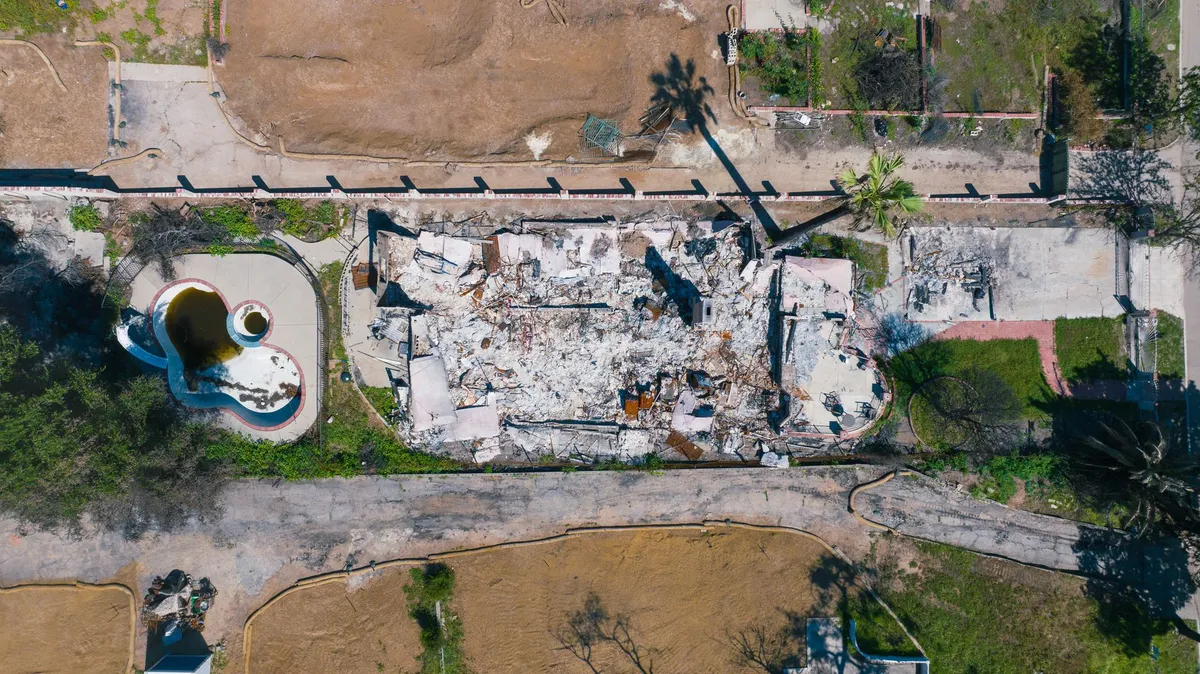
The winds of change are blowing through California's insurance landscape as the state legislature has passed three pivotal bills aimed at enhancing the rights of homeowners navigating the often-complex world of property insurance claims. These reforms come on the heels of devastating wildfires, specifically the Eaton and Palisades fires in January 2025, which obliterated approximately 12,000 homes and caused an estimated $8.3 billion in property losses. With these new bills, California is signaling a shift towards greater accountability and transparency in the insurance industry, particularly for those living in wildfire-prone areas.
Authored by Senators Sasha Renée Pérez and Ben Allen, the legislation is designed to address long-standing issues that have plagued policyholders, especially regarding claims handling and the nonrenewal of policies. As Governor Gavin Newsom prepares to sign these bills into law, homeowners and insurance industry stakeholders alike are left to ponder what these changes will mean for the future of property insurance in California.
The New Legislative Framework
The trio of bills—SB 877, SB 878, and SB 1301—are set to reshape the relationship between insurers and policyholders in several critical ways:
- SB 877 mandates that insurers provide comprehensive claims-related documentation within 15 days of a policyholder's request. This includes every version of loss or repair estimates and an explanation of any changes made.
- SB 878 establishes hard deadlines for claims handling, requiring insurers to accept or deny claims within 40 calendar days of receiving proof of loss. If insurers delay payments on undisputed claims, they will owe policyholders a 20% annual interest.
- SB 1301 requires insurers to give policyholders a six-month notice prior to nonrenewing a policy, along with specific reasons for the decision and potential avenues for maintaining coverage.

Why These Changes Matter
The significance of these bills cannot be overstated, particularly in a state where natural disasters have become increasingly frequent and severe. The Eaton and Palisades fires highlighted systemic issues within the insurance industry, where homeowners often found themselves at a disadvantage when trying to navigate claims processes. The new legislation aims to empower homeowners by ensuring they have access to the information they need to contest inadequate claims settlements.
For instance, under SB 877, a homeowner who feels that their insurance payout is insufficient can now request documentation to understand how their insurer calculated the amount. This transparency could lead to more fair settlements and reduce the frustration many policyholders have faced in the past.
Impact on Nonrenewal of Policies
SB 1301 is particularly crucial in addressing the growing trend of insurers nonrenewing policies, especially in areas prone to wildfires. Homeowners often found themselves blindsided by sudden nonrenewals, leaving them scrambling to find coverage in an already stressed market. The requirement for a six-month notice, along with documented reasons for nonrenewal, gives homeowners a fighting chance to either appeal the decision or make necessary changes to retain their coverage.
Industry Reactions and Concerns
The current climate of rising catastrophe exposure and rate inadequacy is a critical factor in this debate. Insurers argue that the costs associated with compliance, including the increased documentation and stringent deadlines, could lead to higher premiums or even fewer companies willing to operate in the state. This dynamic raises questions about the long-term sustainability of the California insurance market.
The Growing Role of the FAIR Plan
As traditional insurers pull back, the California FAIR Plan—designed as the insurer of last resort—has seen a dramatic increase in its policyholder base. By mid-2026, the FAIR Plan's total exposure reached approximately $768 billion, reflecting a staggering 250% increase since September 2022. This surge has been largely driven by private insurers declining to renew policies for homes in wildfire-prone areas.
The FAIR Plan's rising exposure is concerning, especially as it approaches nearly 697,000 policies in force. The California Department of Insurance has already approved a significant average rate increase of 29.1% for FAIR Plan policyholders, particularly for those in high-risk regions. This rate hike underscores the challenges faced by homeowners who are often left with limited options for affordable coverage.

What Homeowners Should Do
For homeowners in California, especially those in areas at risk of wildfires, the passage of these bills represents both an opportunity and a challenge. Here are some steps homeowners can take to navigate these changes effectively:
- Stay Informed: Keep abreast of the latest developments regarding these bills and how they may affect your policy.
- Review Your Coverage: Regularly assess your current insurance policy to ensure it meets your needs and understand the implications of any nonrenewal.
- Document Everything: If you need to file a claim, make sure to keep thorough records of all communications, estimates, and documentation related to your claim.
- Engage with Insurers: If you receive a nonrenewal notice, reach out to your insurer to discuss your options and understand the reasoning behind the decision.
Key Takeaways
- California's new insurance bills aim to enhance transparency and accountability for claims and nonrenewals.
- Insurers must now provide detailed documentation for claims and adhere to strict deadlines.
- The FAIR Plan is experiencing significant growth as traditional insurers withdraw from high-risk markets.
- Homeowners should proactively review their policies and stay informed about their rights under the new legislation.
Frequently Asked Questions
What are the key changes introduced by the new California insurance bills?
The new legislation includes requirements for insurers to provide claims-related documents within 15 days, set claims-handling deadlines at 40 days, and mandate a six-month notice for nonrenewal of policies. These changes aim to increase transparency and provide homeowners with more control over their insurance claims.
How will these changes impact insurance premiums?
While the intention behind the reforms is to protect consumers, there are concerns that increased compliance costs for insurers could lead to higher premiums. Homeowners may see rate increases, particularly those enrolled in the California FAIR Plan, which has already approved significant rate hikes to address its growing exposure.
Can insurers still nonrenew policies under the new laws?
Yes, insurers can still nonrenew policies; however, they are required to provide a six-month notice and specific reasons for the nonrenewal. This gives homeowners more time to understand their options and potentially make necessary changes to retain coverage.
What should homeowners do if they receive a nonrenewal notice?
Homeowners should carefully read the nonrenewal notice and reach out to their insurer for clarification. They can inquire about the reasons for the nonrenewal and explore options for keeping their coverage, including potential repairs or changes that could make their home insurable again.
Comments
Popular in Home Insurance
- 2026 Sees Below-Average Severe Convective Storm Losses: What It Means for Insurance
- El Niño and Wildfires: Preparing for a Fire-Prone Future
- Young Affluent Collectors: The Underinsurance Dilemma in Luxury Investments
- Wisconsin Property Owner Sues City and Insurers Over Contamination Cleanup Costs
- Rising Catastrophe Risks: How Europe’s Insurers Are Adapting to Climate Change