Travelers Insurance Sues Mini-Fridge Makers for $900,000 Fire Loss
Travelers Insurance seeks to recover over $900,000 from appliance manufacturers after a fire linked to a mini-fridge destroyed a home. The lawsuit highlights critical issues around product safety and liability.
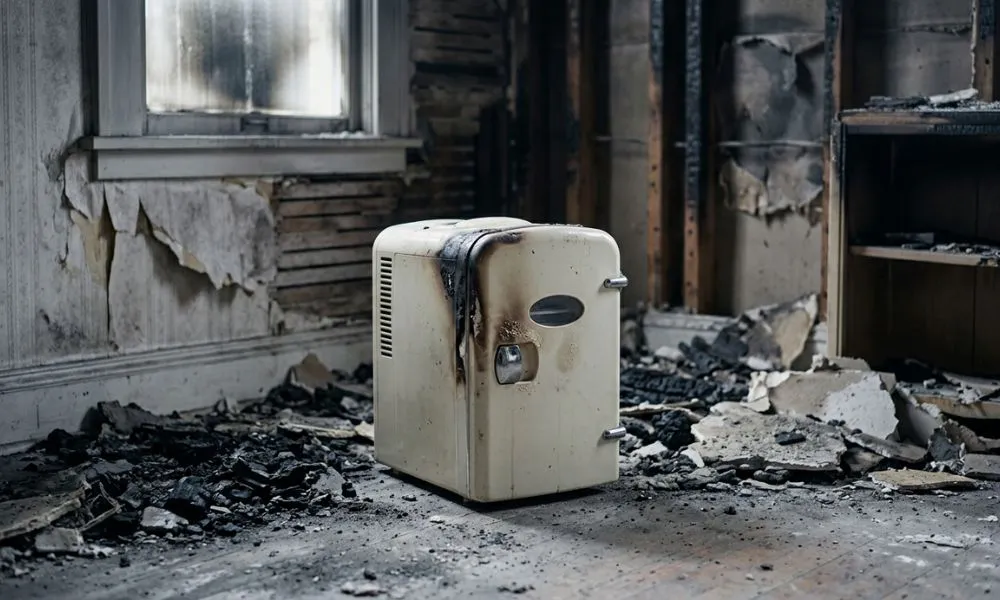
In a significant legal move that underscores the intersection of consumer safety and corporate accountability, Travelers Insurance has initiated a lawsuit against the manufacturers of a mini-fridge that allegedly caused a devastating house fire. The insurer is seeking to recoup over $900,000 it paid out after the blaze, which is believed to have originated from an internal electrical failure within the appliance. This case not only reflects the complexities of product liability but also raises important questions about the safety of household appliances that many consumers take for granted.
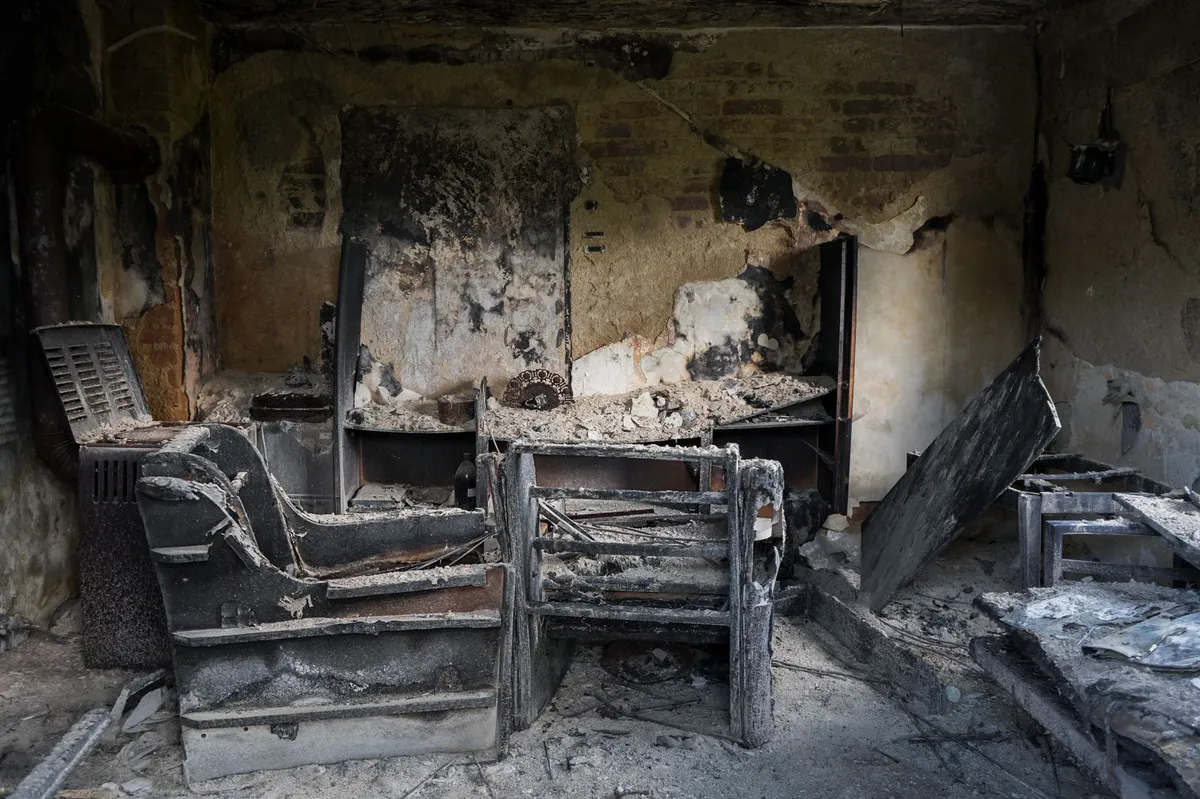
On September 2, 2026, Travelers filed its complaint in the US District Court for the Western District of North Carolina. The lawsuit centers around a Frigidaire 6-Can Mini Retro Beverage Fridge purchased by the policyholder around November 23, 2023. Just a few months later, on June 16, 2024, the fridge reportedly malfunctioned, igniting a fire that rapidly spread throughout the residence. According to the analysis conducted post-fire, the cause was traced to a short circuit within the unit, which ignited the plastic housing and subsequently nearby materials, leading to catastrophic damages.
Understanding Subrogation in Insurance
Travelers is pursuing this case under the principle of subrogation, which allows an insurance company to seek reimbursement from responsible third parties after compensating its policyholders for losses. In this instance, Travelers is acting on behalf of its insured, arguing that the manufacturers' negligence and failure to provide adequate warnings about potential fire hazards led to the significant loss. This legal approach not only aims to recover financial losses but also serves to hold manufacturers accountable for the safety of their products.
The Role of Product Liability
The lawsuit names three key defendants: Electrolux Consumer Products, Inc., Electrolux North America, Inc., and Curtis International, Ltd., a Canadian company responsible for the design, manufacture, and distribution of the mini-fridge. Travelers' complaint highlights several serious allegations, including:
- Negligence: The manufacturers failed to ensure that the product was safe for consumer use.
- Failure to Warn: The companies did not provide sufficient warnings regarding the fire risks associated with the fridge.
- Breach of Warranty: The appliance did not meet the safety standards that were promised at the time of purchase.
These claims are critical in establishing liability, as they assert that the manufacturers breached their duty to provide a safe product and to inform consumers of potential risks. Furthermore, the lawsuit references a recall initiated by Curtis on July 24, 2025, due to similar issues with internal electrical components that posed a fire risk. The recall was later expanded in January 2026, indicating that the problem was more widespread than initially thought.
Legal Context and Consumer Implications
The case is currently filed in federal court, a venue that is often chosen for cases involving diverse parties from different states or countries. In this instance, the lawsuit can proceed in federal court as the stakeholders are based in different jurisdictions and the amount in question exceeds $75,000.
The implications of this case extend beyond just the financial aspects for Travelers and its policyholder. It brings to light the critical issue of product safety and the responsibilities of manufacturers to ensure that the appliances sold to consumers are free from defects. As more consumers rely on various household appliances for convenience and comfort, understanding the potential risks associated with these products becomes increasingly vital.
Impact on Consumers and Manufacturers
The outcome of this lawsuit could have lasting repercussions for both consumers and manufacturers in the appliance industry. If Travelers succeeds in its claims, it may set a precedent that encourages more rigorous safety standards and greater accountability among manufacturers. Consumers need to be aware of the potential risks associated with the appliances they use daily, as well as the recourse available to them should they experience losses due to product defects.
What Policyholders Should Know
For those holding homeowners insurance or considering purchasing it, understanding the nuances of subrogation and product liability is crucial. Here are some key takeaways for policyholders:
- Know Your Coverage: Familiarize yourself with what your homeowners insurance covers, especially in relation to fire damage and appliance-related claims.
- Documentation is Key: Keep records of all appliances purchased, including receipts and warranties. This documentation can be invaluable in the event of a claim.
- Stay Informed on Recalls: Regularly check for product recalls related to appliances in your home. The U.S. Consumer Product Safety Commission (CPSC) is a reliable resource for this information.
- Engage with Your Insurer: Maintain open communication with your insurance provider regarding any concerns about your appliances or potential hazards.
Key Takeaways
- Travelers Insurance is suing appliance makers for over $900,000 after a fire linked to a mini-fridge.
- The lawsuit highlights critical issues of product liability and consumer safety in household appliances.
- Subrogation allows insurers to recover costs from manufacturers when they pay policyholder claims.
- The outcome may set important precedents for accountability in the appliance industry.
Frequently Asked Questions
What is subrogation in insurance?
Subrogation is a legal principle that allows an insurance company to pursue a third party to recover costs it has paid out for a claim. In the context of Travelers’ lawsuit, this means they are seeking reimbursement from the manufacturers of the faulty mini-fridge after compensating their policyholder for the fire damages.
What should I do if my appliance is recalled?
If an appliance in your home is recalled, the first step is to stop using it immediately. Follow the instructions provided in the recall notice, which may include returning the appliance for a refund or having it repaired. It’s also advisable to inform your insurance company about the recall, especially if you believe it could affect your coverage or claims.
How can I protect myself from appliance-related fires?
To minimize the risk of appliance-related fires, ensure that all appliances are installed correctly and maintained regularly. Avoid using appliances with frayed cords or other visible damage, and always follow the manufacturer's safety guidelines. Additionally, consider installing smoke detectors in key areas of your home and regularly checking their functionality.
What recourse do I have if my appliance causes damage?
If an appliance causes damage to your property, you may have legal recourse against the manufacturer or retailer. Document the damage thoroughly, including photographs and receipts, and contact your insurance provider to file a claim. Depending on the circumstances, you may also consider consulting with a legal professional to explore your options for pursuing a lawsuit for damages.
Comments
Popular in Home Insurance
- 2026 Sees Below-Average Severe Convective Storm Losses: What It Means for Insurance
- El Niño and Wildfires: Preparing for a Fire-Prone Future
- Young Affluent Collectors: The Underinsurance Dilemma in Luxury Investments
- Wisconsin Property Owner Sues City and Insurers Over Contamination Cleanup Costs
- Rising Catastrophe Risks: How Europe’s Insurers Are Adapting to Climate Change