Fire and Heat Risks Loom Over Western U.S.: What You Need to Know
Extreme heat and fire risks are affecting areas from North Dakota to California, with significant advisories and warnings in place. Understanding these dangers and how they impact residents is crucial.
As the summer season transitions into fall, parts of the western United States are grappling with extreme heat and the looming threat of wildfires. From the northern plains of North Dakota to the sun-soaked coasts of California, red flag warnings and heat advisories have been issued, highlighting the critical state of affairs for residents. With summer’s sweltering temperatures continuing to impact daily life, understanding these risks and the necessary precautions is more important than ever.
Fire and heat risks are not just mere inconveniences; they pose serious threats to life, property, and local ecosystems. In this feature, we will delve into the current conditions, the implications of extreme weather events, and what individuals and families can do to safeguard themselves against potential disasters.
Current Conditions: A Snapshot of Fire and Heat Alerts
As of mid-September 2026, various regions across the western U.S. are under severe weather alerts:
- **Red Flag Fire Warnings**: Issued in Idaho, Wyoming, Montana, and both North and South Dakota, indicating conditions are ripe for wildfires.
- **Fire Weather Watches**: In effect for northern and eastern Nevada, where sustained winds of up to 25 miles per hour could exacerbate fire risks.
- **Heat Advisories**: In California, specifically in San Francisco, where temperatures can soar up to 98°F (37°C) in nearby Stockton, making outdoor activities hazardous.
- **Extreme Heat Warnings**: In Los Angeles, where temperatures are projected to reach 96°F, but with humidity, it could feel as high as 108°F.
Impact of Sustained Winds and High Temperatures
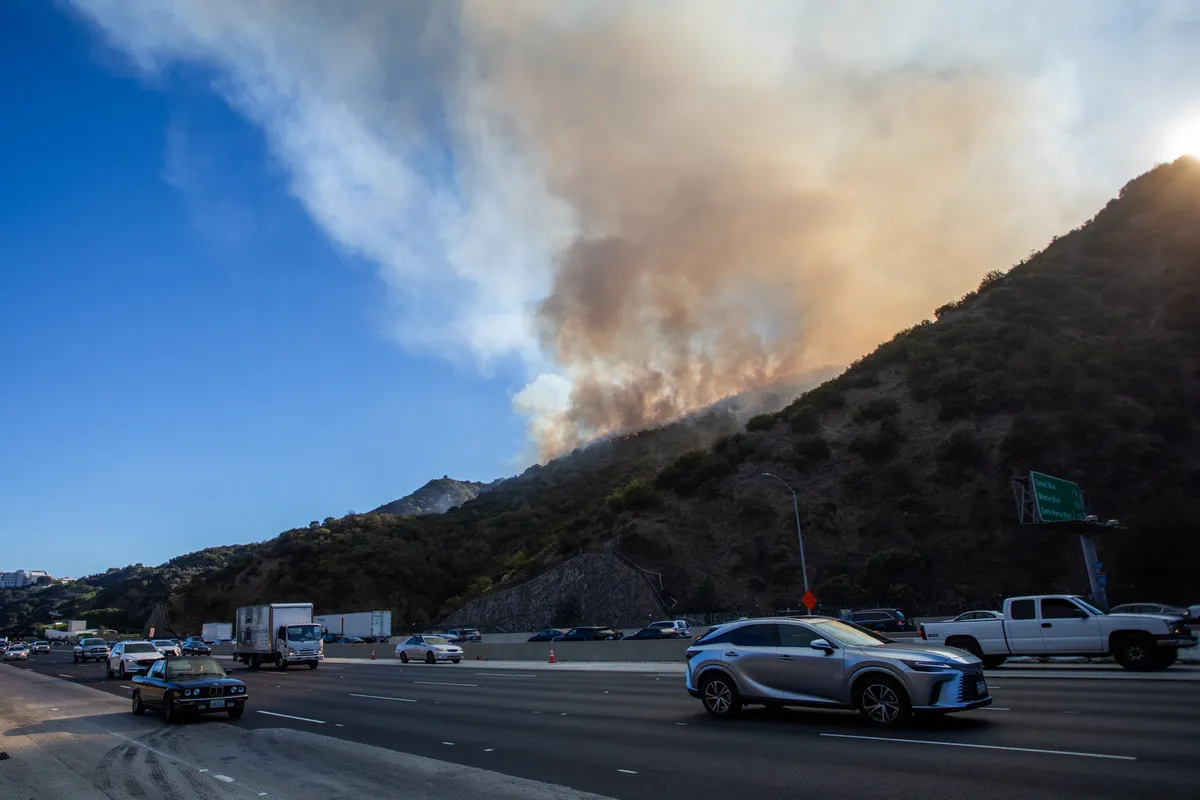
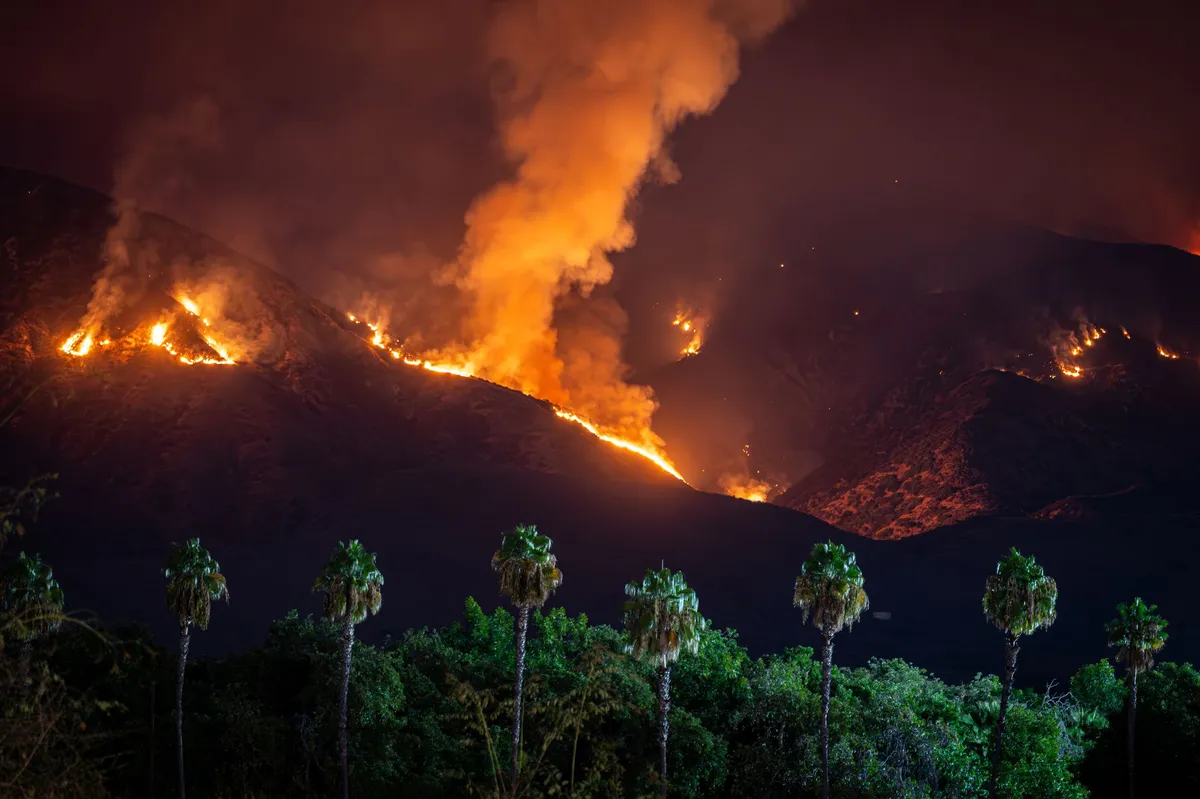
The combination of high temperatures and strong winds can prove disastrous for fire containment efforts. In Los Angeles, the ongoing heat wave has complicated firefighting efforts, especially near the Getty Center, where smoke has disrupted traffic along the 405 Freeway.
The Wider Implications of Extreme Weather
This year's extreme weather patterns can largely be attributed to the effects of the powerful El Niño phenomenon, which is nearing record strength. This climatic event significantly influences weather patterns across the globe, leading to increased precipitation in some areas while causing drought and heightened fire risks in others.
In addition to immediate dangers, the implications of these weather extremes extend to insurance and economic stability:
- **Insurance Premiums**: Homeowners in high-risk fire zones may see increased premiums as insurance companies adjust their rates to account for higher risks.
- **Property Damage**: Fires can result in significant insured losses, with estimates from previous years indicating damages exceeding $600 million in some states.
- **Emergency Services**: Local governments may face increased financial strain as they allocate more resources to firefighting efforts and disaster recovery.
Preparing for Fire Season: What You Can Do
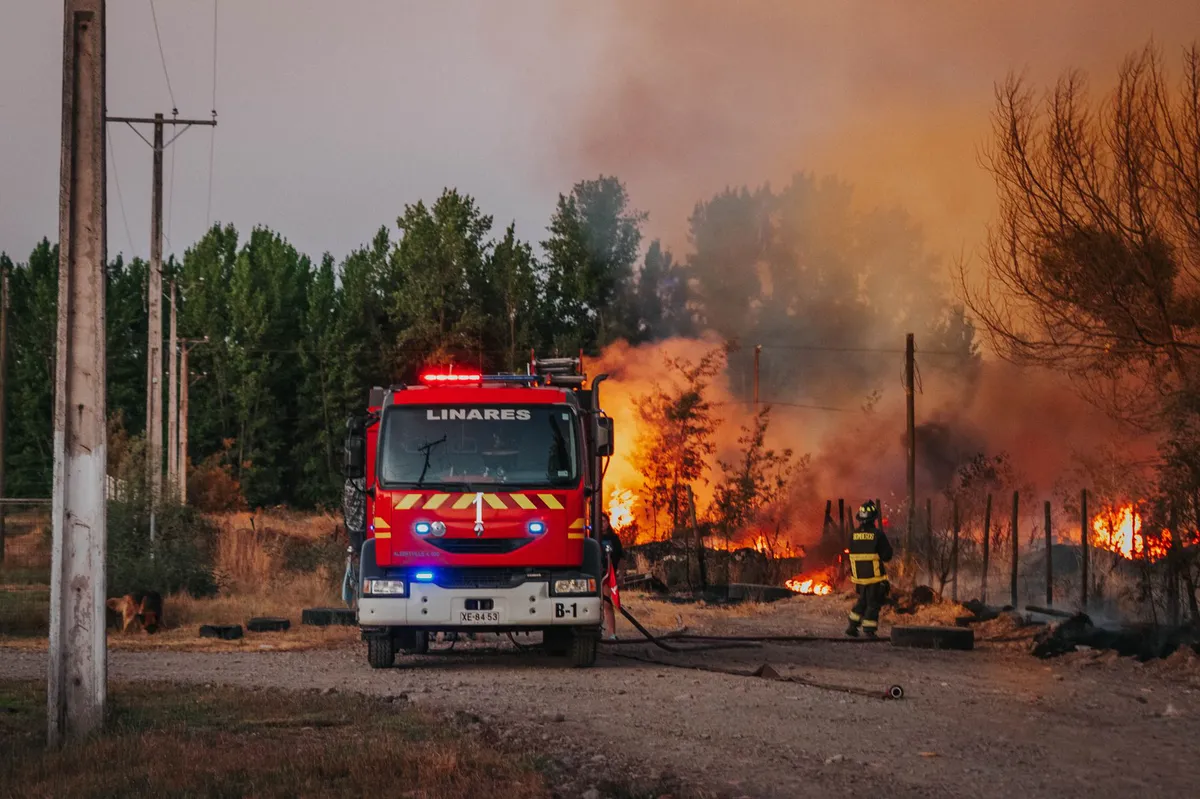
In light of the current conditions, residents in fire-prone areas should take proactive measures to protect themselves and their properties:
- **Create a Defensible Space**: Clear vegetation and debris around your home to reduce fire risk.
- **Have an Evacuation Plan**: Ensure all family members know the evacuation routes and have a plan for where to go.
- **Stay Informed**: Regularly check local weather alerts and updates from the National Weather Service.
- **Prepare an Emergency Kit**: Stock up on essentials like water, food, medications, and important documents.
Future Weather Patterns: What Lies Ahead
Looking ahead, meteorologists are monitoring Tropical Storm Lowell as it drifts away from Hawaii, with additional storms potentially forming in the Pacific. The unpredictability of storm systems can compound the risks already faced by communities in the western U.S.
As these weather patterns evolve, it is crucial for individuals and families to remain vigilant and prepared. The interplay between tropical storms and existing heat and fire conditions can lead to unexpected and dangerous situations.
Key Takeaways
- Extreme heat and fire risks are prevalent from North Dakota to California.
- Red flag warnings and heat advisories are in effect, indicating heightened dangers.
- Residents should take proactive measures to safeguard their homes and families.
- El Niño is influencing weather patterns, exacerbating risks in many regions.
- Staying informed and prepared is key to navigating these challenging conditions.
Frequently Asked Questions
What should I do if I receive a red flag warning in my area?
If you receive a red flag warning, it is crucial to heed the advice of local authorities. This typically means avoiding outdoor burning, securing any outdoor equipment that could become a projectile in high winds, and being prepared for potential evacuations. Make sure to stay tuned to local news and weather updates for the latest information.
How can I protect my home from wildfires?
To protect your home from wildfires, create a defensible space by clearing flammable vegetation at least 30 feet from your home. Use non-combustible materials for roofing and siding, and ensure you have a reliable water source on hand. Regular maintenance, such as cleaning gutters and removing debris, can also significantly reduce fire risks.
Are there financial resources available for those affected by wildfires?
Yes, there are various financial resources available for individuals and families affected by wildfires. This includes assistance from FEMA, local government relief programs, and insurance claims. It's essential to document all damages and contact your insurance provider promptly to understand your coverage options and any claims process you may need to follow.
Comments
Popular in Home Insurance
- 2026 Sees Below-Average Severe Convective Storm Losses: What It Means for Insurance
- El Niño and Wildfires: Preparing for a Fire-Prone Future
- Young Affluent Collectors: The Underinsurance Dilemma in Luxury Investments
- Wisconsin Property Owner Sues City and Insurers Over Contamination Cleanup Costs
- Rising Catastrophe Risks: How Europe’s Insurers Are Adapting to Climate Change