California's Homeowners Insurance Market: A Shift Towards Nonstandard Solutions
California's homeowners insurance market is increasingly relying on nonstandard channels, with 15% of policies now placed through the FAIR Plan or E&S markets. This article delves into the factors driving this shift and the implications for homeowners.
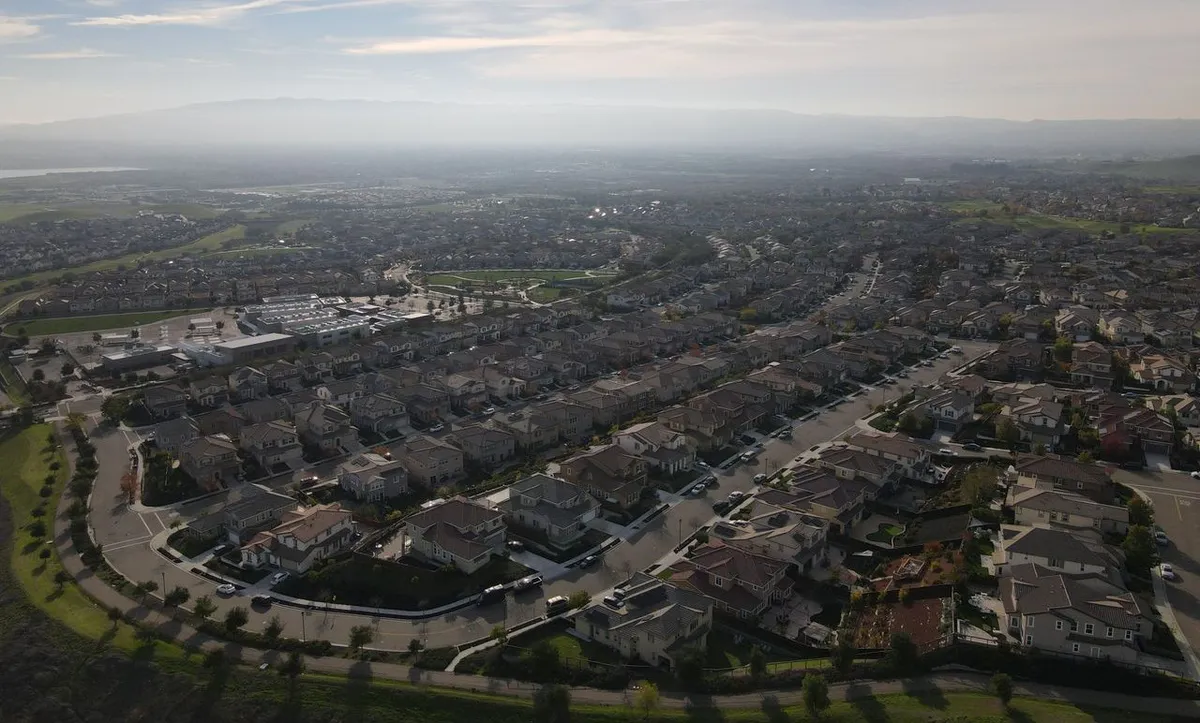
The California homeowners insurance landscape is undergoing a significant transformation, with a notable shift towards nonstandard insurance solutions. Recent data from the Insurance Information Institute (Triple-I) highlights that one in seven homeowners policies written in California in 2025 were placed through the FAIR Plan or the excess and surplus (E&S) lines market. This shift underscores a growing trend that is reshaping how homeowners secure coverage amidst increasing natural disaster risks and regulatory challenges.
Understanding the Nonstandard Insurance Market
The term "nonstandard insurance" refers to policies that do not meet the requirements of traditional insurance markets. In California, this includes policies placed through the FAIR Plan—California's Fair Access to Insurance Requirements program—and the E&S market, which consists of insurers that operate outside the state's standard regulatory framework. The recent data reveals a dramatic rise in reliance on these channels, with the E&S market's share increasing from a meager 1.1% between 2016 and 2020 to an impressive 7.3% in 2025.
The Growth of the FAIR Plan
The FAIR Plan has experienced remarkable growth, with the policy count surging by 157% since 2022. As of June 2025, the total exposure under the FAIR Plan reached a staggering $768 billion. This substantial increase signifies that many homeowners, particularly those in high-risk areas, are turning to the FAIR Plan as a last resort for obtaining necessary coverage after traditional insurers have pulled back from the market.

The Impact of Wildfires and Claims Costs
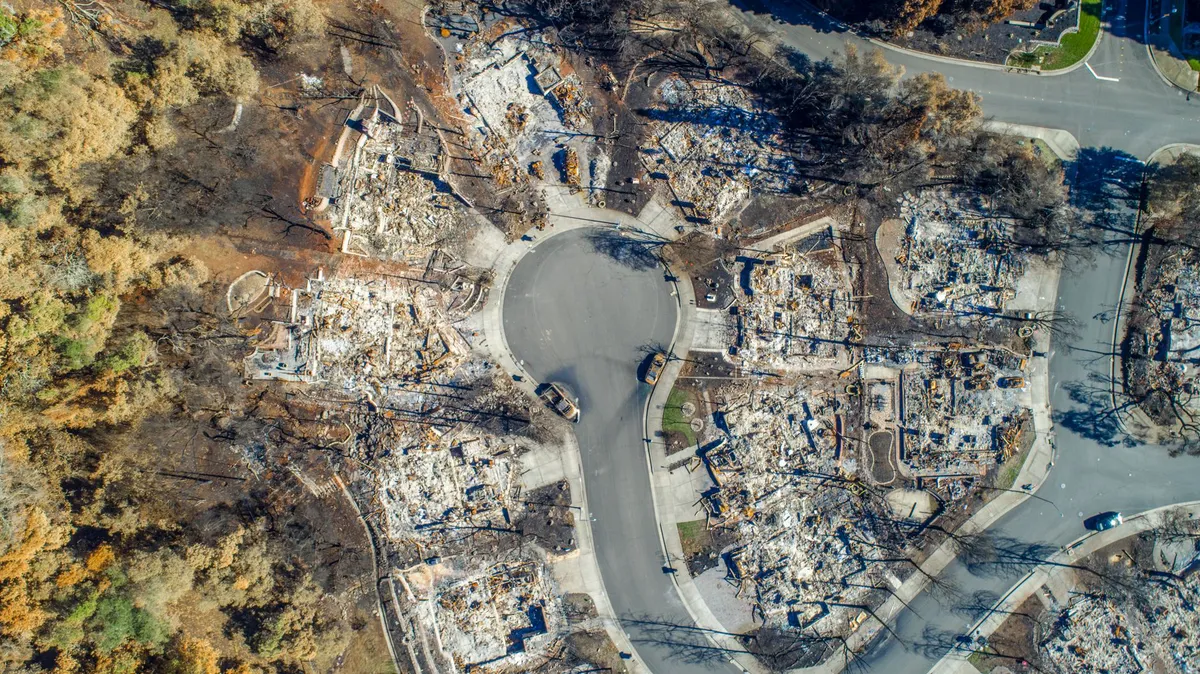
One of the driving forces behind this shift is the escalating impact of wildfires in California. The 2025 Los Angeles wildfires alone resulted in over $22 billion in insured claims, contributing to a concerning trend for homeowners insurers. Between 2016 and 2025, insurers in California recorded an average combined ratio of 122.6, meaning they paid out more in claims and expenses than they collected in premiums. This unsustainable model has led many insurers to reevaluate their risk exposure and reconsider their underwriting strategies.
The Regulatory Environment
The regulatory landscape in California has also played a crucial role in shaping the homeowners insurance market. The median rate-filing approval time in California stands at a daunting 225 days, significantly longer than the national average of 35 days. This delay has prompted several carriers to withdraw from the market, leaving homeowners with fewer options for coverage. In response, the FAIR Plan and E&S market have stepped in to absorb the policies that the admitted market has relinquished.
Innovations in Underwriting and Rate Filings
In an effort to stabilize the market, California's insurance commissioner, Ricardo Lara, has introduced a sustainable insurance strategy (SIS) that allows carriers to utilize forward-looking catastrophe models and reinsurance costs in their rate filings. This initiative aims to encourage insurers to commit to writing at least 85% of their statewide market share in areas distressed by wildfires. By mid-2026, six of California's ten largest home insurance groups had already signed on to the SIS framework, indicating a potential shift towards more adaptive and responsive underwriting practices.
Rate Adjustments and Homeowner Impact
Despite these efforts, challenges remain. The FAIR Plan has announced an average rate increase of 29.1%, effective October 15, which is lower than its original request of 35.8%. Additionally, while State Farm has reopened limited new business in wildfire-distressed ZIP codes under its SIS agreement, broader market availability from major carriers is still in the process of returning. As homeowners navigate this evolving market, understanding the implications of rate adjustments and the importance of timely filings is essential.

The Future of Homeowners Insurance in California
The evolving landscape of homeowners insurance in California reflects a broader structural problem that requires ongoing regulatory reform. While the Triple-I report acknowledges some progress, it highlights that the increasing reliance on the E&S market and the FAIR Plan is unlikely to reverse without significant changes. As new FAIR Plan business has decreased by 25% in 2026, regulators interpret this trend as an early sign that SIS reforms might be positively impacting the market.
The Role of Homeowners
For homeowners, the implications of these shifts are profound. As traditional coverage options dwindle, understanding how to navigate the nonstandard insurance market becomes increasingly important. Homeowners must evaluate their options carefully, consider the potential costs associated with E&S policies, and remain vigilant about the changing regulatory landscape. As California continues to grapple with the realities of climate change and its impact on insurance, homeowners must be proactive in securing coverage that meets their needs.
Key Takeaways
- 15% of California homeowners insurance policies are now placed through the FAIR Plan or the E&S market, marking a significant trend.
- The FAIR Plan's policy count has surged by 157% since 2022, reflecting the increasing demand for nonstandard coverage.
- Insurers have recorded an average combined ratio of 122.6, indicating unsustainable practices in the market.
- The median rate-filing approval time in California is 225 days, far longer than the national average.
- Ongoing reforms, such as the SIS framework, are aimed at stabilizing the homeowners insurance market.
Frequently Asked Questions
What is the FAIR Plan, and how does it work?
The FAIR Plan, or Fair Access to Insurance Requirements, is a state-mandated insurance program designed to provide basic property insurance coverage to homeowners who cannot find coverage in the standard market. It serves as a safety net for those living in high-risk areas, ensuring that they have access to essential insurance services. However, the FAIR Plan often comes with higher premiums and limited coverage options compared to traditional policies.
Why are homeowners in California facing higher insurance rates?
Homeowners in California are facing higher insurance rates due to several factors, including the increasing frequency and severity of natural disasters, particularly wildfires. The rising costs of claims and expenses have led insurers to adjust their rates to reflect the greater risks they are taking on. Additionally, regulatory challenges, such as lengthy rate-filing approval processes, have further exacerbated the situation, pushing many insurers to seek higher premiums to maintain profitability.
How can homeowners navigate the changing insurance landscape?
To navigate the changing insurance landscape, homeowners should start by thoroughly understanding their options. They should compare policies from various carriers, including those in the E&S market and the FAIR Plan, to find the best fit for their needs. Homeowners should also stay informed about regulatory developments and consider working with an insurance broker who specializes in high-risk markets to ensure they secure the most advantageous coverage.
What should homeowners do if they cannot find coverage?
If homeowners are unable to find coverage in the standard market, they should consider applying for the FAIR Plan as a last resort. It's crucial to assess the policy terms, premiums, and coverage limits before making a decision, as the FAIR Plan may offer less comprehensive protection. Additionally, homeowners might explore alternative solutions, such as joining a risk-sharing group or seeking coverage through the E&S market, where they may find more flexible options tailored to their specific needs.
Comments
Popular in Home Insurance
- 2026 Sees Below-Average Severe Convective Storm Losses: What It Means for Insurance
- El Niño and Wildfires: Preparing for a Fire-Prone Future
- Young Affluent Collectors: The Underinsurance Dilemma in Luxury Investments
- Wisconsin Property Owner Sues City and Insurers Over Contamination Cleanup Costs
- Rising Catastrophe Risks: How Europe’s Insurers Are Adapting to Climate Change