Escalating Legal Claims and Insurance Premiums in NYC Rental Market
Legal claims against New York City rental buildings have surged nearly 100% since 2021, with the Bronx facing the brunt of this increase. This trend is reshaping insurance dynamics and impacting affordability.
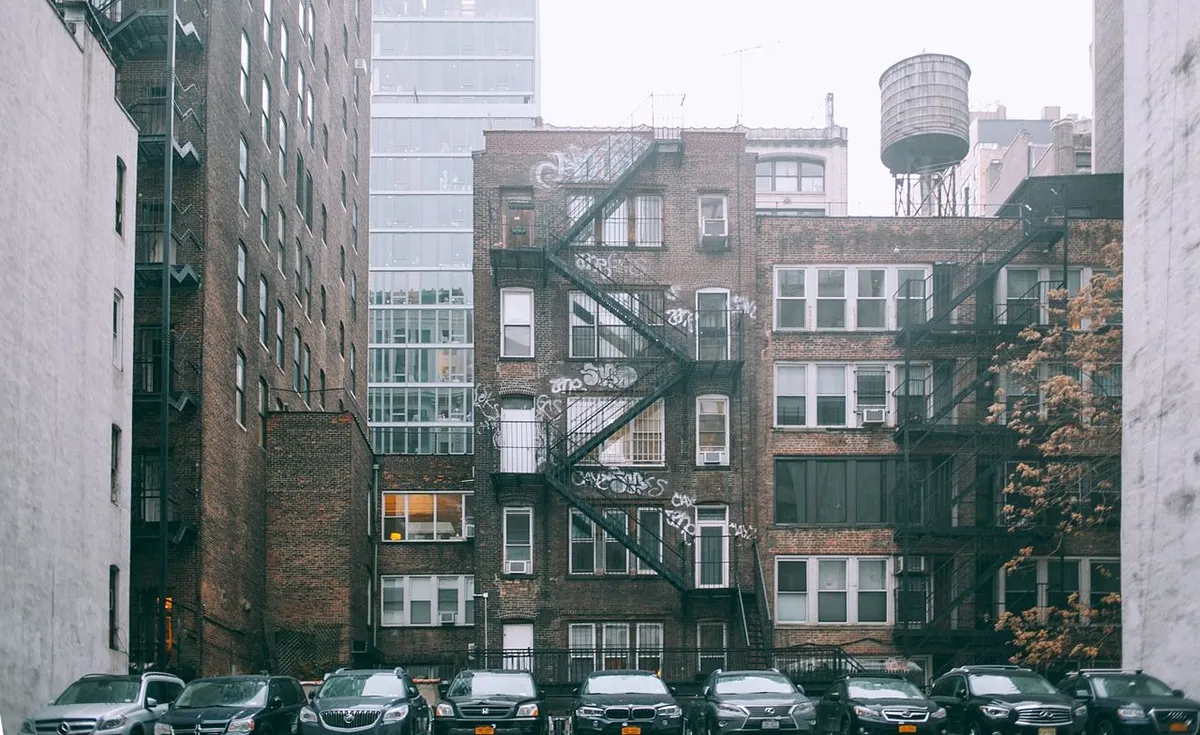
The landscape of New York City’s rental market has undergone a seismic shift in recent years, as legal claims against rental buildings have nearly doubled between 2021 and 2023. This troubling trend, particularly pronounced in the Bronx, has significant implications not just for landlords but also for tenants, insurance providers, and the broader housing market. An in-depth analysis of court filings and housing data reveals a correlation between the rising number of claims and escalating insurance premiums, particularly for affordable housing units.
The analysis, conducted by LegalClaimsAI in tandem with the NYU Furman Center, sheds light on a pattern that brokers have long observed but lacked specific data to substantiate. The research, commissioned by Milford Street Captive Insurance—an entity focused on providing captive insurance structures to landlords—highlights a critical intersection of legal and financial challenges in New York’s multifamily housing sector.
Understanding the Surge in Legal Claims
Between 2021 and 2025, researchers analyzed a staggering 21,992 claims against 18,745 unique residential rental buildings, spanning over 916,207 units across New York City. The findings revealed a 69.6% increase in claims per 100,000 units from 128.69 in 2021 to a peak of 218.32 in 2024, before settling at around 200.3 in 2025. The Bronx emerged as the hardest-hit borough, recording the highest claims per unit rate, peaking at 253.42 claims per 100,000 units in 2024.
This alarming trend has been attributed to several factors, including the reopening of New York courts after pandemic-related closures, which resulted in a backlog of cases. The backlog, exacerbated by New York's Labor Law 240—known colloquially as the scaffold law—imposes absolute liability on property owners for gravity-related injuries, irrespective of fault. This legal framework has placed New York among the most challenging markets for general liability insurance nationwide.

Insurance Implications for Landlords
The rising number of claims has direct repercussions on insurance premiums, particularly for multifamily portfolios. Gallagher's 2024 mid-year real estate report noted that primary liability rates for these portfolios have increased by 10 to 20 percent, while umbrella rates are up by 10 to 15 percent. This tightening of terms reflects the heightened risks that insurers face in this volatile legal environment.
Moreover, the data indicates that government-subsidized and heavily rent-stabilized buildings consistently exhibit the highest claims rates per unit. Tort and negligence claims within these properties grew by 61.82% from 2022 to 2023 and further increased by 57.48% from 2023 to 2024. This rising tide of claims means that landlords operating in these segments are likely to see their insurance costs escalate significantly.
Financial Consequences for Affordable Housing
The financial implications of these trends are profound. A March 2024 policy brief from the New York Housing Conference reported that insurance premiums for affordable housing operators have risen an average of 26 percent annually. Over a four-year span, the average insurance cost per unit skyrocketed from $869 to $1,770. In the Bronx and Northern Manhattan, where claims are most concentrated, premiums surged by an astonishing 134 percent.
Such cost increases inevitably affect rent calculations for stabilized units, leading to a potential erosion of affordable housing availability. As landlords grapple with rising operational costs, they face difficult choices regarding rent increases or cutting back on maintenance and services.
Legislative Responses and Market Challenges
In response to these challenges, New York State enacted legislation in 2024 that bans discriminatory insurance practices against affordable housing providers. While this legislation aims to address issues of discrimination in insurance pricing, it does not tackle the underlying claims environment that has made underwriting these properties prohibitively expensive. As a result, brokers and insurers continue to navigate a complex and challenging market.
The trend of rising claims and premiums particularly burdens landlords managing rent-stabilized buildings, where they retain limited ability to pass increased costs onto tenants. This creates a precarious situation where the viability of affordable housing developments is jeopardized, exacerbating the housing crisis in New York City.
Who Is Affected and What Can Be Done?
The ramifications of this situation extend beyond landlords and insurance carriers; they impact tenants and the overall housing market. As insurance premiums rise, landlords may be forced to increase rents or reduce services, leading to a decline in the quality of living for many tenants.
- Tenants: May face rising rents and potential decreases in building maintenance.
- Landlords: Experience increased operational costs without the ability to fully recover these through rent increases.
- Insurance Carriers: Navigate a challenging underwriting environment with higher risks associated with multifamily properties.
- Policymakers: Must address the complexities of the housing market to prevent further erosion of affordable housing.
Key Takeaways
- Legal claims against NYC rental buildings have nearly doubled since 2021.
- The Bronx has the highest claims rates among NYC boroughs.
- Insurance premiums for affordable housing have surged, impacting rent calculations.
- Legislation has been introduced to combat discriminatory insurance practices.
- Landlords face increasing costs while maintaining affordability for tenants.
Frequently Asked Questions
What factors contribute to the rise in legal claims against rental buildings in NYC?
The surge in legal claims can be attributed to several factors, including New York's strict liability laws, particularly Labor Law 240, which holds property owners accountable for injuries regardless of fault. Additionally, the COVID-19 pandemic caused a backlog in court cases, resulting in a spike in claims once courts reopened. The concentration of claims in affordable housing further exacerbates the issue, making it a pressing concern for landlords and insurers alike.
How do rising insurance premiums affect the rental market?
Rising insurance premiums directly impact landlords' operational costs, leading to potential rent increases for tenants. As insurance becomes more expensive, landlords may struggle to maintain affordability, especially in rent-stabilized properties where they cannot easily adjust rents in response to rising costs. This situation poses a risk to the availability of affordable housing in New York City.
What legislative measures have been taken to address these challenges?
In 2024, New York State passed legislation aimed at preventing discriminatory insurance practices against affordable housing providers. However, this legislation does not tackle the underlying issues contributing to high insurance costs and rising claims. Policymakers need to consider additional measures to create a sustainable environment for both landlords and tenants, ensuring the long-term viability of affordable housing in the city.
What can landlords do to manage rising insurance costs?
Landlords can take several steps to manage rising insurance costs, including improving building safety and maintenance to reduce liability claims, exploring different insurance options, and working closely with brokers to find the best coverage terms. Engaging in proactive risk management strategies can also help mitigate potential claims and demonstrate to insurers that they are taking steps to reduce risk.
Comments
Popular in Home Insurance
- 2026 Sees Below-Average Severe Convective Storm Losses: What It Means for Insurance
- El Niño and Wildfires: Preparing for a Fire-Prone Future
- Young Affluent Collectors: The Underinsurance Dilemma in Luxury Investments
- Wisconsin Property Owner Sues City and Insurers Over Contamination Cleanup Costs
- Rising Catastrophe Risks: How Europe’s Insurers Are Adapting to Climate Change