Seminole Tribe Takes On Lennar Corp: A Clash of Titans in Florida Housing
The Seminole Tribe of Florida is locked in a contentious legal battle with homebuilder Lennar Corp over allegations of poor construction in newly built homes, affecting community members' lives. This case not only highlights housing issues but also signifies a broader struggle for tribal sovereignty and rights.
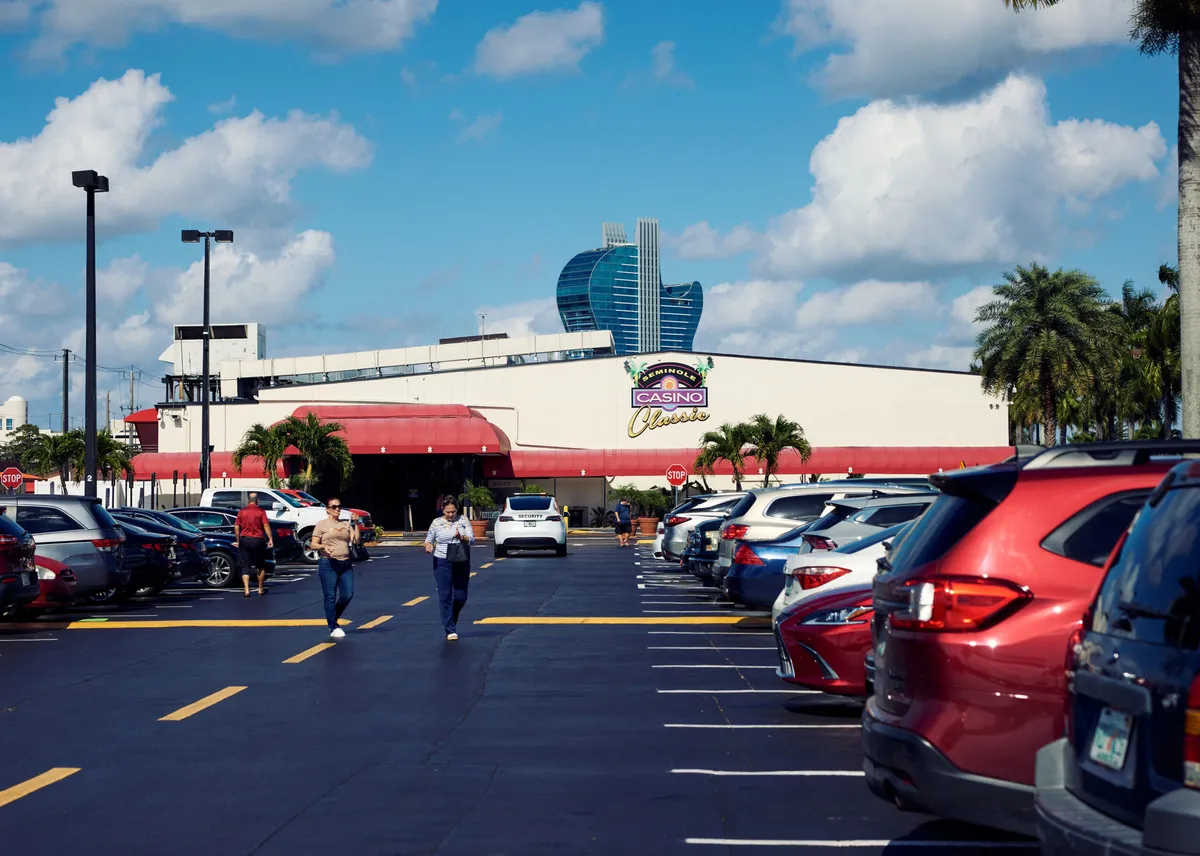
The struggle for affordable and sustainable housing is a pressing issue in many parts of the United States, but perhaps nowhere is it more emblematic than in the ongoing legal battle between the Seminole Tribe of Florida and homebuilding giant Lennar Corp. The tribe, which has aimed to provide affordable housing for its members, now finds itself in a precarious situation as reports of severe construction defects have left many homes uninhabitable, forcing families like Ciara Billie’s to abandon their residences. This case not only highlights the challenges of homeownership in an era of rising costs but also underscores the complexities of tribal sovereignty in the face of corporate power.
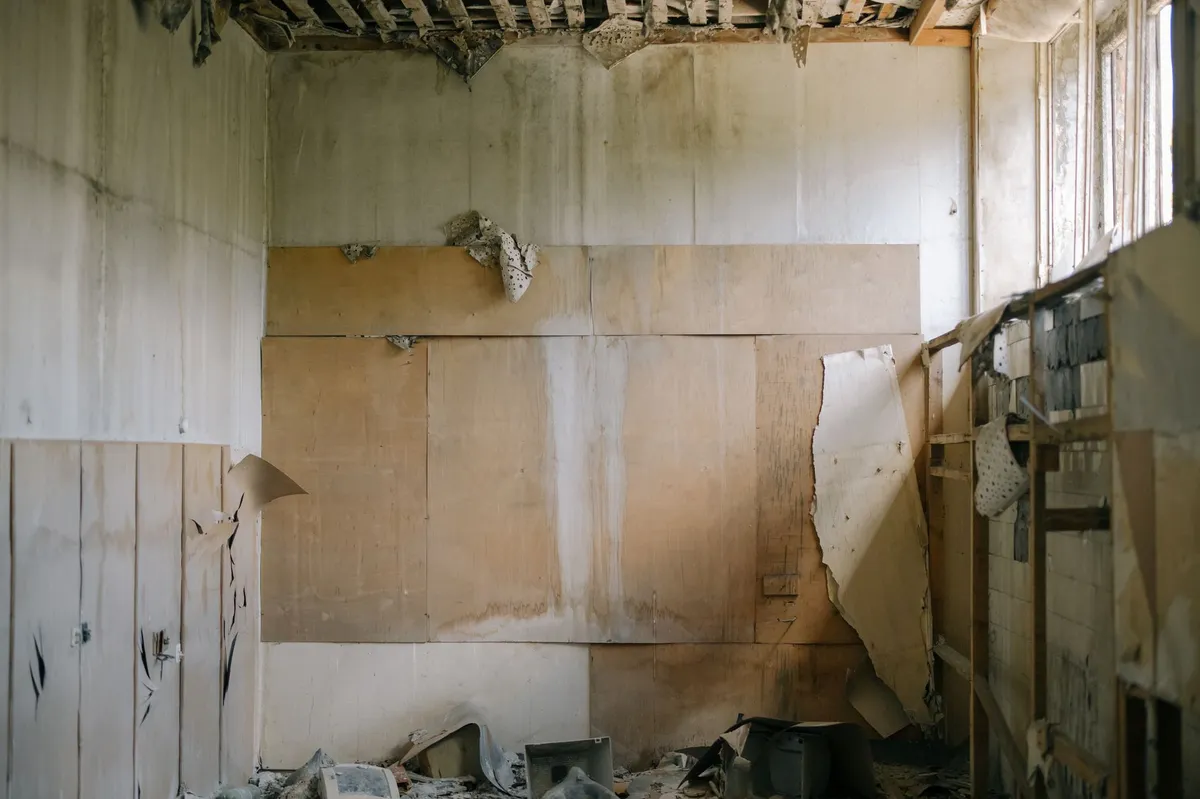
Ciara Billie, a member of the Seminole Tribe, was preparing for a shower in her newly built townhome when disaster struck: her ceiling began to crumble, and an air-conditioning vent fell into her bathroom. What followed was a cascade of issues: a leaky roof, buckling floors, and an insidious mold problem that invaded her home. "I feel like the mold just ran us out of our own home," Billie lamented. The issues she faced are not isolated; they resonate with many families in the community who have also suffered due to the alleged construction defects in homes built by Lennar for the Seminole Tribe.
The Background of the Housing Initiative
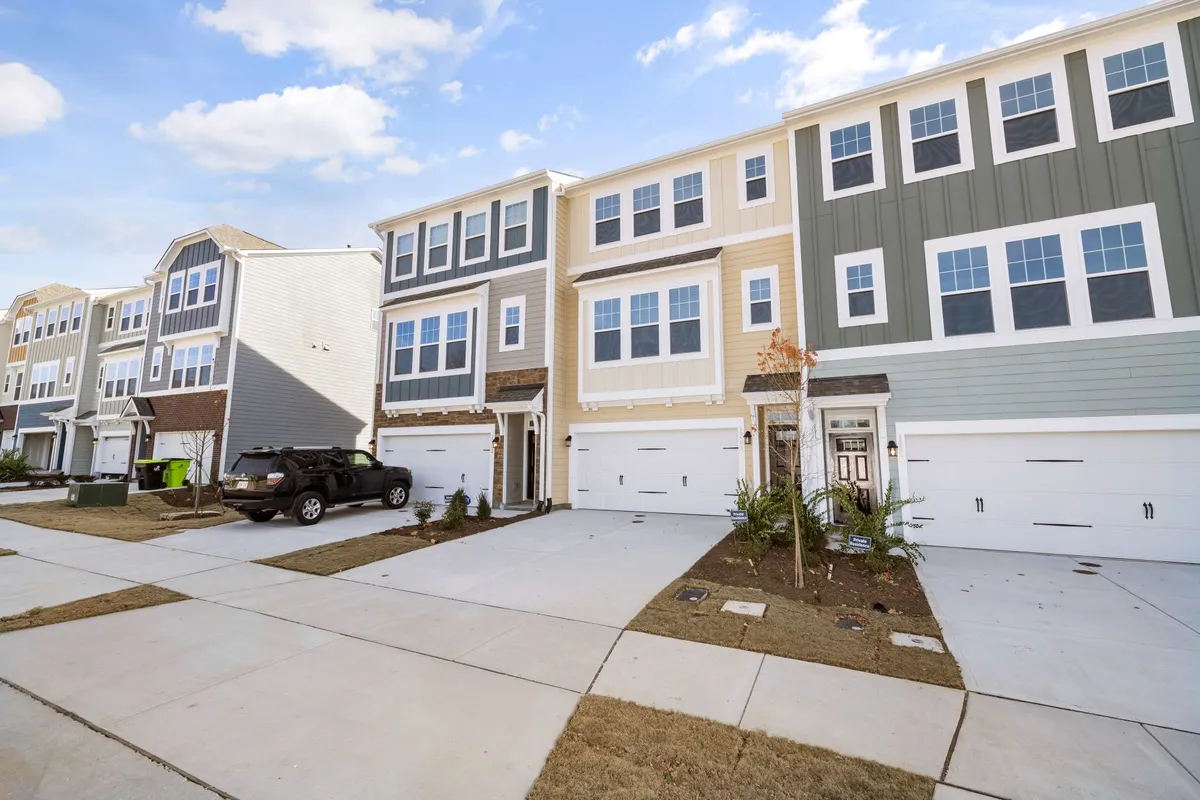
In 2019, the Seminole Tribe enlisted the services of Lennar Corp to construct hundreds of homes across six different reservations in Florida, including the Hollywood Seminole Reservation. The goal was to create affordable housing options for tribe members, who were increasingly feeling the financial pinch as Florida's real estate market became more expensive. These homes were designed to offer rents below market rates and facilitate homeownership through tribal trust down payments, providing a much-needed lifeline to families struggling with the soaring costs of living.
However, the dream of homeownership quickly turned into a nightmare for many residents. Shortly after moving in, Billie and her neighbors were informed by the tribal housing authority that their homes were deemed uninhabitable. Rows of now-empty townhouses and single-family homes sit abandoned, a stark contrast to the vibrant community life the tribe had envisioned. As Billie noted, "We wanted to keep our community together," but instead found themselves scattered and displaced.
The Legal Battle: Sovereignty and Accountability
In response to the deteriorating conditions, the Seminole Tribe filed a lawsuit against Lennar, claiming defects in over 500 homes constructed on their reservations. The allegations include failure to address reported issues, such as mold, leaks, and structural problems. Lennar's response has been to contest the tribe's claims, suggesting that disputes should be settled through arbitration, as stipulated in their contracts.
This legal strategy is not uncommon; many homebuilders include arbitration clauses that prevent customers from pursuing class-action lawsuits. However, the Seminole Tribe's unique status as a sovereign entity complicates matters, allowing them to keep their case in the public eye rather than relegating it to private arbitration. Law professor Myriam Gilles remarked on the significance of this dispute, noting that it represents a clash between a powerful tribe advocating for its members and a corporate giant used to dealing with individual homeowners.

Impact on Community and Future Housing Developments
The ramifications of this case extend far beyond the immediate concerns of mold and structural integrity. For the Seminole Tribe, these homes symbolize much more than mere shelter; they represent a commitment to their culture and a safe future for their community. As Tina Osceola, the tribe's executive director of operations, articulated, "These houses represent tribal sovereignty, a safe future for the Seminole tribe and all its citizens, generation after generation." This perspective frames the legal battle as a fight for not just homes, but for the very identity and future of the Seminole Tribe.
As Lennar has acknowledged, they have conducted numerous site visits and proposed remediation plans; however, according to tribal representatives, their efforts have been insufficient and often met with disrespect. The construction issues reported include severe roofing defects, improper HVAC installations, and various violations of Florida's building codes, all of which have serious implications for the safety and well-being of the residents.
- Water Intrusion: Many homes exhibit severe leaks and water damage.
- Mold Growth: Mold has been reported in various areas, leading to health concerns.
- Structural Defects: Issues such as buckling floors and crumbling grout have been noted.
- HVAC Problems: Oversized HVAC units have reportedly led to ventilation issues.
Broader Implications for Housing Affordability in Florida
The housing crisis in Florida is not limited to the Seminole Tribe; it reflects a state-wide challenge. With rising property values and rents, many residents find themselves in dire straits. Governor Ron DeSantis has proposed tax cuts for property owners, a move that some argue will disproportionately affect lower-income families by shifting the burden onto those able to afford it.
As the Seminole Tribe's lawsuit unfolds, it may set a precedent for other homeowners dealing with similar issues. Attorney Bill Scherer, representing the tribe, believes the case could empower other buyers who have similarly faced corporate giants like Lennar, who often operate behind the veil of arbitration clauses. This legal battle could pave the way for greater transparency and accountability in the homebuilding industry, potentially leading to reforms that prioritize the safety and rights of homeowners.
Key Takeaways
- The Seminole Tribe's legal battle with Lennar reflects significant housing challenges in Florida.
- Allegations of severe construction defects have displaced many tribal members from their homes.
- The case emphasizes the importance of tribal sovereignty and rights in corporate dealings.
- Outcomes of this case may influence housing policies and accountability standards across the state.
Frequently Asked Questions
What specific defects are being reported in the homes built by Lennar?
Residents have reported a range of serious defects including severe water intrusion, mold growth, buckling floors, and improper HVAC installations that violate Florida building codes. These issues have led to many homes being deemed uninhabitable, forcing residents to leave their properties.
How does tribal sovereignty affect the legal proceedings against Lennar?
The Seminole Tribe's status as a sovereign entity allows them to pursue their legal claims in court rather than being confined to private arbitration, which is typically found in contracts with homebuilders like Lennar. This has enabled the tribe to keep the case public, highlighting their grievances and the broader issues of housing and corporate accountability.
What are the implications of this case for other homeowners in Florida?
The outcome of this case could set a significant precedent for other homeowners in Florida, especially those facing similar disputes with large homebuilders. If the tribe prevails, it may encourage more homeowners to challenge corporate practices and seek accountability, potentially leading to reforms in how disputes are handled in the construction industry.
What are the long-term goals of the Seminole Tribe regarding housing?
The Seminole Tribe aims to provide affordable and sustainable housing solutions for its members, addressing the growing housing crisis in Florida. Their efforts are not just about building homes; they are focused on preserving tribal culture and ensuring a safe future for generations to come.
Comments
Farmers Insurance Launches Plain-Language Coverage Tools and Rebranding Initiative
Farmers Insurance is transforming its customer experience with plain-language coverage tools and a new company-wide rebrand. The focus is on transparency and trust, crucial in a competitive market.

Related articles
Popular in Home Insurance
- 2026 Sees Below-Average Severe Convective Storm Losses: What It Means for Insurance
- El Niño and Wildfires: Preparing for a Fire-Prone Future
- Young Affluent Collectors: The Underinsurance Dilemma in Luxury Investments
- Wisconsin Property Owner Sues City and Insurers Over Contamination Cleanup Costs
- Rising Catastrophe Risks: How Europe’s Insurers Are Adapting to Climate Change