The $23 Billion Inflection Point: America’s Evolving Fire Insurance Landscape
The fire insurance market in the U.S. has surged from $13.4 billion to $23.2 billion in recent years, driven by catastrophic wildfires and rising climate-related risks. As the industry grapples with these challenges, carriers are rewriting their strategies to adapt to a new normal.

The fire insurance market in the United States is undergoing a seismic shift, evolving from a relatively stable sector to one of the most volatile in the property and casualty (P&C) insurance landscape. The industry has seen direct premiums written soar from $13.4 billion in 2019 to a staggering $23.2 billion by 2024, marking a remarkable growth rate of 73.9% over five years. This surge is not merely an economic statistic; it reflects a complex interplay of environmental factors, regulatory changes, and evolving consumer needs that are reshaping how fire risk is assessed and managed nationwide.
As we stand at this inflection point in 2024, the fire insurance market is revealing a dual narrative: the hard market phase that spanned from 2019 to 2023, characterized by steep premium increases and tightened underwriting standards, is now transitioning into a new phase of growth moderation. While the market continues to expand, the rate of increase is slowing, reflecting a broader adaptation to the realities of climate change and its associated risks. The national loss ratio has also shown significant improvement, dropping to 40.6% in 2024, the lowest in six years. This signals that, at least for now, insurers are achieving rate adequacy — a crucial milestone in the ongoing evolution of the fire insurance market.
Understanding the Market Dynamics
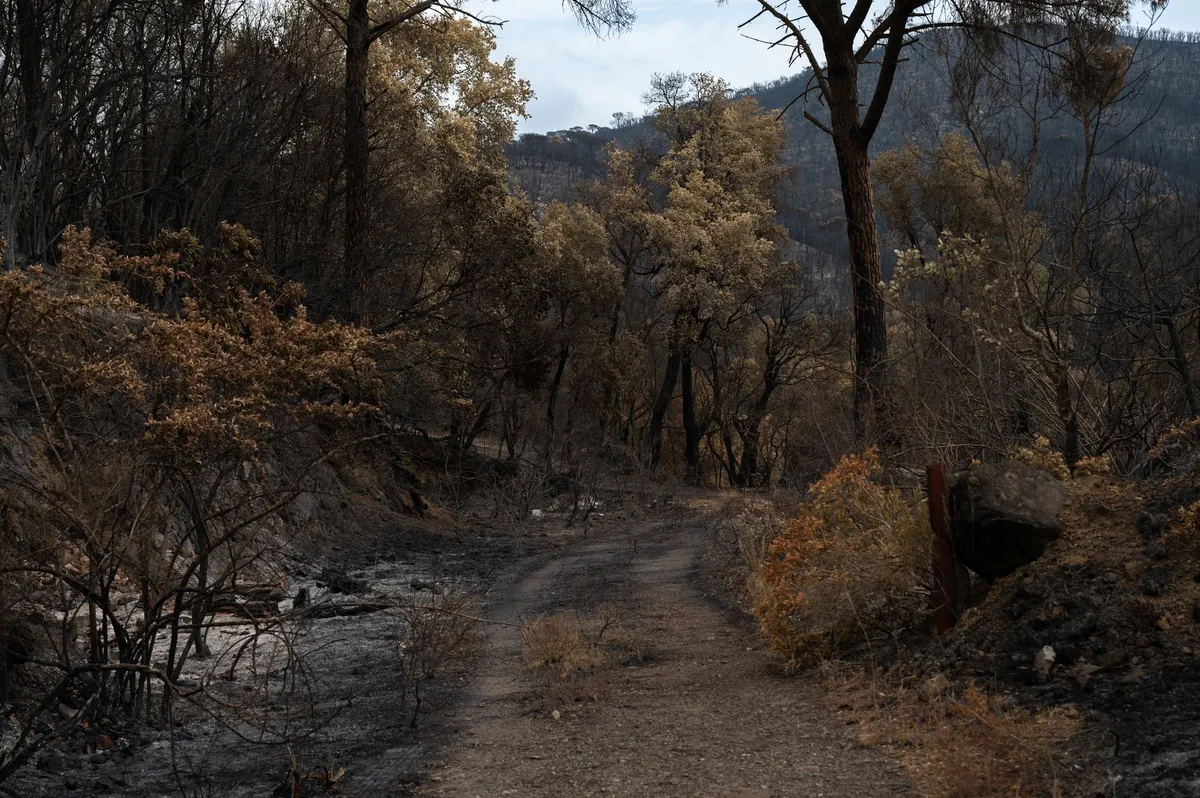
The volatility in the fire insurance market is primarily driven by increased frequency and severity of wildfires and other climate-related disasters. Since 2017, nine of the ten most expensive wildfires in U.S. history have occurred, leading to a surge in claims and a recalibration of risk by insurance carriers. In 2023 alone, the U.S. experienced a record 28 individual billion-dollar weather and climate disasters, underscoring the urgent need for insurers to rethink their approaches.
California: The Epicenter of Change
California stands at the heart of this transformation, with its fire insurance market reflecting the broader national trends. The state’s FAIR Plan, a last-resort insurance option for homeowners in high-risk areas, grew from covering approximately 210,000 homes in 2020 to over 463,000 by 2024, with total exposure exceeding $450 billion. With major carriers like The Hartford, State Farm, AIG, and Allstate ceasing to issue new homeowners policies in the state, the burden of coverage has shifted increasingly towards surplus lines and the FAIR Plan, resulting in significantly higher premiums.
The California Commissioner’s Sustainable Insurance Strategy, launched in 2023, aims to address these challenges. A key regulation set to take effect in December 2024 will allow reinsurance costs to be included in rate-setting, a long-sought reform that could help attract insurers back into the market. However, the impending Los Angeles wildfires in January 2025 will test the resilience of this reform, as the market braces for potential claims that could further strain capacity.

The Impact of Climate Change on Premiums
From 2020 to 2023, replacement costs for properties have risen dramatically, averaging a 45% increase against a consumer price index (CPI) inflation rate of just 15%. This disparity highlights the urgent need for insurers to adjust their premium structures to reflect the true cost of risk associated with fire exposure. In 2024, the combination of fire, allied lines, and commercial multi-peril insurance lines reached $103.97 billion in direct premiums, contributing to the U.S. P&C industry crossing the historic milestone of $1 trillion in total direct premiums written.
Regional Variations and Market Pressures
While the national picture suggests a stabilizing market, profound regional divergences exist. California has emerged as the largest fire insurance market, surpassing Texas, with direct premiums written reaching $3.37 billion in 2024. In stark contrast, Texas saw a -7.3% decline in direct premiums written, indicating a potential saturation point or a pullback in capacity among carriers. The state’s historically more favorable conditions are now shifting, reflecting a broader trend of market recalibration across the country.
- California: +126.5% growth in direct premiums over five years, loss ratio at 28.5%.
- Texas: Direct premiums decline, indicating market saturation.
- South Carolina: +163% growth driven by coastal exposure, but rising loss ratio.
- Georgia: Continues to face elevated loss ratios at 69.9%.
- North Carolina: Emerging risk, loss ratio rises to 63.4%.

Future Trends and Strategic Responses
As the fire insurance market moves into 2024 and beyond, several key forces will shape its trajectory. The structural impact of the upcoming Los Angeles wildfires will loom large, as the FAIR Plan's substantial exposure creates systemic risk. If the FAIR Plan cannot meet claims from this event, it could trigger mandatory assessments on private insurers, further exacerbating premium pressures in the market.
Moreover, the December 2024 regulation allowing reinsurance costs in rate-setting could provide a much-needed lifeline for insurers, enabling a more sustainable pricing model. However, the success of this reform will depend on how quickly carriers respond and how they navigate the uncertainties presented by the anticipated wildfire losses.
Competitive Advantages in Risk Selection
The carriers and managing general agents (MGAs) that will thrive in this evolving market are those that develop a competitive edge through granular risk selection. The top-performing companies in 2024, such as AXIS Capital and Farmers, have demonstrated superior loss ratios compared to their peers by focusing on disciplined underwriting practices. As the market stabilizes, the ability to price risks accurately at a parcel level will become the key differentiator, allowing these forward-thinking companies to retain their edge in an increasingly competitive landscape.

Key Takeaways
- The U.S. fire insurance market is projected to reach $23.2 billion by 2024, a 73.9% increase since 2019.
- California leads the market with significant premium growth but faces challenges from major wildfires.
- The upcoming December 2024 regulation may attract more insurers back into the market.
- Granular risk selection will be crucial for carriers to maintain profitability in a changing landscape.
- Anticipated wildfire events could reshape market dynamics and premium strategies.
Frequently Asked Questions
What factors are driving the growth in the fire insurance market?
The growth in the fire insurance market is largely driven by the increasing frequency and severity of wildfires and other climate-related disasters. Since 2017, the U.S. has witnessed several catastrophic wildfires, leading to significant claims and a need for insurers to reassess their risk models. The market is also adapting to rising replacement costs and a more aggressive regulatory environment aimed at addressing these challenges.
How does California's insurance market differ from other states?
California's fire insurance market is unique due to its high exposure to wildfires and the regulatory framework governing insurance. The state's FAIR Plan serves as a safety net for homeowners in high-risk areas, and as major insurers withdraw from the market, more homeowners are reliant on this option. The state's recent regulatory changes aimed at including reinsurance costs in rate-setting could help stabilize the market, but the looming threat of future wildfire claims remains a significant concern.
What should consumers look for in a fire insurance policy?
Consumers should focus on understanding the coverage limits, deductibles, and exclusions in their fire insurance policies. Given the rising costs associated with fire risks, it’s crucial to ensure that the policy provides adequate coverage for property replacement and that it aligns with current market conditions. Additionally, consumers should consider working with insurance brokers who can offer insights into the best options available in a volatile market.
What does the future hold for the fire insurance market?
The future of the fire insurance market will likely be shaped by ongoing climate change, regulatory reforms, and the evolving risk landscape. As carriers adapt to these changes, we can expect to see a blend of stabilization and volatility, particularly in high-risk areas like California. The ability of insurers to accurately assess and price risks will be critical in navigating these challenges and ensuring sustainable growth in the years to come.
Comments
Young Affluent Collectors: The Underinsurance Dilemma in Luxury Investments
A recent Chubb study reveals that many young luxury collectors in the U.S. are underinsured, exposing them to significant financial risks. This article explores the gaps in homeowners insurance and offers insights into how collectors can protect their valuable assets.

Related articles
Popular in Home Insurance
- 2026 Sees Below-Average Severe Convective Storm Losses: What It Means for Insurance
- El Niño and Wildfires: Preparing for a Fire-Prone Future
- Young Affluent Collectors: The Underinsurance Dilemma in Luxury Investments
- Wisconsin Property Owner Sues City and Insurers Over Contamination Cleanup Costs
- Rising Catastrophe Risks: How Europe’s Insurers Are Adapting to Climate Change