Rethinking Flood Insurance: Beyond FEMA Zones for Homeowners
Many homeowners mistakenly believe they're safe from flooding if they're not in FEMA-designated flood zones. This article explores the realities of flood risk and the importance of comprehensive flood insurance.

For many homeowners across the United States, the decision to purchase flood insurance often hinges on a single question: Am I in a FEMA flood zone? If the answer is no, they may assume they are financially protected against flooding. This assumption, however, can lead to rude awakenings when faced with the reality of natural disasters. As experts warn, the scope of flood risks extends well beyond the lines on FEMA's flood maps, leaving millions of homeowners unprotected.
Recent analyses have indicated that a significant percentage of flood claims arise from properties located outside these supposed safe zones. With the advent of advanced data analytics and modeling, understanding flood risk has become more nuanced, demanding a reevaluation of how homeowners approach the flood insurance conversation.
The Limitations of FEMA Flood Zones
FEMA's flood maps are designed to identify areas at the highest risk for flooding, known as Special Flood Hazard Areas (SFHAs). However, these maps were never intended to serve as definitive guides to where flooding will occur. According to Ivan Maddox, a product development specialist at Amwins, the misconception that flooding is confined to these designated zones leads many homeowners to underestimate their vulnerability.
Industry studies reveal striking statistics: after Hurricane Debby, approximately 78% of flooded properties were located outside of FEMA's high-risk flood zones. Moreover, FEMA reported that nearly one-third of claims to the National Flood Insurance Program (NFIP) from 2014 to 2024 originated from properties not classified as high-risk. This gap in perception versus reality underscores the urgent need to rethink how flood risk is assessed and managed.
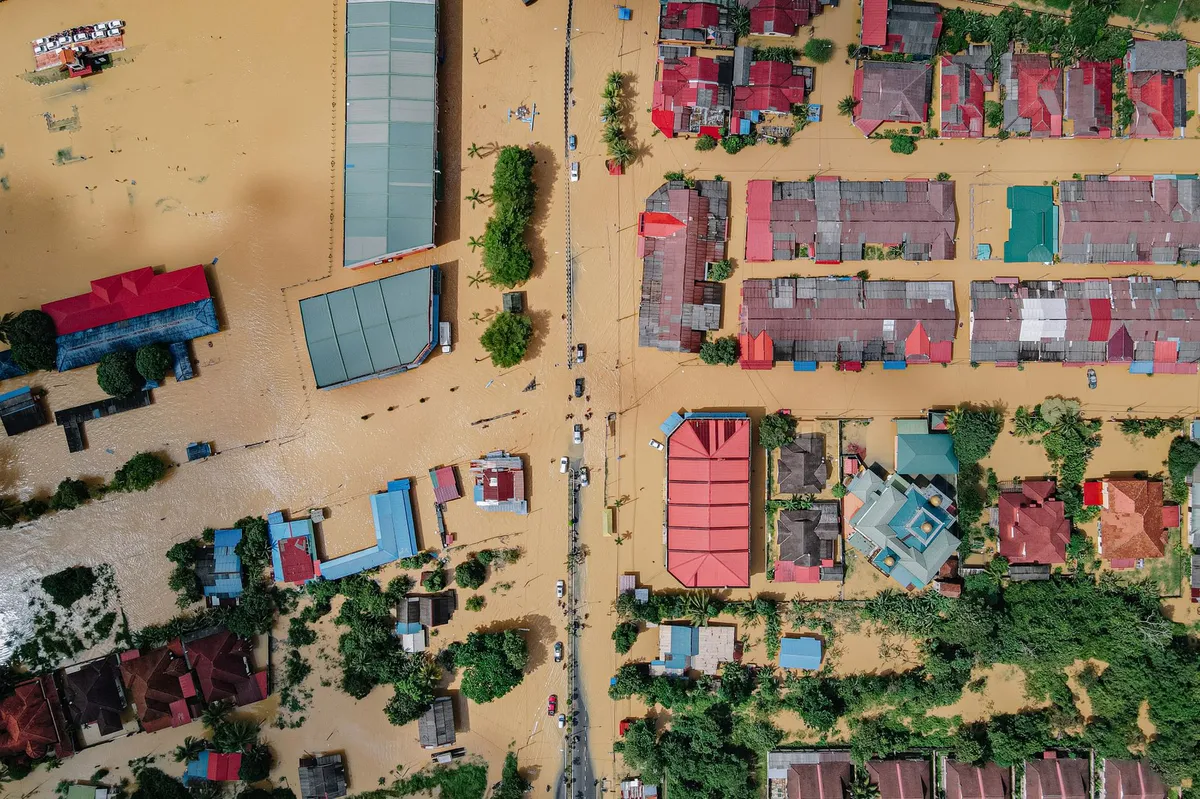
Understanding Flood Insurance Needs
One of the most common misunderstandings among homeowners is the belief that their standard homeowners insurance policy covers flood damage. Unfortunately, this is typically not the case. Flooding from hurricanes, heavy rainfall, or river overflow is generally excluded from standard homeowners policies, thus necessitating a separate flood insurance policy.
Colin Tinley, who leads Amwins' flood business, emphasizes that many homeowners misinterpret the implications of small annual flooding probabilities. For instance, a 1% chance of flooding might seem low, but when viewed over the lifespan of a typical 30-year mortgage, the risk translates to approximately a 26% chance of experiencing a flood event. This stark reality highlights the importance of proactive risk management through appropriate insurance coverage.

The Growing Protection Gap
Recent weather events have illuminated the increasing protection gap as catastrophic flooding occurs without the dramatic headlines typically associated with hurricanes. For instance, Tropical Storm Arthur, which formed off the Texas coast in 2026, caused substantial flooding across Louisiana, with over 200 homes affected despite not reaching hurricane strength. Maddox notes that the lack of awareness regarding flood risk in such events is concerning, as communities often remain uninformed about their vulnerability when the flooding is not tied to significant wind events.
This hyper-localized nature of flood risk is critical to recognize. While flooding risk is apparent near well-known hazard areas like the Mississippi River, lower-risk areas require sophisticated risk assessments to accurately gauge potential flooding threats. The evolution of data analytics and flood modeling has made it possible to understand these subtle risks better, paving the way for more informed insurance decisions.

Advances in Flood Risk Assessment
Over the past decade, the insurance industry has witnessed a revolution in how flood risk is priced and assessed. Historically, determining flood risk outside of obvious high-hazard areas was often a guessing game. Today, however, organizations like Amwins are leveraging advanced data sets, including elevation data and hazard maps, to provide precise flood risk assessments.
The Amwins IQ platform exemplifies this innovation, enabling retail agents to compare multiple residential flood markets in a single, user-friendly interface. With plans to expand to commercial products and excess coverage, Amwins is committed to providing comprehensive solutions tailored to varying risk levels.
Challenges and Solutions for Homeowners
Despite advancements in data and technology, many homeowners remain underinsured against flood risks. The reliance on outdated assumptions about FEMA flood zones leads to a critical gap in protection. To combat this challenge, homeowners should take proactive steps to understand their flood risk and seek appropriate coverage. Here are several actionable steps:
- Evaluate Your Location: Check if your property is near rivers, lakes, or other bodies of water that could pose a flooding risk, even if outside a FEMA-designated zone.
- Understand Your Policy: Review your homeowners insurance policy to confirm it excludes flood coverage and seek a separate flood insurance policy if needed.
- Consult with Experts: Engage with insurance professionals who understand the intricacies of flood risk and can guide you in selecting the right coverage.
- Stay Informed: Keep abreast of local weather events and potential risks, especially during hurricane season and heavy rainfall periods.
- Utilize Modern Tools: Use platforms like Amwins IQ to access data-driven insights and evaluate various flood insurance options.
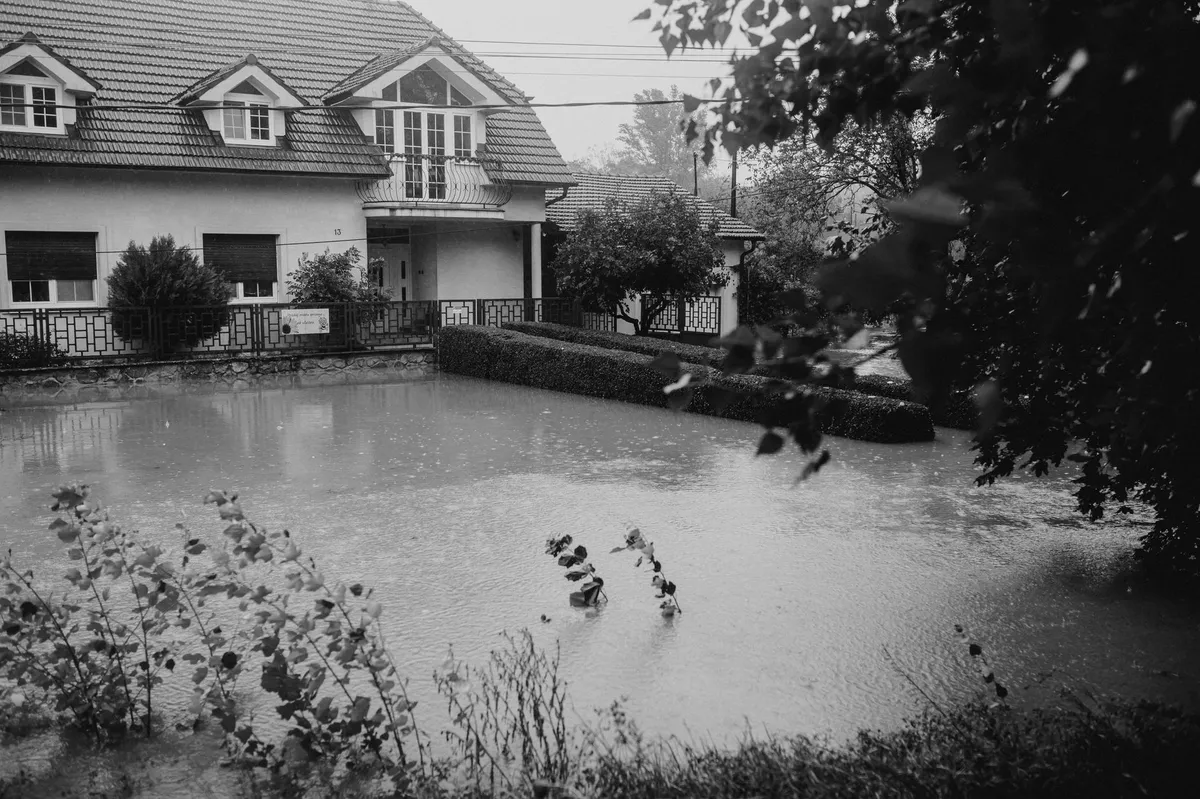
Key Takeaways
- Many homeowners mistakenly believe they're safe from flooding if not in a FEMA flood zone.
- A significant percentage of flood claims come from properties outside high-risk zones.
- Standard homeowners insurance typically does not cover flood damage.
- Advancements in data analytics are improving flood risk assessments.
- Homeowners should proactively seek flood insurance, regardless of FEMA designations.
Frequently Asked Questions
Why is flood insurance necessary even if I don't live in a flood zone?
Flood insurance is crucial because flooding can occur in areas not designated as high-risk by FEMA. Many homeowners falsely assume that being outside these zones equates to safety. However, as statistics show, a substantial number of flood claims come from low-risk areas. Flood insurance provides financial protection and peace of mind in the event of a flooding incident.
What does flood insurance typically cover?
Flood insurance generally covers damage to the structure of your home and its contents due to flooding. This includes damages from heavy rainfall, storm surges, and overflow from bodies of water. It's important to review your policy to understand specific coverage limits and exclusions.
How can I assess my flood risk?
Assessing your flood risk can involve reviewing FEMA flood maps, consulting with insurance professionals, and utilizing platforms that provide flood risk assessments based on modern analytics. Consider factors such as your property's proximity to water sources, historical flooding data, and local weather patterns when evaluating your risk.
What steps can I take to prepare for potential flooding?
Preparing for potential flooding includes creating an emergency plan, securing important documents, and ensuring you have adequate insurance coverage. Homeowners can also consider installing flood barriers, maintaining drainage systems, and elevating utilities to reduce risks associated with flooding.
Comments
Strengthening Homes: Connecticut's Push for FORTIFIED Roofing Standards
Connecticut is promoting FORTIFIED roofing standards to enhance storm resilience for homes. This initiative aims to equip builders and homeowners with vital resources to face severe weather challenges effectively.

Related articles

Popular in Home Insurance
- 2026 Sees Below-Average Severe Convective Storm Losses: What It Means for Insurance
- El Niño and Wildfires: Preparing for a Fire-Prone Future
- Young Affluent Collectors: The Underinsurance Dilemma in Luxury Investments
- Wisconsin Property Owner Sues City and Insurers Over Contamination Cleanup Costs
- Rising Catastrophe Risks: How Europe’s Insurers Are Adapting to Climate Change