Homeowner Challenges Insurer's Denial After Storm Damage Claim
A Plano homeowner is suing American Security Insurance after the insurer acknowledged damages but ultimately denied the claim, citing wear and tear. This case highlights critical issues in the insurance claims process.
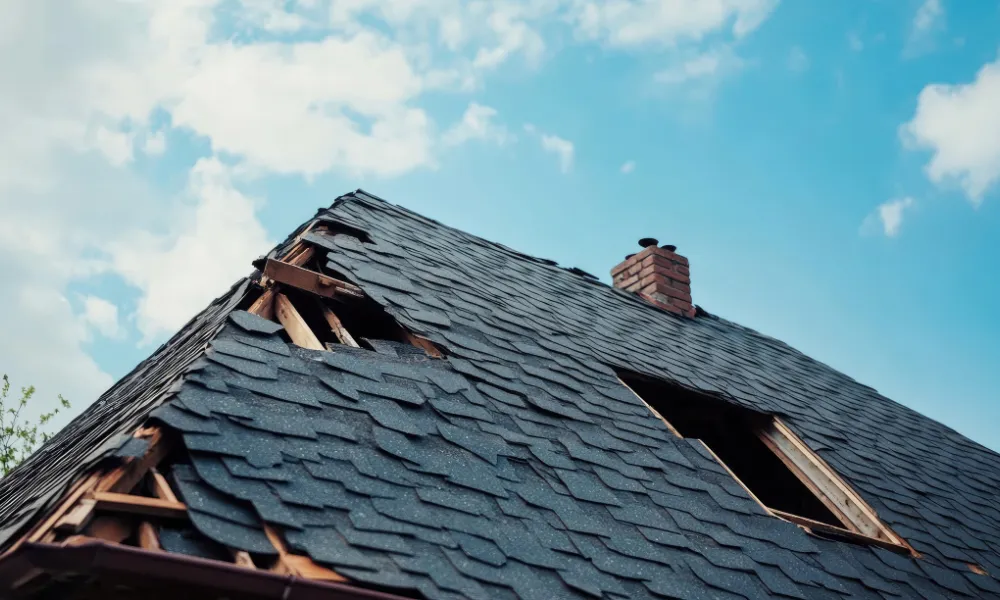
In a compelling case unfolding in the U.S. District Court for the Eastern District of Texas, a Plano homeowner is taking action against American Security Insurance Company over a storm damage claim that was denied despite initial acknowledgment of damage. This lawsuit, filed on July 17, 2026, exposes the complexities of home insurance policies, particularly those that are lender-placed, and raises significant questions about the claims process that many homeowners might find themselves navigating.
The lawsuit stems from a windstorm that struck the homeowner's property on May 28, 2024, causing substantial water damage. The homeowner, who had a policy enforced by United Wholesale Mortgage, found himself in a frustrating predicament when the insurer’s damage assessment revealed repair costs below his deductible. This situation not only left him with no payout but also led to a shifting narrative from the insurer regarding the cause of the damages.
The Background of the Case
The core of the homeowner's grievance lies in the estimated damages and subsequent denial of the claim by American Security Insurance. According to the complaint, after an inspection on June 10, 2024, the insurer's own estimator confirmed visible water penetration under the metal shingles, which should have qualified for coverage. However, the subsequent estimate valued the necessary building repairs at only $8,037.03, falling below the homeowner's deductible of $10,732.
The insured’s predicament illustrates a common issue in insurance claims: when the estimated repair costs do not meet the deductible, homeowners are often left feeling powerless. In this case, despite the apparent damage, the homeowner received a denial letter on July 23, 2024, asserting that there were no storm-related damages to the roof or fence and attributing the interior water damage to wear and tear.
The Shift in Reasoning
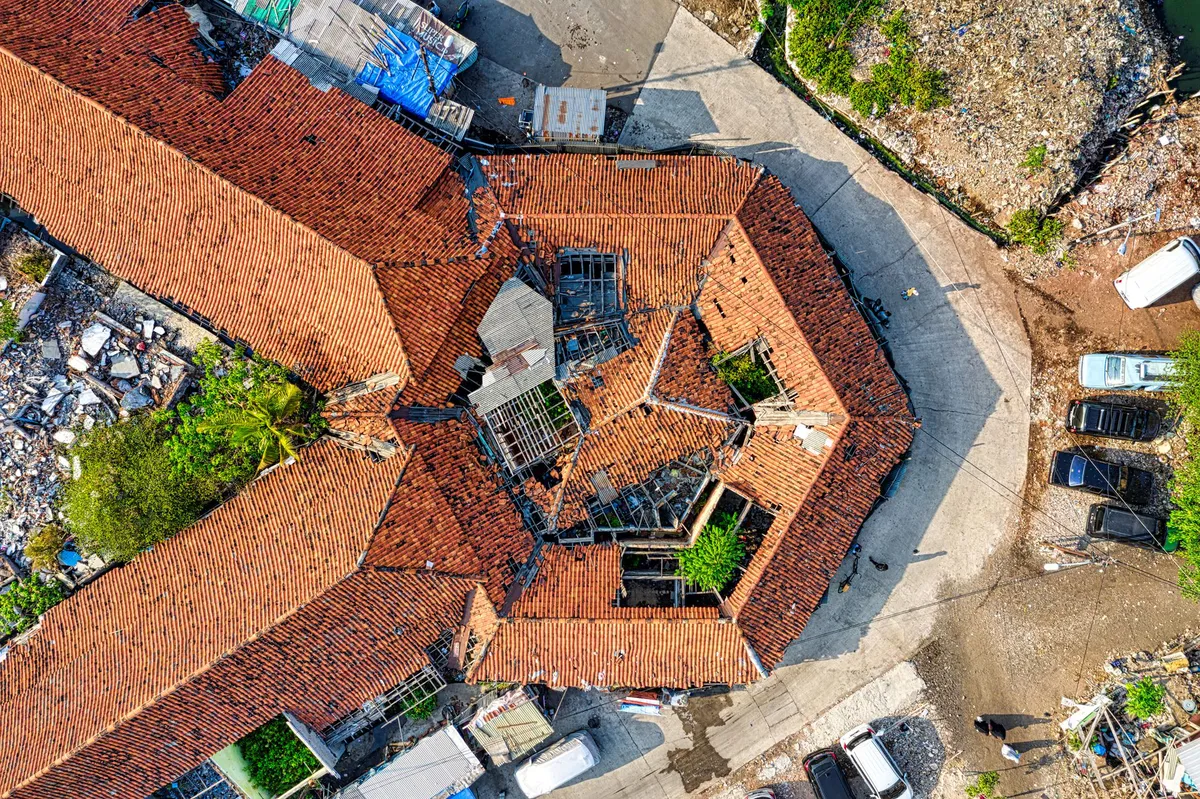
Following the initial denial, the homeowner, taking matters into his own hands, provided substantial contractor evidence and sent a certified-mail demand for $417,273 to the insurer. This prompted a second review that ultimately denied the claim on different grounds. A March 14, 2025, letter stated that the damages were attributed to rot, deterioration, and prolonged water exposure, which the policy does not cover. This shift in reasoning from the insurer raises critical questions regarding the reliability and transparency of the claims process.
Understanding Lender-Placed Insurance
The homeowner's policy was described as lender-placed, which often involves insurance obtained by a mortgage lender on behalf of the borrower to protect the lender’s investment. While this type of insurance is convenient, it can also lead to complications. Homeowners may not have the same control over the policy terms, and in this case, the definitions of “you” and “your” in the policy language included both the homeowner and the lender—an aspect that the homeowner argues entitles him to coverage.
Evaluating the Damages
The lawsuit highlights discrepancies in damage assessments. Three independent contractors evaluated the repairs needed, estimating costs ranging from $169,430.12 to $416,042.89, significantly higher than the insurer's initial estimate. Notably, two of these contractors attributed the damage to the storm rather than wear and tear, suggesting that the insurer's reasoning may not hold up under scrutiny.
This situation underscores the importance of obtaining multiple assessments when dealing with insurance claims. Homeowners should be proactive in documenting damage and seeking expert opinions to bolster their claims. In a market where insurance companies often have the upper hand, independent assessments can provide crucial evidence in disputes.

Legal Implications and Consumer Rights
The homeowner's suit includes allegations of breach of contract, bad faith, and violations of the Texas Insurance Code. Bad faith claims arise when an insurer fails to act in the best interest of its policyholders, which may include denying a claim without a reasonable basis or failing to conduct a thorough investigation.
In Texas, consumers are protected under the Texas Insurance Code, which mandates that insurers must adhere to fair claims practices. The case's outcome could set a precedent for similar claims, affecting not just the homeowner but potentially thousands of others facing similar challenges in the insurance market.
What Homeowners Should Do
For homeowners, understanding your insurance policy and the claims process is crucial. Here are some steps to consider:
- Review Your Policy: Familiarize yourself with the terms, coverage limits, and exclusions of your policy.
- Document Everything: Keep detailed records of all damage, correspondence with your insurer, and estimates from contractors.
- Seek Independent Assessments: If you suspect that your insurer's assessment is inaccurate, consider hiring independent contractors for a second opinion.
- Know Your Rights: Familiarize yourself with state laws regarding insurance claims and consumer protections.
- Consult an Attorney: If faced with a denial, consider seeking legal advice, especially if you believe the insurer acted in bad faith.

Key Takeaways
- A homeowner is suing American Security Insurance for a claim denial after a storm.
- The claim was initially acknowledged, but the insurer later cited wear and tear as a reason for denial.
- Multiple contractor estimates suggest the damage was storm-related, raising questions about the insurer's assessment.
- This case highlights potential bad faith practices and consumer rights under Texas law.
- Homeowners are encouraged to document damage and seek independent assessments when filing claims.
Frequently Asked Questions
What should I do if my insurance claim is denied?
If your insurance claim is denied, the first step is to review the denial letter carefully to understand the reasons provided. Gather any evidence that contradicts the insurer’s claims, such as photographs, repair estimates, and independent assessments. You can appeal the decision by submitting a written request to your insurer, including your supporting documents. If the appeal is unsuccessful, consider consulting with an attorney who specializes in insurance claims.
What is lender-placed insurance?
Lender-placed insurance, also known as force-placed insurance, is a policy that a lender obtains on behalf of a borrower, often when the borrower does not have their own insurance. This type of insurance protects the lender’s interest in the property but may not provide adequate coverage for the homeowner. Borrowers should be cautious and understand the terms of such policies to ensure they have appropriate protection.
How can I prevent issues with my insurance claims?
To prevent issues with insurance claims, maintain detailed records of your property, including photographs, maintenance reports, and any previous claims. Communicate clearly with your insurer and keep written documentation of all interactions. If you experience damage, report it promptly, and consider obtaining multiple estimates from contractors to ensure that you have a robust case if a dispute arises.
What constitutes bad faith in insurance?
Bad faith in insurance refers to an insurer's unethical practices when handling a claim. This can include denying a legitimate claim without justification, failing to conduct a thorough investigation, or not communicating important information to the policyholder. If you believe your insurer is acting in bad faith, you may have grounds for a legal claim, and consulting with a legal expert can provide guidance on your options.
Comments
Nursing Home Liability: Court Ruling Highlights Insurance Proof Importance
A recent court ruling reveals how a nursing home manager lost liability protections due to failure to provide insurance proof before trial. This case illustrates the critical importance of proper documentation in the healthcare sector.

Related articles
Popular in Home Insurance
- 2026 Sees Below-Average Severe Convective Storm Losses: What It Means for Insurance
- El Niño and Wildfires: Preparing for a Fire-Prone Future
- Young Affluent Collectors: The Underinsurance Dilemma in Luxury Investments
- Wisconsin Property Owner Sues City and Insurers Over Contamination Cleanup Costs
- Rising Catastrophe Risks: How Europe’s Insurers Are Adapting to Climate Change