2025 Home Insurance Severity Hits Record High Amid Climate Challenges
The LexisNexis 2026 US Home Trends Report reveals that 2025 was the costliest year on record for home insurance severity. Despite a decline in claim frequency, the rising costs reflect a market grappling with climate-related disasters and inflation.

The home insurance landscape in the United States is undergoing significant and concerning transformations, as highlighted in the recently released LexisNexis 2026 US Home Trends Report. This annual report has unveiled that 2025 marked the costliest year on record for home insurance severity, with severity escalating by an alarming 25.9% from the previous year. This surge, coupled with substantial declines in claim frequency, suggests that while fewer claims are being filed, the financial impact of those that are remains exceedingly high. The implications of these trends extend beyond mere statistics; they reveal a market facing unprecedented pressures due to climate change, inflation, and evolving consumer needs.
In 2025, All Peril severity reached new heights, increasing a staggering 93.2% compared to 2019 levels. Even with an overall drop in claim frequency—down 23.8% year over year—the loss costs remain 50% higher than in 2019, underscoring a critical shift in the home insurance market. The report attributes this rise in severity largely to catastrophic weather events, particularly a record-setting wildfire season. Such findings underscore the need for a deeper understanding of the factors driving these changes and their potential ramifications for homeowners and insurers alike.
Understanding the Severity Surge
The LexisNexis report attributes the significant increase in home insurance severity primarily to catastrophic weather events that have plagued the United States. In 2025, the country experienced 23 climate-related disasters that each caused damages exceeding $1 billion, culminating in a staggering total of $115 billion. This figure ranks as the third-highest annual total on record, underscoring the growing financial toll of climate change on the insurance sector.
The Costliest Catastrophe
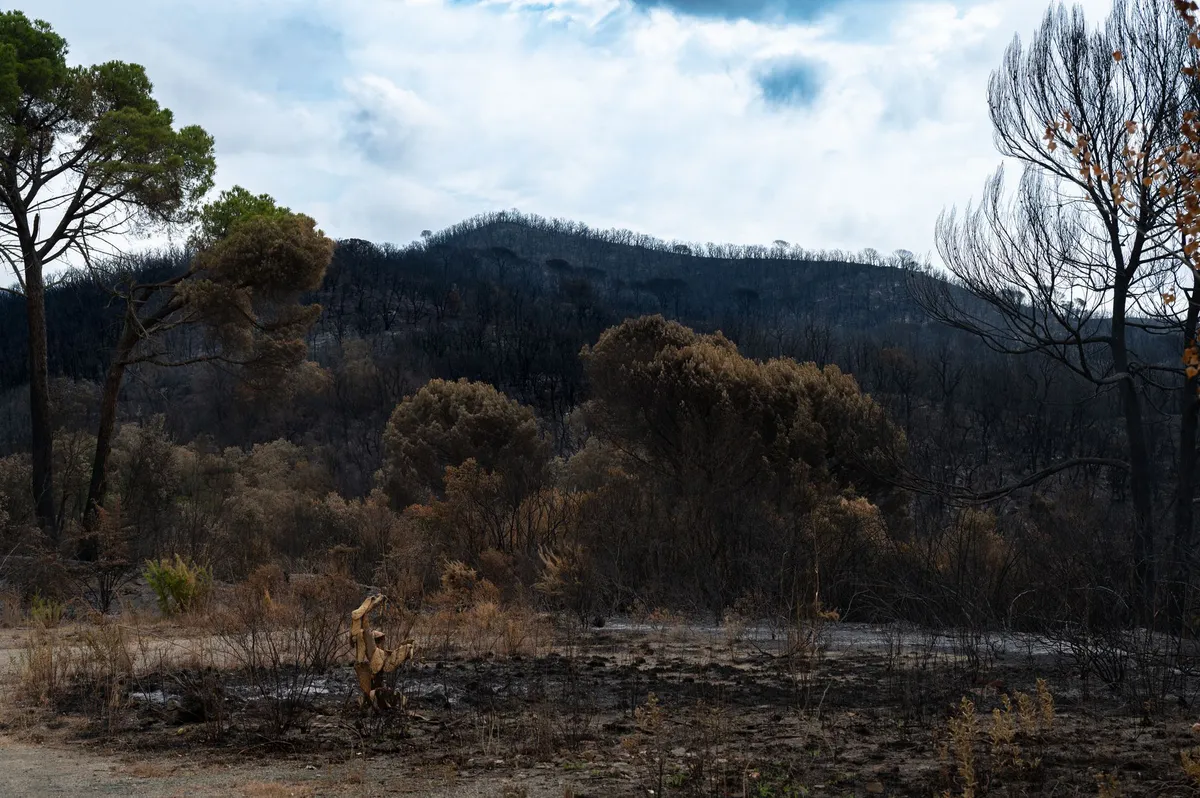
Among these disasters, the January 2025 wildfires in Los Angeles—the Palisades and Eaton fires—accounted for more than half of the total losses, with estimated damages of $61.2 billion. This event is now recognized as the costliest wildfire in U.S. history. The ramifications of such catastrophic events are felt not only by the affected homeowners but also ripple through the insurance industry as companies scramble to adjust their policies and pricing structures in response to rising claims costs.

Market Dynamics: Claims Frequency vs. Severity
Interestingly, while the severity of claims has skyrocketed, the frequency of claims has continued to decrease post-pandemic. In the home insurance sector, the frequency of all claims dropped by 23.8% year-over-year. This dichotomy highlights a crucial trend: while fewer claims are being made, those that are filed are increasingly costly. The average loss cost across all perils fell by 4.4% from 2024 to 2025, yet it remains among the highest levels seen over the past seven years, revealing deeper systemic issues within the industry.
Key Perils Influencing Costs
Specific perils have shown varying trends, further complicating the landscape. For instance:
- Fire and Lightning: Loss costs surged by 76.8%, with severity increasing by 67.3% compared to the previous year, primarily driven by the January wildfires.
- Wind: Loss costs decreased by 50.4%, and severity dropped by 12%, reflecting fewer catastrophic wind claims, despite a notable tornado outbreak in March causing $11 billion in damages.
- Water Damage: Non-weather-related water loss costs fell by 6.4%, yet severity rose by 2.5%, attributed to inflation and rising costs associated with water remediation.
- Liability Claims: While liability loss costs decreased by 4%, severity increased by 12.8%, potentially indicating a trend of social inflation, where litigation costs outpace general inflation.

Regulatory Responses to a Changing Market
The pressures faced by home insurers have prompted a coordinated regulatory response, particularly highlighted during the National Association of Insurance Commissioners (NAIC) 2026 Spring National Meeting. The NAIC announced a nationwide Homeowners Market Data Call aimed at collecting the most comprehensive homeowners insurance policy data in U.S. history. This initiative involves all 50 jurisdictions and requires insurers to submit detailed data regarding premiums, claims, losses, and more.
The aim is to equip regulators to respond swiftly to the evolving market, enhance resilience against severe weather, and ensure that insurers maintain adequate capital to meet their claims obligations. Florida’s Insurance Commissioner, Mike Yaworsky, emphasized the importance of this effort in preparing for the future, particularly in the context of increasing climate-related disasters.
California's Insurance Struggles
California is emblematic of the challenges many states face. Recent research from Stanford’s Climate and Energy Policy Program reveals that average homeowners insurance premiums in California skyrocketed by 84% from late 2020 to March 2026. During the same period, average deductibles rose significantly from $1,813 to $2,553. The state’s FAIR Plan, designed as an insurer of last resort, has increasingly been tapped, now covering approximately 5% of single-family homes, up from just 1.5% in 2020. This trend indicates that significant portions of both high-risk and moderate-risk properties are falling into a safety net that offers limited coverage options, forcing homeowners to seek supplemental policies.

Looking Forward: Opportunities for Insurers
As the insurance market grapples with these challenges, industry experts like George Hosfield of LexisNexis highlight the critical need for insurers to translate broad market trends into actionable insights at the individual property level. By leveraging data analytics to better understand risk factors associated with specific properties, insurers can adapt their offerings to meet the needs of homeowners while maintaining financial viability.
This approach not only helps insurers to price their products more accurately but also equips homeowners with the necessary information to make informed decisions about coverage options and risk mitigation strategies. Understanding local risks, such as wildfire susceptibility or flood zones, can empower homeowners to take proactive steps to safeguard their properties and potentially lower their premiums through mitigation discounts.
Key Takeaways
- The cost of home insurance claims severity reached an all-time high in 2025, driven largely by climate-related disasters.
- Despite a decline in overall claims frequency, the financial impact of claims remains elevated, with all peril severity up 93.2% since 2019.
- Regulatory initiatives, such as the NAIC's nationwide data call, aim to address the challenges in the home insurance market.
- California's homeowners face rising premiums and limited coverage options, reflecting broader trends in the insurance industry.
- Insurers are increasingly turning to data analytics to understand and manage risk at the individual property level.
Frequently Asked Questions
What factors are contributing to the rising severity of home insurance claims?
The rising severity of home insurance claims can be largely attributed to increasing climate-related disasters, such as wildfires and severe storms. As these catastrophic events become more frequent and intense, the financial toll on insurers grows, leading to higher claim payouts. Additionally, inflation-driven increases in replacement costs for materials and labor have further exacerbated the situation, making it more expensive for insurers to settle claims.
How does the decrease in claims frequency affect insurance premiums?
While a decrease in claims frequency might suggest that fewer homeowners are experiencing losses, it does not necessarily translate into lower insurance premiums. Insurers are adjusting their pricing models based on the severity of the claims that do occur. If the costs associated with claims are significantly high, insurers may raise premiums to ensure they can cover potential losses, even if the number of claims is declining.
What is the NAIC's Homeowners Market Data Call, and why is it important?
The NAIC's Homeowners Market Data Call is a comprehensive data collection initiative aimed at gathering detailed information about homeowners insurance policies across the United States. This effort is crucial for regulators to understand market dynamics, assess risk, and ensure that insurers have sufficient capital to meet claims obligations. By collecting data from all 50 jurisdictions, the NAIC seeks to create a clearer picture of the challenges facing the home insurance market and to develop strategies to enhance resilience against future climate-related disasters.
What should homeowners do in light of these trends?
Homeowners should stay informed about the evolving landscape of home insurance and consider reviewing their coverage options regularly. It may be beneficial to engage with their insurance agents to discuss potential adjustments to coverage in light of changing risks, such as increased wildfire susceptibility or flooding. Additionally, investing in risk mitigation measures, such as fire-resistant materials or flood defenses, can not only help protect their homes but may also lead to lower premiums through available discounts from insurers.
Comments
Popular in Home Insurance
- 2026 Sees Below-Average Severe Convective Storm Losses: What It Means for Insurance
- El Niño and Wildfires: Preparing for a Fire-Prone Future
- Young Affluent Collectors: The Underinsurance Dilemma in Luxury Investments
- Wisconsin Property Owner Sues City and Insurers Over Contamination Cleanup Costs
- Rising Catastrophe Risks: How Europe’s Insurers Are Adapting to Climate Change