Rising Claims Severity in Home Insurance: What It Means for Consumers
A new report reveals that while claims frequency has decreased, the severity of home insurance claims has reached an all-time high. This trend poses significant implications for homeowners and insurers alike.

The insurance landscape is experiencing profound changes, with new data revealing a troubling trend for homeowners. According to the 2026 U.S. Home Trends Report by LexisNexis Risk Solutions, claims severity has surged to an all-time high, marking a 25.9% increase from the previous year. While the frequency of claims has notably declined, consumers need to understand the implications of these developments on their insurance policies and overall financial landscape.
In this article, we will delve into the details of this recent report, explore the factors driving these changes in the home insurance market, and provide actionable insights for homeowners navigating this evolving terrain.
Understanding Claims Severity and Frequency
Claims severity refers to the average cost associated with claims filed by policyholders, while claims frequency pertains to the number of claims made over a specific period. The recent report highlights a significant divergence between these two metrics. For homeowners, this could mean higher costs associated with fewer but more costly claims.
Recent Trends in Severity and Frequency
- Severity Increase: Claims severity has reached its highest level in seven years, showing a staggering 93.2% increase since 2019.
- Frequency Decline: The frequency of claims fell by 23.8% from 2024 to 2025, continuing a downward trend that began during the COVID-19 pandemic.
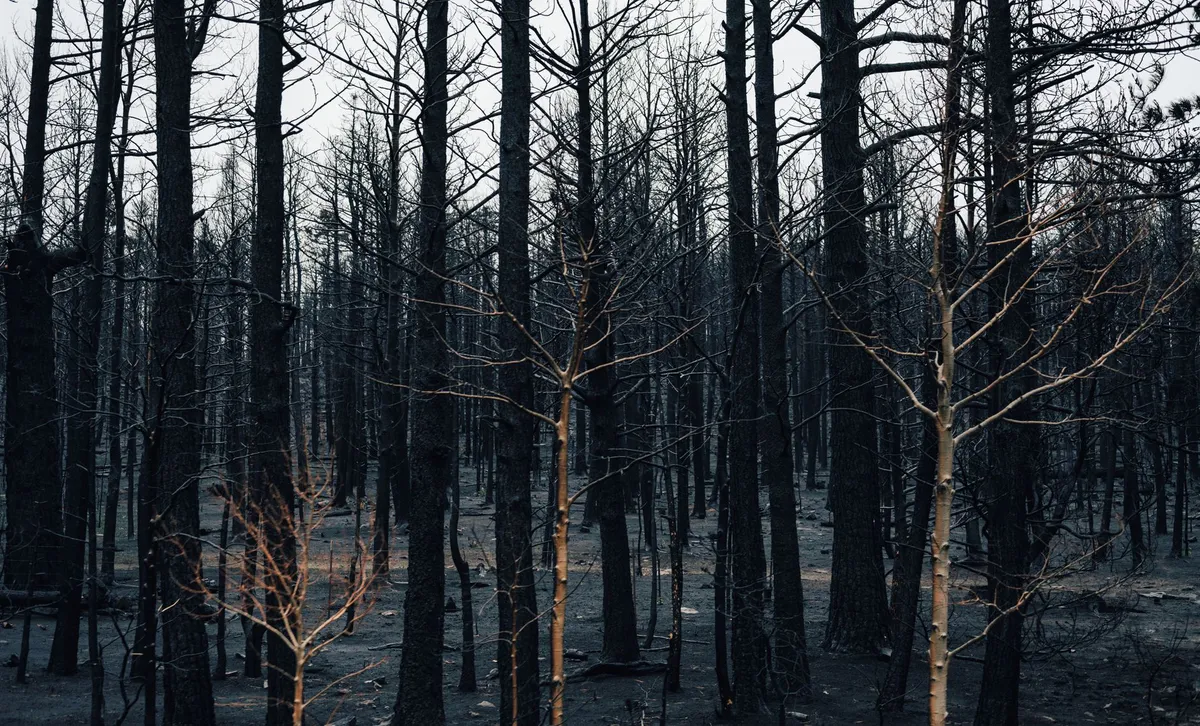
- Impact of Catastrophes: The report cites climate-driven catastrophes, particularly wildfires, as key contributors to rising severity.
The Role of Climate Change
The report attributes much of the increase in claims severity to climate change and its associated risks. With extreme weather events becoming more commonplace, homeowners are increasingly vulnerable to catastrophic losses. The 2025 Los Angeles wildfires, for instance, significantly impacted the cost of claims related to fire and lightning, which saw a loss cost increase of 76.8%.
As wildfires, hurricanes, and other natural disasters become more frequent and severe, insurers are compelled to adjust their underwriting practices and pricing structures. This can result in higher premiums for consumers, as insurers seek to mitigate their risk exposure.
Understanding Loss Costs
Loss costs refer to the costs incurred by insurers due to claims, which can be influenced by various factors, including inflation, construction costs, and the overall risk environment. In 2025, all peril loss cost fell by 4.4%, but it still represented the third most expensive year for the home insurance industry in the last seven years, with a notable 50% increase compared to 2019.
Regional Variations in Claims Costs
Claims costs can vary dramatically by region, reflecting local risk factors and exposure to certain perils. For example, California experienced the highest loss costs due to wildfires, while Nebraska led the nation in overall claims costs across all perils for the past seven years. Understanding regional trends can help homeowners assess their risk and the adequacy of their coverage.
Impact of Catastrophes on Claims
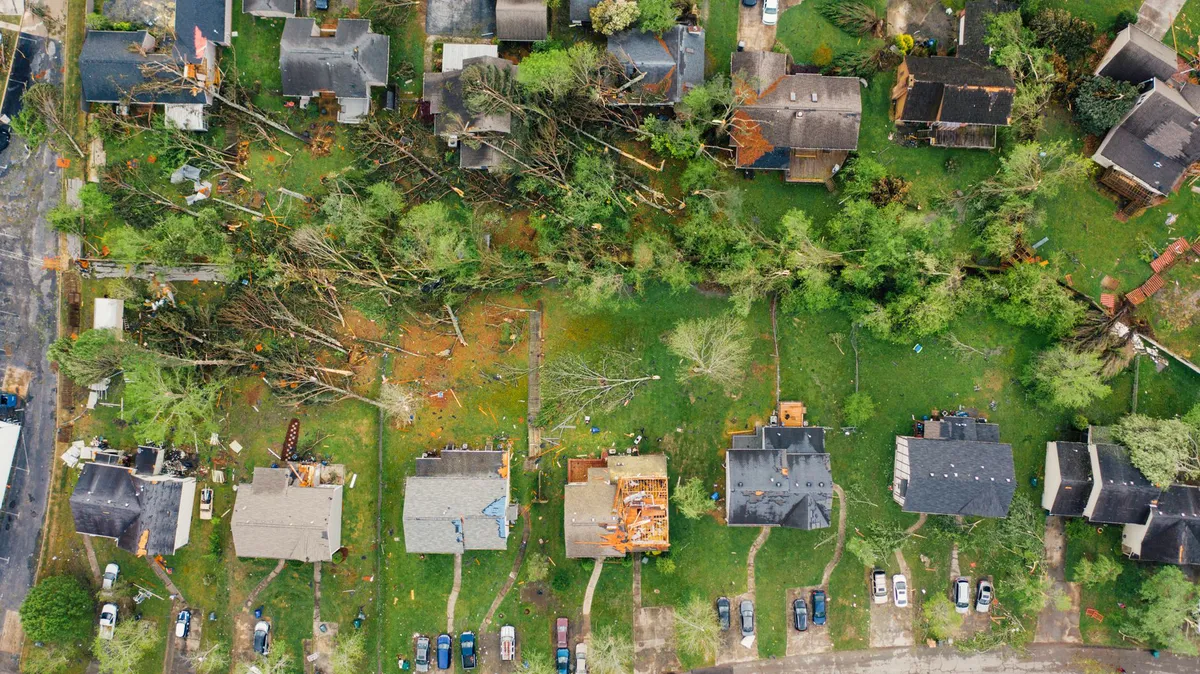
Interestingly, catastrophe claims made up only 51% of total claims in 2025, a decrease from 2024. The absence of hurricanes during the 2025 Atlantic hurricane season contributed to this decline. However, the central tornado outbreak in March was noted as one of the costliest events, indicating that while certain catastrophic events may have lessened, others can still lead to significant claims.
What Homeowners Should Know
As the insurance landscape evolves, homeowners must be proactive in understanding their policies and the potential implications of rising claims severity. Here are some key considerations:
- Review Your Coverage: Ensure that your policy provides adequate coverage for your home and possessions, particularly considering the rising costs associated with severe claims.
- Understand Deductibles: Higher deductibles can lower premiums but may increase out-of-pocket expenses when filing a claim. Choose a deductible that aligns with your financial situation.
- Stay Informed: Keep abreast of changes in the insurance market and regional risks. This knowledge can help you make informed decisions about your coverage.
- Consider Bundling Policies: Bundling your home insurance with other policies, such as auto or life insurance, may lead to discounts and lower overall costs.

Key Takeaways
- Claims severity in home insurance has reached an all-time high, increasing by 25.9% from 2024.
- Claims frequency has declined by 23.8%, continuing a downward trend since the pandemic.
- Climate-related catastrophes, particularly wildfires, are driving up claims costs across the board.
- Homeowners should proactively review their insurance policies to ensure adequate coverage and understand their financial implications.
Frequently Asked Questions
What factors contribute to rising claims severity?
Rising claims severity is primarily influenced by increased costs associated with repairing or replacing damaged property, often exacerbated by inflation and climate change. Catastrophic events, such as wildfires and severe storms, can lead to significant losses, driving up the average cost of claims across the industry.
How can I prepare for potential increases in my home insurance premium?
To prepare for potential premium increases, homeowners should review their policies regularly, consider adjusting deductibles, and explore bundling options with other types of insurance. Additionally, maintaining a good credit score and minimizing claims history can help keep premiums in check.
Are there specific regions more affected by claims severity?
Yes, certain regions are more susceptible to specific risks, which can influence claims severity. For instance, areas prone to wildfires, like California, may experience higher claims costs compared to regions with lower risk levels. Homeowners should assess their local risks and ensure their policies adequately cover potential perils.
Comments
Record High Home Insurance Severity Driven by LA Wildfires
The 2026 US Home Trends Report reveals a stark rise in home insurance severity, primarily influenced by catastrophic climate events like the recent LA wildfires. This article explores the implications for homeowners and the insurance industry.

Related articles

Popular in Home Insurance
- 2026 Sees Below-Average Severe Convective Storm Losses: What It Means for Insurance
- El Niño and Wildfires: Preparing for a Fire-Prone Future
- Young Affluent Collectors: The Underinsurance Dilemma in Luxury Investments
- Wisconsin Property Owner Sues City and Insurers Over Contamination Cleanup Costs
- Rising Catastrophe Risks: How Europe’s Insurers Are Adapting to Climate Change