El Niño's Impact on Hurricane Risk: A Complex Challenge for Insurers
While El Niño typically signals a quieter hurricane season, insurers face new challenges due to rising coastal populations and property values. Understanding these dynamics is crucial for homeowners and businesses alike.
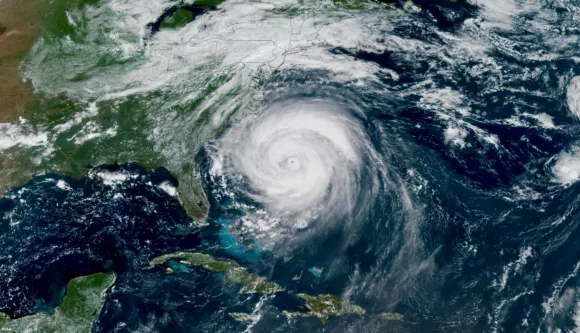
The arrival of El Niño often brings with it the promise of a quieter hurricane season, as the phenomenon alters atmospheric conditions in a way that typically suppresses storm formation. However, for insurers, this seasonal prediction is not as straightforward as it seems. With the U.S. coastline seeing significant population growth and escalating property values over recent decades, the landscape of risk has transformed dramatically. As the 2026 hurricane season unfolds, insurers are grappling with the reality that even a calm season may not guarantee reduced losses.
El Niño, characterized by warmer-than-average sea surface temperatures in the Pacific, typically ushers in a season of fewer named storms and hurricanes. U.S. government scientists confirmed the onset of this phenomenon in June, coinciding with the start of the Atlantic hurricane season. Predictions suggest a below-average season with only eight to 14 named storms and one to three major hurricanes. While historically this would signal relief for property insurers, recent data suggests otherwise. The average insured losses from hurricanes have ballooned to approximately $30 billion annually, making the implications of this quieter season more complex.
The Changing Landscape of Hurricane Risk
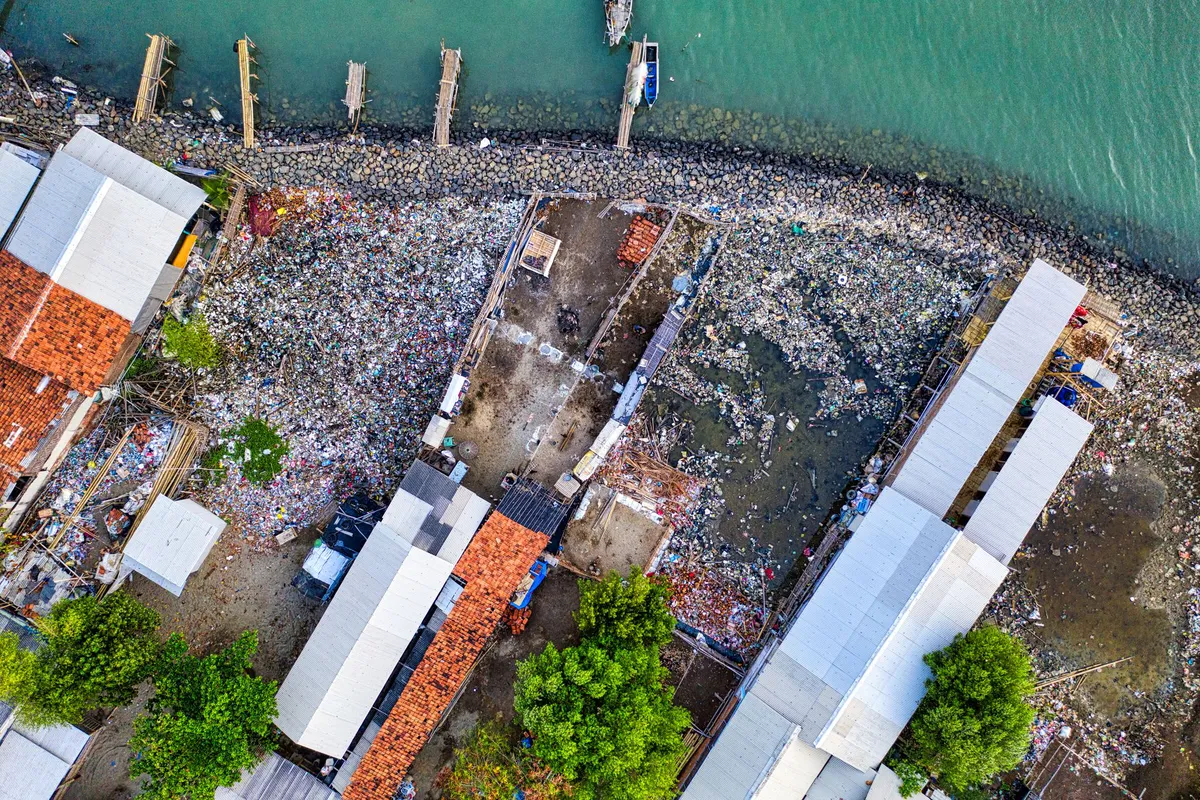
The increased risk to insurers stems from a perfect storm of factors: a growing population along the coasts, rising property values, and escalating reconstruction costs. Federal data indicates that since 1970, more than 40 million additional residents have settled in coastal counties. This surge in population has led to an increase in property exposure to hurricanes. Moreover, home values and reconstruction costs have risen by over 70% and 60%, respectively, in just the last decade. As a result, even a season with fewer storms can engender substantial financial losses.
The Importance of Location
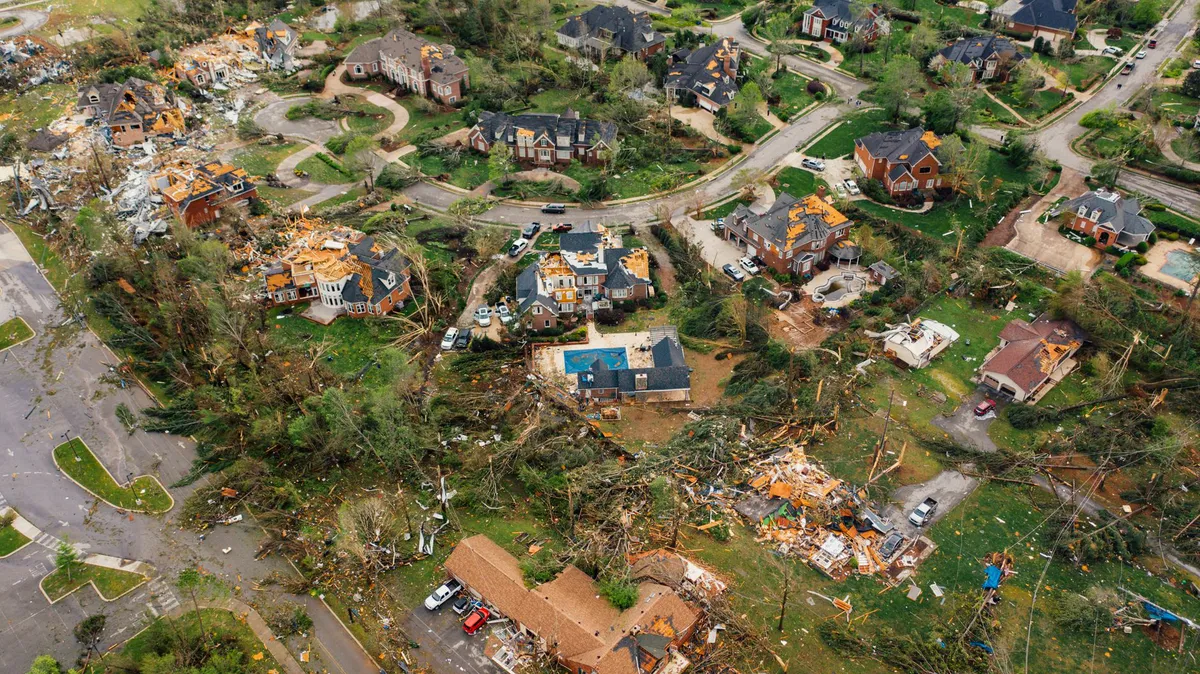
Insurers are beginning to prioritize not just the number of storms but also their geographical impact. The 1992 hurricane season, following the 1991 El Niño, serves as a stark reminder of this reality. Although the season produced fewer storms, it included Hurricane Andrew, which devastated South Florida and Louisiana. If a similar storm were to hit today, it could lead to insured losses nearing $100 billion due to the increased property values. Conversely, the record-breaking 2020 hurricane season, occurring during a non-El Niño year, produced 30 named storms but resulted in only about $30 billion in losses because the majority of the storms did not strike densely populated areas.
Rethinking Catastrophe Models
The evolving dynamics of hurricane risk necessitate a reevaluation of how insurers assess and price catastrophe risk. Traditional models relied heavily on historical data, but as climate patterns shift, the predictive value of those models diminishes. Insurers are now integrating more advanced modeling techniques that take into account not only seasonal climate signals but also localized property exposure data. This shift allows for a more nuanced understanding of potential financial losses from natural disasters.
The Role of Climate Change
El Niño is just one piece of a larger climate puzzle. Climate change is exacerbating risks associated with flooding, wildfires, and other natural disasters, complicating the landscape for insurers even further. As noted by experts, the severity of a single catastrophic event can surpass what was observed even a decade ago. Monica Ningen, CEO of Property & Casualty Reinsurance US at Swiss Re, highlights that increased insured values and concentrated coastal populations mean that the stakes are higher than ever. Insurers must adapt to these changing conditions, embracing sophisticated technology and methodologies to keep pace with emerging risks.
The Future of Insurance in an Uncertain Climate
To navigate these complexities, the insurance industry is increasingly looking to artificial intelligence (AI) to improve risk modeling. AI can process vast amounts of weather and exposure data, enabling more accurate assessments of potential losses. However, experts caution that while AI technology offers significant advantages, it cannot replace the need for comprehensive understanding and human insight into emerging risks.
As the insurance landscape continues to evolve, stakeholders must engage in proactive strategies to mitigate risk. This includes not only adjusting coverage options and pricing models but also educating consumers about their own vulnerabilities. For homeowners and business owners situated in high-risk areas, understanding the implications of climate change and the associated risks is essential.
Key Takeaways
- El Niño may reduce the number of storms, but rising coastal populations and property values mean insurers could still face significant losses.
- The impact of a hurricane is increasingly tied to its location, with high-value areas experiencing the most substantial risks.
- Insurers are developing more advanced catastrophe models, integrating AI and localized data to better predict potential losses.
- Climate change is complicating risk assessments, necessitating a shift in how insurers evaluate and price policies.
- Homeowners should stay informed about their insurance coverage and potential vulnerabilities based on their geographic location.
Frequently Asked Questions
How does El Niño affect hurricane activity?
El Niño alters atmospheric conditions, typically suppressing hurricane formation in the Atlantic by creating unfavorable wind patterns. This phenomenon usually leads to a quieter hurricane season, with fewer named storms and hurricanes. However, it is essential to recognize that while fewer storms may occur, the risks associated with those that do make landfall can be amplified due to increased property values and population density in coastal areas.
What should homeowners do to prepare for hurricane season?
Homeowners should review their insurance policies to ensure they have adequate coverage for potential losses. This includes understanding their deductibles, limits of coverage, and any exclusions that may apply. Additionally, homeowners should take preventative measures, such as securing their properties, creating emergency plans, and staying informed about weather updates and local evacuation routes during hurricane season.
How do rising property values impact insurance premiums?
As property values increase, so do the costs associated with rebuilding or repairing homes after a disaster. Insurers take these rising values into account when determining premiums, which may lead to higher costs for policyholders. Therefore, homeowners should regularly assess their insurance coverage to reflect current property values and ensure they are not underinsured.
What role does artificial intelligence play in insurance risk modeling?
Artificial intelligence (AI) enhances insurance risk modeling by enabling companies to analyze vast amounts of data, including historical weather patterns, property exposure, and other relevant factors. This technology allows insurers to create more accurate predictions of potential losses and adjust their pricing strategies accordingly. However, while AI provides valuable insights, it should be used in conjunction with human expertise to navigate the complexities of climate-related risks.
Comments
Berkshire Hathaway Acquires Taylor Morrison: A New Era in Homebuilding
Berkshire Hathaway's acquisition of Taylor Morrison marks a significant shift in the homebuilding landscape, blending insurance and construction under one roof. This article explores the implications of the deal and what it means for consumers and the industry.
Related articles
Popular in Home Insurance
- 2026 Sees Below-Average Severe Convective Storm Losses: What It Means for Insurance
- El Niño and Wildfires: Preparing for a Fire-Prone Future
- Young Affluent Collectors: The Underinsurance Dilemma in Luxury Investments
- Wisconsin Property Owner Sues City and Insurers Over Contamination Cleanup Costs
- Rising Catastrophe Risks: How Europe’s Insurers Are Adapting to Climate Change