Florida's Gubernatorial Race: Candidates Clash on Insurance Affordability Solutions
As Florida's 2026 gubernatorial race heats up, candidates are proposing diverse strategies to tackle the pressing issue of insurance affordability, particularly in homeowners and auto insurance. This article delves into their plans and the complexities surrounding Florida's insurance landscape.
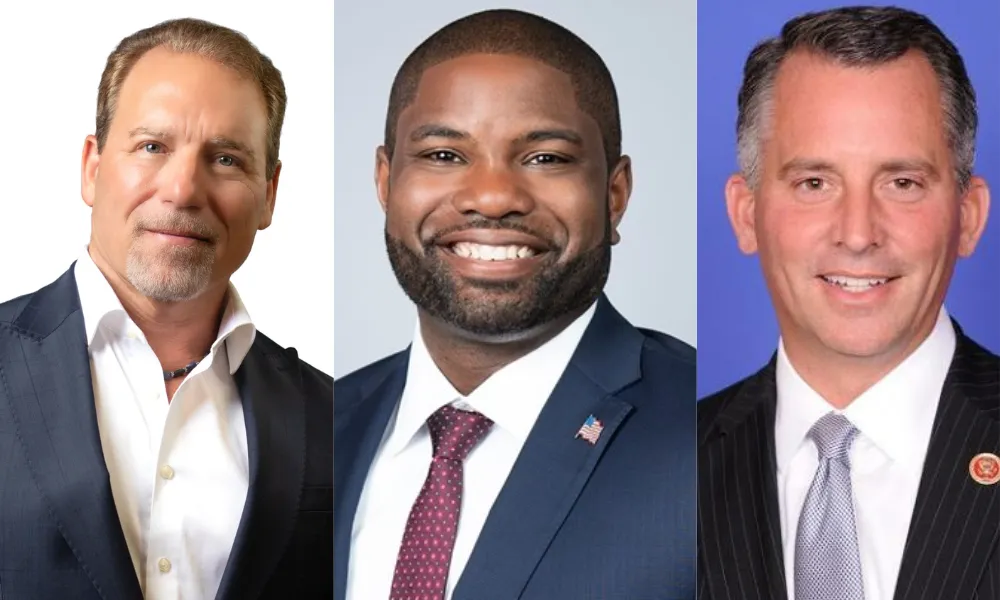
The upcoming 2026 gubernatorial race in Florida has thrust insurance affordability into the spotlight, a critical issue for many residents grappling with skyrocketing premiums in both the homeowners and auto insurance markets. As candidates prepare for the primaries, their approaches reveal stark contrasts, with each proposing unique solutions to a problem that affects millions of Floridians. With hurricanes, floods, and other natural disasters looming ever-present, the stakes couldn't be higher.
Independent candidate Frank Russo, a seasoned insurance professional with over 30 years of experience, has introduced a comprehensive Home and Auto Insurance Reform Plan. This plan includes legislative initiatives aimed at establishing a dedicated hurricane-only insurance policy, contingent upon actuarial reviews. Russo also champions a “Florida Insurance Consumer Bill of Rights,” ensuring consumers are informed about premium increases, have the right to appeal insurance decisions, and receive policies written in clear, understandable language. His focus on transparency and consumer rights illustrates a commitment to empowering Floridians in a complex insurance landscape.

Competing Visions for Insurance Reform
The insurance affordability debate in Florida is not just about lowering premiums; it also encapsulates broader philosophical differences among candidates regarding the role of government in the insurance market. US Representative Byron Donalds, the leading Republican primary candidate endorsed by former President Trump, proposes an innovative “Insurer Scorecard” initiative. This initiative aims to modernize the state’s CHOICES Rate Comparison tool, allowing consumers to juxtapose pricing data alongside insurer performance metrics, such as claims approval rates and the time taken for payment. By enhancing transparency and competition among insurers, Donalds believes this tool could lower premiums for Florida's drivers and homeowners.
Moreover, Donalds advocates for a thorough reevaluation of Florida's property insurance regulatory framework, which he claims has not seen substantial updates in nearly 25 years. He posits that such reforms could lead to a reduction in rates by as much as 20%. His approach underscores a belief that market-driven solutions, rather than government interventions, are key to resolving affordability challenges.

Structurally Transformative Proposals
In contrast, former congressman David Jolly, a prominent contender in the Democratic primary, has proposed a more radical restructuring of Florida's insurance model. His plan advocates for a state catastrophic fund that would effectively remove hurricane and natural disaster coverage from the private insurance market altogether. Under Jolly’s vision, private insurers would maintain coverage for perils like fire and theft, while the state would assume responsibility for storm-related losses through a newly established fund. Jolly estimates that this fund would need to reach a staggering $30 billion to $40 billion to adequately cover natural disaster risks.
By eliminating hurricane exposure from private balance sheets, Jolly argues that his plan could potentially slash private insurance premiums by 60% to 70%. However, critics, including industry experts like Mark Friedlander from the Insurance Information Institute, caution against the viability of state-backed solutions, citing the National Flood Insurance Program's significant federal debt as a cautionary tale about government-run catastrophe coverage.

The Role of the Florida Hurricane Catastrophe Fund
Jolly's proposal would significantly expand the role of a state entity that already plays a crucial part in Florida’s insurance market: the Florida Hurricane Catastrophe Fund (FHCF). Established in 1993, the FHCF provides mandatory reimbursement to residential property insurers for a portion of their hurricane losses, functioning similarly to reinsurance but at a lower cost. For the 2026-2027 contract year, the FHCF projects a fund balance of approximately $11.26 billion against a maximum statutory liability of $17.40 billion.
This existing framework is already under scrutiny, as the Florida Legislature considers changes that would nearly double the FHCF's industry retention threshold from $4.5 billion to $8.5 billion. Such adjustments would transfer more risk onto private insurers before the FHCF's coverage is triggered, altering the landscape of Florida's insurance market.
Market Stabilization Signs
Interestingly, as these reform proposals unfold, signs indicate that Florida’s property insurance market may be stabilizing under the current regulatory framework. For the first time since 2015, Citizens Property Insurance Corporation has approved statewide rate decreases for 2026, with multiperil policyholders experiencing an average reduction of 8.8%. This decline is attributed to tort reforms enacted in 2022 and 2023 that have mitigated litigation costs for insurers.
- Citizen's Policy Count: Dropped significantly from a peak of 1.41 million in October 2023 to about 336,000.
- Reinsurers Entering Market: New reinsurers are increasingly entering Florida, buoyed by recent reforms.
- Funding Needs: Florida insurers are expected to seek an additional $5 billion to $7 billion in reinsurance at the 2026 midyear renewals.

Conclusion: The Future of Insurance in Florida
The proposals from Russo, Donalds, and Jolly reflect fundamentally different approaches to the challenge of insurance affordability in Florida. Russo emphasizes consumer protection and transparency, Donalds advocates for market-driven solutions and enhanced competition, while Jolly seeks a transformative state-managed approach. Each candidate's platform presents unique implications for Floridians, particularly as they navigate the complexities of homeowners and auto insurance markets.
Regardless of which model emerges victorious in the legislative arena, the issue of affordability is poised to remain a key theme throughout the 2026 gubernatorial race. As the primaries approach, voters will need to consider not only the proposals being put forth but also the potential consequences for their insurance premiums, coverage options, and financial stability.
Key Takeaways
- Insurance affordability is a central issue in Florida's 2026 gubernatorial race.
- Candidates propose varied solutions, from consumer protection to market-driven reforms.
- The Florida Hurricane Catastrophe Fund plays a critical role in the state's insurance landscape.
- Market signs indicate potential stabilization in Florida’s property insurance sector.
- Voter decisions could significantly impact the future of insurance affordability in Florida.
Frequently Asked Questions
What are the key insurance challenges facing Floridians today?
Floridians face numerous challenges in their insurance landscape, primarily related to rising premiums amid increased risks from natural disasters like hurricanes. The influx of claims and a backlog of litigation have also contributed to higher costs. As a result, many residents are struggling to maintain affordable coverage, leading to a reliance on state-backed options like Citizens Property Insurance Corporation.
How might the proposed changes affect insurance premiums?
The proposed changes from gubernatorial candidates could have varying impacts on insurance premiums. For example, Jolly's catastrophic fund proposal could significantly reduce premiums by removing hurricane risks from private insurers, while Donalds' market-driven approach aims to foster competition, potentially leading to lower rates. However, the actual effects will depend on legislative outcomes and how these proposals are implemented.
Is Florida's property insurance market stabilizing?
Recent trends suggest that Florida's property insurance market may be stabilizing. Citizens Property Insurance Corporation's approved rate decreases and the reduced policy count indicate a shift back to the private market. However, ongoing legislative changes and the evolving role of the FHCF will be critical factors in determining the long-term stability of the market.
What role does the Florida Hurricane Catastrophe Fund play?
The Florida Hurricane Catastrophe Fund (FHCF) serves as a crucial safety net for insurers facing hurricane-related losses. By providing mandatory reimbursements to insurers, it helps to mitigate the financial impact of major storms. However, recent proposals to alter the fund's structure, such as increasing retention thresholds, could shift more risk onto private insurers, potentially affecting their pricing strategies and the availability of coverage.
Comments
Popular in Home Insurance
- 2026 Sees Below-Average Severe Convective Storm Losses: What It Means for Insurance
- El Niño and Wildfires: Preparing for a Fire-Prone Future
- Young Affluent Collectors: The Underinsurance Dilemma in Luxury Investments
- Wisconsin Property Owner Sues City and Insurers Over Contamination Cleanup Costs
- Rising Catastrophe Risks: How Europe’s Insurers Are Adapting to Climate Change