Tornado Alley Expands: New Risk Factors for Insurance in the U.S.
As Tornado Alley shifts eastward into more populated areas, insurance risks rise significantly. This article explores the implications of this geographical change and its impact on coverage and claims.
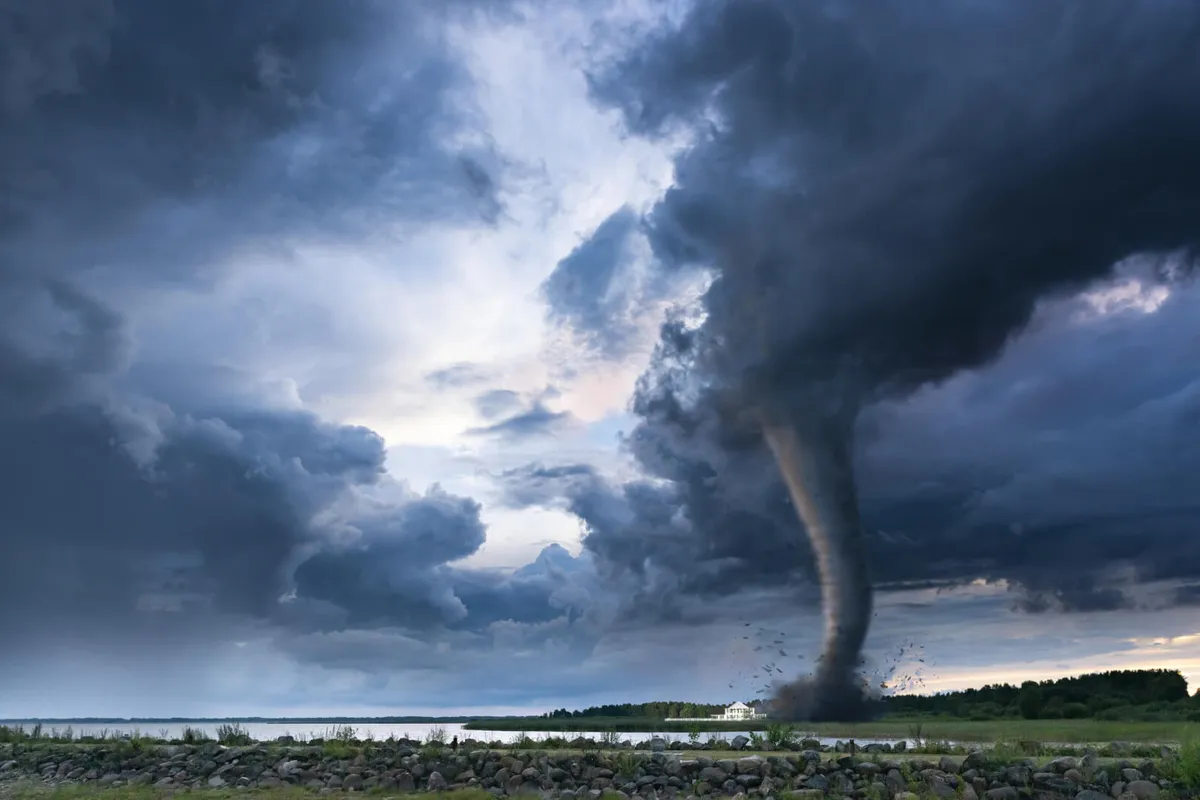
The traditional boundaries of Tornado Alley, once synonymous with the flat plains of Texas and Oklahoma, are expanding. This shift, driven by climate patterns and increased storm activity, is raising significant concerns for both homeowners and insurers. As tornadoes and severe storms increasingly strike more populous areas in the Midwest and beyond, the insurance landscape is evolving, demanding a closer examination of risk exposure, policy structures, and the implications for claims.
In 2026, Illinois recorded an alarming 220 confirmed tornadoes by the end of July, the highest in the nation, while Indiana and Wisconsin also set record tornado counts. These unprecedented figures have not only led to increased claims but also highlighted a troubling trend: as tornado activity moves eastward, insurance risk is compounded by higher population density. The eastward shift of Tornado Alley raises critical questions about how insurers will adjust their strategies to manage this evolving risk landscape.
The Shift in Tornado Activity
The concept of Tornado Alley is being redefined as tornado activity increasingly impacts regions previously considered less susceptible. According to experts, this shift is largely attributed to climate change, which alters atmospheric conditions, allowing warmer, more humid air to penetrate further north and east. As noted by Tory Farney, vice president of Verisk Weather Solutions, "The numbers of tornadoes aren’t going up, but the losses have tended to be worse when they strike." This underscores the dual challenge of rising severity and expanding geographic risk.
Record Numbers and Severity
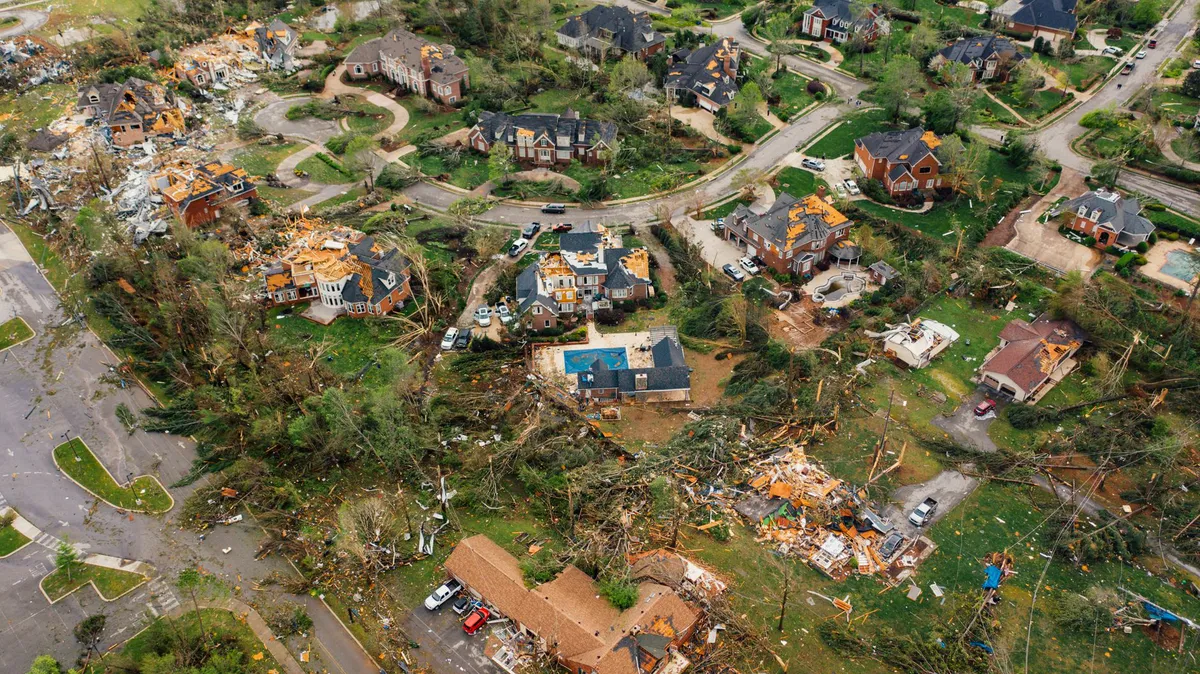
The data reveals a stark reality: while the overall volume of tornadoes has declined since its peak in 2023, the severity of claims has skyrocketed. For instance, in Illinois, average reconstruction costs have surged by an astounding 72% compared to 2022 figures. In Kankakee County, a single tornado resulted in an average claim of $104,000. Wisconsin’s tornado activity surged by 672% year-over-year, primarily driven by one significant event in Winnebago County.
Insurance Implications
The implications of the tornado activity shift stretch far beyond just the immediate damages. Homeowners in newly affected areas face rising insurance premiums and potential challenges in securing adequate coverage. Insurers are grappling with how to adjust their underwriting processes to reflect the new risk profiles associated with these regions.
- Higher Premiums: With increased risk comes increased costs. Homeowners in areas experiencing heightened tornado activity may see significant hikes in their insurance premiums.
- Policy Adjustments: Insurers may need to modify existing policies to account for the new severity of risks, potentially leading to more exclusions or higher deductibles.
- Claims Process Changes: As the landscape of risk evolves, claims processes may become more complex, requiring policyholders to navigate new requirements when filing claims.
Understanding Coverage Types
Homeowners should familiarize themselves with the types of insurance coverage available, particularly when it comes to natural disasters. Standard homeowners insurance typically covers tornado damage, but there may be limits depending on the policy and the region. Additionally, options like endorsements or additional riders may be necessary to ensure adequate protection against severe weather events.

The Broader Spectrum of Severe Weather
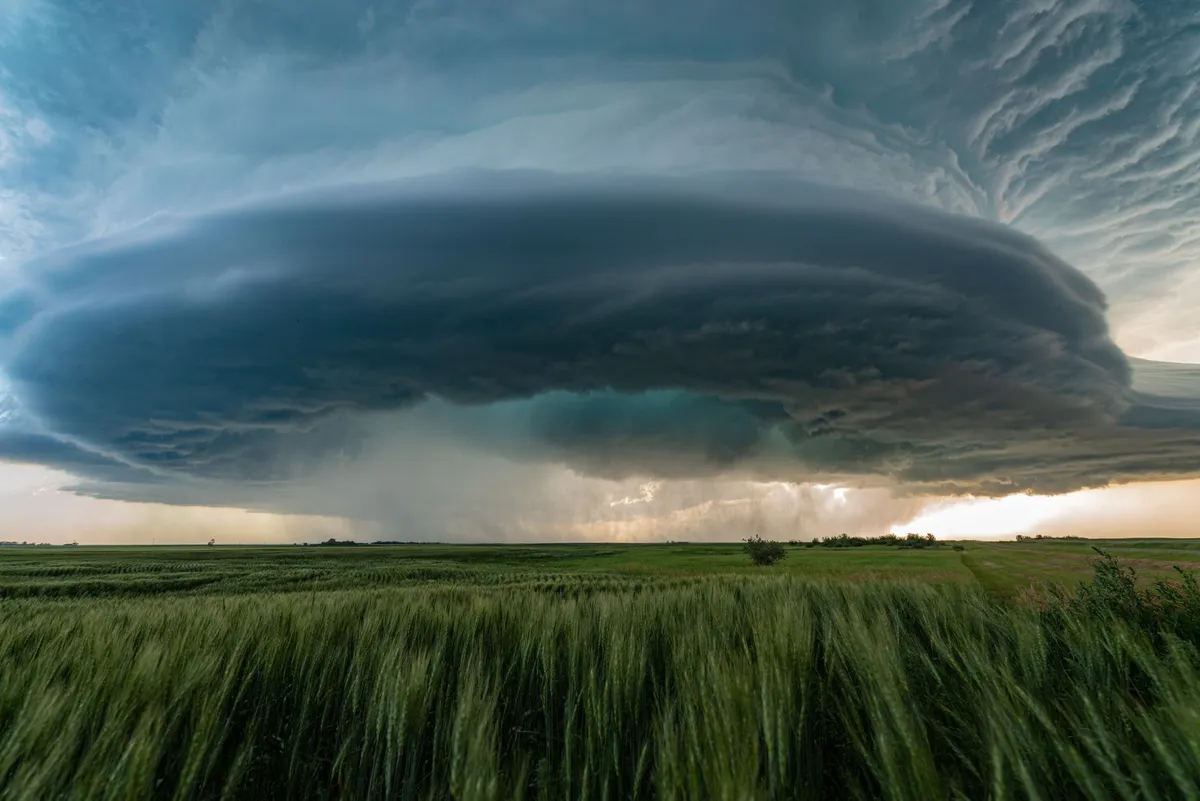
The shift in Tornado Alley is not an isolated issue; it reflects a broader trend of increasing severe weather events across the U.S. Severe thunderstorms and hailstorms have also begun to move eastward, leading to record insured damages. Reports from Allianz indicate that severe convective storms are becoming more frequent in regions that previously experienced less severe weather, contributing to a significant uptick in claims.
According to Verisk, severe thunderstorms now rank among the industry’s most significant loss drivers, with a reported 59% increase in severe thunderstorm events causing over $1 billion in insured losses from 2020 to 2024 compared to the previous five years. The frequency of these events is now a critical factor in the insurance landscape, especially as property exposure continues to grow due to new construction and rising replacement costs.
Looking Ahead: The Uncertain Future
The uncertainty surrounding the future of Tornado Alley and its shifting boundaries leaves many questions unanswered. Will this trend of eastward expansion continue, or will we see a regression to previous patterns? Experts like Farney stress the need for ongoing research to understand the complex interplay of climate change and atmospheric conditions that drive these shifts.
Insurers are encouraged to adopt more sophisticated modeling techniques to assess risk accurately and adjust their strategies accordingly. As weather patterns evolve, so too must the approaches that insurers take to ensure they can adequately protect their policyholders.
Key Takeaways
- Tornado Alley is shifting eastward, increasing risk exposure for homeowners in populated areas.
- Insurance premiums are expected to rise as claims severity increases in these new risk zones.
- Understanding coverage types is crucial for homeowners to ensure they are adequately protected against tornado and storm damages.
- The trend extends beyond tornadoes to include severe thunderstorms and hailstorms, which are also becoming more common in the east.
Frequently Asked Questions
What should homeowners do to prepare for changing risks?
Homeowners should begin by reviewing their current insurance policies and understanding the specific coverage they have against tornado and severe weather damages. Consulting with an insurance agent can help clarify any gaps in coverage and explore additional options, such as riders or endorsements, that may be beneficial in light of the eastward shift of Tornado Alley.
How can insurers adapt to the changing risk landscape?
Insurers must invest in advanced risk modeling and data analytics to understand the evolving patterns of severe weather. By updating their underwriting processes, insurers can better assess the risk in newly impacted areas and create tailored policies that reflect the true nature of the hazards homeowners face.
What are the financial implications for insurers?
The rising severity of claims and the expansion of Tornado Alley into more populated areas pose significant financial challenges for insurers. These companies will need to manage increased payouts while balancing premium rates, which could lead to more stringent underwriting practices and a reassessment of risk in their overall portfolios.
Will climate change continue to influence tornado patterns?
While the correlation between climate change and tornado patterns is complex and still being studied, current evidence suggests that warming temperatures and changing atmospheric conditions will likely continue to impact tornado frequency and severity. Ongoing research is essential to provide clearer insights into how these changes will shape future weather patterns and associated risks.
Comments
Indiana Flooding: Unprecedented Disaster Reveals Critical Insurance Gaps
Severe flooding in Indiana has claimed at least seven lives and highlighted significant gaps in flood insurance coverage for homeowners and businesses. With record flood levels surpassing a century-old benchmark, many affected residents are left questioning their preparedness and insurance options.

Related articles


Popular in Home Insurance
- 2026 Sees Below-Average Severe Convective Storm Losses: What It Means for Insurance
- El Niño and Wildfires: Preparing for a Fire-Prone Future
- Young Affluent Collectors: The Underinsurance Dilemma in Luxury Investments
- Wisconsin Property Owner Sues City and Insurers Over Contamination Cleanup Costs
- Rising Catastrophe Risks: How Europe’s Insurers Are Adapting to Climate Change