Michigan’s New Roof Upgrade Bill: What It Means for Home Insurance
Michigan lawmakers are pushing for a mandatory roof upgrade endorsement in home insurance policies aimed at enhancing resilience against severe weather. This article explores the implications of Senate Bill 1130 for homeowners and insurers alike.
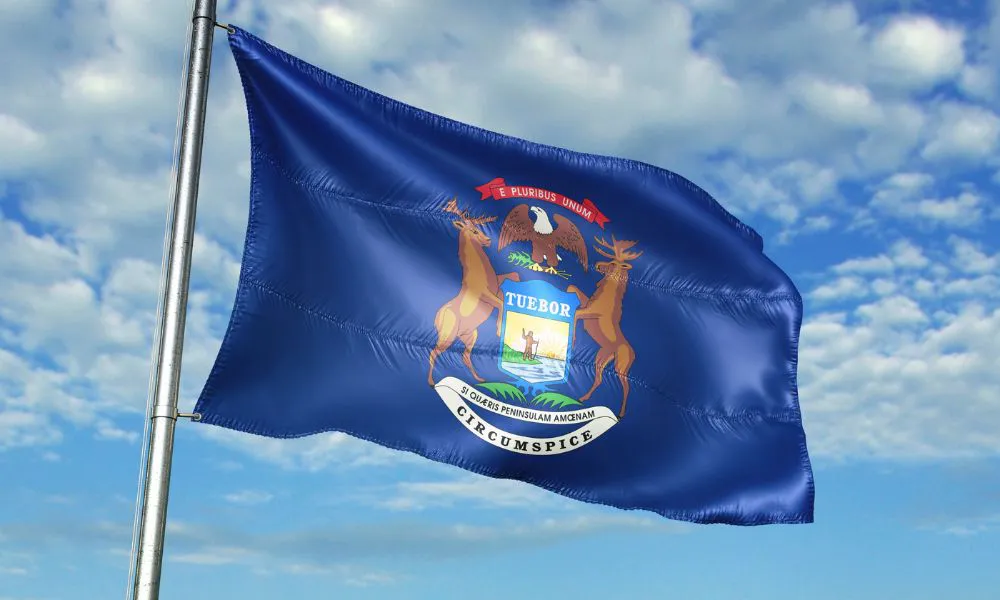
As extreme weather events become more frequent and severe, state legislatures are taking action to safeguard homes and communities. In Michigan, a new bill introduced by Senator Mary Cavanagh aims to enhance homeowners' protection against storm damage by mandating that insurers offer a fortified roof upgrade endorsement. Senate Bill 1130, introduced on July 29, 2026, is a significant move toward improving the resilience of homes across the state. The proposed legislation requires that any home insurance policy issued or renewed after December 31, 2027, must include the option for a fortified roof endorsement, which could dramatically change how homes are rebuilt following catastrophic weather events.
The fortified roof standard, which is defined by the Insurance Institute for Business and Home Safety, represents a higher level of construction quality designed to withstand severe storms. Under the terms of the bill, if a homeowner has purchased this endorsement and their roof needs replacing due to covered damage from events such as tornadoes or hail, insurers would be obligated to cover the reasonable costs associated with upgrading to these stronger roofing standards. This article delves into the implications of this bill, the mechanics of the endorsement, and what both homeowners and insurance companies should be prepared for as the new regulations come into play.

Understanding the Fortified Roof Endorsement
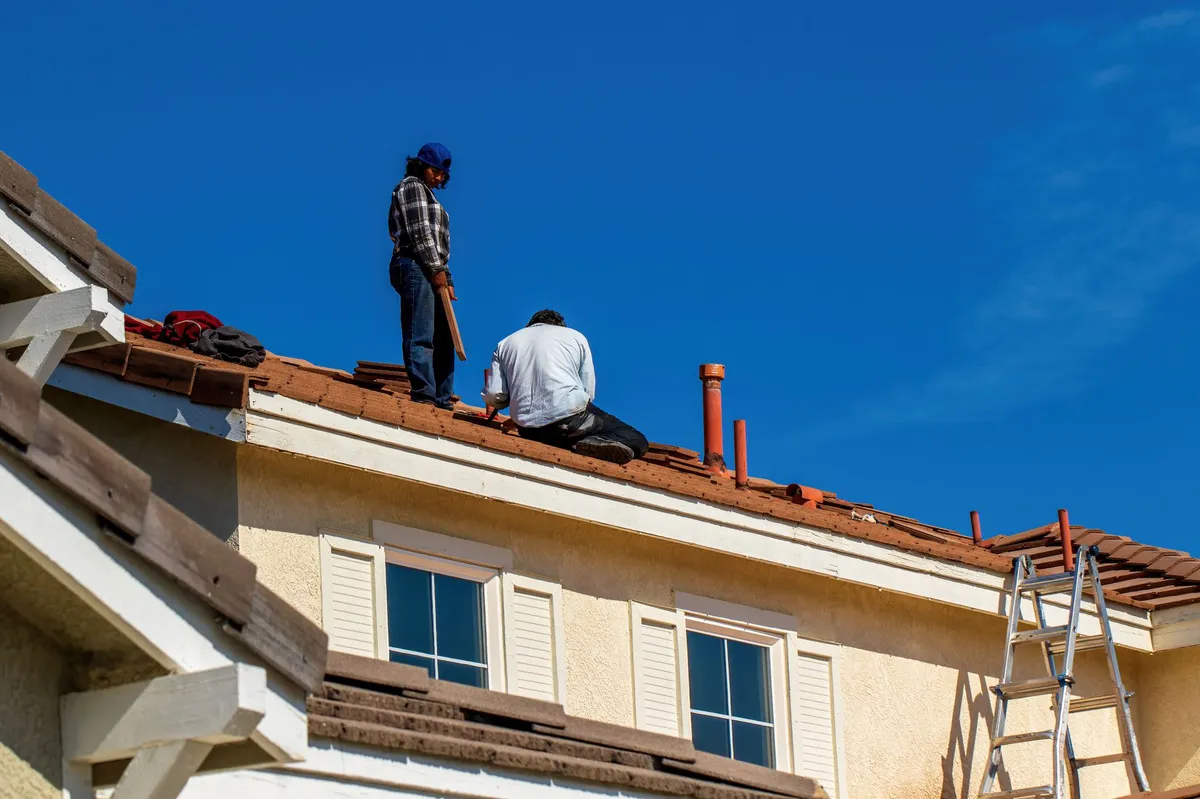
The fortified roof endorsement is not just a buzzword; it represents a substantial shift in the way home insurance policies may be structured in Michigan. This endorsement allows homeowners to upgrade their roofs to a fortified standard after suffering storm damage, rather than simply replacing their roofs with like-for-like materials. This upgrade is particularly important as Michigan faces an increasing number of severe weather events, making homes more vulnerable to damage.
What Constitutes a Fortified Roof?
The bill specifies that a roof is considered “fortified” if it meets the rigorous standards set forth by the Insurance Institute for Business and Home Safety. These standards encompass various aspects of roofing construction, including:
- Material Strength: Fortified roofs utilize stronger materials that can withstand high winds and flying debris.
- Installation Techniques: The installation must follow specific guidelines to ensure the roof remains intact during severe weather.
- Compliance with Local Codes: Upgrades must also adhere to local building codes while matching the fortified requirements for the property's area.
Implications for Homeowners and Insurers
The introduction of Senate Bill 1130 carries significant implications for both homeowners and insurance carriers in Michigan. For homeowners, the ability to rebuild using fortified standards after storm damage can provide peace of mind and long-term savings on future repairs. Additionally, homeowners with fortified roofs may see lower premiums over time, as these roofs are less prone to damage and thus present a lower risk to insurers.
Insurance Carriers' Obligations
For insurers, the bill transforms the fortified roof endorsement from an optional add-on to a mandatory requirement. This means that insurance companies will need to prepare for new filing obligations. Insurers must submit their endorsement forms and corresponding rates to the Michigan Department of Insurance and Financial Services by April 1, 2027, for prior approval. This deadline places pressure on insurers' product development and actuarial teams to devise compliant offerings that reflect the cost implications of these upgrades.
Compliance and Regulatory Considerations
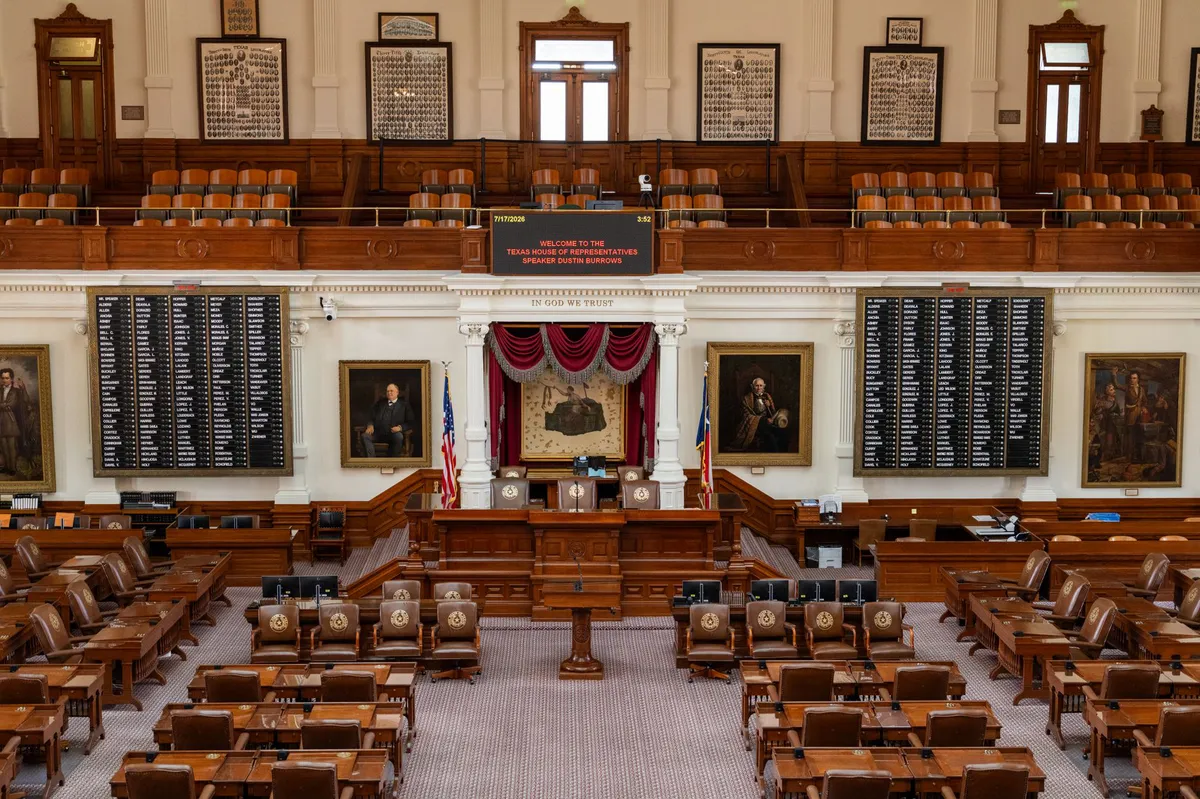
Senate Bill 1130 is not a standalone piece of legislation; its enactment is contingent upon the approval of two related House bills. This means that all three pieces of legislation must advance together for the fortified roof endorsement requirement to take effect. This interconnectedness could complicate the legislative process, potentially delaying the rollout of the new coverage options for homeowners. Insurance carriers must stay informed about the legislative landscape to ensure compliance once the bills are enacted.
Preparing for the Changes Ahead
As the deadlines outlined in Senate Bill 1130 approach, it is vital for homeowners and insurance companies to prepare for the resulting changes. Homeowners should assess their current insurance policies and consider whether adding a fortified roof endorsement would be beneficial. With insurers obligated to offer this endorsement, homeowners may have more leverage in negotiating their coverage options.
What Homeowners Should Do
Homeowners can take proactive steps to prepare for the introduction of the fortified roof endorsement:
- Review Current Policies: Homeowners should read through their existing insurance policies and understand the current coverage options available to them.
- Consult with Insurance Agents: Engaging with insurance professionals can provide clarity on how the fortified roof endorsement may impact coverage and premiums.
- Assess Home's Vulnerability: Homeowners should evaluate the vulnerability of their property to severe weather and consider whether investing in fortified upgrades might be a wise decision.
Key Takeaways
- The fortified roof endorsement will be mandatory for home insurance policies issued or renewed after December 31, 2027.
- Homeowners can upgrade to a fortified roofing standard after suffering storm damage, providing additional protection against severe weather.
- Insurers must file endorsement forms and rates with state regulators by April 1, 2027, to comply with the new requirements.
- The bill's enactment depends on the passage of two related House bills, highlighting the interconnected nature of the legislative process.
Frequently Asked Questions
What is a fortified roof, and why is it important?
A fortified roof is built to higher standards that enhance its ability to withstand severe weather, such as high winds and hail. The importance of fortified roofs lies in their durability, which can reduce the likelihood of damage during storms. This can lead to fewer insurance claims and potentially lower premiums for homeowners with fortified roofs.
How can homeowners prepare for the new requirements?
Homeowners should familiarize themselves with their existing insurance policies and consider the potential benefits of the fortified roof endorsement. Consulting with insurance agents for personalized advice and assessing their home’s vulnerability to severe weather can help them make informed decisions about their coverage options.
What happens if the related House bills do not pass?
If the two related House bills do not pass, Senate Bill 1130 will not take effect. This means that the mandatory offering of the fortified roof endorsement would be delayed, preventing homeowners from benefiting from the enhanced coverage options until the legislative hurdles are cleared.
Comments
Popular in Home Insurance
- 2026 Sees Below-Average Severe Convective Storm Losses: What It Means for Insurance
- El Niño and Wildfires: Preparing for a Fire-Prone Future
- Young Affluent Collectors: The Underinsurance Dilemma in Luxury Investments
- Wisconsin Property Owner Sues City and Insurers Over Contamination Cleanup Costs
- Rising Catastrophe Risks: How Europe’s Insurers Are Adapting to Climate Change