VYRD Insurance Sues LG Over Water Damage: A Deep Dive into Subrogation Claims
VYRD Insurance is pursuing LG Electronics for over $167,000 after a washing machine allegedly malfunctioned, leading to significant water damage. This case highlights the complexities of subrogation in insurance and product liability.
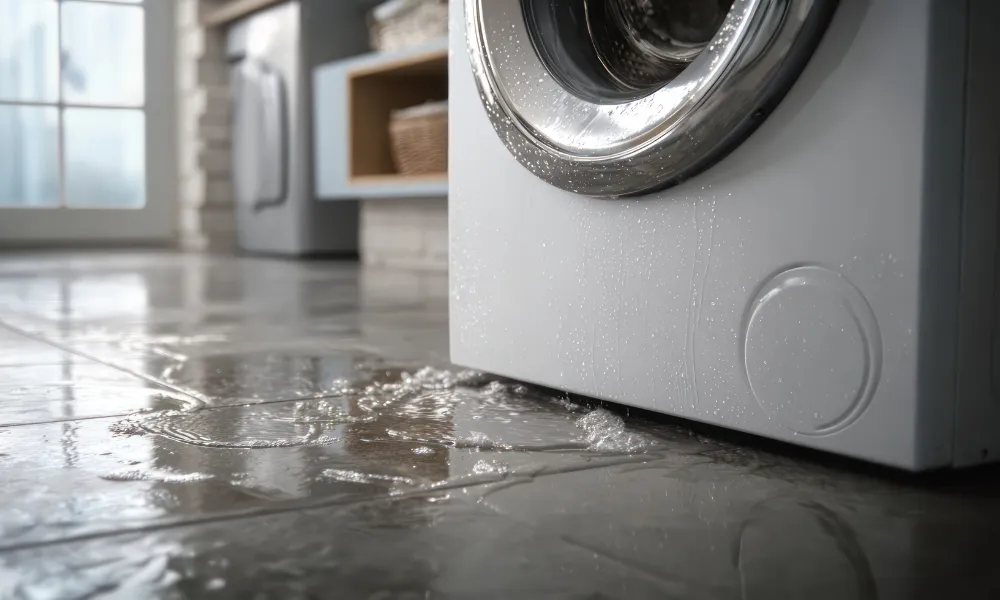
In a notable case that underscores the complexities of product liability and subrogation in the insurance world, VYRD Insurance Company has initiated legal action against LG Electronics U.S.A., Inc. The insurer claims it paid over $167,000 for water damage caused by a leaking washing machine, which allegedly failed during normal use. As VYRD seeks to recover these costs, the case raises important questions about the responsibilities of manufacturers and the rights of insurers in recouping losses.
The complaint, filed in Florida state court and subsequently moved to the U.S. District Court for the Middle District of Florida, details a significant incident that occurred on July 12, 2024. According to VYRD, the washing machine, purchased just two years prior in April 2022, malfunctioned without warning, leading to extensive damage to the insured property.
Understanding Subrogation in Insurance
Subrogation is a critical concept in the insurance industry, allowing insurers to recover costs from third parties responsible for a loss after they have compensated the insured. In this case, VYRD is employing subrogation to reclaim the $167,493.36 it paid out under the homeowners policy to restore the property to its pre-damage condition. The insurer asserts that it is legally entitled to pursue LG, as it is 'subrogated to the rights of the insured by the policy and operation of law.'
The Mechanics of Subrogation
Subrogation essentially transfers the rights of an insured to the insurer after a loss has been compensated. Here’s how it works:
- Insurer Pays the Claim: VYRD compensated the insured for damage caused by the defective washing machine.
- Investigation: The insurer investigates the cause and determines that LG is liable due to product defects.
- Filing a Lawsuit: The insurer files a subrogation claim against the manufacturer to recover costs.
This process is crucial for insurers as it helps mitigate their losses and hold manufacturers accountable for defective products.
The Allegations Against LG
The lawsuit against LG centers on several key allegations of product liability. VYRD contends that LG designed, manufactured, and distributed a washing machine that was fundamentally unsafe for consumer use. The complaint outlines specific defects, including:
- The machine allegedly presented an unreasonably dangerous risk of leaking.
- Factory-installed water lines were improperly installed, leading to their separation from connections.
- The machine did not meet the safety expectations of an ordinary consumer.
These claims are rooted in strict products liability, which holds manufacturers accountable for defects regardless of negligence. This legal doctrine is vital for protecting consumers from unsafe products and ensuring manufacturers maintain high safety standards.
Legal Proceedings: From State to Federal Court
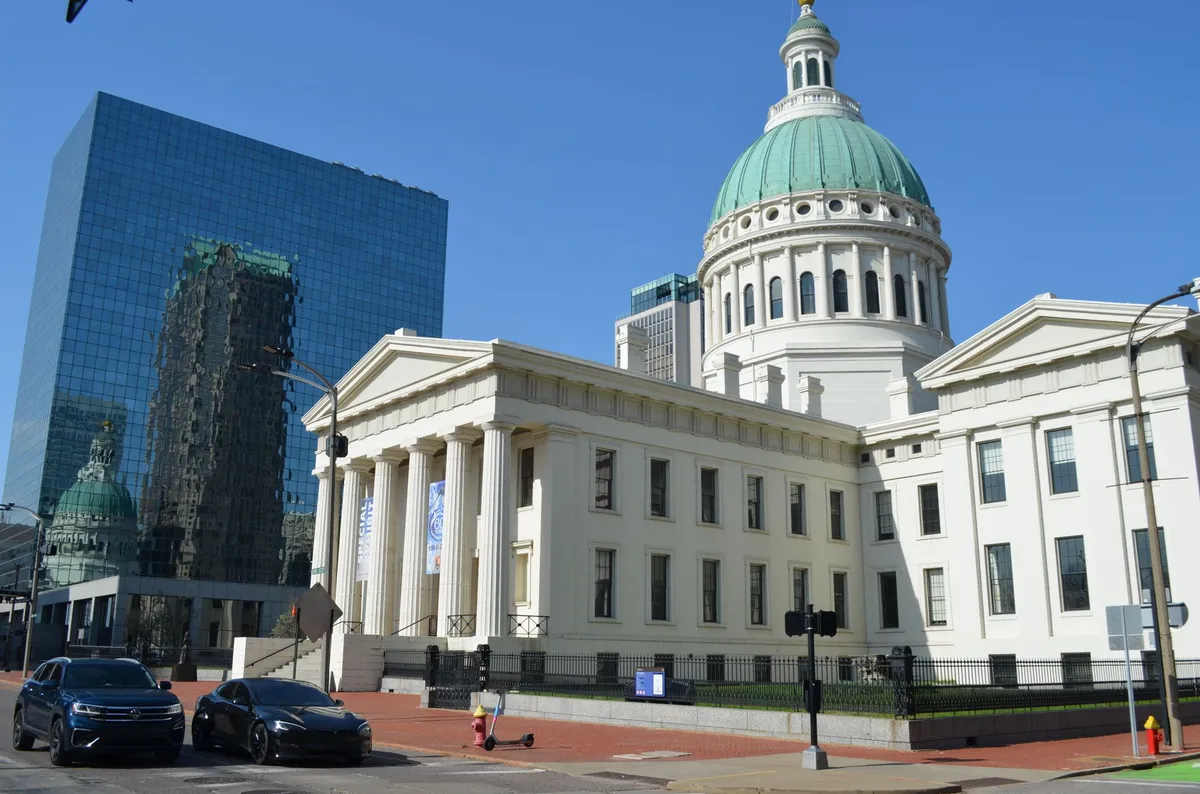
The case began in the Circuit Court of the Sixth Judicial Circuit in Pasco County before LG's legal team moved it to federal court. This transition is significant for several reasons:
- Diversity of Citizenship: LG is a New Jersey corporation, while VYRD is based in Florida, enabling the case to qualify for federal jurisdiction.
- Federal Threshold: The amount in question exceeds the federal threshold for diversity jurisdiction, which is typically set at $75,000.
Moving a case to federal court often involves strategic considerations and can impact the legal strategy employed by both parties. However, this procedural shift does not address the substantive merits of the case, which remain to be resolved in court.
Implications for Consumers and Insurers
This lawsuit not only highlights the specific grievances of VYRD against LG but also serves as a case study for consumers and insurers alike regarding the potential for product defects to lead to substantial financial loss. For homeowners, it underscores the importance of understanding the protections offered by homeowners insurance and the potential recourse available through subrogation. For insurers, it illustrates the need for thorough investigations following claims to identify and pursue liable parties effectively.
Consumer Awareness
Consumers should be aware of their rights when purchasing appliances and the insurance coverage they possess. Homeowners should consider the following:
- Understand Your Policy: Familiarize yourself with the terms of your homeowners insurance policy, particularly regarding coverage limits and exclusions.
- Document Purchases: Keep records of major appliance purchases and warranties, as these may be critical in the event of a claim.
- Report Issues Promptly: If you experience any issues with appliances, report them to the manufacturer and your insurance provider immediately.
Key Takeaways
- VYRD Insurance is suing LG for over $167,000 in damages from a washing machine leak.
- The case highlights the importance of subrogation in the insurance industry.
- Strict product liability may hold manufacturers accountable for defective products regardless of negligence.
- Legal jurisdiction can shift from state to federal court based on company diversity and claim amounts.
Frequently Asked Questions
What is subrogation in insurance?
Subrogation in insurance refers to the process where an insurer seeks to recover costs from a third party after compensating the insured for a loss. This legal mechanism allows insurers to hold responsible parties accountable for damages. In the case of VYRD Insurance, after paying for water damage caused by a defective washing machine, they are pursuing LG Electronics for reimbursement.
How does strict product liability work?
Strict product liability is a legal doctrine that holds manufacturers and sellers liable for defects in their products, regardless of whether negligence can be proven. If a product is found to be defective and causes injury or damage, the manufacturer can be held liable. In this case, VYRD alleges that LG's washing machine was defectively designed and unsafe for consumer use, leading to the water damage claim.
Why did LG move the case to federal court?
LG moved the case to federal court based on diversity of citizenship, as the parties are from different states, and the amount in dispute exceeds the federal threshold. This procedural step allows the case to be heard in a federal jurisdiction, which can often lead to different legal strategies and considerations compared to state courts.
What should homeowners do if they experience appliance malfunctions?
Homeowners should promptly report any appliance malfunctions to the manufacturer and their insurance provider. Keeping detailed records of the purchase, warranties, and any communications with the manufacturer can be crucial in the event of a claim. Additionally, understanding the terms of their homeowners insurance policy can help homeowners navigate potential claims effectively.
Comments
Navigating High-Net-Worth Insurance: Evolving Risks and Opportunities
High-net-worth insurance is witnessing mixed pricing trends while facing new threats from cybercrime, flooding, and wildfires. This article explores these emerging risks and what affluent households can do to protect their assets.

Related articles
Popular in Home Insurance
- 2026 Sees Below-Average Severe Convective Storm Losses: What It Means for Insurance
- El Niño and Wildfires: Preparing for a Fire-Prone Future
- Young Affluent Collectors: The Underinsurance Dilemma in Luxury Investments
- Wisconsin Property Owner Sues City and Insurers Over Contamination Cleanup Costs
- Rising Catastrophe Risks: How Europe’s Insurers Are Adapting to Climate Change