Declining Insurance Claims: Understanding the Factors Behind the Numbers
A recent report reveals a significant drop in U.S. insurance claims, primarily due to changes in policy language and deductible structures. This article delves into the implications for policyholders and the insurance industry.

The U.S. insurance landscape is undergoing a notable transformation as a new report highlights a significant decline in claims volume across various sectors. According to Verisk's recent property report, the total claims dropped by 8.9% from the previous year, and astonishingly, they are 13.1% below the five-year average. This decline is occurring even in the face of several large catastrophe events, raising questions about the factors at play and the impact on policyholders.
One of the primary drivers behind this reduction in claims is the evolving language within insurance policies and the introduction of new provisions that effectively suppress claims. As Susan Fleming, vice president of business intelligence and insights at Verisk, notes, the adoption of Actual Cash Value (ACV) loss provisions and percentage deductibles is becoming more prevalent. This shift is changing the way policyholders approach their insurance coverage and claims, leaving many wondering what it means for their financial security.
Understanding the Decline in Claims Volume
The first quarter of 2026 has seen a significant shift in the types of claims being filed. Notably, water claims accounted for 31.1% of all property claims, which is a 6% increase compared to the previous year. Wind claims followed closely at 20.4%. In contrast, hail claims, despite their recent notoriety for volatility, saw a surprising 23.6% decrease. This shift may signal a changing climate in both the environment and the insurance market.
The Role of Deductibles and Policy Language
One of the most impactful changes in the insurance industry has been the increased use of percentage deductibles. For instance, if a homeowner experiences a $3,000 water loss, they might now be required to cover 2% of the home's overall value as their deductible. This not only raises out-of-pocket costs for policyholders but also discourages them from filing smaller claims. As Fleming explains, as insured individuals are forced to shoulder a portion of their losses, the overall volume of claims begins to diminish.

Cost Trends and Reconstruction Expenses
Despite a decline in claims volume, the overall costs associated with property reconstruction continue to rise. The Verisk report notes a 3.4% increase in total reconstruction costs from March 2025 to March 2026, although this represents a slowdown from the 5.3% pace observed the previous year. This moderation in cost increases is attributed to factors such as fuel shipping backlogs and geopolitical tensions affecting supply chains, particularly in the Strait of Hormuz.
Fuel Costs and Construction Pricing
The cost of fuel plays a significant role in overall construction expenses, directly impacting labor and transportation prices. As fuel prices rise, so too do the operational expenses for contractors, which are often passed down to consumers in the form of higher billable rates. It is essential for policyholders to understand that even if claims are declining, the costs associated with repairs and replacements are still on the rise.

The Impact of Catastrophic Events
While the overall trend shows a decline in claims, certain geographic areas are experiencing significant increases in claims due to catastrophic events. For example, the report indicates that states like Alaska (121% increase), Arizona (78%), and Montana (49%) have seen a sharp rise in claims. This disparity highlights the regional variance in the impact of climate-related events and the respective insurance responses.
Recent Severe Weather Events
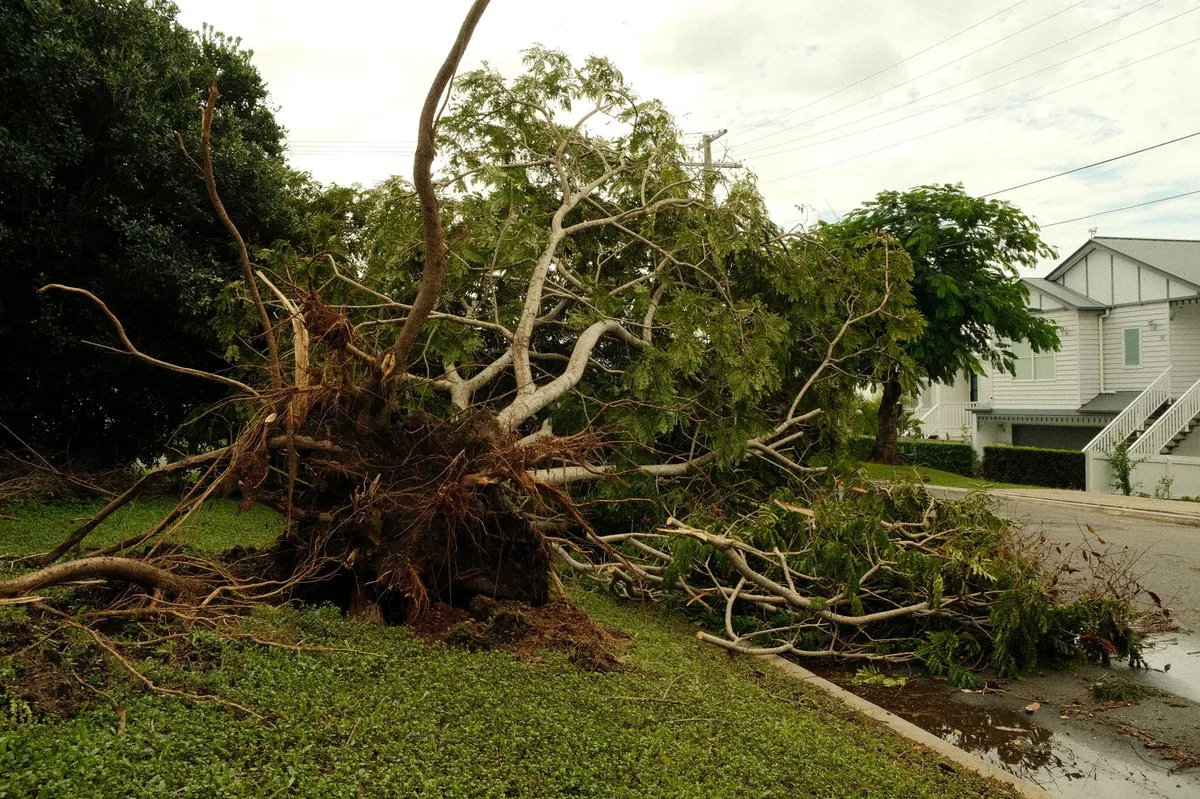
The first quarter of 2026 also included significant winter storms, namely Fern and Hernando, which produced over 46,000 claims related to ice, snow, and collapse with an estimated replacement cost of $478 million. These events underscore the unpredictability of weather patterns and their resultant impact on insurance claims. With the increasing frequency and severity of weather-related events, it becomes crucial for policyholders to reassess their coverage and understand the implications of their policies in the face of such risks.
Claim Severity and Future Projections
The average claim severity for the first quarter was reported at $16,079, reflecting a 12.11% decrease compared to 2025, but only 3.42% below the five-year historical average. As claims mature and complex cases are resolved, this figure is expected to rise, with projections suggesting that Q1 2026 could mature to approximately $17,687. This potential increase emphasizes the ongoing need for policyholders to stay informed about their coverage terms and the evolving landscape of insurance claims.
Key Takeaways
- Claims Volume Decline: U.S. insurance claims fell 8.9% in the first quarter of 2026, influenced by new policy changes.
- Higher Deductibles: The rise in percentage deductibles is leading to fewer claims being filed.
- Rising Reconstruction Costs: Despite fewer claims, overall reconstruction costs are increasing due to rising fuel prices.
- Regional Variance: Some states are experiencing significant increases in claims, particularly those affected by severe weather.
- Future Projections: Average claim severity is expected to rise as more complex claims are resolved.
Frequently Asked Questions
What is the impact of percentage deductibles on insurance claims?
Percentage deductibles require policyholders to pay a percentage of their home's total value before insurance coverage kicks in. For example, if a home is valued at $300,000 and the deductible is set at 2%, the homeowner must cover $6,000 before insurance pays for any damages. This structure can discourage policyholders from filing smaller claims, leading to an overall decrease in claims volume.
How do changing policy provisions affect homeowners?
Changes in policy language, such as the increased use of Actual Cash Value (ACV) provisions, mean that homeowners may receive less compensation for their losses compared to replacement cost coverage. This shift can leave policyholders financially vulnerable, particularly if they are unaware of the implications of their coverage terms.
Why are reconstruction costs rising despite fewer claims?
Reconstruction costs are influenced by various factors, including labor and material prices, which continue to rise due to inflation and supply chain disruptions. Even with fewer claims being filed, the underlying costs associated with repairs and reconstruction are climbing, often outpacing the decline in claim volume.
What should policyholders do in light of these trends?
Policyholders should review their insurance policies regularly to understand their coverage terms and any recent changes. It is advisable to consult with insurance professionals to reassess coverage levels, particularly in light of rising reconstruction costs and evolving deductible structures. Additionally, staying informed about regional weather patterns can help homeowners prepare for potential claims in the event of catastrophic events.
Comments
Popular in Home Insurance
- 2026 Sees Below-Average Severe Convective Storm Losses: What It Means for Insurance
- El Niño and Wildfires: Preparing for a Fire-Prone Future
- Young Affluent Collectors: The Underinsurance Dilemma in Luxury Investments
- Wisconsin Property Owner Sues City and Insurers Over Contamination Cleanup Costs
- Rising Catastrophe Risks: How Europe’s Insurers Are Adapting to Climate Change