How El Niño Could Impact Hurricane Risk and Insurance Losses
El Niño's climatic effects may lead to fewer hurricanes in North America, potentially reducing insurance claims. This article explores the implications for the insurance industry and homeowners.

The cyclical phenomenon of El Niño, characterized by the warming of ocean surface waters in the central and eastern Pacific, has significant implications for weather patterns across North America. Recently, Mario Greco, CEO of Zurich Insurance, highlighted that the development of El Niño could lead to a reduction in the frequency and intensity of hurricanes, particularly along American coastlines. This decrease in tropical activity could provide a rare silver lining for the insurance industry, which often faces substantial losses during peak hurricane seasons.
As we approach the 2026 hurricane season, predictions by U.S. government scientists suggest that the number of named storms will likely remain below average, with estimates ranging from eight to fourteen storms and one to three major hurricanes. These forecasts have raised hopes that the insurance sector may experience fewer catastrophe claims, which can be financially devastating for insurers and policyholders alike. But while the potential for a quieter season is encouraging, it's essential to consider the broader context of climate change and coastal development that continues to heighten risks for property owners.
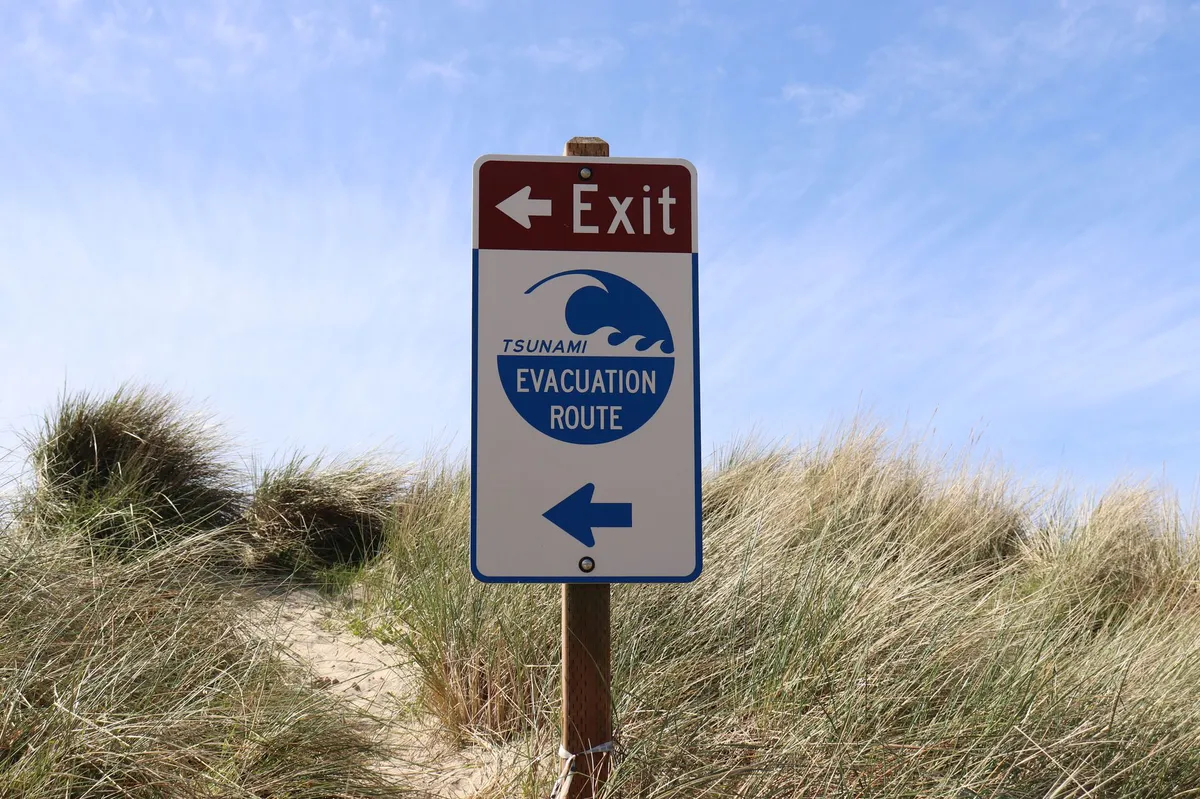
Understanding El Niño and Its Effects
El Niño typically occurs every two to seven years and is known to influence weather patterns globally. This phenomenon can significantly impact North American weather, often leading to wetter winters in the southern U.S. and drier conditions in the Pacific Northwest. During El Niño years, the enhanced wind shear—changes in wind speed and direction with altitude—can inhibit the development of hurricanes in the Atlantic Ocean. As a result, the risk of severe storms, including hurricanes, diminishes during these periods.
The Climate Connection
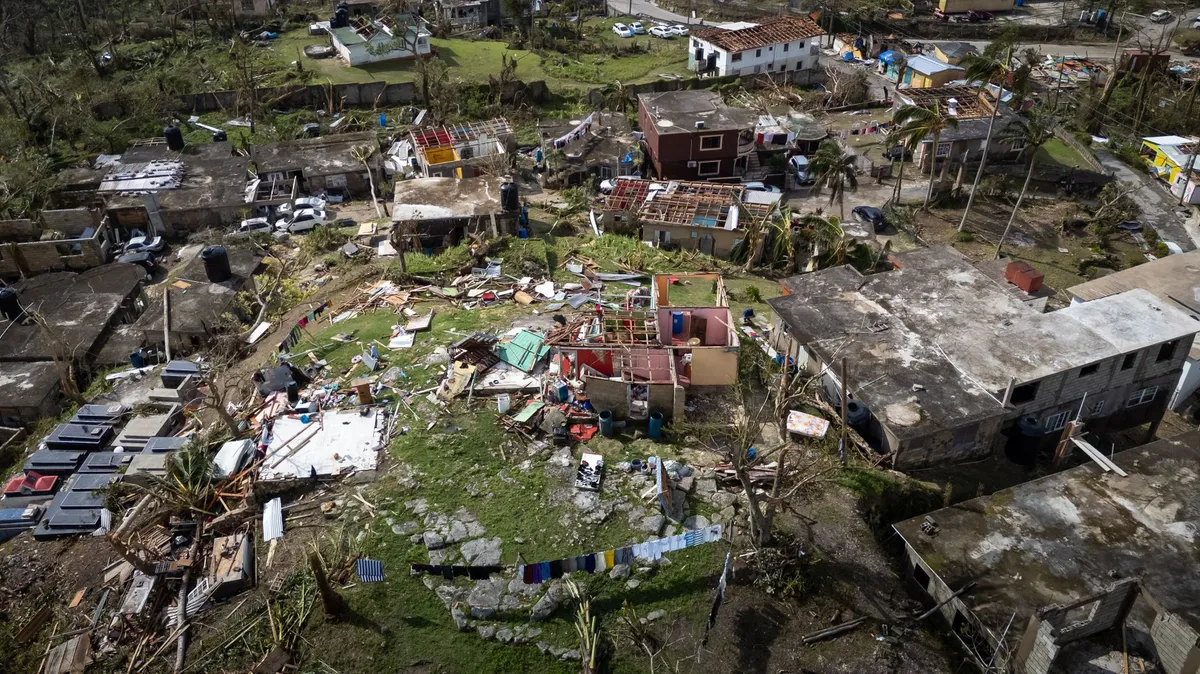
The relationship between El Niño and hurricane activity underscores the complexity of climate systems. While El Niño may reduce hurricane frequency, it is not a guarantee against severe weather events. For instance, even during years with fewer storms, the impact of a single hurricane can lead to substantial financial losses due to widespread property damage. The combination of increased development along coastlines and the unpredictable nature of climate change means that homeowners and businesses must remain vigilant.
The Financial Implications for Insurers
Insurance companies like Zurich operate on the principle of risk assessment and management. When natural disasters strike, claims can pour in, leading to significant financial liabilities. The potential for fewer hurricanes during an El Niño year could offer a respite for insurers, lowering the overall risk profile and, possibly, leading to more favorable premium rates for policyholders. However, this scenario is nuanced.
The Impact on Premiums and Claims
Even with a less active hurricane season, the continued exposure of properties to storms remains a concern. With decades of development along the U.S. coastline, the value of properties at risk has escalated dramatically. For instance, homes that were once valued at $200,000 may now be worth $600,000 or more, significantly increasing potential claims payouts. As a result, insurers may still face substantial losses, even in quieter years, due to the high value of claims associated with any storm that does make landfall.
- Key Takeaways:
- El Niño may lead to fewer hurricanes, potentially lowering claims.
- Increased coastal development raises the value of properties at risk.
- Insurers might adjust premium rates based on reduced risk.
- Homeowners should remain vigilant and review their insurance coverage.

Preparing for the Unexpected
Despite the optimistic forecasts regarding hurricane activity during the El Niño phenomenon, homeowners and businesses must remain prepared for the unexpected. The unpredictability of climate patterns means that even during a quieter season, the potential for a significant storm cannot be ignored. For homeowners, this preparation might involve reviewing existing insurance policies to ensure adequate coverage against wind and flood damage.
Steps for Homeowners
Policyholders should take the following steps to ensure they are adequately protected:
- Review Policies: Homeowners should scrutinize their insurance policies to confirm that they cover hurricane-related damages, including wind and flood damage.
- Assess Coverage Limits: Given rising property values, it is crucial to ensure that coverage limits reflect the current market value of homes.
- Consider Flood Insurance: Many standard homeowners' policies do not cover flood damage, so obtaining separate flood insurance is advisable in flood-prone areas.
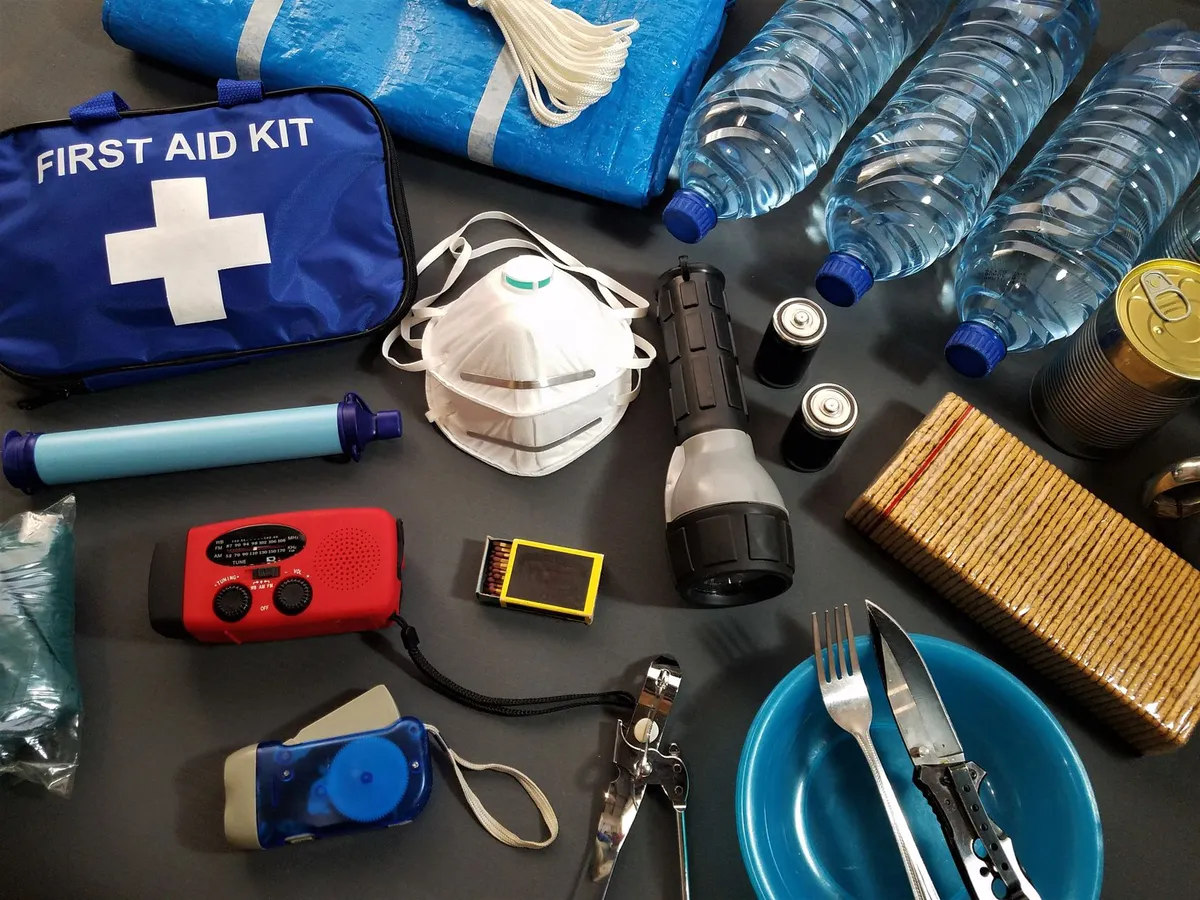
- Emergency Preparedness: Develop an emergency plan and gather supplies in case of severe weather, regardless of the season.
Key Takeaways
- El Niño may lead to fewer hurricanes, potentially lowering claims.
- Increased coastal development raises the value of properties at risk.
- Insurers might adjust premium rates based on reduced risk.
- Homeowners should remain vigilant and review their insurance coverage.
Frequently Asked Questions
What is El Niño, and how does it affect hurricanes?
El Niño is a climate phenomenon that occurs when ocean temperatures in the central and eastern Pacific rise above average. This warming can lead to changes in weather patterns, particularly affecting the Atlantic hurricane season by increasing wind shear, which inhibits storm formation. As a result, years with strong El Niño conditions often see a decrease in hurricane activity.
How does reduced hurricane activity impact insurance premiums?
If hurricane activity decreases, insurers may see lower claims and reduced financial risk. This reduction could lead insurers to adjust their pricing strategies, potentially resulting in lower premiums for policyholders. However, this depends on various factors, including ongoing property development and the overall risk landscape.
Should I change my insurance policy based on El Niño forecasts?
While El Niño forecasts may suggest a quieter hurricane season, it is essential to maintain adequate insurance coverage. Homeowners should regularly review their policies to ensure they align with current property values and risks. Adjustments should be made based on individual circumstances rather than solely on seasonal forecasts.
What other factors should homeowners consider regarding hurricane preparedness?
Homeowners should consider various factors for hurricane preparedness, including the age and construction of their homes, local flood risks, and proximity to the coast. Investing in storm-resistant features, such as impact windows and roofs, can enhance protection. Additionally, having an emergency plan and an updated supply kit is crucial for any unexpected weather events.
Comments
Popular in Home Insurance
- 2026 Sees Below-Average Severe Convective Storm Losses: What It Means for Insurance
- El Niño and Wildfires: Preparing for a Fire-Prone Future
- Young Affluent Collectors: The Underinsurance Dilemma in Luxury Investments
- Wisconsin Property Owner Sues City and Insurers Over Contamination Cleanup Costs
- Rising Catastrophe Risks: How Europe’s Insurers Are Adapting to Climate Change