Wildfire Risk Mitigation Bill Stalls, Impacting Insurance Markets
As wildfires rage across the U.S., a bipartisan bill aimed at reducing wildfire risk remains stalled in the Senate, affecting insurance availability for homeowners in vulnerable areas.
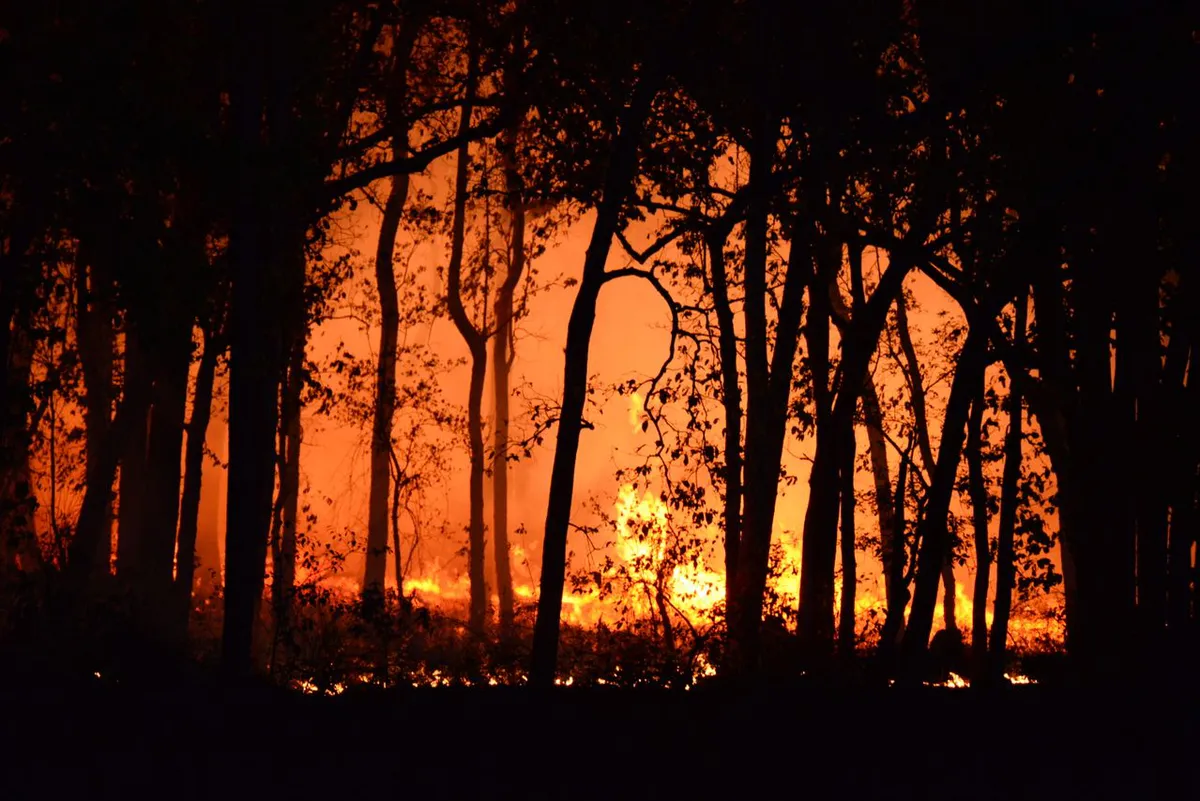
As wildfires continue to devastate regions across the United States, a crucial bipartisan bill aimed at mitigating the conditions that contribute to these catastrophic events has stalled in the Senate, causing significant repercussions for homeowners and insurance brokers alike. The Fix Our Forests Act, which has already passed the House and a Senate committee, is now caught in legislative limbo, leaving many to wonder about the future of property coverage in fire-prone markets.
The implications of this delay are profound. With wildfires increasingly threatening homes and communities, the insurance landscape is shifting dramatically. Insurers are retreating from high-risk areas, leaving homeowners with fewer options and driving up premiums. For brokers who serve these clients, the inability to advance meaningful legislation exacerbates an already tenuous situation.
The Fix Our Forests Act: An Overview
The Fix Our Forests Act, officially designated as S. 1462, aims to address the root causes of wildfire risk by implementing several key initiatives. These include:
- Expedited environmental reviews for forest management projects.
- Streamlined permitting processes for hazardous fuels reduction on federal lands.
- The establishment of a Wildfire Intelligence Center to coordinate efforts across twelve federal agencies.
- A community wildfire risk reduction program to engage local efforts.
- A technology testbed to foster the development and deployment of advanced detection tools.
Passed by the House with a vote of 279 to 141 in January 2025, and subsequently advanced by the Senate Agriculture Committee with an 18 to 5 vote in October 2025, the bill is now awaiting a full Senate vote. The American Property Casualty Insurance Association (APCIA) has been vocal about the urgent need for legislative action, highlighting the intense wildfire activity occurring nationwide.
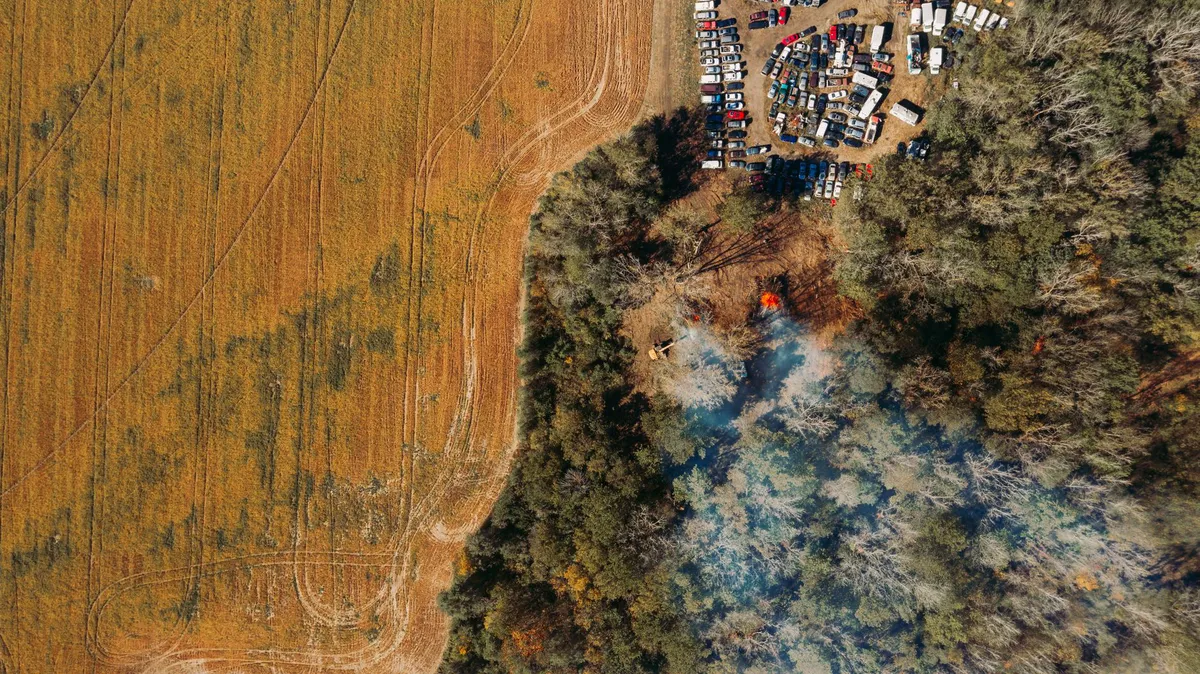
The Rising Cost of Wildfire Risk
The insurance market's reaction to the escalating wildfire threat has been stark. In California, for instance, the FAIR Plan—the state's insurer of last resort—has seen its total insured exposure skyrocket from approximately $50 billion in 2018 to a staggering $458 billion by 2024. This dramatic increase can be attributed to the withdrawal of private insurers from high-risk areas, forcing homeowners to rely on the FAIR Plan for coverage.
Data from the California Department of Insurance reveals a troubling trend: between 2020 and 2025, insurers non-renewed over 2.8 million homeowners insurance policies in fire-prone ZIP codes. This trend is not limited to California; states across the nation—including Florida, Georgia, and Nebraska—have reported record wildfire activity, further straining the already beleaguered insurance market.
Impacts on Homeowners and Insurance Brokers
As insurers pull back, homeowners in fire-prone areas find it increasingly difficult to secure affordable coverage. This shift can have lasting effects on property values and community stability, as homes become less insurable and more difficult to sell. For insurance brokers, the implications are equally concerning. With fewer options available, brokers may struggle to place clients in suitable policies, leading to a decrease in business and increased pressure to remain competitive.
Furthermore, the surge in enrollment in the FAIR Plan—up 43% between September 2024 and December 2025—illustrates the desperation many homeowners feel as they seek coverage in a tightening market. Brokers must navigate this complex landscape, balancing clients' needs with the realities of an increasingly cautious insurance market.

The Coalition for Legislative Action
In an effort to expedite the passage of the Fix Our Forests Act, a coalition of 47 organizations—including the APCIA, the U.S. Chamber of Commerce, and The Nature Conservancy—sent a letter urging Senate leaders to incorporate the bill as an amendment to the Fiscal Year 2027 National Defense Authorization Act (NDAA). This strategic move aims to leverage the NDAA's broader legislative appeal to facilitate the bill's progress.
Led by Senators John Curtis (R-UT), John Hickenlooper (D-CO), Alex Padilla (D-CA), and Tim Sheehy (R-MT), the coalition's efforts underscore the urgent need for comprehensive wildfire risk mitigation. These legislative initiatives are designed not only to address the immediate threat of wildfires but also to create conditions that encourage insurers to re-enter markets they have abandoned.

The Path Forward: What Homeowners Can Do
While the legislative process unfolds, homeowners in fire-prone areas can take proactive steps to protect themselves and their properties. Here are some strategies to consider:
- Assess Your Insurance Needs: Review your current policy to understand your coverage limits and exclusions, especially regarding wildfire damage.
- Consider Mitigation Efforts: Engage in defensible space practices, such as clearing vegetation and using fire-resistant materials, which may improve your insurability.
- Stay Informed: Keep abreast of local regulations and available resources for wildfire preparedness and insurance options.
- Connect with Brokers: Maintaining a relationship with experienced insurance brokers can provide insights into the most current market conditions and policy options available.
Ultimately, the passage of the Fix Our Forests Act is critical not only for addressing the immediate wildfire threat but also for ensuring long-term affordability and availability of insurance for homeowners. Without adequate risk reduction measures in place, the cycle of disaster and recovery will likely continue, further straining both the housing market and the insurance industry.
Key Takeaways
- The Fix Our Forests Act aims to mitigate wildfire risk but is stalled in the Senate.
- Insurance markets are shrinking, with many homeowners relying on state-backed programs like California's FAIR Plan.
- Legislation is critical for encouraging insurers to return to high-risk areas.
- Homeowners can take proactive measures to mitigate risks and improve insurability.
Frequently Asked Questions
What is the Fix Our Forests Act?
The Fix Our Forests Act is a bipartisan legislative proposal aimed at reducing wildfire risks through various initiatives, including streamlining forest management practices and establishing a Wildfire Intelligence Center. It has gained traction in the House but remains stalled in the Senate, which has implications for homeowners and the insurance market.
How does the shrinking insurance market affect homeowners?
The shrinking insurance market means that homeowners in fire-prone areas have fewer options for coverage, often leading to higher premiums and reliance on state-backed insurance programs like California's FAIR Plan. This can create challenges for homeowners looking to purchase or sell properties, as insurability becomes a significant concern.
What can homeowners do to protect themselves from wildfire risks?
Homeowners can take several proactive steps to mitigate wildfire risks, including creating defensible space around their properties, using fire-resistant materials, and staying informed about local regulations and insurance options. Engaging with knowledgeable insurance brokers can also help homeowners navigate the changing market landscape.
Why is legislative action important for the insurance market?
Legislative action is crucial for addressing the underlying causes of wildfire risk, which, if unaddressed, will continue to drive insurers away from high-risk areas. By implementing effective mitigation strategies, legislation can help restore market confidence among insurers, thereby improving the availability and affordability of insurance for homeowners.
Comments
Popular in Home Insurance
- 2026 Sees Below-Average Severe Convective Storm Losses: What It Means for Insurance
- El Niño and Wildfires: Preparing for a Fire-Prone Future
- Young Affluent Collectors: The Underinsurance Dilemma in Luxury Investments
- Wisconsin Property Owner Sues City and Insurers Over Contamination Cleanup Costs
- Rising Catastrophe Risks: How Europe’s Insurers Are Adapting to Climate Change