Florida Court Rules on Insurer's Appraisal Rights in Coverage Disputes
A recent Florida appeals court ruling underscores the importance of appraisal rights for insurers, clarifying when they can invoke this method in coverage disputes. The case highlights the balance between settlement offers and the right to appraisal, providing crucial insights for both insurers and homeowners.

The right to appraisal—an essential tool for insurers in resolving coverage disputes—has been brought to the forefront of legal and insurance discussions following a significant ruling by a Florida appeals court. This decision not only impacts how insurers like People's Trust Insurance Company handle claims but also sets a precedent for homeowners navigating the complexities of insurance coverage. On August 7, 2026, a Florida appeals court clarified the conditions under which an insurer can still demand appraisal, even in the face of ongoing litigation and settlement offers.
The case began with a seemingly insignificant claim: the homeowners' insurance company assessed damage to their property, estimating repairs at a mere $947.51, which fell below the homeowners' $1,000 deductible. People's Trust Insurance Company initially agreed to cover part of the claimed damage, specifically the roof, while denying coverage for the bathroom ceiling. The company indicated that no repairs or payments would be made until the parties reached a consensus on an amount surpassing the deductible or until an appraisal panel determined the loss exceeded that threshold.
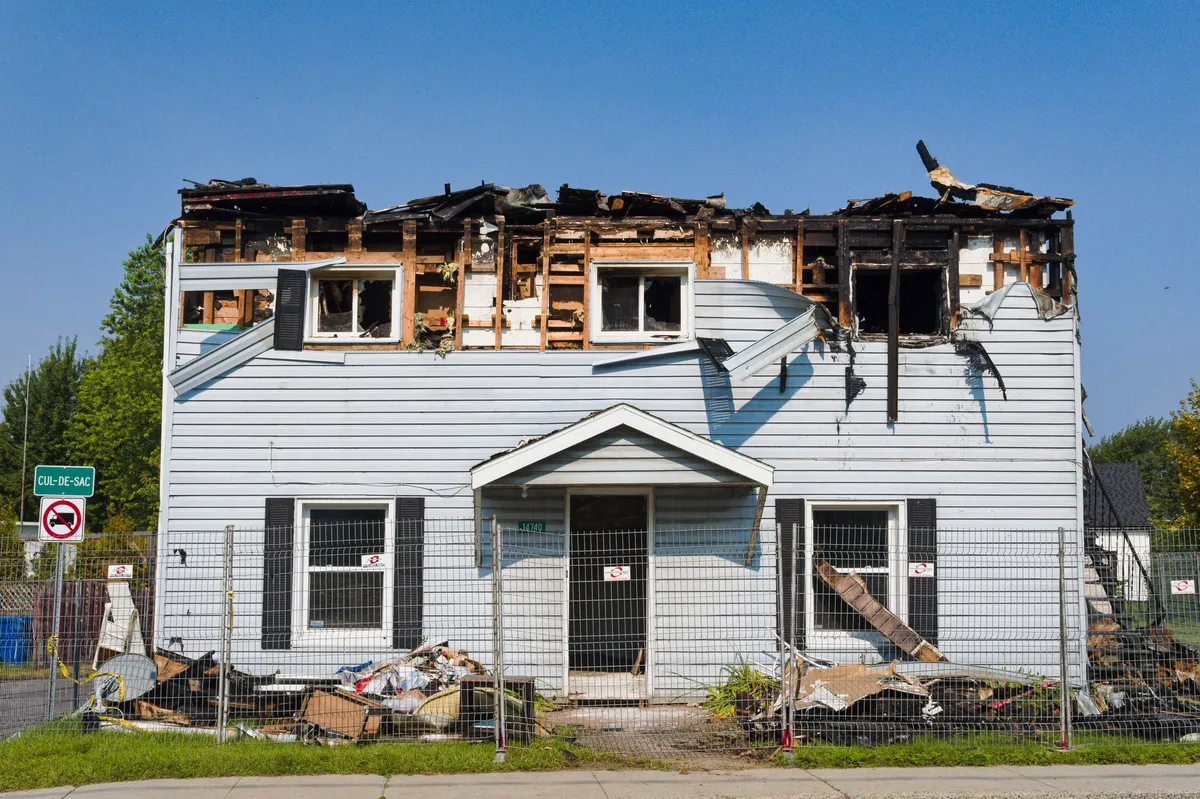
The Shift in Circumstances
However, the situation evolved dramatically over the next two years. The homeowners returned with a considerably higher estimate of $149,866.98 for the repairs. Faced with this new figure, People's Trust acknowledged the estimate but did not adjust their previous position, leading the homeowners to consider legal action. In response to the impending lawsuit, People's Trust offered a token settlement of just $100, which they framed as a way to resolve the matter without waiving their rights under the insurance policy to pursue legal remedies. Following this offer, the insurance company closed the claim, prompting the homeowners to sue for breach of contract.

The Legal Battle
During the trial, People's Trust raised the appraisal clause as a defense and sought to compel appraisal of the claim. However, the trial court ruled against them, arguing that the insurer's conduct had effectively waived their right to appraisal by actively engaging in litigation and making a settlement offer. This decision brought the case to the attention of the appeals court, where the central question became whether the insurer's actions indicated a waiver of appraisal rights.
Understanding Waiver and Appraisal Rights
In legal terms, a waiver is the voluntary relinquishment of a known right. In this case, the trial court interpreted People's Trust’s actions—particularly the settlement offer—as a waiver of their right to seek appraisal. However, the appeals court took a different view, emphasizing a straightforward test: Did the insurer actively litigate or act inconsistently with the right to appraisal? The court found that merely making a settlement offer does not constitute a waiver, and that an insurer retains the right to invoke appraisal even after a lawsuit is filed, provided they assert it promptly.

Implications for Insurers and Homeowners
This ruling carries significant implications for both insurers and policyholders. For insurers, the decision clarifies that they can maintain their appraisal rights even while negotiating settlements or defending against lawsuits. This is crucial for insurance companies aiming to control costs and expedite claim resolutions through appraisals rather than lengthy court battles.
On the other hand, homeowners should be aware that insurers may still invoke appraisal rights during disputes, even after litigation has commenced. This places a premium on the initial communication and negotiation phase of claims. Homeowners must be prepared for the potential for lengthy negotiations or appraisals, particularly if they suspect their claims may involve substantial sums.
Best Practices for Homeowners
- Document Everything: Keep accurate records of all communications with your insurer, including estimates, correspondence, and any settlement offers.
- Understand Your Policy: Familiarize yourself with your insurance policy's appraisal clause and what it entails, as this can greatly affect your claim process.
- Consult an Expert: If you're facing a significant claim, consider working with a public adjuster or legal expert who can guide you through the complexities of insurance litigation.
Key Takeaways
- Insurers may invoke appraisal rights even after a lawsuit has been filed.
- A settlement offer does not inherently waive an insurer's right to appraisal.
- Documentation and understanding of policy terms are crucial for homeowners.
- Insurers can maintain their appraisal rights while negotiating settlements.
Frequently Asked Questions
What are appraisal rights in insurance?
Appraisal rights in insurance allow either the insurer or the policyholder to request an independent appraisal of a disputed claim. This process is often used to determine the value of damages when there is a disagreement over repair costs. It's a valuable tool for resolving claims without lengthy litigation, as it involves a neutral third party to assess the situation.
How does a settlement offer affect my insurance claim?
A settlement offer from your insurer can complicate a claim, but it does not automatically waive their right to appraisal. While accepting a low settlement may not be in your best interest, understanding the implications of any offer is critical. It's essential to review the terms and consider the potential for higher claims value before accepting any settlement.
What should I do if my insurance claim is denied?
If your insurance claim is denied, the first step is to understand the reasons for the denial as outlined in your policy. You can appeal the decision, often by providing additional documentation or evidence supporting your claim. If negotiations do not lead to a satisfactory outcome, consider seeking legal advice or involving a public adjuster to help navigate the appeal process.
Comments
Severe Thunderstorms and Flooding Risks Loom Over U.S. Midwest
Severe thunderstorms are impacting the U.S. Midwest and Ohio Valley, triggering flood warnings and widespread disruptions. Learn how these weather events affect safety, infrastructure, and insurance.

Related articles
Popular in Home Insurance
- 2026 Sees Below-Average Severe Convective Storm Losses: What It Means for Insurance
- El Niño and Wildfires: Preparing for a Fire-Prone Future
- Young Affluent Collectors: The Underinsurance Dilemma in Luxury Investments
- Wisconsin Property Owner Sues City and Insurers Over Contamination Cleanup Costs
- Rising Catastrophe Risks: How Europe’s Insurers Are Adapting to Climate Change