California Proposes Home Hardening Week to Tackle Rising Insurance Costs
As California faces soaring homeowners' insurance rates, lawmakers propose a Home Hardening Week to promote fire-resistant building practices. This initiative aims to reduce costs and protect homes in high-risk wildfire zones.

California is grappling with unprecedented challenges regarding homeowners' insurance, especially in areas vulnerable to wildfires. Amidst rising premiums and increasing difficulty in obtaining coverage, state lawmakers are proposing a proactive measure: an annual Home Hardening Week. Introduced by Assemblymember Steve Bennett, House Resolution No. 136 aims to designate the second week of September as a time for homeowners to focus on hardening their properties against the ravages of wildfires. This initiative is not just a symbolic gesture; it represents a concerted effort to mitigate risks and ultimately reduce insurance costs for Californian homeowners.
The urgency of this proposal stems from alarming statistics. Between 2018 and 2023, homeowners' insurance rates in California surged by more than 43%. The resolution highlights that a significant portion of this increase is due to the mounting threat of wildfires, particularly in high-risk zones where insurance has become increasingly difficult to procure. In the last few years, California has experienced a dramatic uptick in wildfire activity, with ten of the twenty largest wildfires in its history occurring since 2020. With estimated damages reaching between $250 billion and $270 billion in 2025 alone, the stakes are high.
The Concept of Home Hardening
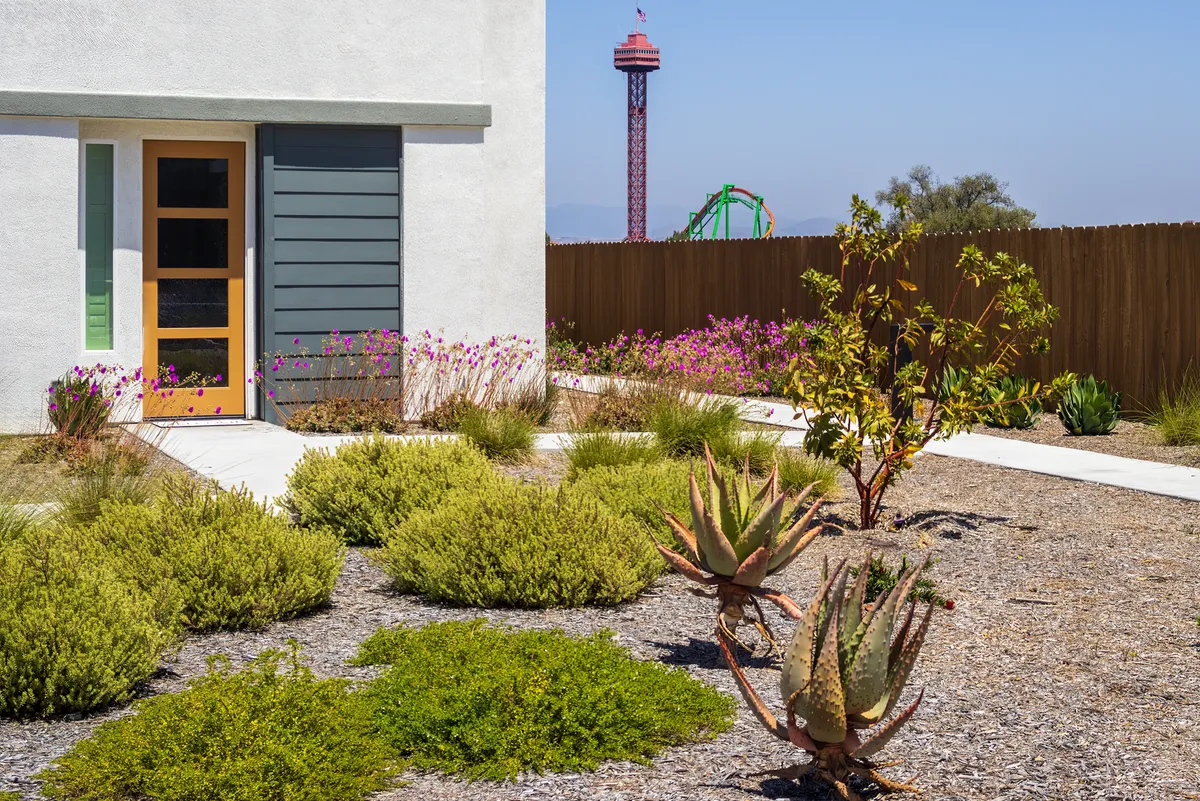
At the heart of the proposed Home Hardening Week is the concept of home hardening itself. This term refers to a series of building materials and practices designed to enhance a home's resilience against flames and embers. By implementing specific hardening strategies, homeowners can significantly improve their properties' chances of survival during a wildfire event.
Key Home Hardening Practices
- Fire-Resistant Roofing: Choosing materials that can withstand high temperatures and resist ignition.
- Ember-Resistant Vent Screens: Installing fine mesh over vents to prevent embers from entering the home.
- Defensible Space: Creating a buffer zone around the property, ideally extending from zero to thirty feet.
- Window Coverings: Using tempered glass or other flame-resistant materials for windows.
- Well-Sealed Openings: Ensuring that all windows, doors, and vents are tightly sealed to prevent the entry of flames and embers.
These practices are not merely suggestions; they are evidence-backed strategies that can significantly impact a property's survival rate during a wildfire. According to a study titled "Fire Risk to Structures in California's Wildland-Urban Interface," comprehensive home hardening can increase the survival rate of structures by 25%. This rate rises to 40% with a well-maintained defensible space of zero to five feet and up to 48% when that space extends five to thirty feet.
Insurance Implications
The connection between home hardening and homeowners' insurance is crucial. The resolution underscores that effective home hardening can serve as a tool not only to protect homes but also to alleviate the escalating costs of homeowners' insurance premiums. For insurers, the ability to reduce risk through proactive measures like home hardening could translate into lower claims and potentially more favorable underwriting practices.
The Underwriting Perspective
For insurance companies, underwriting refers to the process of evaluating risk and determining the terms and pricing of coverage. As wildfires continue to threaten properties, insurers are increasingly cautious, leading to stricter underwriting guidelines and rising premiums. By promoting home hardening, California lawmakers hope to create a more favorable environment for both insurers and homeowners. Insurers may become more willing to provide coverage at lower rates for homes that have implemented effective hardening measures, thus benefiting all parties involved.
The Legislative Context
While the resolution is a step in the right direction, it is essential to note that it does not carry the force of law; it is a statement of intent rather than a mandate for homeowners or insurance carriers. If adopted, it would instruct the Chief Clerk of the Assembly to disseminate the information to the California Fire Safe Council and every county board of supervisors, effectively spreading awareness about the importance of home hardening.
Nevertheless, the resolution's introduction signals a growing recognition among lawmakers that immediate action is needed to address the insurance crisis fueled by wildfire risks. As California continues to face the realities of climate change and extreme weather, initiatives like Home Hardening Week could pave the way for a more resilient future.
Community Engagement and Action
Beyond the legislative framework, community engagement will be vital for the success of Home Hardening Week. Homeowners must take proactive steps to implement hardening measures, but they also need support and guidance on best practices. Local governments, fire departments, and community organizations can play a crucial role in providing resources, workshops, and financial incentives to encourage homeowners to invest in hardening their properties.
Potential Resources for Homeowners
Homeowners looking to harden their properties can explore various resources, including:
- California Fire Safe Council: Offers guidelines and resources for homeowners on home hardening.
- Local Fire Departments: May provide assessments and recommendations for improving home safety.
- Insurance Agents: Can offer insights on how home hardening may impact insurance premiums.
- Government Grants or Incentives: Some programs may provide financial assistance for home hardening upgrades.
By fostering a collaborative approach, California can not only raise awareness about home hardening but also empower homeowners to take meaningful actions that can protect their homes and livelihoods.
Key Takeaways
- California lawmakers propose an annual Home Hardening Week to address rising homeowners' insurance costs due to wildfire risks.
- Home hardening practices can significantly increase the survival rate of homes during wildfires.
- Effective hardening measures may lead to lower insurance premiums as insurers recognize reduced risks.
- Community engagement and resources are crucial for homeowners looking to implement hardening strategies.
- The resolution serves as a statement of intent, raising awareness about the importance of fire-resilient homes.
Frequently Asked Questions
What is Home Hardening?
Home hardening refers to a series of practices and building materials used to make homes more resistant to wildfires. This includes using fire-resistant roofing, ember-resistant vent screens, and creating defensible spaces around the property. These measures aim to protect homes from flames and embers during wildfire events, ultimately increasing their chances of survival.
How can home hardening affect my insurance premiums?
Implementing home hardening measures can potentially lower your homeowners' insurance premiums. Insurers evaluate risk when determining coverage terms and pricing. By demonstrating that your home is less susceptible to wildfire damage through hardening practices, insurers may view your property as a lower risk, which could lead to more favorable premium rates.
Is Home Hardening Week mandatory for homeowners?
No, Home Hardening Week, as proposed in the resolution, is not a mandatory event but rather a dedicated time for raising awareness about fire-resilient practices. Homeowners are encouraged to participate voluntarily and take proactive steps to harden their homes against wildfires.
Where can I find resources for home hardening?
Homeowners can access a variety of resources for home hardening through organizations like the California Fire Safe Council, local fire departments, and insurance agents. These resources may include guidelines, assessments, and even financial incentives to help homeowners invest in fire-resistant upgrades.
Comments
Florida's Insurance Market Transforms: American Integrity's Record Q2 Performance
American Integrity Insurance Group has achieved unprecedented success in Q2 2025, showcasing the positive impact of recent litigation reforms and lower reinsurance costs in Florida's insurance market.
Related articles

Popular in Home Insurance
- 2026 Sees Below-Average Severe Convective Storm Losses: What It Means for Insurance
- El Niño and Wildfires: Preparing for a Fire-Prone Future
- Young Affluent Collectors: The Underinsurance Dilemma in Luxury Investments
- Wisconsin Property Owner Sues City and Insurers Over Contamination Cleanup Costs
- Rising Catastrophe Risks: How Europe’s Insurers Are Adapting to Climate Change