Nepal Flood Crisis: Understanding Travel Insurance Implications
A devastating flood in Nepal has left numerous travelers missing, raising critical questions about travel insurance coverage. This article explores the implications for affected individuals and the need for comprehensive policies.

Recent devastating flash floods on the Nepal-Tibet border have left a profound mark on the region, resulting in at least 17 confirmed fatalities and nearly 400 travelers reported missing. The situation has escalated fears about the adequacy of travel insurance coverage, particularly for those caught in natural disasters. As rescue teams navigate treacherous conditions, questions surrounding the scope of travel insurance policies loom large, underscoring a critical gap for many travelers.
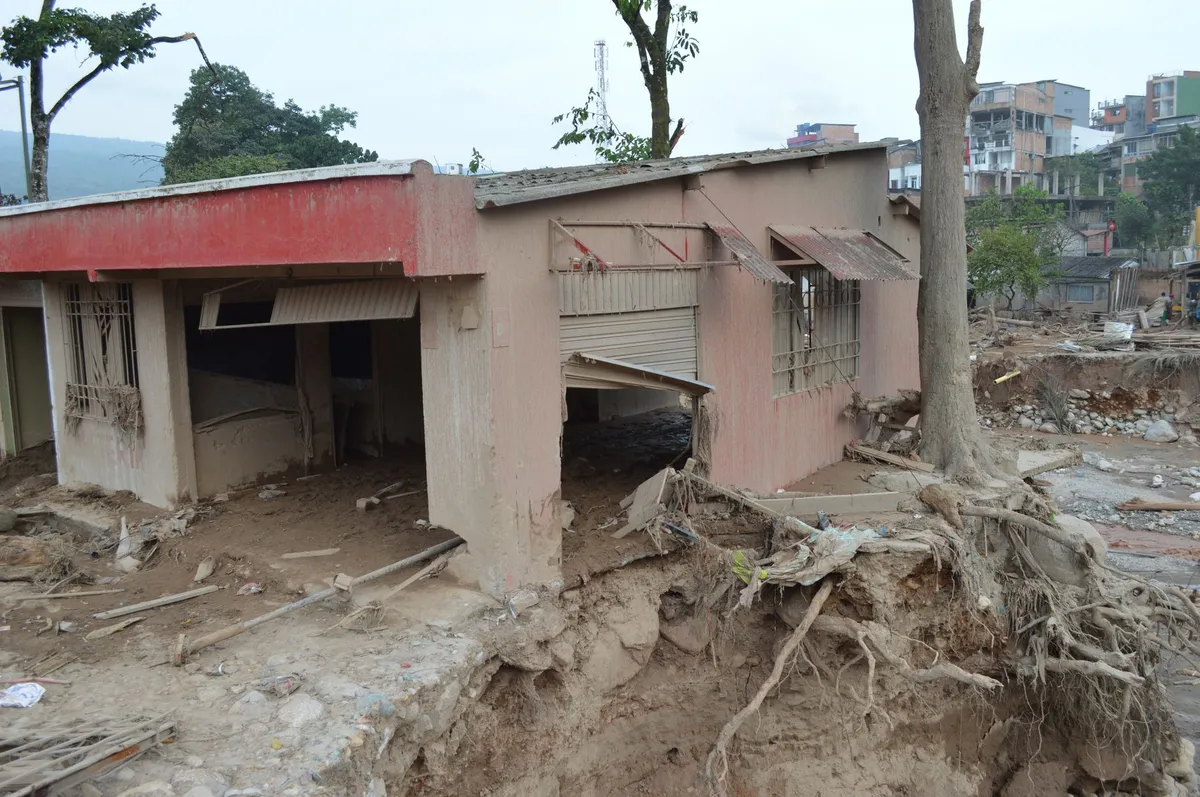
The catastrophe unfolded early in the morning when the Bhote Koshi River overflowed, inundating the districts of Rasuwa and Nuwakot, north of Kathmandu. Eyewitness accounts describe how the raging waters swept away bridges, multi-storey buildings, and critical infrastructure, leaving a trail of destruction. Nepal's foreign minister, Shishir Khanal, indicated that a preliminary earthquake may have triggered an avalanche, which subsequently blocked the river's path, leading to the devastating flood. As authorities continue to assess the full extent of the damage, the emphasis on travel insurance becomes increasingly relevant.
The Scope of the Disaster
Reports indicate that the floods have predominantly affected tourists, with the Nepal Tourism Board identifying 384 individuals as missing, including 291 foreign nationals. This group comprises a diverse mix of travelers from various countries, including:
- 105 Indian nationals
- 37 non-resident Indians
- 17 Malaysians
- 12 British nationals
- 4 South Africans
- 3 Americans
- 1 Australian
- 1 Dutch national
Additionally, a significant number of Nepalese police, military personnel, and local citizens are also unaccounted for, amplifying the urgency of rescue operations in the affected regions.
Travel Insurance Policies Under Scrutiny
The crisis has thrust travel insurance policies into the spotlight, particularly regarding their coverage limitations in natural disaster scenarios. Standard travel insurance often includes coverage for emergency medical evacuations, but this usually pertains to transportation to the nearest medical facility. What remains unclear for many travelers is whether their policies extend to non-medical evacuations necessitated by catastrophic events such as floods or landslides.
In high-risk adventure destinations like Nepal, some travel insurance policies offer specialized coverage for non-medical evacuations. However, many basic policies do not include this vital protection. Helicopter evacuations, which are often necessary in remote mountain areas, can incur substantial costs ranging from $3,000 to $10,000 or more, depending on the altitude and distance involved. Moreover, travelers need to be aware that between 80% and 90% of economic losses from natural disasters in South Asia remain uninsured, largely due to high costs and a lack of understanding regarding coverage gaps.
Historical Context of Flooding in the Region
While this disaster is particularly severe, it is not an isolated incident. The Bhote Koshi River has a history of flooding, with a significant event occurring in July 2025, where similar conditions resulted in nine fatalities and substantial infrastructural damage, including the destruction of the Sino-Nepal Friendship Bridge. Experts attributed that incident to the drainage of a supraglacial lake in Tibet, emphasizing the ongoing risks posed by climate change and glacial lake outburst floods (GLOFs).
A study published in 2023 in Nature Communications indicates that the frequency of GLOFs along the China-Nepal border has escalated since the 1980s. Between 1977 and 2010, Nepal lost approximately 24% of its glacier area, exacerbating the instability of glacial lakes that pose a threat to populated river corridors. The recent floods have also taken a toll on Nepal's hydropower infrastructure, damaging around 430 MW of capacity, which constitutes over 12% of the country's total output.

Implications for Travelers and Insurers
For travel insurers and brokers, the unfolding situation presents a critical opportunity to reassess and refine the coverage offered to clients traveling to Nepal and the broader Himalayan region. With two major floods occurring on the same river system within just over a year, it is essential for both agents and travelers to scrutinize the terms and conditions of their adventure travel and natural disaster evacuation policies.
Travelers should take proactive steps before embarking on their journeys, including:
- Reviewing existing travel insurance policies to identify gaps in coverage, particularly regarding non-medical evacuations.
- Consulting with insurance brokers to explore specialized adventure travel plans that encompass comprehensive disaster coverage.
- Staying informed about the risks associated with natural disasters in high-risk areas.
Furthermore, insurers must enhance consumer awareness regarding the realities of insuring against natural disasters, especially in regions known for their unpredictable climate and topography.

Key Takeaways
- Recent floods in Nepal have resulted in significant loss of life and missing travelers, raising critical concerns about travel insurance.
- Standard travel insurance often lacks coverage for non-medical evacuations, which can be crucial in disaster scenarios.
- Travelers should review their insurance policies and consider specialized adventure travel coverage for better protection.
- The frequency of natural disasters in the region highlights the need for increased awareness and preparedness among travelers and insurers alike.
Frequently Asked Questions
What types of travel insurance are available for adventure travelers?
Adventure travelers should consider specialized travel insurance that provides coverage for a range of activities and potential risks associated with extreme environments. This may include trip cancellation, medical emergencies, and non-medical evacuations. It's crucial to read the fine print and ensure that the policy covers specific activities planned during the trip, such as trekking in remote areas or mountaineering.
How can travelers ensure they have adequate coverage for natural disasters?
To ensure adequate coverage, travelers should thoroughly review their insurance policies and inquire about specific provisions related to natural disasters. They should seek policies that explicitly state coverage for non-medical evacuations and consider purchasing additional riders if necessary. Additionally, keeping abreast of the weather conditions and potential risks at their travel destination can help them make informed decisions.
What should I do if I am affected by a natural disaster while traveling?
If you find yourself in the midst of a natural disaster while traveling, your immediate priority should be safety. Follow local authorities' guidance, seek shelter, and contact your travel insurance provider as soon as it is safe to do so. Document your situation, including photographs and records of expenses incurred due to the disaster, as this information may be crucial when filing a claim later.
Comments
Popular in Travel Insurance
- Understanding the Implications of Nepal's Glacier-Caused Flood
- Insurance Challenges Hamper Airline Operations Amid US-Iran Conflict
- Understanding Travel Insurance Needs for Seniors: A Look at Medicare Gaps
- Understanding Travel Insurance Coverage After the Grand Canyon Flood
- Ignyte Insurance Expands Travel Portfolio with InsureMyTrip Acquisition