Understanding the Implications of Nepal's Glacier-Caused Flood
The recent glacier-triggered flood in Nepal has left thousands missing and raises critical questions about insurance coverage for travelers in high-risk areas. This article delves into the causes, impacts, and what it means for insurance brokers and travelers alike.
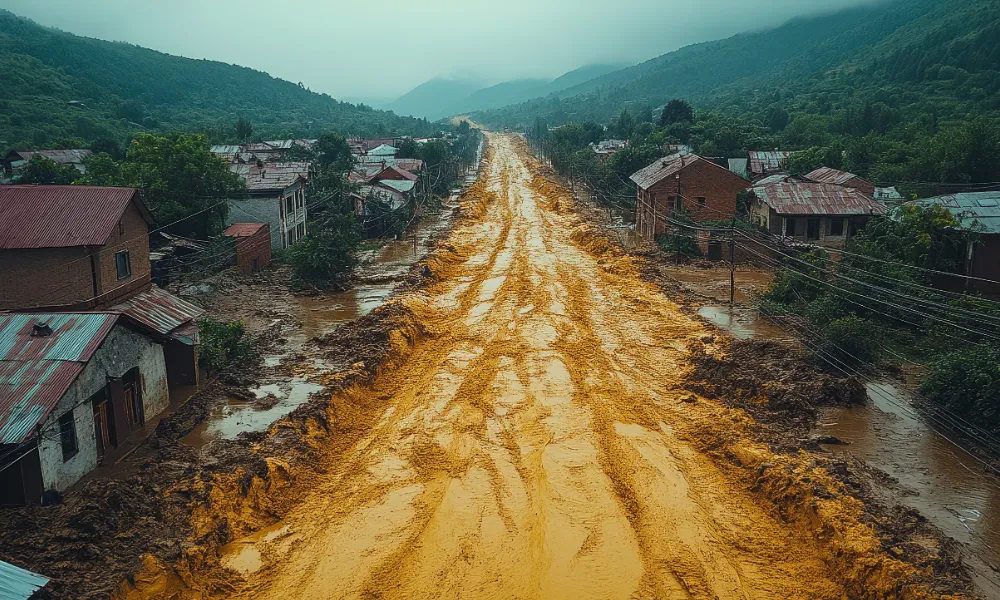
The catastrophic flash flood that struck the Nepal-Tibet border recently has left nearly 1,500 people unaccounted for, including a significant number of foreign nationals. Initially attributed to an earthquake, new expert analysis has confirmed that the event was actually triggered by the collapse of a glacier. This revelation not only shifts the narrative of the disaster but also raises crucial questions for those involved in adventure travel insurance. The implications of the glacier’s collapse extend far beyond immediate rescue efforts, touching on policy coverage, risk assessment, and the future of travel to this perilous region.
According to an in-depth examination by earth scientist Dan Shugar from the University of Calgary, satellite imagery revealed that a glacier fragment broke off at an altitude of about 5,200 meters and plummeted approximately 1,200 meters down to the valley floor, causing a series of devastating floods in the Lhende River. The Nepal National Disaster Risk Reduction and Management Authority has since classified this as a "glacier-inclusive flood," highlighting the importance of understanding the underlying cause of such natural disasters, particularly in the context of insurance.
What Happened: A Closer Look at the Flood
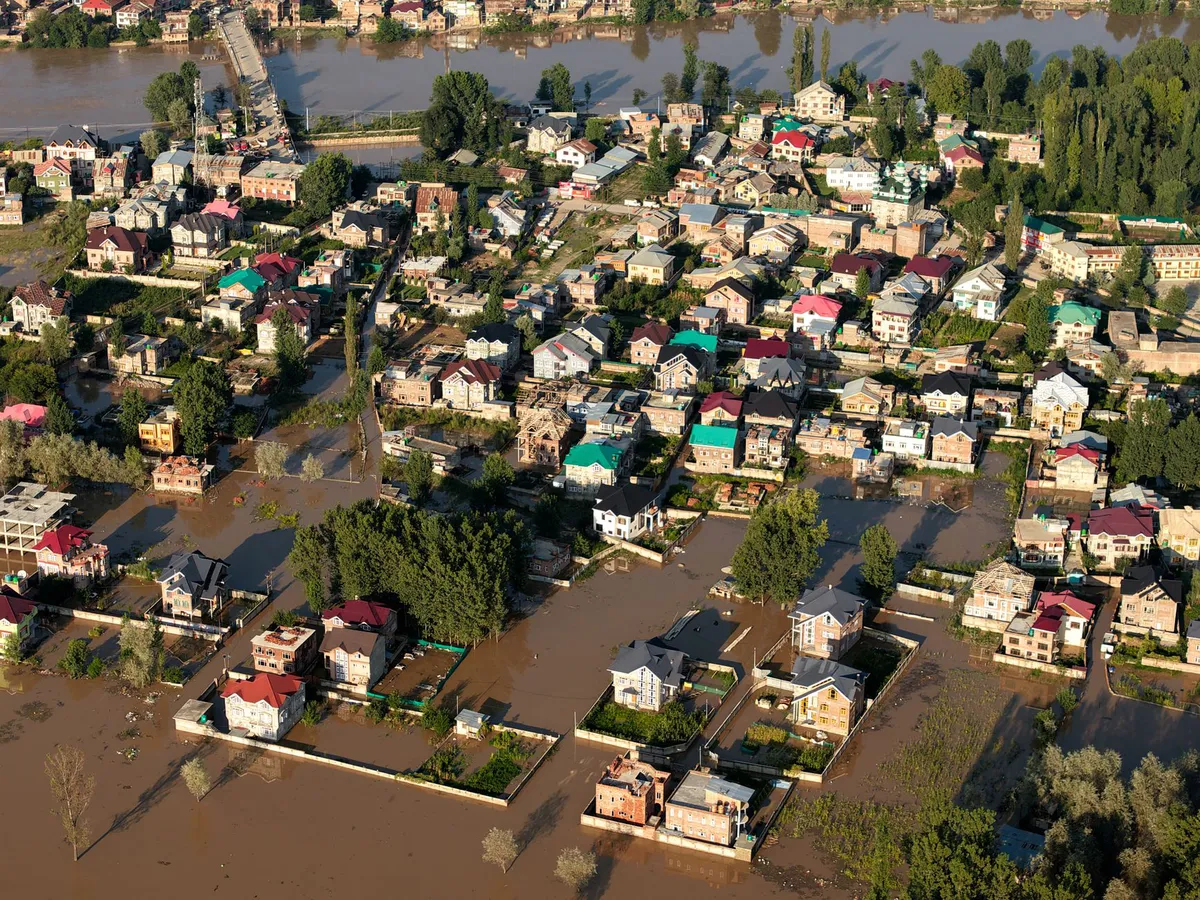
The event has taken a heavy toll—initial reports indicated that 384 travelers were missing, but this number has now surged to nearly 1,500, with close to 170 bodies recovered. The areas most affected, including Syapru Besi and Timure, are currently facing high river levels that have complicated rescue operations. The U.S. Geological Survey clarified that what was initially thought to be an earthquake was actually seismic energy generated by the glacier's collapse itself. This is a critical distinction that could impact how claims are processed by insurance companies.
The Role of Climate Change
Significantly, the timing of the glacier collapse coincided with an unusual warm spell, which melted the snow cover on the glaciers just prior to the disaster. This has led experts like Andrew Zolli of Planet Labs to question whether climate change played a role in this event. Indeed, the UN reported in 2023 that glaciers in Nepal are melting 65% faster than they did just a decade ago. As climate change continues to affect global weather patterns, the risk of similar disasters is likely to increase, raising concerns for both local communities and travelers.
Insurance Implications: What Travelers and Brokers Need to Know
For insurance brokers and travelers alike, the cause of the flood is not merely academic; it can have significant implications for policy coverage. Standard travel insurance often covers emergency medical evacuations, but the situation becomes more complex when considering non-medical evacuations triggered by natural disasters. For instance, hundreds of trekkers stranded in the Rasuwa district may find themselves in a challenging situation if their policies do not explicitly cover evacuation due to glacial events or flash floods.
- Emergency Medical Evacuations: Typically covered by standard policies regardless of cause.
- Non-Medical Evacuations: Coverage varies widely by policy; some include it as standard, while others exclude glacial events.
- Policy Triggers: Distinctions between glacial collapses, volcanic eruptions, and floods can determine claim eligibility.
Understanding Policy Coverage
Brokers advising clients on Himalayan travel should aim to clarify what their clients’ policies cover regarding natural disaster evacuations. Policies that respond to "natural disaster evacuation" without requiring proof of the specific causal event—be it glacial, seismic, or climatic—are preferable. This approach minimizes the risk of disputes when clients need to make claims.
Historical Context: A Pattern of Disasters
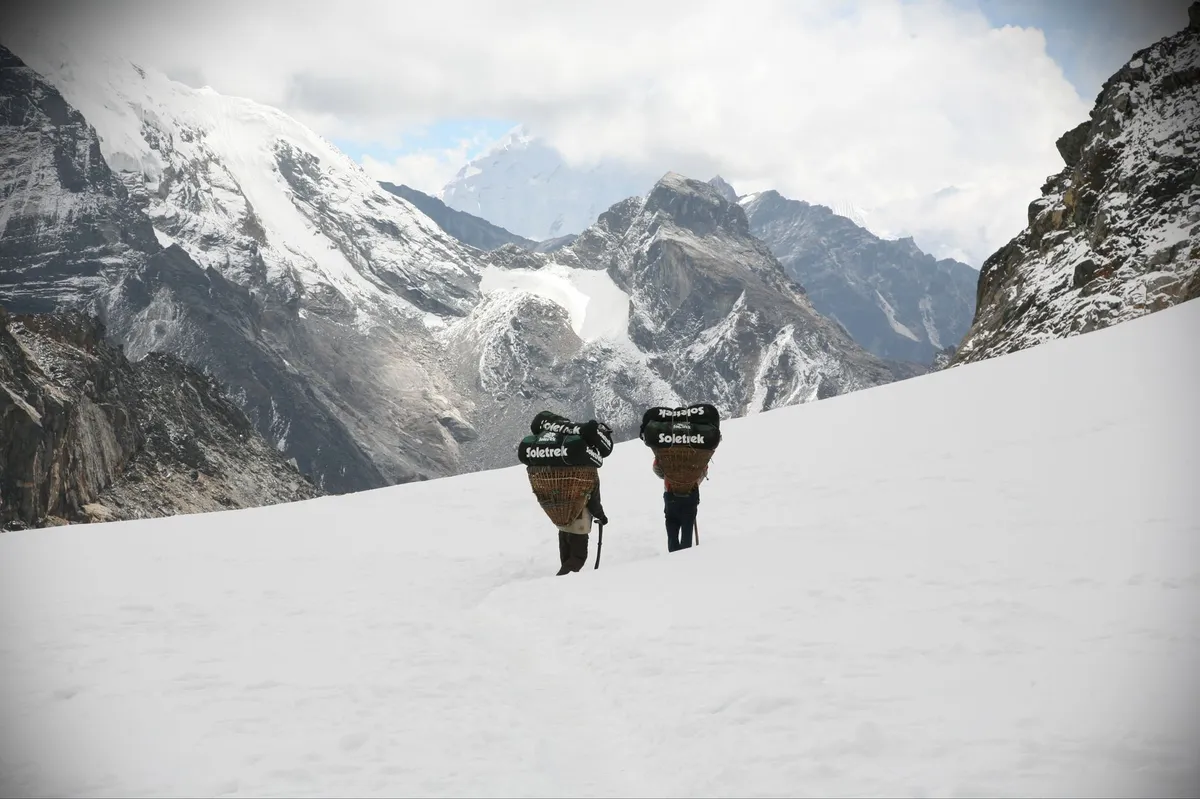
This is not the first catastrophic flood affecting the Nepal-Tibet border. In July 2025, a flood in the same Bhote Koshi corridor resulted in fatalities and significant infrastructure damage, including the destruction of the Sino-Nepal Friendship Bridge. That event was caused by the drainage of a supraglacial lake in Tibet, illustrating a pattern of risk in this area. The recent flood has similarly damaged critical infrastructure, including 430MW of hydroelectric capacity, which accounts for over 12% of Nepal's total hydropower output.
As the region continues to face increased risks from natural disasters, the importance of comprehensive travel insurance becomes even more pronounced. Brokers should not only inform clients about current risks but also educate them on the types of coverage available for high-altitude trekking and climbing.
Looking Ahead: Preparing for Future Risks
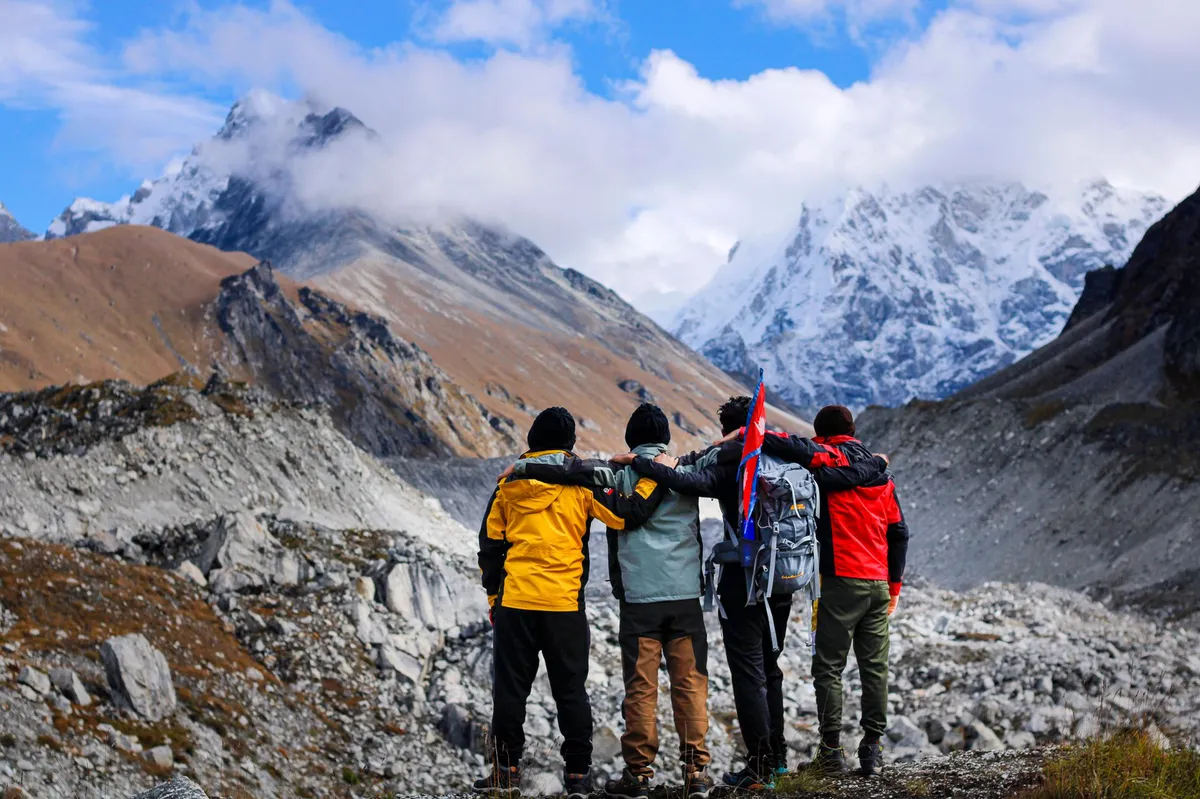
For brokers working with clients who are either currently in Nepal or planning to travel there soon, it is essential to prioritize confirming what their policies cover regarding natural disaster evacuations. Travelers without specialized adventure coverage may find themselves facing significant out-of-pocket expenses for evacuation, should such a need arise.
For those yet to depart, brokers should ask critical questions about their recommended policies, specifically whether they cover evacuation triggered by glacial events and flash floods. Not all travel insurance is created equal, and understanding these nuances can mean the difference between financial security and unexpected expenses during a crisis.
Key Takeaways
- The recent Nepal flood was caused by a glacier collapse, not an earthquake.
- Travel insurance policies vary widely in coverage for non-medical evacuations due to natural disasters.
- Brokers should ensure their clients have robust coverage tailored to high-risk adventure travel.
- Understanding the cause of natural disasters can significantly impact insurance claims.
- Climate change is increasing the frequency and severity of glacial disasters.
Frequently Asked Questions
1. How does the cause of a natural disaster affect insurance coverage?
The cause of a natural disaster is crucial for determining policy responses. Many travel insurance policies cover emergency medical evacuation, but non-medical evacuations can be more nuanced. For example, if a policy excludes glacial events, a traveler may find themselves unprotected if a glacier collapses and they require evacuation.
2. What types of insurance should adventure travelers consider?
Adventure travelers should seek policies that explicitly cover natural disaster evacuation without requiring proof of the specific cause. This includes coverage for events like glacial collapses, flash floods, and other high-altitude risks. It's advisable to read the fine print and select policies that cater to the unique risks associated with their destination.
3. What should brokers do to protect their clients?
Brokers should conduct thorough reviews of their clients' travel insurance policies, ensuring that they cover non-medical evacuations due to natural disasters. They should educate clients about the specific risks associated with high-altitude trekking and make recommendations that prioritize comprehensive coverage for these scenarios.
4. How can travelers prepare for potential natural disasters while trekking?
Travelers can prepare by researching potential risks in their destination and ensuring they have adequate travel insurance coverage. Staying informed about weather conditions, understanding local emergency protocols, and having contingency plans can also mitigate the impact of unexpected events like natural disasters.
Comments
Popular in Travel Insurance
- Insurance Challenges Hamper Airline Operations Amid US-Iran Conflict
- Nepal Flood Crisis: Understanding Travel Insurance Implications
- Understanding Travel Insurance Needs for Seniors: A Look at Medicare Gaps
- Understanding Travel Insurance Coverage After the Grand Canyon Flood
- Ignyte Insurance Expands Travel Portfolio with InsureMyTrip Acquisition