Understanding Travel Insurance Coverage After the Grand Canyon Flood
A recent flash flood in the Grand Canyon raises critical questions about travel insurance coverage for those affected. As visitors navigate the aftermath, understanding the nuances of their policies is essential.
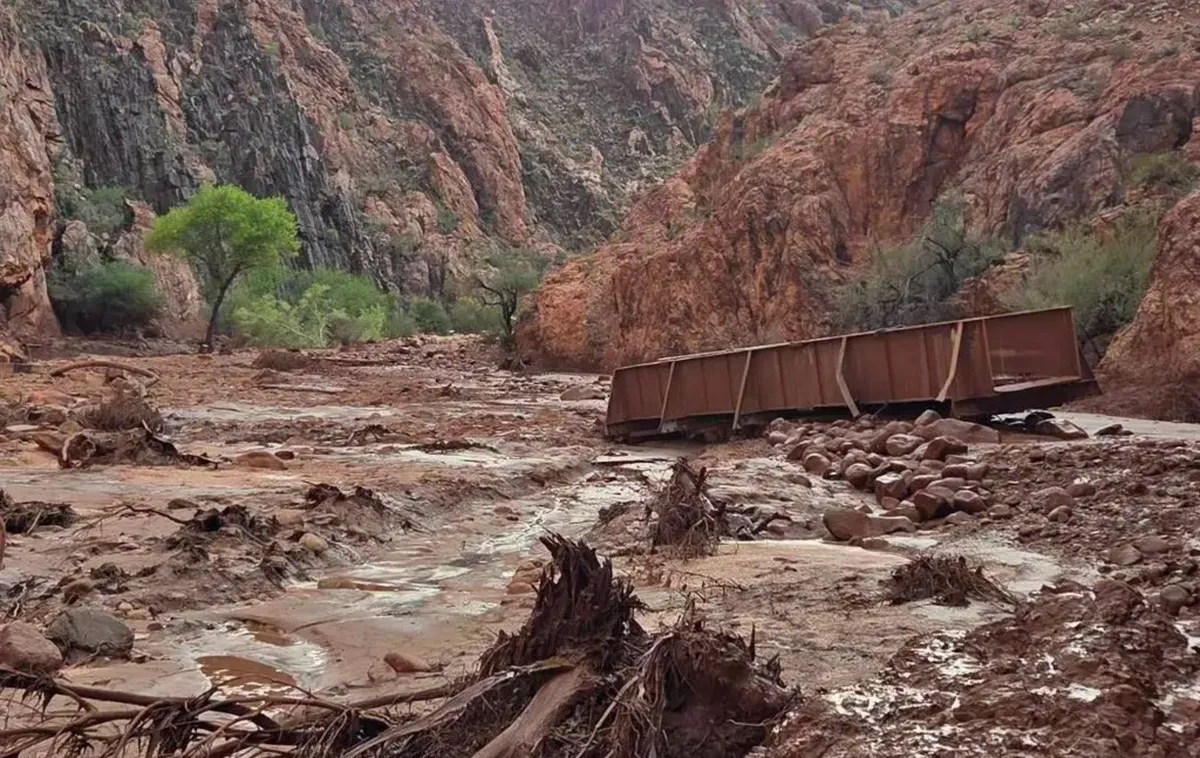
A devastating flash flood swept through the Grand Canyon recently, tragically resulting in one confirmed death and leaving 15 individuals unaccounted for. The incident occurred in Bright Angel Canyon and the Phantom Ranch area on a Saturday afternoon, sending torrents of water cascading through the narrow canyon after heavy monsoonal rainfall. This calamity has not only caused panic and chaos among visitors but also raised vital questions regarding the travel insurance policies many of them carried. Specifically, what will these policies cover, and are travelers adequately prepared for such unforeseen natural disasters?
The flood, which struck at around 2:30 p.m. local time, wreaked havoc on established infrastructure, destroying footbridges and knocking out the park's only water supply pipeline. In light of this emergency, the National Park Service (NPS) has closed Phantom Ranch, Bright Angel Campground, and the North Kaibab Trail until further notice. As of now, all lodging on the South Rim has been suspended. The situation has led to many travelers questioning their insurance policies, especially regarding trip cancellations and emergency evacuations.
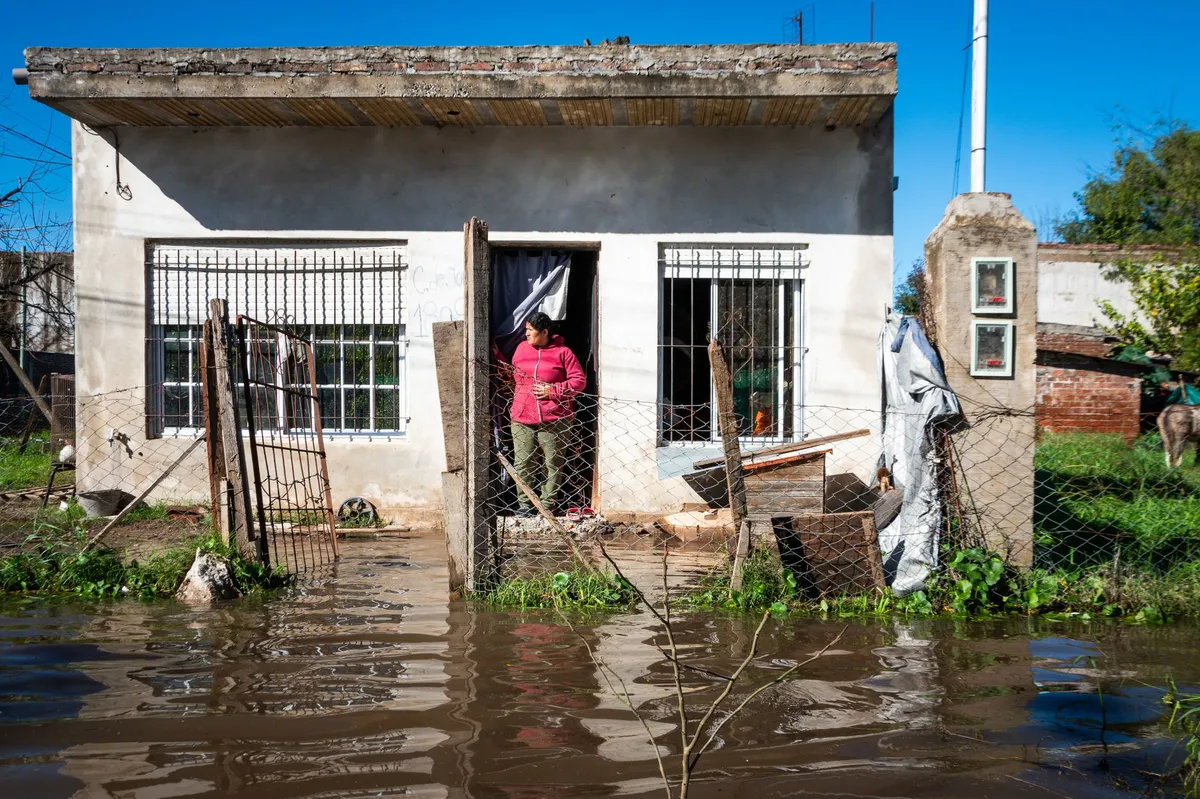
The Immediate Impact: What Happened?
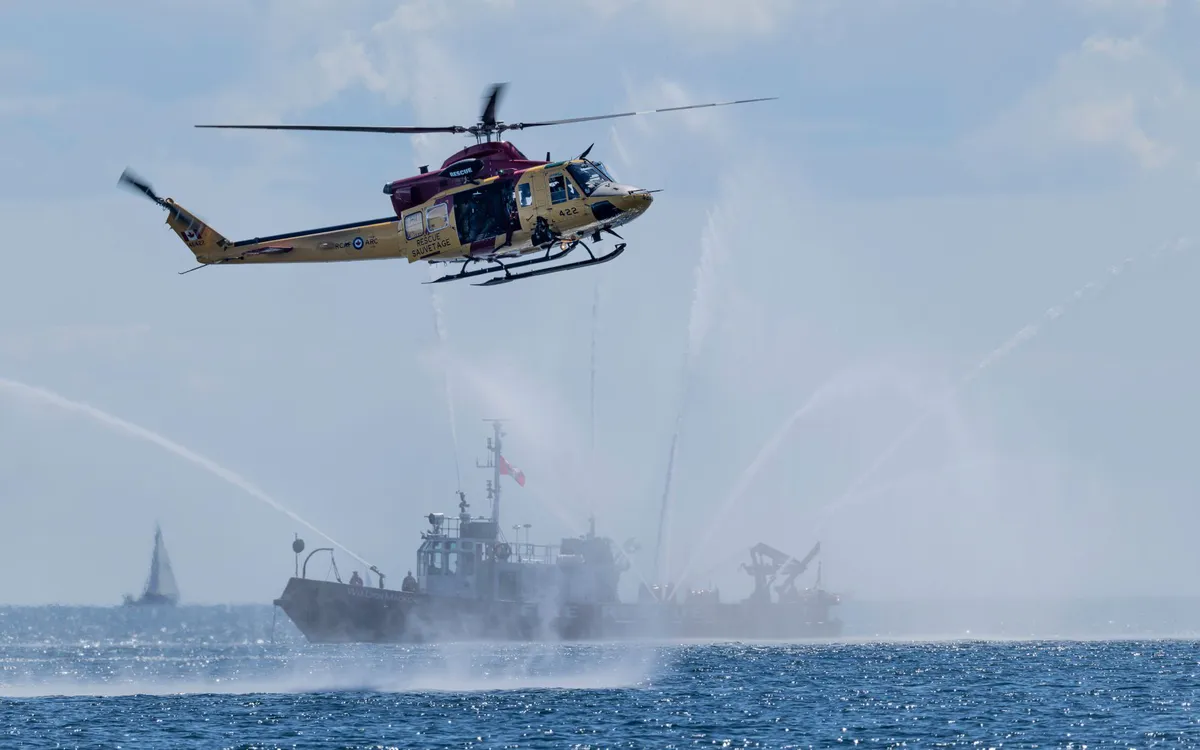
According to reports, the flood not only resulted in a tragic loss of life but also triggered extensive evacuations. Sixty-two people were airlifted out of the canyon, highlighting the perilous conditions created by the natural disaster. The NPS announced that they are conducting search and rescue operations, which are typically offered at no charge. However, this does not include medical costs, which can escalate significantly in emergency situations.
Medical Evacuations: Costs and Coverage
For those who require medical evacuation, costs can soar to between $15,000 and $30,000 for a helicopter ride from the canyon floor to a hospital in Flagstaff, Arizona. When combined with emergency care expenses, a serious incident can easily exceed $50,000. Travelers should note that most health insurance plans will only cover helicopter flights if they are deemed medically necessary and if the provider is in-network, which complicates matters in remote locations like the Grand Canyon. Therefore, having a comprehensive travel insurance policy that specifically covers non-medical evacuations can be essential for adventure travelers.
Understanding Insurance Policies: What’s Covered?
The events of the Grand Canyon flood have illuminated the complexities of travel insurance, particularly regarding trip cancellations. Travelers who purchased standard trip cancellation coverage before the flood are likely to have valid claims. Standard policies typically cover cancellations due to severe weather events rendering accommodations uninhabitable, a condition that applies here.
Known-Event Exclusions
For those who had not yet departed for their journey when the flood occurred, things become more complicated. Most travel insurance policies have a known-event exclusion, meaning that if travelers booked their trip after the NPS closure was announced, they may not be eligible for cancellation coverage. This situation underscores the importance of purchasing insurance as soon as travel plans are made, rather than leaving it until the last minute.
- Trip Cancellation Coverage: Valid for those who booked before the flood.
- Known-Event Exclusions: May apply to new bookings after the flood was reported.
- Medical Evacuation Costs: Can reach over $50,000 without adequate coverage.
- Emergency Services: Search and rescue operations are typically free, but medical costs are not.
The Broader Context: Seasonal Flood Risks
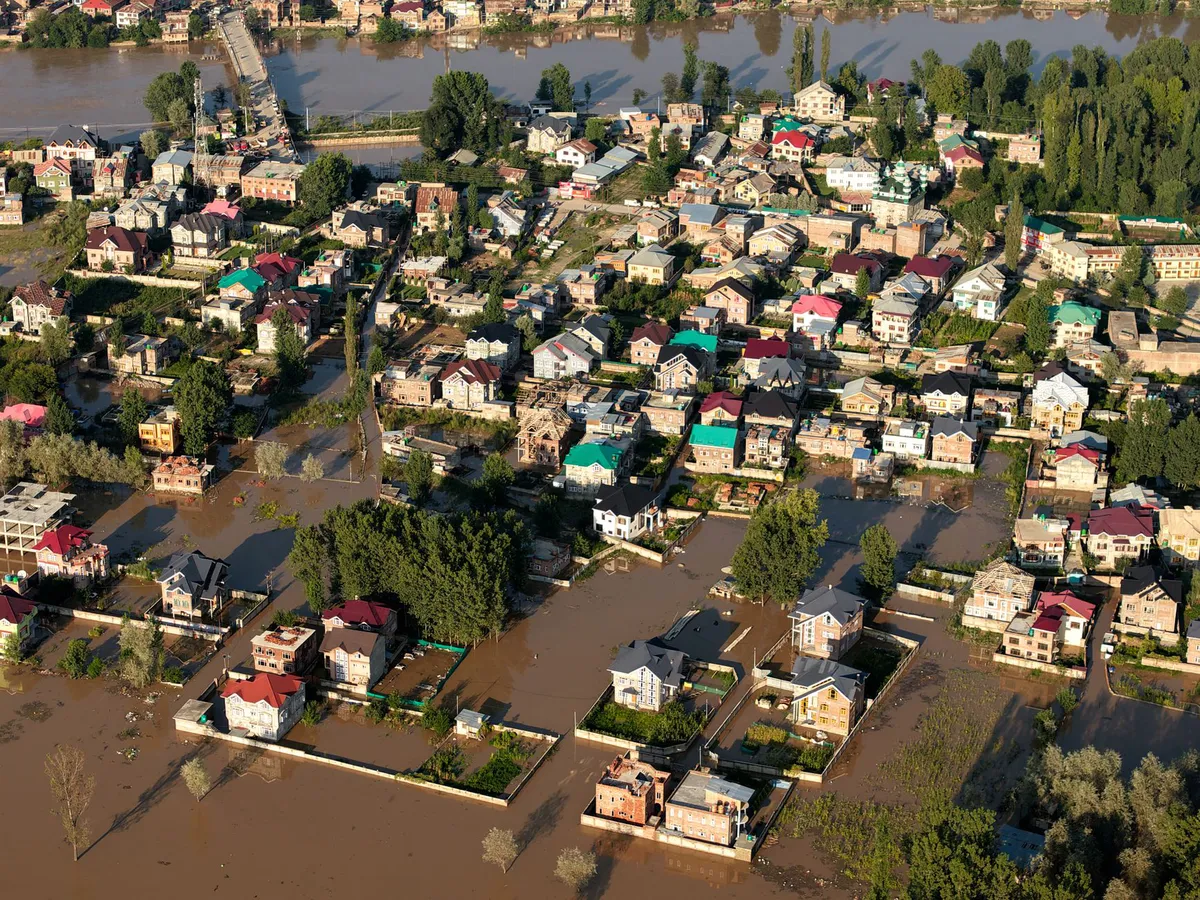
This flood is not an isolated incident but part of a larger pattern linked to the North American monsoon season, which runs through the end of September. This climatic phenomenon draws warm, moist air from the Gulf of California, resulting in storms that can lead to flash flooding in mountainous areas. The National Weather Service has issued widespread flood watches across several states, indicating that this risk is far from over.
Insurance Industry Trends
Flash flooding has become a concern for insurers and brokers, prompting them to scrutinize risk factors beyond traditional FEMA flood zone maps. Recent data indicates that about 40% of all flood insurance claims arise from areas not classified as high-risk zones. This shift suggests that the insurance industry is adapting to the increasing frequency and severity of weather-related events as climate change continues to affect weather patterns.
Key Takeaways
- Travelers should review their insurance policies to understand coverage limits and exclusions.
- Medical evacuations can be costly; ensure your policy includes non-medical evacuation coverage.
- Trip cancellation coverage is more likely to be valid if purchased before the disaster occurred.
- Understand the implications of known-event exclusions when planning travel.
- Flash flooding is a growing concern; travelers should stay informed about weather forecasts.
Frequently Asked Questions
What kind of travel insurance should I consider for adventure trips?
When planning an adventure trip, it's crucial to look for travel insurance that covers not just cancellations but also emergency evacuations and medical expenses. Policies should explicitly include coverage for non-medical evacuations, especially if you are venturing into remote locations. Additionally, consider policies that offer at least $50,000 in medical coverage to safeguard against unforeseen incidents.
How do I know if my travel insurance covers natural disasters?
To determine if your travel insurance covers natural disasters, carefully review the terms of your policy. Look for specific clauses related to trip cancellations due to severe weather or natural disasters. If the event was unforeseen at the time of purchase, you may have grounds for a claim. Always consult with your insurance broker for clarity on coverage specifics.
What should I do if I’m affected by an event like the Grand Canyon flood?
If you find yourself affected by a natural disaster while traveling, the first step is to ensure your safety and that of others. Once you are safe, contact your insurance provider to report the incident and begin the claims process. Be prepared to provide documentation, such as police reports or medical records, and keep records of all expenses incurred due to the event.
Can I change my travel plans if the area is under a weather warning?
Yes, if you have purchased travel insurance that includes trip cancellation or interruption coverage, you may be eligible for a refund or rescheduling of your travel plans if the area is under a weather warning. Again, the specifics depend on your policy, so it’s essential to contact your insurance provider as soon as possible to discuss your options.
Comments
Popular in Travel Insurance
- Understanding the Implications of Nepal's Glacier-Caused Flood
- Insurance Challenges Hamper Airline Operations Amid US-Iran Conflict
- Nepal Flood Crisis: Understanding Travel Insurance Implications
- Understanding Travel Insurance Needs for Seniors: A Look at Medicare Gaps
- Ignyte Insurance Expands Travel Portfolio with InsureMyTrip Acquisition