Insurance Challenges Hamper Airline Operations Amid US-Iran Conflict
The ongoing hostilities between the U.S. and Iran are creating significant insurance hurdles for airlines, leading to a slow return of foreign carriers to Dubai. This article explores the implications for the aviation industry and travelers.
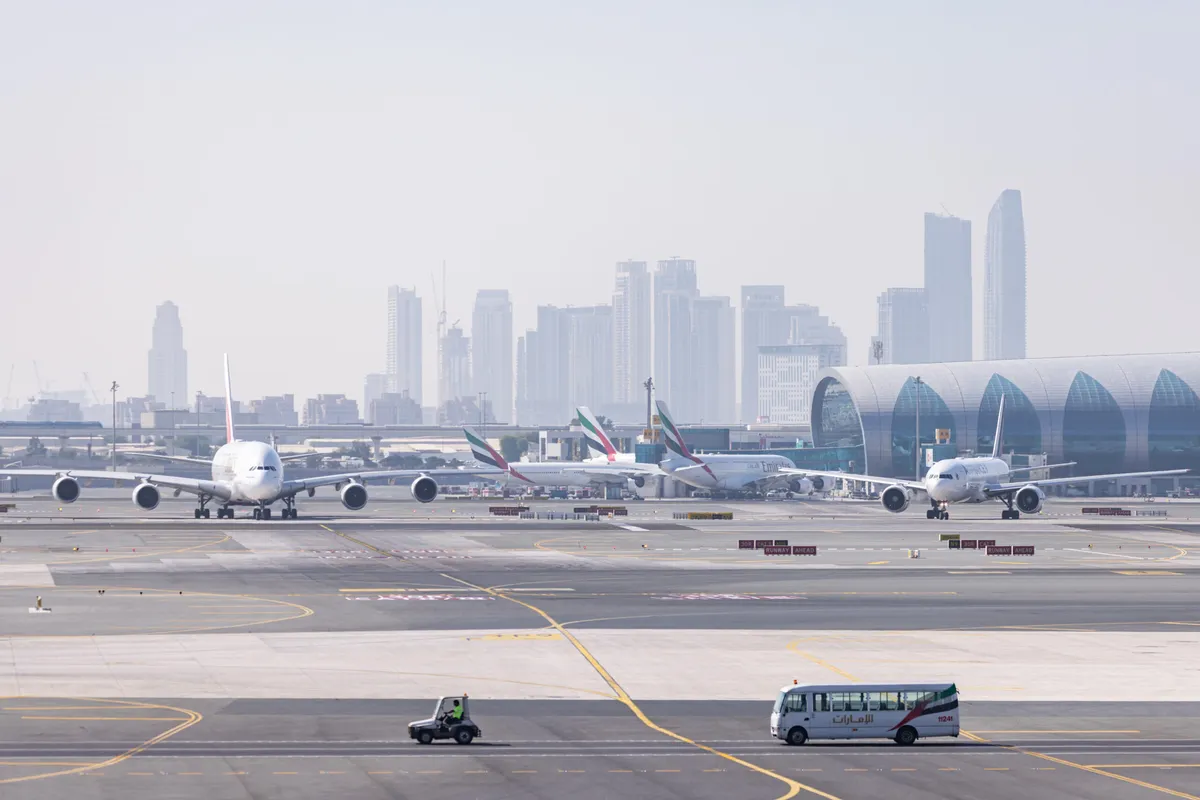
The escalating hostilities between the United States and Iran have cast a long shadow over the aviation industry, particularly affecting foreign airlines’ operations to Dubai. As tensions rise, securing insurance has become a formidable challenge for many carriers, stalling their return to one of the world's busiest transit hubs. With government travel advisories in place and concerns about safety in the region, the dynamics of the aviation market are shifting, creating both challenges and opportunities for airlines and travelers alike.
Paul Griffiths, the Chief Executive Officer of Dubai Airports, recently highlighted the difficulties facing international airlines as they navigate these turbulent waters. Despite the operational capacity at Dubai International Airport remaining stable, with operations running at nearly full capacity, the hesitation from European airlines to resume flights to Dubai underscores the broader implications of the ongoing conflict. The complexities of insurance, geopolitical advisories, and safety risks are reshaping the aviation landscape in the Middle East.
The Impact of Geopolitical Tensions on Aviation
As the U.S.-Iran conflict intensifies, the repercussions for the aviation industry are becoming increasingly apparent. Airlines are not only faced with the challenge of potential airspace closures but are also grappling with the significant costs associated with insurance for flights over conflict zones. The recent strikes and military actions have heightened concerns, leading to a cautious approach from many international carriers.
Insurance Implications for Airlines
In the realm of aviation insurance, major carriers must navigate a complex environment influenced by geopolitical events. Factors such as war risk insurance, which specifically covers damages resulting from acts of war, have become critical. Underwriters are assessing the risk of operating routes through or near conflict zones, leading to increased premiums and potential limitations on coverage.
- Increased Premiums: As risks escalate, insurers are charging higher premiums for coverage over conflict zones.
- Coverage Limitations: Some policies may exclude coverage for specific areas deemed too dangerous, limiting operational routes.
- Government Advisories: Airlines must often comply with government travel advisories, which can influence their operational decisions.
- Operational Adjustments: Airlines are reworking their flight paths to avoid conflict zones, leading to longer routes and increased operational costs.
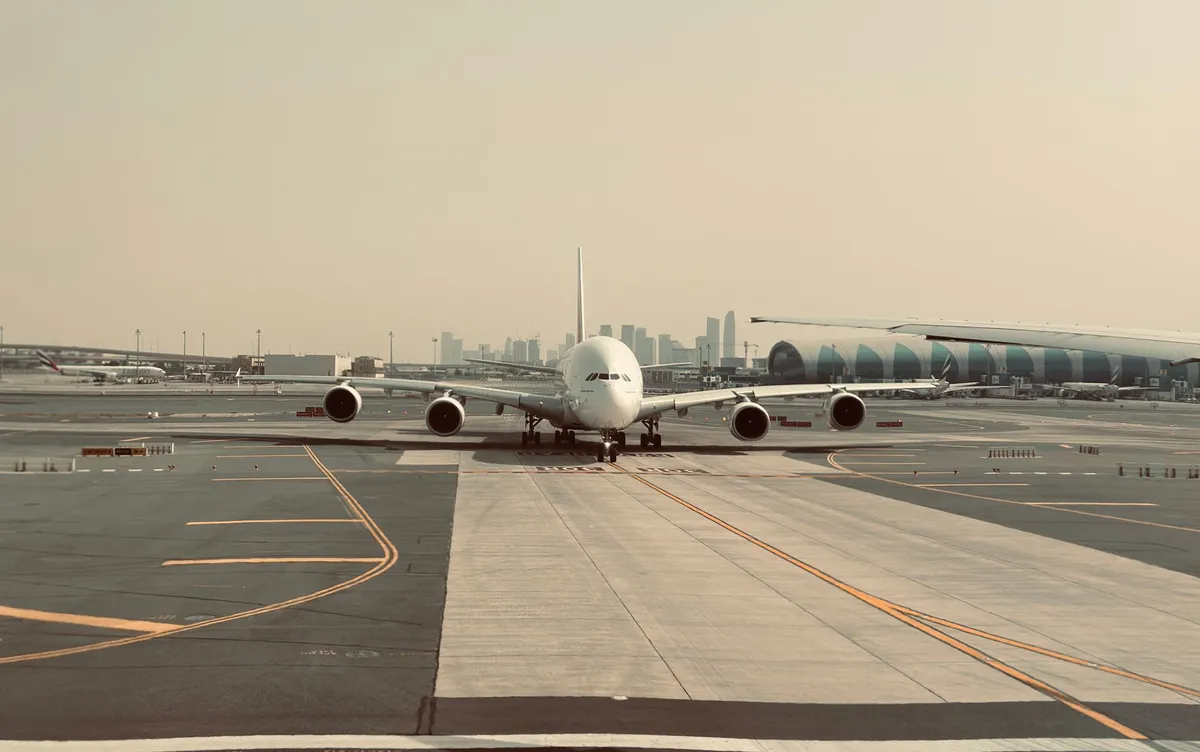
In response to these challenges, airlines like Emirates, Qatar Airways, and Etihad Airways have begun recalibrating their international networks. With travel demand to the Middle East affected by the conflict, these carriers have taken proactive measures to maintain operations, even if that means operating near-empty planes. For instance, Emirates has introduced war travel insurance specifically designed for passengers flying to and from conflict-affected regions, providing some level of reassurance to travelers.
Travel Advisory Impact on Consumer Behavior
Government travel advisories play a significant role in shaping consumer behavior and airline operations. The advisories, which may range from cautionary statements to outright warnings against travel, impact travelers' decisions and consequently affect airline demand. As many European airlines suspend services to key destinations in the region, travelers are left with fewer options and must navigate the risks associated with flying.
The Role of Consumer Awareness
For travelers, awareness of the geopolitical climate and its implications for travel plans is crucial. Travelers should stay informed about the latest travel advisories issued by their governments, and consider the following:
- Insurance Needs: Evaluate travel insurance policies that include coverage for cancellations and interruptions due to geopolitical events.
- Safety Precautions: Be proactive in understanding the safety measures being implemented by airlines and airports.
- Alternative Routes: Consider flexible travel arrangements that allow for changes in itineraries should conditions change.
Broader Implications for the Aviation Industry
The ramifications of the U.S.-Iran conflict extend beyond insurance and travel advisories. The entire Middle Eastern aviation sector is feeling the strain, with infrastructure at certain hubs damaged by military actions and airstrikes. The ripple effect of these conflicts is causing airlines to rethink their operational strategies, potentially leading to a long-term impact on air travel in the region.
Future of Aviation in the Region
Looking ahead, the aviation industry must adapt to a new normal characterized by uncertainty and heightened risk. As airlines navigate these challenges, they may seek to innovate in their service offerings, enhance safety protocols, and explore alternative routes that minimize exposure to conflict zones. The future of air travel in the region will depend on the resolution of these geopolitical tensions and the industry's ability to respond effectively.

Key Takeaways
- Insurance challenges due to the U.S.-Iran conflict are affecting airline operations to Dubai.
- Travel advisories from governments are influencing consumer behavior and airline demand.
- Airlines are adapting by offering tailored insurance products and reworking flight paths.
- Travelers should stay informed about safety measures and consider comprehensive travel insurance.
Frequently Asked Questions
How does the U.S.-Iran conflict affect air travel insurance?
The ongoing conflict raises concerns about safety and operational risks, which leads to higher premiums for airlines seeking coverage. Insurers may also impose restrictions on routes deemed too dangerous, making it more difficult for airlines to operate flights in and out of affected regions. As a result, the risk of cancellation or delays increases for travelers.
What should travelers do if their flights are canceled due to geopolitical events?
Travelers should immediately consult their airline for information on rescheduling or refunds. Additionally, they should review their travel insurance policies to understand their coverage for cancellations related to geopolitical events. Many policies offer reimbursement for expenses incurred due to flight cancellations, so it's essential to be informed about the specific terms of coverage.
Are there any safety measures airlines are implementing in response to the conflict?
Yes, airlines are enhancing safety protocols, including rerouting flights to avoid potential conflict zones and increasing communication with passengers regarding safety procedures. Many airlines are also providing real-time updates on flight statuses and potential changes to itineraries due to evolving conditions.
Comments
Popular in Travel Insurance
- Understanding the Implications of Nepal's Glacier-Caused Flood
- Nepal Flood Crisis: Understanding Travel Insurance Implications
- Understanding Travel Insurance Needs for Seniors: A Look at Medicare Gaps
- Understanding Travel Insurance Coverage After the Grand Canyon Flood
- Ignyte Insurance Expands Travel Portfolio with InsureMyTrip Acquisition