Paramount's $1.9 Billion Bond Request: Implications for Media Mergers
Paramount seeks a $1.9 billion bond from states in an antitrust lawsuit over its merger with Warner Bros. Discover the implications for the entertainment industry and what this means for consumers.

In a significant move that could shape the future of media mergers, Paramount Skydance Corp. has filed a request for a staggering $1.88 billion bond from 12 states involved in an antitrust lawsuit challenging its proposed merger with Warner Bros. Discovery Inc. This request comes at a critical juncture as the entertainment giant navigates both regulatory hurdles and public scrutiny concerning the implications of its $110 billion acquisition.
Paramount's request is grounded in federal law, which mandates that plaintiffs in such lawsuits must post a bond covering potential damages that could arise from halting a business transaction for litigation purposes. The rationale behind this requirement is straightforward: if the plaintiffs lose the case, the bond serves as a financial safety net for the injured party, ensuring they have a source of recovery for any damages incurred during the delay.
Understanding the Bond Request
Paramount's calculation of the requested bond amount is based on anticipated financial consequences related to the merger. Specifically, the company cites the potential for significant 'ticking fees'—penalties imposed for delays in closing the deal. Should the merger not finalize before October 1, Paramount faces a hefty ticking fee of approximately $650 million per quarter owed to Warner Bros. shareholders until the deal is completed. This financial burden exemplifies the high stakes involved in large-scale mergers, where every month of delay translates into substantial monetary costs.

Legal Context and Implications
The legal landscape surrounding mergers and acquisitions, particularly in the media sector, has become increasingly complex. The antitrust lawsuit led by states, spearheaded by California Attorney General Rob Bonta, raises concerns that the merger could adversely affect film and television distribution, leading to job losses in the entertainment industry. These arguments reflect a growing apprehension among regulators about the consolidation of media power and its potential implications for competition and consumer choice.
Regulatory Approval
Despite the opposition from certain states, Paramount has successfully secured regulatory clearance from 68 jurisdictions worldwide for the acquisition. Notably, the U.S. Justice Department has approved the deal, indicating a level of federal confidence in its compliance with antitrust laws. However, the ongoing lawsuit highlights the tension between state and federal perspectives on the merger, emphasizing how local jurisdictions can exert influence over major corporate transactions.
The Stakes for Paramount
For Paramount, the financial stakes are extraordinarily high. The $1.88 billion bond is not merely a figure; it represents the potential cost of protracted litigation and the operational challenges posed by delays in the merger process. Paramount's argument for the bond underscores the critical nature of timely deal closure, as extended litigation could jeopardize not only the merger but also the company's broader business strategy.
Financial Consequences
The ticking fees are a pivotal aspect of the merger's financial landscape. If the merger is delayed beyond the October 1 deadline, Paramount's financial obligations could escalate rapidly, impacting its cash flow and overall market valuation. This scenario serves as a stark reminder of the financial dynamics that can complicate large mergers, where timing is of the essence, and delays can lead to severe fiscal repercussions.
Public Interest and Industry Dynamics
The antitrust lawsuit filed by the states emphasizes the broader societal implications of such a monumental merger. Critics argue that consolidating major media companies can lead to reduced competition, fewer choices for consumers, and potential job losses. As media consumption continues to evolve with technological advancements, the industry's dynamics are shifting, raising questions about the balance between corporate consolidation and the preservation of competitive markets.
- Job Losses: Concerns are rising that the merger could lead to layoffs in a sector already facing significant changes due to digital transformation.
- Media Diversity: The merger may further narrow the range of voices and perspectives in the media landscape, impacting cultural representation.
- Consumer Choice: Fewer competitors could mean limited options for consumers in terms of content and subscription services.

Key Takeaways
- Paramount is seeking a $1.88 billion bond as a safeguard against potential damages from a merger delay.
- The bond request reflects the financial stakes involved in the ongoing antitrust lawsuit led by several states.
- Successful regulatory clearance does not preclude state-level challenges, illustrating the complexities of merger approvals.
- The potential impact on jobs and media diversity remains a central concern for critics of the merger.

Frequently Asked Questions
What is the purpose of the bond requested by Paramount?
The bond serves as a financial guarantee to cover potential damages that could arise if the states win the antitrust lawsuit and the merger is halted. This legal stipulation ensures that if the plaintiffs prevail, they have a source of recovery for the financial harm caused by the delay.
Why are states opposed to the Paramount-Warner merger?
States, led by California, argue that the merger could significantly harm competition in the media industry, resulting in fewer choices for consumers and potential job losses. They express concerns that a combined entity could wield excessive market power, limiting the diversity of content available to audiences.
What are ticking fees, and how do they affect the merger?
Ticking fees are penalties incurred for delays in closing a merger. In this case, if the Paramount-Warner merger does not finalize by a specified date, Paramount would owe Warner Bros. shareholders approximately $650 million per quarter, compounding the financial pressure on the company and emphasizing the urgency of resolving the lawsuit.
How could this lawsuit impact consumers?
The outcome of the antitrust lawsuit could have significant implications for consumers. If the merger is blocked, it may preserve competition in the media sector, potentially leading to more choices and better pricing for consumers. Conversely, if the merger proceeds, it could lead to a more consolidated media landscape, which may reduce options and affect content diversity.
Comments
Aon Launches $200 Million Capacity Platform for Transactional Risk Insurance
Aon's new platform, Sidecar X, introduces $200 million in dedicated capacity for representations and warranties and tax insurance, streamlining the transactional risk process. This innovative service aims to reduce costs and execution time for clients across multiple regions.
Related articles





Popular in Business Insurance
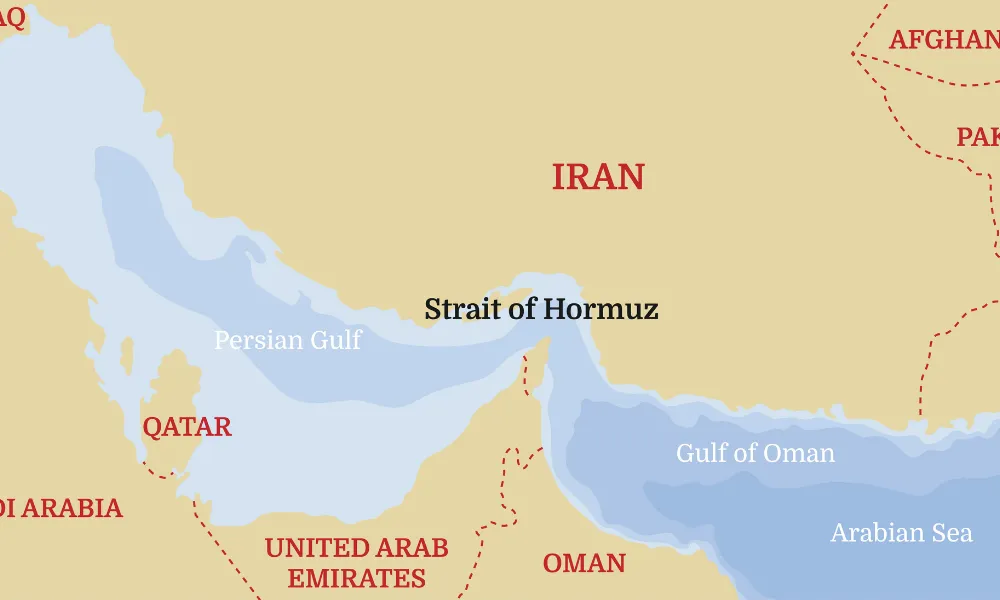
- Surging War-Risk Insurance Rates in the Strait of Hormuz: What It Means for Shipping
- Ross & Yerger Insurance Faces Class Action Over Data Breach Allegations
- Sompo Expands U.S. Workers' Compensation Portfolio with Service Insurance Acquisition
- Legal Battle Unfolds Over $1 Million Truck Crash Insurance Payout
- Howden Group's Ambitious Journey Toward IPO and Expansion