Meta Faces Trillion-Dollar Lawsuit Over Social Media Addiction Claims
Meta Platforms Inc. is embroiled in a landmark trial that could result in staggering financial penalties. As 29 state attorneys general challenge the company, the implications for social media regulation and user safety are profound.
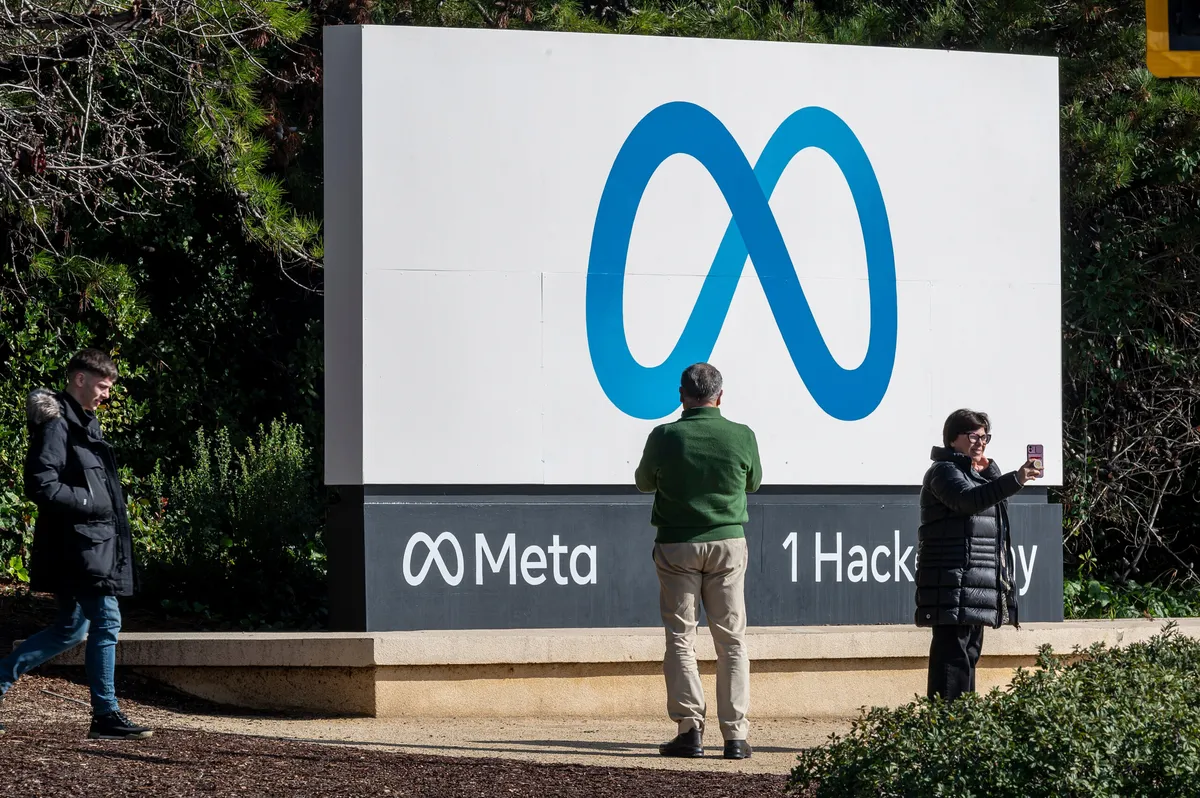
In an unprecedented legal showdown, Meta Platforms Inc. finds itself in a federal courtroom in Oakland, California, facing a coalition of 29 state attorneys general. This landmark trial, which began on August 18, 2026, centers around serious allegations that the tech giant deliberately designed its platforms, Facebook and Instagram, to foster compulsive usage among younger audiences. With potential financial penalties that could soar to a staggering $1.4 trillion, Meta stands at a critical crossroads that could not only reshape its business model but also set a precedent for how social media companies operate in the U.S.
The stakes couldn’t be higher. As the trial unfolds, it is expected to shine a light on the ethical responsibilities of social media platforms toward their users, particularly minors. The plaintiffs, led by attorneys general from states including California, Colorado, Kentucky, and New Jersey, are seeking not just financial reparations, but also sweeping changes to how Meta designs and manages its platforms.

The Nature of the Claims Against Meta
The allegations against Meta are severe. The coalition of states claims that the company knowingly implemented features intended to keep users, especially young people, engaged for extended periods. This includes controversial design elements like infinite scrolling and algorithm-driven content recommendations, which critics argue contribute to addiction-like behaviors. Research increasingly suggests that heavy social media use can lead to mental health issues such as anxiety and depression, especially in adolescents.
Meta’s own internal calculations reveal the potential financial repercussions of this trial. If found liable, the company could face fines as high as $20,000 per violation of state consumer protection and federal privacy laws. Given that there are millions of young users on these platforms, the total penalties could quickly escalate to the estimated $1.4 trillion. Such an amount would be unprecedented in legal history, dwarfing even the $206 billion settlement reached in 1998 with tobacco companies over similar addiction claims.

The Broader Implications for Social Media Regulation
This trial is not occurring in a vacuum. It reflects a broader global backlash against social media companies that are perceived to prioritize profits over user safety. Countries like Australia and various European nations are already taking legislative steps to curb the influence of social media on minors, with some proposing outright bans on their use by young people.
In the U.S., however, the response has been more fragmented. While legislative efforts have been made, they have often stalled, making the courtroom a critical battleground. The outcome of this trial could pave the way for more stringent regulations across the industry, influencing not only Meta but also other social media giants like Google, Snap, and TikTok, all of whom face similar lawsuits.
- 29 states are involved in the lawsuit against Meta.
- The potential fines could reach $1.4 trillion, a figure that approaches Meta's market capitalization.
- Meta has already faced a $1 billion penalty in a separate case regarding social media harms to youth.
- The legal theory being tested likens social media companies to a public nuisance similar to past cases against Big Tobacco.

Legal Strategies and Challenges
The legal strategies of the attorneys general are particularly noteworthy. They focus on the design and functionality of the platforms rather than the content shared on them. This approach is seen as a way to bypass the protections offered by Section 230 of the Communications Decency Act, which generally shields internet platforms from liability for user-generated content.
In a recent trial, a Los Angeles jury awarded $6 million to a young woman who claimed that her extensive use of Instagram and YouTube contributed to her mental health struggles. This case has encouraged other plaintiffs and legal representatives to pursue similar claims against Meta and its peers, framing the issue as one of product liability rather than free speech.
Meta has vehemently denied the allegations, asserting that the claims are unfounded and the financial demands are exaggerated. The company argues that the features being criticized are benign and that the broader issues of user behavior are complex and not solely attributable to their platforms.
Meta's Defensive Posture and Future Outlook
The trial is expected to last approximately five weeks, with high-profile testimonies from Meta’s co-founder and CEO Mark Zuckerberg, as well as Instagram head Adam Mosseri. The company has previously attempted to delay the proceedings, arguing that the case should await a ruling from the 9th U.S. Circuit Court of Appeals regarding Section 230’s applicability to the states' claims. However, these efforts have so far been unsuccessful.
As the trial progresses, the outcomes could have profound implications not just for Meta, but for the entire digital landscape. Analysts suggest that even if the financial penalties end up being symbolic, the case represents a critical moment in how social media platforms might be held accountable for their impact on society, particularly concerning young users.

Key Takeaways
- The trial against Meta could result in unprecedented financial penalties.
- 29 states are alleging that Meta's platforms are designed to encourage addiction.
- Ongoing litigation may lead to significant changes in how social media operates.
- Meta's defense strategy focuses on disputing the claims of harm and the validity of the penalties sought.
Frequently Asked Questions
What are the main allegations against Meta in this trial?
The primary allegations against Meta are that it designed its platforms, particularly Facebook and Instagram, to encourage compulsive use among young users. The coalition of state attorneys general argues that features like infinite scrolling and targeted content recommendations intentionally promote excessive usage, contributing to mental health issues among adolescents.
How does this case affect other social media companies?
While this trial is specifically against Meta, it sets a significant precedent that could impact other social media platforms. Companies like TikTok and Snap are watching closely, as they could face similar legal challenges. The outcome of this case may lead to stricter regulations and liability for social media platforms in general, especially concerning their impact on younger audiences.
What are the potential consequences for Meta if they lose the trial?
If Meta loses the trial, it could face fines totaling as much as $1.4 trillion, a figure that would represent a significant portion of the company’s market capitalization. Additionally, there may be court orders requiring Meta to alter its platform designs and implement stricter age verification processes, fundamentally changing how the company operates.
What legal principles are being tested in this trial?
The trial is testing the legal principles surrounding consumer protection laws and the liability of technology companies for product design. Specifically, it evaluates whether social media platforms can be held accountable for creating addictive features that may harm users, rather than for the content shared on those platforms, which is generally protected under Section 230 of the Communications Decency Act.
Comments
Alabama Courthouse Workers Sue Over Neglect: Insurer's Duty to Defend in Question
Thirty-two courthouse workers in Greene County, Alabama, are suing for injuries related to neglect and infestations. The case raises critical questions about municipal insurance responsibilities.

Related articles





Popular in Business Insurance
- Surging War-Risk Insurance Rates in the Strait of Hormuz: What It Means for Shipping
- Ross & Yerger Insurance Faces Class Action Over Data Breach Allegations
- Sompo Expands U.S. Workers' Compensation Portfolio with Service Insurance Acquisition
- Legal Battle Unfolds Over $1 Million Truck Crash Insurance Payout
- Howden Group's Ambitious Journey Toward IPO and Expansion