Alabama Courthouse Workers Sue Over Neglect: Insurer's Duty to Defend in Question
Thirty-two courthouse workers in Greene County, Alabama, are suing for injuries related to neglect and infestations. The case raises critical questions about municipal insurance responsibilities.
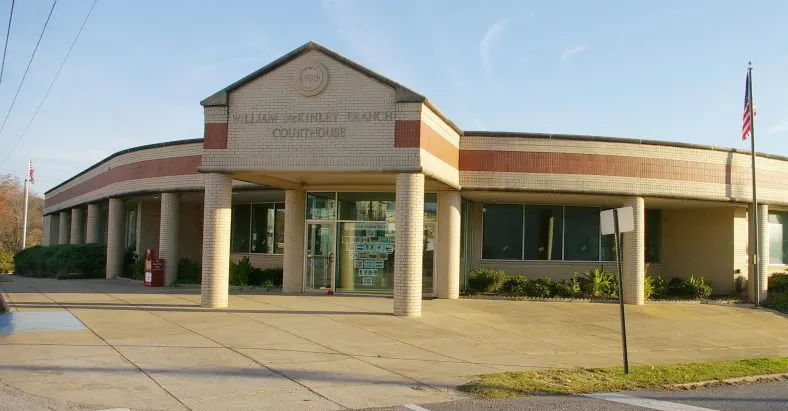
In a significant legal battle unfolding in Greene County, Alabama, a group of 32 county workers has taken their grievances to court, claiming that years of neglect have left them suffering from health issues stemming from a deteriorating courthouse environment. The workers allege they were subjected to infestations of rats, faulty air conditioning, and a leaky roof, all contributing to an unsafe workplace. Their lawsuit against the county commissioners, initiated in 2020, raises critical questions about municipal responsibility, insurance coverage, and the complexities of legal defenses.
This case has garnered attention not only for its alarming allegations but also for the implications it holds for the insurance industry, particularly regarding how insurers determine their duty to defend clients facing lawsuits. The Alabama Supreme Court's recent ruling, which allows the case to move forward, underscores the intricate relationship between municipal governance, employee rights, and insurance obligations.
Background of the Lawsuit
The lawsuit was filed in 2020 by the 32 workers employed at the Greene County courthouse, which has served the community since its construction in 1994. The complaints from the workers include serious concerns about their working conditions, which they argue have led to injuries and health issues. They claim that the county commissioners failed to address these issues adequately, allowing conditions to deteriorate over time.
The workers contend that the persistent presence of rats and the malfunctioning air conditioning have created a hazardous work environment, directly impacting their health. In response to the allegations, the county commissioners have maintained that they are protected by their liability insurance, which they believe should cover the claims raised by the workers.
Legal Proceedings and Insurance Implications
The case has been mired in legal proceedings, with the Alabama Supreme Court recently intervening to clarify the obligations of the insurance provider involved. The Association of County Commissions of Alabama Liability Self-Insurance Fund, which covers the county, has sought a declaratory judgment that it has no duty to defend the county in this particular lawsuit. They argue that the policy excludes claims related to known or expected risks and those arising from pollution or contamination.
In its ruling, the Alabama Supreme Court emphasized that the nature of the claims against the county is critical in determining whether the insurer has a duty to defend. The court noted that this inquiry could be resolved without deciding the liability of the county government in the underlying tort action. As Justice Tommy Bryan articulated, a trial court can address the insurer's duty to defend separately, allowing both the declaratory judgment and the tort action to coexist.
Understanding Insurance Coverage and Exclusions
For many, the legal jargon surrounding insurance policies can be daunting. In this case, the insurance policy's exclusions are pivotal. Common exclusions in municipal liability policies typically include:
- Expected Injuries: Claims resulting from situations the insured was aware of and did not rectify.
- Pollution and Contamination: Claims arising from hazardous materials present on the property.
- Intentional Acts: Claims that are the result of willful misconduct by the insured.
The insurance fund argues that many of the workers’ claims fall within these exclusions, providing grounds for their request for a declaratory judgment. However, the workers and the county commission counter that the insurance fund's delay in seeking this judgment undermines its position. They contend that the insurance fund should have acted sooner, especially given the ongoing nature of the claims since the lawsuit's inception.

The Broader Impact on Municipal Employees
This lawsuit is not just about rats and leaky roofs; it represents a larger issue affecting municipal employees across the country. Many workers face hazardous conditions due to inadequate facilities and lack of attention from local governments. The outcome of this case could set a precedent regarding how municipal entities respond to employee safety concerns and the legal protections available to them.
For employees in similar situations, this case highlights the importance of understanding their rights under workplace safety laws and the potential recourse available through the legal system. If the workers succeed in their lawsuit, it could embolden others in similar circumstances to speak out against unsafe working conditions.
Key Takeaways
- The Alabama Supreme Court has ruled that the insurance fund's request for a declaratory judgment can proceed alongside the workers' lawsuit.
- Key exclusions in municipal liability policies may impact the insurer’s duty to defend the county against the workers' claims.
- The lawsuit underscores the importance of workplace safety for municipal employees and the potential legal avenues for redress.
Frequently Asked Questions
What are the main allegations made by the courthouse workers?
The courthouse workers allege that they have suffered health issues due to a hazardous working environment characterized by rat infestations, faulty air conditioning, and leaky roofs. These conditions, they argue, stem from years of neglect by the county commissioners responsible for maintaining the courthouse.
What does it mean for an insurer to have a duty to defend?
An insurer's duty to defend means that it is obligated to provide legal defense in lawsuits filed against its insured party, even if the claims are later found to be without merit. This duty is generally broader than the duty to indemnify, meaning that insurers cannot deny defense based on the possibility that exclusions might apply until the underlying issues are resolved.
How could the outcome of this case affect other municipal employees?
If the workers prevail in their lawsuit, it could have significant implications for other municipal employees facing similar safety and negligence issues. A successful outcome may encourage more workers to pursue legal action against local governments for unsafe working conditions, potentially leading to increased accountability and enhanced safety standards across public sector workplaces.
What are the next steps in the legal proceedings?
Following the Alabama Supreme Court's ruling, the case is set to proceed in the lower courts, where the focus will be on determining the insurance fund's duty to defend the county commission. The court's decision will likely involve examining the specifics of the workers' claims, the terms of the insurance policy, and the ongoing condition of the courthouse.
Comments
Meta Faces Legal Reckoning Over Allegations of Child Exploitation
A landmark trial begins as 29 states accuse Meta of intentionally designing Facebook and Instagram to addict children, sparking debates over social media's impact on youth mental health.
Related articles






Popular in Business Insurance
- Surging War-Risk Insurance Rates in the Strait of Hormuz: What It Means for Shipping
- Ross & Yerger Insurance Faces Class Action Over Data Breach Allegations
- Sompo Expands U.S. Workers' Compensation Portfolio with Service Insurance Acquisition
- Legal Battle Unfolds Over $1 Million Truck Crash Insurance Payout
- Howden Group's Ambitious Journey Toward IPO and Expansion